
When upgrading your motorcycle, the seat cover is one of the most impactful components you can change to improve both your riding comfort and the overall appearance of your bike. To choose the right leather motor seat cover, you must evaluate four core dimensions: material composition, precise fitment compatibility, ergonomic comfort features, and environmental resilience. A cover that looks excellent on a store shelf might fail under intense tropical sun or slip dangerously during sudden braking if it lacks the proper backing and fit.
Selecting the ideal cover requires balancing aesthetic preferences with practical daily demands. Whether you use your motorcycle for daily commuting in heavy traffic or long-distance weekend touring, the material you choose must withstand constant friction, body weight, and exposure to the elements. By focusing on verifiable product specifications and structural designs, you can avoid common purchasing mistakes and secure a cover that lasts.
This guide outlines how to distinguish between various leather types, verify compatibility with your specific motorcycle model, and assess comfort and weather resistance. You will also find an actionable pre-purchase checklist and answers to common installation and maintenance questions to help you make an informed decision.
Products mentioned in this guide
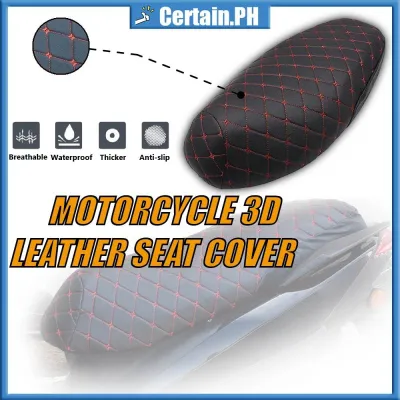
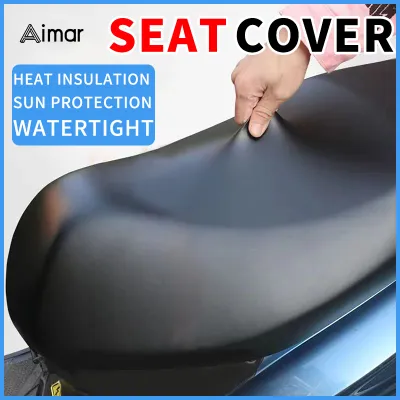
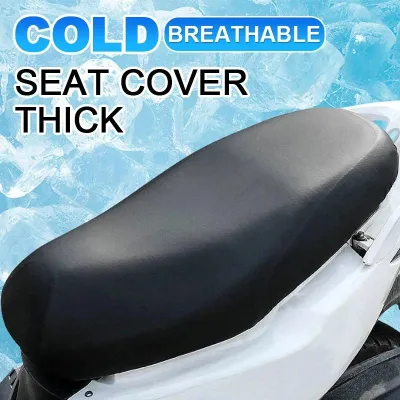
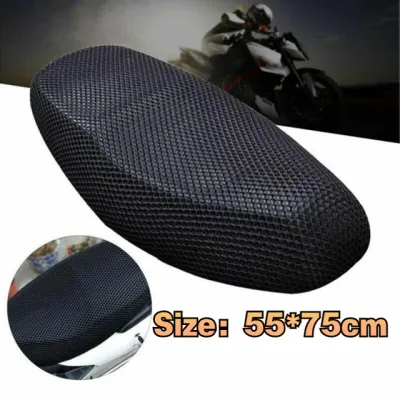
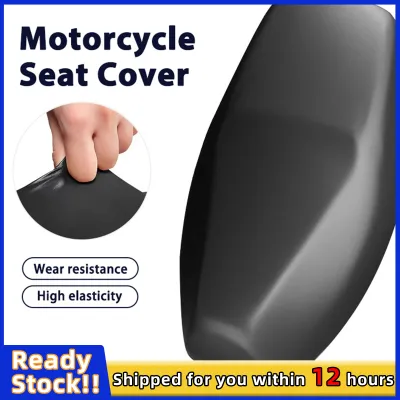
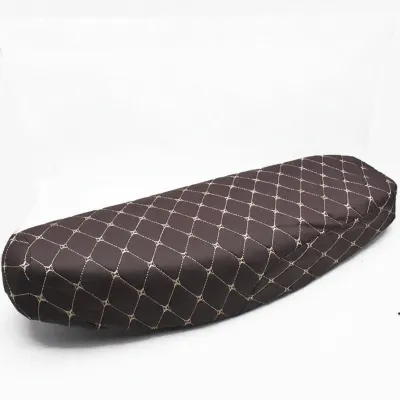
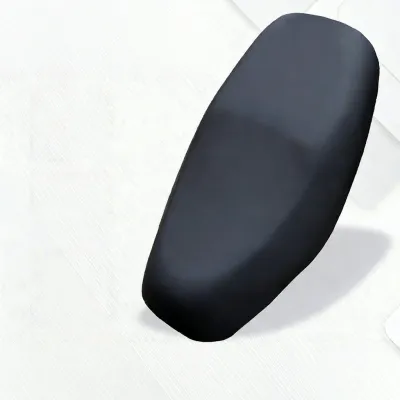
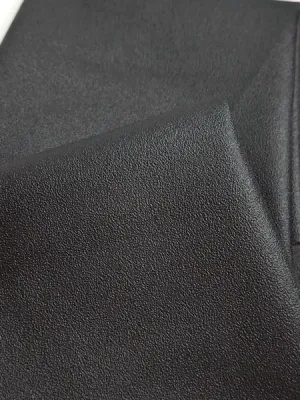
Prices are valid at publication and may change. Please refer to the product page for the latest price.
Understanding Leather Types and Material Quality
Evaluating the material is the first step in selecting a durable seat cover. Manufacturers use several terms to describe their products, and understanding these labels is crucial for setting realistic expectations regarding lifespan and maintenance.
Genuine Leather
Genuine leather offers a premium feel, natural breathability, and a classic aesthetic that ages uniquely over time. However, because it is a natural, porous material, it is highly sensitive to moisture and UV exposure. In humid environments, untreated genuine leather can absorb water, leading to mold growth, structural weakening, and eventual cracking if not regularly conditioned. If you choose genuine leather, verify that the product has been treated with a water-repellent finish during manufacturing.
Polyurethane (PU) Leather
Polyurethane (PU) leather is a synthetic alternative designed to mimic the texture and appearance of genuine leather at a lower price point. It is generally more water-resistant than untreated genuine leather and is easy to wipe clean. The primary trade-off is durability under extreme heat; lower-quality PU leather can become brittle, bubble, or peel after prolonged exposure to direct sunlight. When evaluating PU options, look for labels indicating UV-stabilized coatings or high-density synthetic layers.
Marine-Grade Synthetic Vinyl
Marine-grade synthetic vinyl is often marketed alongside leather covers due to its textured leather-like appearance. This material is engineered specifically for harsh outdoor environments, offering high resistance to water penetration, UV degradation, and mildew. While it lacks the natural breathability of genuine leather, it is highly durable and requires minimal maintenance, making it a practical choice for daily commuters who park their motorcycles outdoors.
Quality Inspection Checks
Before purchasing, or immediately upon receiving your seat cover, perform these physical and visual quality checks:
- Stitching Integrity: Inspect the seams for double-stitching or reinforced thread. Loose or uneven stitches are primary failure points under tension.
- Edge Finishing: Ensure the edges are cleanly cut, folded, or bound to prevent fraying and unraveling over time.
- Thickness Consistency: Feel the material across different sections to confirm uniform thickness. Thin spots are highly susceptible to tearing at high-stress contact points.
- Underside Backing: Check for a soft fabric or non-slip mesh backing. A rough underside can abrade your motorcycle's original seat foam during rides.
Verifying Fitment and Installation Compatibility
An ill-fitting seat cover is more than an aesthetic issue; it is a safety hazard. A cover that slides or bunches up can compromise your control of the motorcycle during acceleration, cornering, and braking.

Model-Specific vs. Universal Fit
Always prioritize seat covers designed specifically for your motorcycle’s exact make, model, sub-model, and production year. Motorcycle seats vary widely in contour, length, width, and taper. A universal slip-on cover relies on elastic stretch to fit multiple shapes, which often results in loose pockets of material or excessive tension that can tear the seams. Custom-molded covers are patterned to match the precise geometry of your specific seat, ensuring a taut, secure fit.
Installation Mechanisms
Different seat covers utilize distinct mounting methods, which dictate the difficulty of installation and the permanence of the modification:
- Elastic and Drawstring Bands: Common on temporary or universal covers. They are easy to install and remove but are prone to shifting over time and may not provide a perfectly smooth surface.
- Tension Straps and Hook-and-Loop Fasteners: These run underneath the seat pan, allowing you to pull the cover tight and secure it. They offer a more stable fit than simple elastic bands without requiring permanent alterations.
- Staple-Down Replacements: These require removing the original seat cover entirely. The new leather cover is stretched tightly over the foam and secured to the plastic underside of the seat pan using heavy-duty staples. This method provides the cleanest, most professional look but requires specialized tools and patience.
Safety and Professional Installation Boundaries
Modifying your motorcycle’s seat can alter your riding height, reach to the ground, and weight distribution. Always consult your motorcycle’s original owner’s manual before removing or modifying the seat assembly to ensure you do not interfere with under-seat electronics, battery terminals, or mounting brackets.
If a seat cover requires extensive stretching with a heat gun, shaving of the underlying foam, or pneumatic stapling, consider taking the seat to a qualified professional upholsterer. Improper DIY installation can trap moisture beneath the cover, damage the seat pan, or result in a loose surface that compromises your riding safety.
Assessing Comfort, Ergonomics, and Weather Performance
A motorcycle seat cover must perform well under real-world riding conditions. This involves evaluating how the material handles physical pressure, rider movement, and environmental exposure.
Ergonomics and Padding
If you frequently embark on long rides, a thin leather cover placed directly over hard seat foam may lead to fatigue. Look for seat covers that incorporate integrated comfort layers, such as high-density foam inserts, gel pads, or memory foam. These additions help distribute your weight more evenly and reduce pressure points. However, keep in mind that added padding will slightly increase your seat height, which may affect your ability to plant your feet flat on the ground when stopped.
Anti-Slip Surface Treatments
Maintaining a stable riding position is essential for safe vehicle control. Smooth, highly polished leather can be slippery, causing you to slide forward during hard braking or backward during rapid acceleration. Look for seat covers featuring textured center panels, ribbed designs, or specialized anti-slip backing materials. These textures provide the necessary friction to keep you securely in place without restricting your ability to shift your weight naturally during cornering.
Weather Resilience in Tropical Climates
For riders in tropical regions like the Philippines, weather performance is a primary concern. The combination of intense solar heat, high humidity, and sudden, heavy downpours puts immense stress on seat materials.
When parking under direct sunlight, dark leather covers can absorb significant heat, making the seat uncomfortable to sit on. Look for covers that specify heat-resistant coatings or lighter color options if you frequently park outdoors. To handle heavy rain, verify if the cover features sealed or taped seams to prevent water from seeping into the underlying seat foam, which can take days to dry and lead to unpleasant odors.
Building Your Shortlist: Pre-Purchase Verification Checklist
Before finalizing your purchase from an online marketplace or a local accessory shop, use this structured checklist to verify the product’s suitability and protect your investment.
- [ ] Confirm Exact Dimensions: Cross-reference the manufacturer's listed dimensions and compatibility charts with your motorcycle's physical seat measurements. Do not rely solely on generic model names.
- [ ] Verify Material Composition: Read the product description carefully to distinguish between genuine leather, PU leather, and synthetic vinyl. Avoid products with vague labels like "leather-feel" or "leather-style" without explicit material specifications.
- [ ] Check Seam Construction: Look for product photos or specifications confirming double-stitched, taped, or water-sealed seams to ensure water resistance and durability.
- [ ] Review the Return Policy: Ensure the seller offers a clear return or exchange policy. Many retailers will not accept returns once the seat cover has been stretched, stapled, or modified during an installation attempt.
- [ ] Analyze Customer Feedback: Search user reviews for recurring mentions of fitment issues, premature peeling, color fading under the sun, or stitching failures. Pay close attention to reviews from buyers who ride the same motorcycle model as you.
- [ ] Assess Budget Realities: High-quality synthetic covers and genuine leather options generally range from ₱500 to ₱2,500 or more depending on the complexity and brand. Extremely cheap options often compromise on UV resistance and stitching strength, leading to premature replacement costs.
Frequently Asked Questions (FAQ)
Can I install a leather seat cover myself, or do I need a professional?
Whether you can install a seat cover yourself depends entirely on the cover’s design and your comfort level with basic hand tools. Slip-on covers with elastic bands or tension straps are designed for straightforward, tool-free DIY installation.
However, full replacement covers that require stapling to the plastic seat pan demand a high level of precision. If the installation instructions specify using a heavy-duty staple gun, stretching the material with a heat gun to remove wrinkles, or trimming excess foam, hiring a professional upholsterer is highly recommended. A professional ensures the cover is tensioned evenly, preventing loose spots that can slide during rides or tight spots that might tear prematurely.
How do I clean and maintain a leather motorcycle seat cover?
Always consult the manufacturer’s specific care label and instructions before applying any cleaning agents or conditioners to your seat cover, as improper chemical use can damage protective coatings.
For general maintenance, wipe the cover regularly with a clean, damp microfiber cloth to remove dust, sweat, and road grime. Avoid using harsh household detergents, dish soaps, or alcohol-based cleaners, which can strip away plasticizers in synthetic leather or dry out genuine leather. If the manufacturer explicitly approves it for your specific material type, you can apply a mild, pH-neutral leather cleaner followed by a UV-protectant conditioner to help prevent cracking and fading caused by sun exposure.

Community discussion
Share your experience or ask a question. Comments are reviewed before publication.