
Finding the best motorcycle half cover for outdoor parking in the Philippines requires balancing robust weather resistance with daily portability. The local climate presents a harsh environment for parked two-wheelers, characterized by intense tropical sunlight, sudden torrential downpours, and high ambient humidity. While a full cover offers maximum coverage, it is often bulky to carry and time-consuming to pack during a daily commute. A high-quality half cover solves this problem by shielding the most vulnerable components—the dashboard, handlebars, electronic switches, and seat—while remaining compact enough to store under a seat or in a small top box.
Protecting these upper areas is critical for maintaining your motorcycle’s longevity and resale value. Prolonged exposure to extreme ultraviolet (UV) rays degrades plastic instrument clusters, causing digital displays to fade or cloud over, and makes vinyl seats brittle and prone to cracking. Meanwhile, heavy rain can seep into handlebar switchgear, leading to electrical corrosion or short circuits. By choosing a half cover designed specifically to withstand these tropical elements, you can keep your motorcycle dry, cool, and ready to ride at a moment’s notice.
To make an informed purchase, you must evaluate key specifications such as fabric coatings, seam construction, sizing dimensions, and securing mechanisms. Since product quality varies widely across online marketplaces and local automotive shops, knowing what details to verify on the manufacturer’s label is essential. This guide outlines the critical features to look for, helping you select a durable half cover that fits your motorcycle perfectly and stands up to the demanding Philippine weather.
Products mentioned in this guide
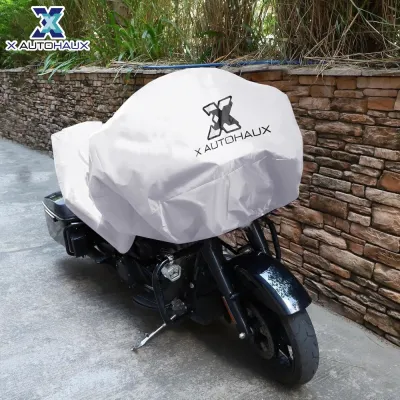
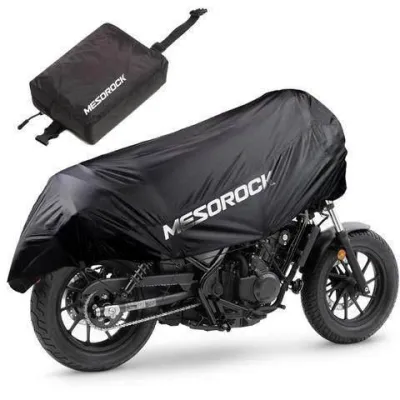
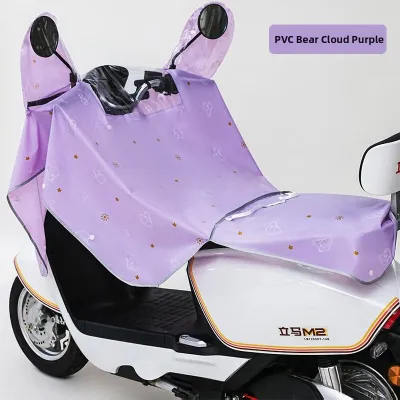
Prices are valid at publication and may change. Please refer to the product page for the latest price.
Essential Material and Weather Protection Features
When evaluating a motorcycle half cover, the fabric composition is your first line of defense against the elements. Look for manufacturer specifications that explicitly mention UV-treated fabrics or heat-reflective coatings. Many high-quality covers utilize a silver or aluminum-coated outer layer that bounces solar radiation away from the motorcycle. This reflective barrier significantly lowers the temperature of your seat and dashboard, preventing the buildup of extreme heat that can warp plastic components or make the seat painfully hot to sit on after hours of parking in an open lot.
Waterproofing is equally vital, but it must be balanced with breathability. A completely sealed, non-breathable cover can trap moisture rising from the warm ground or evaporating from a damp motorcycle. This trapped condensation creates a humid microclimate under the cover, which can accelerate the corrosion of electrical contacts and encourage mold growth on seat covers. To prevent this, look for covers that feature breathable fabrics, integrated ventilation flaps, or mesh vents. These design elements allow moisture vapor to escape while preventing rain from entering from the outside.
The thickness and weave of the fabric, often measured in denier (D), indicate its overall durability and resistance to tearing. A higher denier rating, such as 210D or 300D polyester, generally offers better resistance to wind, friction, and environmental wear than thinner materials. However, even the toughest fabric will fail if the seams are weak. Examine the stitching details on product listings or packaging. The best half covers feature double-stitched seams that are reinforced with waterproof tape or heat-sealed on the underside. This construction prevents water from dripping through the needle holes during heavy monsoon rains.
Additionally, pay attention to the inner lining of the cover. While the outer layer must be tough and weather-resistant, the inner surface should be soft enough to prevent scratching your motorcycle’s windshield, paintwork, or instrument cluster. Some premium options feature a soft microfiber or brushed polyester lining on the areas that contact sensitive surfaces. If you choose a cover with a standard synthetic lining, ensure it is kept clean, as trapped dirt and grit on the inside of the cover can act like sandpaper when rubbed against your bike by the wind.
Sizing, Fit, and Motorcycle Compatibility
Achieving a proper fit is essential for a half cover to function effectively. A cover that is too loose will flap violently in the wind, potentially scratching your paint or blowing away entirely, while a cover that is too tight will strain the seams and may not cover the dashboard or seat completely. Before purchasing, do not rely solely on generic size labels like “Medium” or “Large.” Instead, use a flexible measuring tape to determine your motorcycle’s actual dimensions, focusing on the handlebar width, the height from the ground to the top of the mirrors or windshield, and the total length of the seat.

Compare your measurements directly with the manufacturer’s detailed sizing chart. Keep in mind that different motorcycle styles have distinct profiles that affect how a half cover sits. For instance, a scooter with a wide front fairing and a low step-through frame requires a different fit than a standard underbone or a backbone street bike with high handlebars. The cover should drape low enough to shield the entire handlebar assembly, the instrument panel, the fuel tank cap, and the entire seating area, securing tightly around the edges without leaving large gaps.
To ensure the cover stays in place, look for robust securing mechanisms. Elasticized hems at the front and rear of the cover allow it to grip the contours of your motorcycle snugly. Adjustable buckle straps that pass underneath the chassis or seat provide essential wind resistance, preventing the cover from being lifted by strong drafts. Some designs also feature adjustable drawstrings or shock cords that allow you to fine-tune the tension around the perimeter of the cover, ensuring a customized fit regardless of your bike’s specific shape.
You must also account for any aftermarket accessories installed on your motorcycle. Items such as extended touring windshields, wide auxiliary light brackets, crash guards, or a rear top box significantly alter the bike’s dimensions. If you have a top box installed, a standard half cover designed for a stock motorcycle will likely not stretch far enough to cover both the box and the dashboard. In this case, look for specialized half covers that feature an expandable rear section or size up to accommodate the extra volume, ensuring that all critical components remain fully protected.
Security, Wind Resistance, and Daily Convenience
Outdoor parking in public areas, roadside slots, or shared carports exposes your motorcycle and its accessories to security risks. A high-quality half cover should include features that deter theft and tampering. Look for reinforced grommets or heavy-duty lock holes built into the fabric, typically located near the front wheel or the center of the cover. These openings allow you to thread a cable lock, U-lock, or disc lock through both the cover and the motorcycle’s frame or wheel. This not only secures the bike itself but also prevents opportunistic thieves from stealing the cover.
Wind resistance is another critical factor, especially during the typhoon season or sudden afternoon thunderstorms. Strong gusts can easily get underneath a half cover, creating a sail effect that can tip the motorcycle over or tear the fabric. To mitigate this, ensure the cover has heavy-duty windproof straps with quick-release buckles that anchor the cover firmly to the bike’s frame or footpegs. Additionally, look for covers with integrated reflective strips or high-visibility piping. These elements make your parked motorcycle visible to other motorists at night or during heavy downpours, reducing the risk of accidental collisions in dimly lit parking areas.
Daily convenience is what ultimately determines whether you will use your half cover consistently. Since you will likely be putting the cover on and taking it off multiple times a day, the process should be quick and straightforward. Lightweight materials like high-density polyester are easier to handle and fold than heavy, stiff fabrics. Check the folded dimensions of the cover and verify if it comes with a compact, water-resistant storage bag. The packed cover should fit easily inside your under-seat compartment, a top box, or a backpack without occupying excessive space, leaving room for your helmet and rain gear.
Furthermore, consider how quickly the fabric dries. In a tropical climate, you may need to pack the cover away shortly after a heavy rain shower to head to your next destination. A cover made from hydrophobic materials that shed water quickly allows you to shake off excess moisture before folding it, preventing water from pooling inside your storage compartment. This quick-drying capability is essential for maintaining a clean, odor-free storage area on your motorcycle.
Building Your Shortlist: What to Check Before Buying
When you are ready to purchase a motorcycle half cover from an online marketplace or a local automotive supply shop, creating a checklist will help you compare options effectively. Start by reading user reviews critically, focusing on long-term feedback rather than initial impressions. Look for comments and photos from buyers who own the same motorcycle model as yours. Pay close attention to reports regarding how well the seams hold up over several months of daily use, whether the straps degrade under constant sun exposure, and if the fabric retains its water resistance after multiple heavy downpours.
Establish a realistic budget in Philippine Pesos (₱) to guide your selection. While you can find very cheap covers, they often lack essential features like UV-reflective coatings, taped seams, or durable buckles, meaning they may need replacement within a few months. Mid-range to premium half covers, typically priced between ₱400 and ₱1,200, generally offer a much better balance of durable materials, secure fastening systems, and reliable weatherproofing. Weighing the initial cost against the expected lifespan of the cover and the protection it offers to your expensive dashboard electronics makes investing in a higher-quality option more economical in the long run.
Always verify the seller’s return and exchange policies before finalizing your purchase. Even with careful measurements, you may find that the cover does not fit perfectly due to the specific angle of your mirrors, the height of an aftermarket windshield, or the shape of your seat. A flexible return policy ensures you can exchange the cover for a different size without hassle. Additionally, check if the manufacturer offers any warranty or satisfaction guarantee, which serves as an indicator of their confidence in the product’s durability and manufacturing quality.
Finally, inspect the physical product upon delivery or purchase. Check the stitching for loose threads, test the buckles to ensure they snap securely, and examine the inner lining to confirm it is smooth and free of abrasive textures. If you notice any defects, such as untaped seams or thin, uneven coatings, contact the seller immediately for a replacement. Taking these precautionary steps ensures that your investment provides reliable, long-lasting protection for your motorcycle.
Frequently Asked Questions (FAQ)
Can a half cover protect the motorcycle engine and exhaust?
No, a motorcycle half cover is designed specifically to protect only the upper portion of the vehicle, including the handlebars, dashboard, controls, and seat. It does not extend low enough to cover the engine, exhaust pipe, or wheels. Because of this design, you must observe an important safety boundary: never drape a half cover—or any cover—over a hot engine or exhaust pipe immediately after riding. The extreme heat can melt the synthetic fabrics, damage your motorcycle’s finish, and create a serious fire hazard. Always allow your motorcycle’s engine and exhaust to cool down completely before fitting the cover.
How do I clean and store a motorcycle half cover after heavy rain?
To prolong the lifespan and maintain the waterproofing of your half cover, proper maintenance is essential. After a heavy rain, do not fold and store the cover while it is still wet, as this promotes the growth of mold, mildew, and unpleasant odors. Instead, hang the cover in a shaded, well-ventilated area to air-dry completely before folding. To clean off road grime, dust, or mud, wipe the surface gently with a soft cloth or sponge using clean, lukewarm water. Avoid using harsh chemical detergents, bleach, or stiff brushes, and never wash the cover in a washing machine, as these actions can strip away the specialized UV-reflective coatings and waterproof sealants.

Community discussion
Share your experience or ask a question. Comments are reviewed before publication.