
Upgrading the exhaust sound of your Honda PCX 160 is one of the most popular modifications for riders in the Philippines. A well-chosen muffler tip can transform the scooter’s quiet, factory hum into a deeper, more commanding tone that enhances your presence on the road. However, modifying your exhaust system requires a careful balance between achieving the desired acoustic profile and staying within the strict legal boundaries enforced by the Land Transportation Office (LTO) and local government units (LGUs). Selecting the right muffler tip style involves understanding how exhaust dynamics work, how different designs alter sound waves, and how to verify compliance before riding out on public roads.
To make an informed decision, you must look beyond aesthetics and focus on the internal construction of the muffler tip, its compatibility with your PCX 160’s engine specifications, and the specific testing methods used by law enforcement. Choosing a style that includes adjustable sound-dampening features, such as a removable decibel (dB) killer, provides the flexibility needed to enjoy an upgraded exhaust note without risking heavy fines, impoundment, or registration delays.
Understanding Philippine Motorcycle Noise Regulations
Before purchasing any aftermarket exhaust component for your PCX 160, you must understand the legal framework governing vehicle noise in the Philippines. The Land Transportation Office (LTO) enforces national guidelines aimed at curbing noise pollution on public highways. Under standard LTO regulations, the maximum allowable noise level for motorcycles is typically set at 99 decibels (dB), measured at a specific distance and angle from the exhaust outlet while the engine is running at a designated RPM. However, these national standards represent the absolute upper limit, and many local government units (LGUs) across various cities and provinces enforce their own, often stricter, noise ordinances.
Products mentioned in this guide
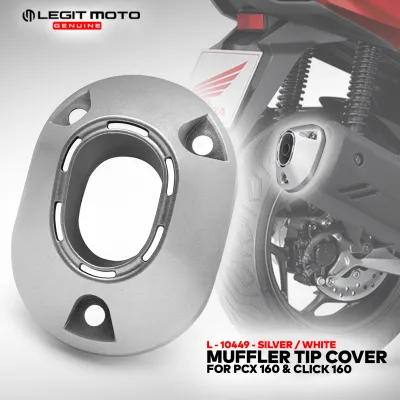
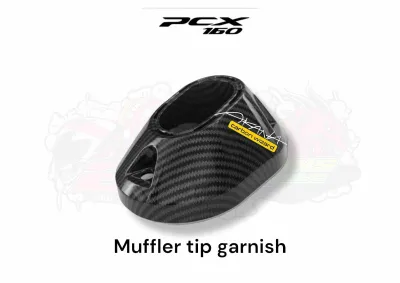
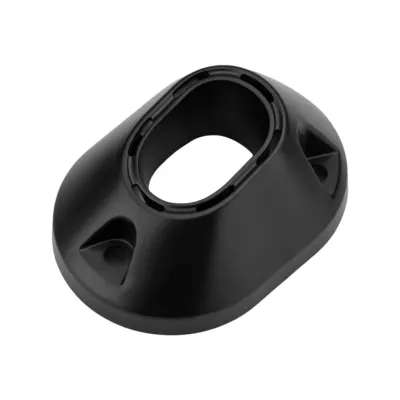

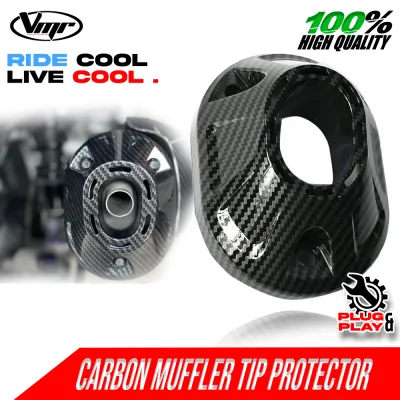
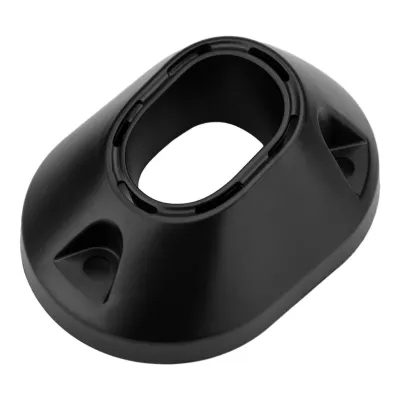
Prices are valid at publication and may change. Please refer to the product page for the latest price.
Roadside enforcement in the Philippines has become increasingly systematic, with law enforcement officers utilizing calibrated sound level meters during checkpoints, commonly referred to as “Oplan Tambutso.” During a typical inspection, the testing officer places the decibel meter at a 45-degree angle, approximately 0.5 meters away from the exhaust tip. The engine is then revved to a specific RPM—usually half of the engine’s maximum rated power speed—to obtain an accurate reading. If your PCX 160 exceeds the local or national limit during this test, you may face immediate penalties.
The consequences of operating a non-compliant motorcycle can be severe and highly inconvenient. Penalties often include substantial monetary fines, which can range from ₱1,000 to ₱5,000 or more depending on the jurisdiction and whether it is a repeat offense. In addition to fines, law enforcement officers may confiscate the non-compliant exhaust system on the spot or impound the motorcycle until a stock or fully compliant exhaust is reinstalled. Furthermore, a flagged exhaust system can lead to complications during your annual LTO registration renewal, as emission and inspection centers will reject vehicles that fail basic noise and safety standards.
How Muffler Tip Styles Affect Sound and Compliance
The physical design and internal structure of a muffler tip are the primary factors that determine both the quality of the sound produced and the likelihood of passing a roadside decibel test. For the PCX 160, aftermarket muffler tips generally fall into two main categories: slip-on systems with integrated, adjustable baffles, and open, straight-through designs. Understanding the mechanical differences between these styles is essential for predicting how they will perform under legal scrutiny.

Slip-on muffler tips equipped with removable baffles, commonly known as dB killers, offer the most practical path to legal compliance. These systems feature an internal insert—usually a perforated metal tube wrapped in sound-absorbing material—that restricts the path of exhaust gases. This restriction forces the sound waves to bounce around inside the muffler body, dissipating their energy and lowering the overall volume. The primary advantage of this style is adjustability; you can keep the baffle installed for daily commuting in urban areas to ensure compliance, and easily remove or adjust it in controlled, off-road environments where noise regulations do not apply.
In contrast, straight-through or open muffler tips feature a completely unobstructed internal path from the inlet to the outlet. While this design minimizes backpressure and can produce a loud, aggressive racing tone, it carries an exceptionally high risk of violating Philippine noise limits. Without internal baffling or sound-dampening chambers, the raw combustion noise of the PCX 160’s single-cylinder engine is projected directly outward. This style almost always exceeds the 99 dB limit, making your scooter an immediate target for law enforcement at roadside checkpoints. Additionally, the lack of backpressure in an open pipe can actually hurt the low-end torque of a stock PCX 160, reducing real-world performance during stop-and-go city riding.
The materials and overall shape of the muffler tip also play a significant role in shaping the exhaust tone, even if they do not directly control the raw volume. Muffler tips constructed from carbon fiber or high-grade aluminum tend to absorb high-frequency vibrations, resulting in a deeper, bassier, and more refined sound profile. Stainless steel tips, while highly durable and resistant to the tropical humidity of the Philippines, often produce a slightly brighter, crisper tone. The shape of the tip—such as a tri-oval, slash-cut, or dual-outlet design—influences how the sound waves disperse as they exit the exhaust system. However, regardless of the material or shape, you must never assume that a premium material automatically guarantees legal compliance; the presence of a functional, high-quality baffle remains the single most important factor in keeping decibel levels within legal limits.
Key Features to Check Before Buying a PCX 160 Muffler Tip
When shopping for a PCX 160 muffler tip on online marketplaces or at local motorcycle accessory shops, you must approach the purchase with a strict verification checklist. Because compatibility and legality cannot be inferred from generic product titles or category terms, you must carefully examine the manufacturer’s specifications and product documentation before making a decision.
First, look for manufacturer-stated decibel ratings or compliance certifications on the product packaging or official documentation. Reputable manufacturers often test their exhaust systems on specific motorcycle models and provide clear data indicating the decibel output with the baffle installed. While these ratings are highly useful, remember that they are often recorded under controlled laboratory conditions. In the humid, high-temperature environment of the Philippines, real-world sound levels can vary, so treat these ratings as a baseline guide rather than an absolute guarantee of roadside compliance.
Second, verify the exact fitment specifications for your specific PCX 160 model year. The PCX 160 has precise mounting positions on the swingarm and a specific exhaust header interface. A muffler tip that does not fit perfectly can lead to exhaust leaks at the joint. These leaks allow high-pressure exhaust gases to escape before passing through the baffling system, which artificially increases the noise level and can cause a popping sound during deceleration. Ensure the product description explicitly states compatibility with the PCX 160 and check the inlet diameter (commonly 51mm for aftermarket mid-pipes) to ensure a seamless connection.
Finally, evaluate the availability of replacement parts and maintenance accessories for the specific muffler tip you choose. Over time, the internal sound-dampening materials, such as fiberglass packing or ceramic wool, will degrade due to heat and exhaust moisture. If the manufacturer does not offer replacement baffles, gaskets, or packing kits, you may find yourself with an exhaust system that gradually becomes louder and eventually fails compliance tests. Choosing a brand that supports its products with readily available spare parts ensures that you can maintain legal compliance and optimal sound quality over the long term.
Installation and Maintenance to Maintain Legal Compliance
Proper installation and routine maintenance are just as critical to keeping your PCX 160 exhaust legal as the design of the muffler tip itself. Even the highest-quality, fully baffled exhaust system can fail a roadside decibel test if it is poorly installed or neglected. Following correct procedures ensures that your scooter remains quiet, efficient, and safe to operate.
During installation, you must ensure a completely airtight seal at every joint in the exhaust system. Always use a new, high-quality copper exhaust gasket at the cylinder head port and apply high-temperature exhaust sealant at the slip-on joint where the muffler tip connects to the header pipe. Secure all clamps and mounting brackets to the manufacturer’s specified torque settings. Any gap, loose clamp, or worn gasket will allow exhaust gases to escape prematurely, creating a loud, raspy leak that can easily push your decibel readings past the legal limit.
Because modifying the exhaust system can alter engine backpressure, emissions, and overall safety, you must always consult your original-vehicle owner’s manual before proceeding with any installation. If you are not experienced with motorcycle mechanics, it is highly recommended to seek qualified professional installation at a reputable service center. A professional technician will ensure that the exhaust header is aligned correctly, preventing stress on the cylinder head studs, and will verify that the oxygen (O2) sensor is properly reinstalled. The PCX 160 relies on its O2 sensor to adjust the air-fuel mixture; damaging or bypassing this sensor can cause the engine to run too lean, leading to overheating, poor performance, and potential engine damage.
Once installed, routine maintenance is essential to preserve both the sound quality and the legal compliance of your exhaust. Periodically inspect the muffler tip for any signs of physical damage, such as loose rivets, cracked welds, or rust. In the tropical climate of the Philippines, heavy rain and high humidity can accelerate corrosion, particularly around joints and mounting brackets. Additionally, listen closely for any changes in the exhaust note over time. If the sound becomes noticeably louder, raspy, or hollow, it is a clear indication that the internal sound-absorbing packing has burned out or degraded. Repacking the muffler with fresh fiberglass or ceramic wool will restore its sound-dampening capabilities and keep your PCX 160 running within legal decibel limits.
Frequently Asked Questions (FAQ)
Can I use a straight-pipe muffler tip on my PCX 160 if I only ride in rural areas?
No, you should not use a straight-pipe muffler tip even if you primarily ride in rural or provincial areas. While it is true that roadside enforcement and LTO checkpoints may be less frequent in remote provinces compared to major metropolitan areas, national laws regarding vehicle modifications and noise limits apply uniformly across the entire territory of the Philippines. Local barangays and municipal police forces in rural areas are increasingly adopting local quiet hours and noise ordinances to address community complaints about loud exhausts.
Furthermore, riding with a straight-pipe exhaust exposes you to significant legal and financial risks whenever you travel between municipalities or transit through major highways where LTO checkpoints are active. If you are stopped at a checkpoint, the lack of geographic exemptions means you will face the same fines, confiscation of the exhaust, or vehicle impoundment as you would in a major city. To ensure worry-free riding across all regions, always choose a muffler tip that utilizes a functional baffle or dB killer.
Will changing just the muffler tip void my PCX 160 warranty?
Modifying your PCX 160’s exhaust system by installing an aftermarket muffler tip can potentially affect your manufacturer’s warranty, depending on the specific terms of your warranty agreement and the nature of any future mechanical issues. Generally, motorcycle manufacturers in the Philippines operate under policies where modifications do not automatically void the entire vehicle warranty; instead, the warranty is voided for any components or systems that fail as a direct result of the aftermarket modification.
For example, if you install an aftermarket muffler tip and later experience an electrical issue with your digital instrument cluster, your warranty should still cover the repair. However, if the modification alters exhaust backpressure to the point where the engine runs excessively lean, leading to burnt valves or piston damage, the dealer is highly likely to deny warranty coverage for those engine repairs. To protect your investment, always consult your authorized dealer’s service department before making modifications, and consider keeping your stock exhaust system intact so you can easily reinstall it if diagnostic work or warranty service is required.

Community discussion
Share your experience or ask a question. Comments are reviewed before publication.