
To ride safely and legally on Philippine roads, choosing a half head helmet requires verifying its official safety certifications before looking at the price tag. A budget-friendly helmet does not have to mean a compromised helmet. By focusing on essential protective components—such as a robust outer shell and a dense impact-absorbing liner—and skipping non-essential aesthetic upgrades, you can find an affordable option that meets strict national safety standards. This guide walks you through the process of verifying safety marks, balancing your budget, inspecting physical build quality, and maintaining your gear for long-term road safety.
Understanding Safety Certifications for Half Head Helmets
In the Philippines, motorcycle helmets must comply with specific safety standards enforced by the Department of Trade and Industry (DTI). For locally manufactured or officially distributed helmets, look for the Philippine Standard (PSB) mark. For imported helmets, look for the Import Commodity Clearance (ICC) sticker. These marks are not merely decorative; they signify that the helmet model has undergone rigorous impact, penetration, and retention tests to protect your head during a collision.
Distinguishing a genuine certification mark from a counterfeit sticker requires close inspection. Genuine ICC and PSB stickers typically feature security elements, such as holographic patterns that shift color under light, unique serial numbers, and clear, crisp printing that does not easily peel off. Counterfeit stickers are often flat, poorly printed, lack serial numbers, or are easily scratched away with a fingernail. Always inspect the sticker closely before purchasing any helmet, especially when buying from smaller retail shops or online marketplaces.
Products mentioned in this guide
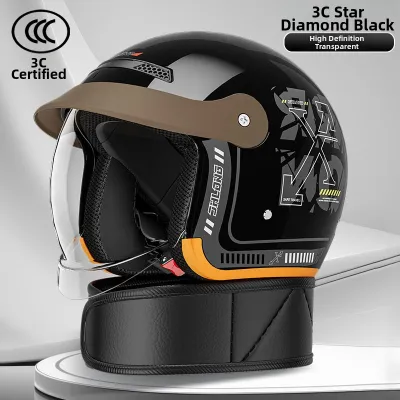
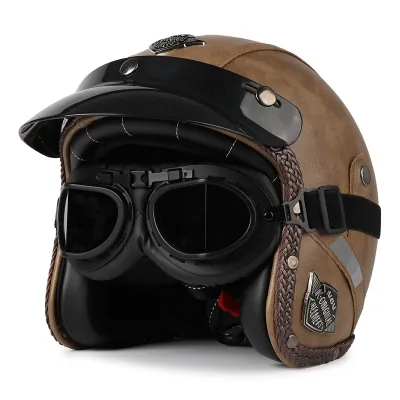
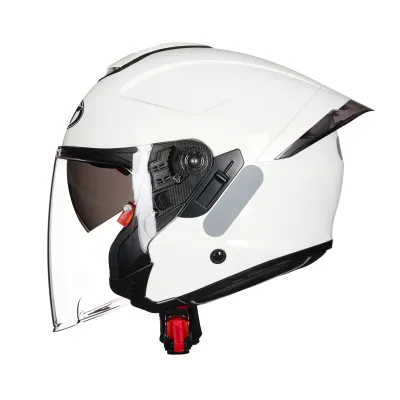
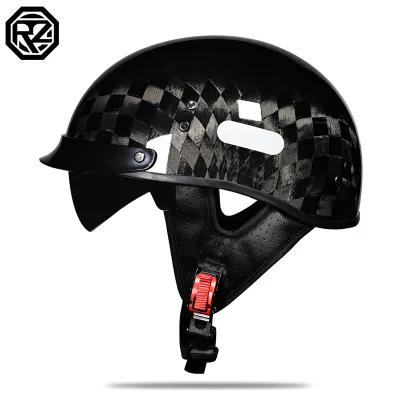
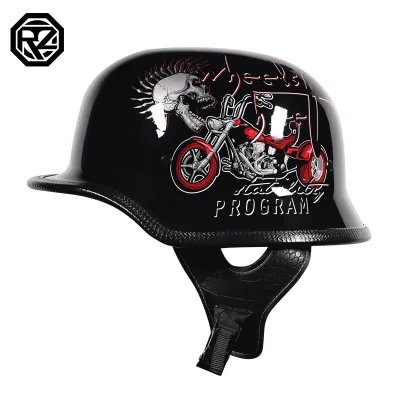
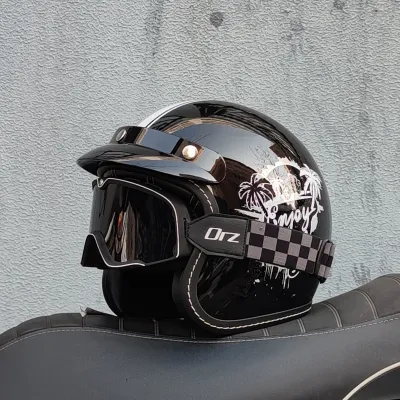
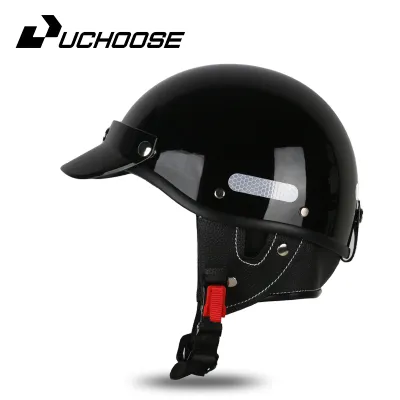
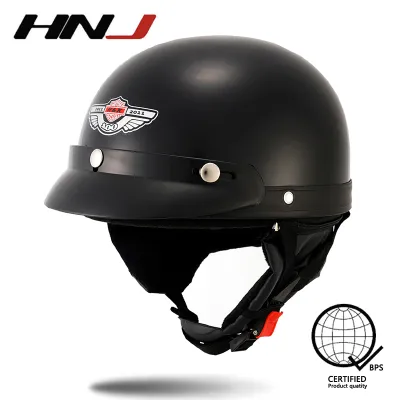
Prices are valid at publication and may change. Please refer to the product page for the latest price.
To verify the authenticity of a helmet’s certification, you can cross-reference the serial number or the helmet model with official government databases. The DTI periodically releases lists of certified helmet brands and models that have received valid ICC certificates or PSB licenses. You can check these lists on official government websites or request verification from authorized distributors. If a brand or specific model does not appear on these official registries, the helmet should not be trusted for road use, regardless of any stickers affixed to it.
Riding with an uncertified or counterfeit half head helmet carries severe legal and physical consequences. Under the Republic Act No. 10054, or the Motorcycle Helmet Act of 2009, all motorcycle riders must wear standard protective motorcycle helmets while riding. Traffic enforcers, including those from the Land Transportation Office (LTO) and local government units, actively check for valid ICC or PSB stickers during routine stops. Operating a motorcycle with an uncertified helmet can result in hefty fines, confiscation of your driver’s license, or impoundment of your vehicle. More importantly, a non-certified helmet lacks the structural integrity to absorb impact forces, greatly increasing the risk of severe head trauma in an accident.
Setting Budget Priorities and Acceptable Trade-offs
When shopping on a budget, you must distinguish between features that protect your life and features that merely add convenience or style. The most critical, non-negotiable component of any half head helmet is its protective core. This consists of a high-impact outer shell, usually made of high-grade polycarbonate or ABS plastic, and a thick Expanded Polystyrene (EPS) inner liner. The outer shell deflects sharp objects and distributes the force of an impact, while the EPS liner collapses slowly to absorb the kinetic energy before it reaches your skull. Never buy a helmet that feels flimsy, flexes easily when squeezed, or has an exceptionally thin EPS liner, as these are clear signs of substandard protection.

Fortunately, you can make several acceptable compromises to keep the purchase price low without sacrificing safety. For instance, choosing a helmet with a traditional double D-ring retention system is often more affordable than buying one with a complex micrometric quick-release buckle. Double D-ring fasteners are highly secure, mechanically simple, and rarely fail, making them an excellent budget-friendly choice. Additionally, you can opt for a helmet with a basic, removable, and washable fabric liner rather than paying extra for advanced moisture-wicking, anti-bacterial, or premium branded textiles. As long as the liner keeps the helmet snug and can be cleaned regularly, a simpler fabric is perfectly adequate for daily commuting.
On the other hand, there are several premium features that budget-conscious riders should avoid. Intricate, licensed graphic designs and custom paint jobs can add thousands of pesos to the price of a helmet without offering any additional safety benefits. Choosing a solid, high-visibility color like white, yellow, or neon orange not only saves money but also improves your visibility to other motorists on busy roads. You should also avoid paying extra for non-functional aerodynamic spoilers, decorative plastic vents that do not actually improve airflow, or unverified built-in Bluetooth speakers in low-end price brackets. These cheap electronic add-ons often fail quickly in tropical weather and divert manufacturing budget away from the helmet’s primary safety structures.
Evaluating Build Quality and Fit Within Your Price Range
Whether you are shopping at a physical motorcycle accessory store or browsing online marketplaces, evaluating the physical build quality of a half head helmet is essential. Start by inspecting the outer shell for any visible seams, cracks, or uneven molding, which indicate poor manufacturing quality control. Press your fingers firmly against the EPS liner inside the helmet; it should feel dense, firm, and uniform throughout, without any soft spots or hollow gaps. Test the visor mechanism by raising and lowering the shield several times. The movement should feel smooth and positive, and the visor should lock securely into place without wobbling or slipping down under light pressure.
A helmet can only protect you if it fits your head correctly. To find your correct size, use a flexible measuring tape to measure the circumference of your head at its widest point, which is usually about two centimeters above your eyebrows and ears. Compare this measurement to the manufacturer’s specific sizing chart, as sizes can vary significantly between different brands. When you try the helmet on, it should feel snug around your entire head, with even pressure on your forehead, temples, and the back of your head. It should not pinch, cause pain, or leave red marks after a few minutes of wear. If you shake your head side to side, the helmet should move with your skin rather than sliding independently.
If you choose to buy your helmet from an online ecommerce platform, you must take extra precautions to ensure you receive the correct size and a genuine product. Before clicking the checkout button, carefully read the seller’s return, refund, and exchange policies regarding sizing issues. Reputable online sellers will allow you to exchange a helmet for a different size as long as the original tags, protective films, and packaging remain intact. Always check customer reviews for photos of the actual product, paying close attention to the presence of the ICC or PSB sticker and the overall packaging quality. If a seller does not offer a clear return policy for sizing or refuses to provide photos of the safety certification marks, it is best to look elsewhere.
Hidden Costs and Maintenance for Long-Term Value
The initial purchase price of a half head helmet is not the only cost you should consider. Depending on the model you choose, you may need to budget for essential accessories to ensure a comfortable ride in the tropical climate of the Philippines. For example, if your helmet only comes with a clear visor, you might want to purchase a tinted or smoke visor to protect your eyes from intense afternoon sunlight. Alternatively, a peak visor can help block overhead glare, while a breathable balaclava can absorb sweat, keep your helmet liner cleaner for longer, and prevent dust from entering your face during dusty highway commutes.
Proper routine maintenance is key to extending the lifespan of your helmet and getting the most value out of your investment. The high humidity and heat in the Philippines cause rapid sweat buildup, which can degrade the inner comfort liner and cause unpleasant odors. If your helmet has a removable liner, wash it by hand using mild soap or baby shampoo at least once every two weeks, then let it air dry completely in a well-ventilated, shaded area. For the outer shell and visor, use a soft microfiber cloth and warm water to gently wipe away road grime, bugs, and dust. Avoid using harsh chemical cleaners, solvents, or glass sprays, as these can degrade the polycarbonate shell and weaken its impact resistance.
Finally, you must understand when a helmet has reached the end of its useful life and must be replaced. Helmets are designed to absorb a single major impact; once a helmet has been involved in an accident or dropped from a significant height onto a hard surface, the EPS liner compresses to absorb the energy. Even if the outer shell looks undamaged, the compressed EPS liner can no longer protect your head in a subsequent impact, meaning the helmet must be replaced immediately. Additionally, you should inspect your helmet regularly for signs of wear, such as loose chin straps, cracked plastic parts, or a deteriorating EPS liner. Even without an impact, most manufacturers recommend replacing a helmet every three to five years due to the natural degradation of the protective materials over time.
Frequently Asked Questions (FAQ)
Are half head helmets legal for motorcycle riding in the Philippines?
Yes, half head helmets are legal for motorcycle riding in the Philippines, provided they meet the specific safety standards set by the government. According to the Land Transportation Office (LTO) and the guidelines of Republic Act No. 10054, any helmet worn by a motorcycle rider must bear a valid Philippine Standard (PSB) mark or an Import Commodity Clearance (ICC) sticker. While full-face and modular helmets offer superior facial and jaw protection, a certified half head helmet is legally compliant for road use. Always ensure that the certification sticker is genuine and that the helmet is securely fastened while riding.
How can I verify if a helmet's safety sticker is authentic?
To verify the authenticity of a safety sticker, start with a physical and visual inspection of the label. Genuine ICC and PSB stickers are high-quality holographic or metallic decals that feature unique serial numbers, clear typography, and security patterns that are difficult to replicate. You can cross-reference the serial number printed on the sticker with the official database provided by the Department of Trade and Industry (DTI) or check the list of certified helmet brands on their official website. Additionally, purchasing your helmet from authorized dealers, official brand stores, or reputable retail outlets greatly reduces the risk of buying a product with a counterfeit safety mark.

Community discussion
Share your experience or ask a question. Comments are reviewed before publication.