
Protecting a motorcycle from the elements in the Philippines requires more than just a simple plastic sheet. The combination of intense tropical heat, high humidity, and sudden, torrential monsoon downpours can quickly degrade a parked motorcycle. Rainwater can seep into electrical components, accelerate rust on exposed metal parts, and dull the paintwork over time. A high-quality, waterproof motorcycle rain cover serves as the primary line of defense for riders who must park their vehicles outdoors or in semi-sheltered carports.
Finding the right cover involves understanding how different materials, coatings, and structural designs perform under extreme weather conditions. Rather than relying on generic marketing claims, riders must evaluate specific technical indicators such as fabric density, seam construction, and wind-resistance features. This guide outlines the essential criteria for selecting a cover that can withstand heavy tropical rains while keeping your motorcycle safe, dry, and free from moisture-related damage.
Identifying Baseline Waterproof Specifications
To ensure a motorcycle cover can withstand a heavy downpour, you must look closely at the manufacturer’s technical specifications. Many product listings use broad terms like “water-resistant” or “weatherproof,” but true protection during a tropical storm requires specific engineering standards. Understanding these details helps you avoid covers that will saturate and leak within minutes of a heavy downpour.
Products mentioned in this guide
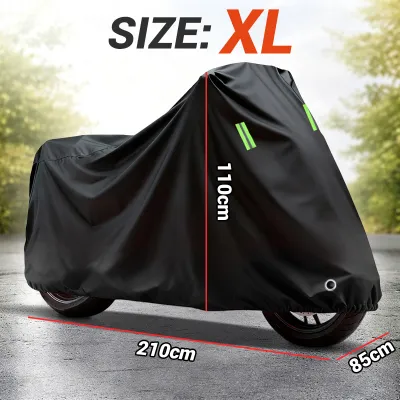
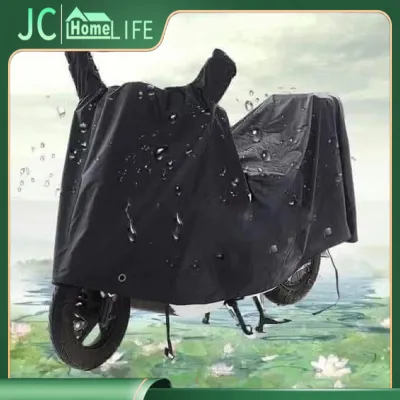
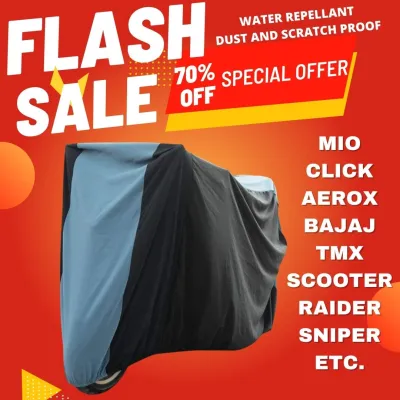
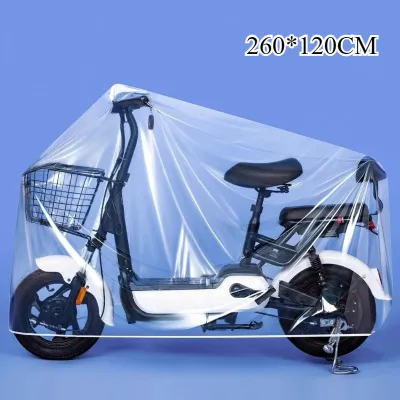
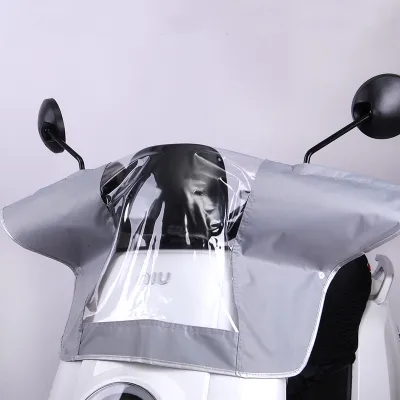
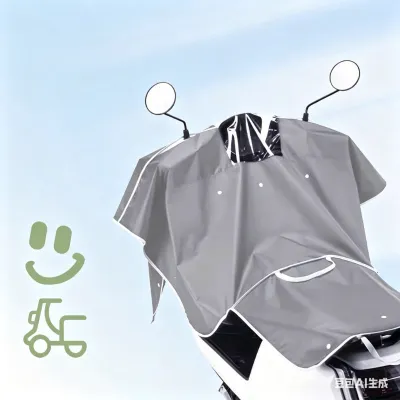
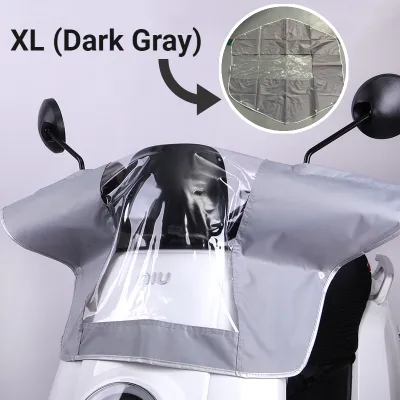
Prices are valid at publication and may change. Please refer to the product page for the latest price.
One of the most reliable indicators of water resistance is the hydrostatic head rating, which is typically measured in millimeters. This rating represents the height of a water column that the fabric can support before water begins to penetrate the material. For heavy monsoon rains, look for covers with a rating of at least 2,000 mm to 3,000 mm. A higher rating indicates that the fabric can withstand both the volume of heavy rain and the physical pressure of wind-driven water droplets without leaking.
Even the most waterproof fabric will fail if the seams are not properly constructed. Standard stitched seams create thousands of tiny needle holes that allow water to slowly seep through during prolonged exposure. To prevent this, high-quality covers feature heat-sealed or taped seams on the interior. This manufacturing process applies a waterproof tape over the stitched areas using heat and pressure, effectively sealing the holes and creating a continuous barrier against moisture.
While keeping water out is critical, a completely sealed cover can trap moisture rising from the ground or evaporating from a warm engine. In the humid climate of the Philippines, trapped moisture quickly turns into condensation, creating a greenhouse effect that accelerates rust, corrosion, and mold growth on your motorcycle’s metal and leather surfaces. To combat this, look for covers equipped with built-in air vents. These vents are typically shielded by fabric flaps to prevent rain from entering while allowing warm air and moisture to escape.
Additionally, the interior of the cover must be gentle on your motorcycle’s exterior. Look for specifications that detail a soft inner lining, such as a brushed cotton or fleece layer. This lining acts as a protective barrier, preventing the coarser outer fabric from rubbing against the clear coat, paint, or plastic fairings when the wind moves the cover. Without a soft lining, grit and dust trapped under the cover can act like sandpaper, leaving fine scratches across your bike’s bodywork.
Evaluating Fabric Durability and Coating Types
The durability of a motorcycle cover depends heavily on the base fabric and the chemical coatings applied to it. In tropical environments, the cover must not only block water but also resist intense ultraviolet radiation from the sun, which can degrade fibers and cause coatings to crack or peel over time.

Most dedicated motorcycle covers are made from polyester, nylon, or Oxford cloth. Oxford cloth is highly regarded for its strength and resistance to tearing, and it is categorized by its denier rating, which measures the thickness of the individual threads. A higher denier rating, such as 300D or 600D, indicates a thicker, heavier, and more durable fabric that can withstand rough handling and harsh weather. Lightweight polyester or nylon covers are easier to pack but may wear out quickly under daily exposure to sun and heavy rain.
The primary waterproofing barrier on these fabrics is typically an internal coating of polyurethane or polyvinyl chloride. Polyurethane coatings are flexible, lightweight, and allow for better breathability, making them ideal for multi-layer covers. Polyvinyl chloride coatings offer excellent water resistance and are highly durable, but they tend to be heavier and less breathable. When reviewing product specifications, verify that the coating is applied evenly on the underside of the fabric and check if the manufacturer specifies the thickness or grade of the coating.
In the Philippines, a cover must also handle extreme heat. Before the monsoon rains arrive, the cover is often subjected to intense midday sun. UV-resistant coatings and heat-reflective outer layers help prevent the fabric from becoming brittle. These coatings reflect solar radiation, keeping the temperature under the cover lower and protecting your motorcycle’s plastic parts, rubber seals, and dashboard electronics from heat damage.
Using a lightweight generic tarp as a substitute for a purpose-built motorcycle cover presents several risks. Tarps lack the contoured shape of a motorcycle, making them difficult to secure properly. They are often made of stiff polyethylene, which can easily scratch paintwork and lacks any form of breathability. Furthermore, generic tarps rarely feature heat-resistant panels, meaning they can melt if they come into contact with a hot exhaust pipe, potentially damaging both the bike and the tarp.
Securing the Cover Against Monsoon Winds
A waterproof cover is only effective if it stays on the motorcycle. Monsoon seasons in the Philippines frequently bring strong winds that can easily lift, shift, or completely blow away a poorly secured cover, leaving your motorcycle exposed to the elements.
To prevent the cover from turning into a sail, look for models equipped with robust securing mechanisms. An elasticized hem around the bottom edge is a fundamental feature, as it allows the cover to grip the front and rear tires snugly. Adjustable drawstrings at the base provide an extra layer of customization, allowing you to tighten the cover around the lower frame of the motorcycle to minimize the amount of air that can enter from underneath.
In addition to elastic hems, heavy-duty buckle straps that pass underneath the motorcycle’s belly pan are essential for high-wind stability. These straps physically lock the cover to the bike, ensuring it cannot be lifted off by strong gusts. Some covers feature multiple buckle points—typically one in the middle and others near the wheels—to distribute the wind load evenly. Metal or heavy-duty plastic grommets located near the front and rear wheels are also highly useful, as they allow you to pass a chain lock or U-lock through both the cover and the wheel, securing the cover while simultaneously deterring theft.
A snug, tailored fit is critical for wind resistance. A loose, oversized cover catches the wind easily, creating constant movement that can wear down the fabric and rub against the motorcycle’s paint. A well-fitted cover hugs the contours of the bike, reducing the surface area exposed to wind drag.
For outdoor parking, visibility is another key safety factor. Look for covers that feature high-visibility reflective strips or warning loops along the sides, front, and rear. These reflective elements ensure that your parked motorcycle remains visible to other motorists and pedestrians during dark, rainy nights or in poorly lit parking areas, reducing the risk of accidental collisions.
Measuring and Selecting the Right Fit
Choosing the correct size is one of the most important steps in purchasing a motorcycle cover. An improperly sized cover will either fail to protect the lower portions of the bike or be too loose, making it vulnerable to wind and water accumulation.
To find the perfect fit, you must measure your motorcycle accurately rather than relying solely on generic size charts. Use a flexible measuring tape to record three primary dimensions: total length (from the tip of the front tire to the edge of the rear fender), total width (at the widest point, usually the handlebars or mirrors), and total height (from the ground to the top of the mirrors or windshield). Always verify the cover’s dimensions and mounting compatibility against your specific vehicle documentation to ensure it does not interfere with any safety components or road-legality requirements when parked.
If you have installed aftermarket accessories, you must factor these into your measurements. Top boxes, side panniers, tall windshields, crash guards, and extended mudguards significantly alter the motorcycle’s silhouette. Many manufacturers offer specialized covers designed specifically for bikes with top boxes, featuring an expanded rear section. If you use a large top box and purchase a standard cover, you will likely need to size up significantly, which may leave the front of the bike loose and exposed.
When comparing your measurements to the manufacturer’s sizing chart, look for a cover that offers a small margin of tolerance—typically 10 to 20 centimeters longer than your bike’s actual length. This extra space ensures the cover is easy to put on and remove without stretching the seams. However, avoid sizing up too much, as excess fabric will sag and collect pools of water during heavy rain, which can eventually seep through the material.
Another critical area to check is the lower panel clearance, particularly near the exhaust pipe. If you plan to cover your motorcycle immediately after riding, the cover must feature heat-resistant panels on the inner lower sections. These panels are typically made of specialized materials, such as fiberglass or heavy-duty heat-resistant fabric, that can withstand high temperatures without melting. If your chosen cover does not have these panels, you must allow the exhaust pipe and engine to cool down completely before covering the bike to prevent damage.
Maintaining the Waterproof Coating Over Time
Even the highest-quality waterproof cover requires regular maintenance to preserve its protective qualities. Over time, exposure to rain, dust, road grime, and UV rays will naturally wear down the waterproof coatings and fabric fibers.
When cleaning your motorcycle cover, avoid using harsh household detergents, bleach, or abrasive scrubbing brushes, as these can strip away the polyurethane or durable water repellent coatings. Instead, hand wash the cover using mild soap or a specialized outdoor gear cleaner and lukewarm water. Spread the cover out on a clean surface or drape it over a clothesline, then gently wipe it down with a soft sponge or microfiber cloth to remove dirt and debris.
Proper drying is essential before storing the cover. Never fold or pack away a wet or damp cover, especially in hot and humid climates. Doing so creates an ideal environment for mold, mildew, and unpleasant odors to develop, which can transfer to your motorcycle’s seat and grips. Hang the cover in a shaded, well-ventilated area until it is completely dry on both the inside and outside. Avoid leaving it in direct, intense sunlight for extended periods just to dry it, as unnecessary UV exposure can accelerate fabric degradation.
Regularly inspect your cover for signs of wear and tear. Check the interior seams to ensure the waterproof tape is not peeling or lifting. Look for areas where the fabric may have thinned or where the inner coating is beginning to flake off. If you notice water no longer beads up on the outer surface but instead soaks into the fabric, it may be time to restore the water-repellent barrier.
When the cover is not in use, store it in the protective carrying bag usually provided by the manufacturer. Keep the stored cover in a cool, dry place away from direct sunlight and sharp objects that could puncture the fabric. Proper storage prevents accidental damage and ensures the cover is ready to protect your motorcycle when the next storm arrives.
Frequently Asked Questions (FAQ)
Can I use a regular tarp instead of a dedicated motorcycle cover?
While a regular tarp can provide temporary shelter in an emergency, it is not a suitable long-term replacement for a dedicated motorcycle cover. Tarps are typically made of stiff, abrasive materials that can easily scratch your motorcycle’s paintwork and windshield when moved by the wind. They also lack the tailored shape, elastic hems, and buckle systems required to keep the cover secure during strong monsoon winds, often resulting in the tarp blowing away or flapping violently. Furthermore, tarps do not have ventilation ports, which means they trap humidity and heat rising from the ground or a warm engine, creating a damp environment that accelerates rust and corrosion on metal components.
How often should I reapply waterproofing spray to my cover?
The frequency of reapplying a waterproofing spray depends on how often the cover is exposed to harsh weather. As a general rule, you should inspect the water-repellent properties of your cover every six to twelve months. A clear sign that the factory coating is wearing off is when rainwater stops beading on the surface and instead begins to saturate the fabric, making the cover feel heavy and damp. Before applying any aftermarket waterproofing spray, clean the cover thoroughly and check the manufacturer’s care label to ensure compatibility with the fabric and inner coatings. Regular reapplication can significantly extend the lifespan of your cover and maintain its ability to shed heavy rain.

Community discussion
Share your experience or ask a question. Comments are reviewed before publication.