
Commuting by bicycle during the tropical rainy season presents a unique set of challenges. Heavy downpours, high humidity, and splashing road grime require gear that keeps you dry from the outside without causing you to drench yourself in sweat from the inside. When looking at the Rockbros lineup, the ideal raincoat is not a one-size-fits-all solution. Instead, the best choice depends on your specific commute distance, riding intensity, and gear-carrying needs. For long, high-speed, or windy commutes, a split-suit consisting of a separate jacket and pants offers the most secure, flap-free protection against wind-driven rain and road splash. For short, low-speed commutes where you need to cover a backpack quickly, a cycling poncho or cape provides excellent ventilation and ease of use. You must evaluate waterproof ratings, seam construction, ventilation, and safety features on the product labels to find the perfect match for your daily ride.
Key Features to Evaluate for Heavy Rain Commutes
To survive a torrential downpour, look beyond basic water-resistance claims and examine the garment’s technical specifications. The primary metric to check on the product label is the waterproof rating, measured in millimeters of hydrostatic head. For heavy rain commutes, look for garments rated at 10,000 mm or higher, indicating the fabric can withstand significant water pressure. However, even waterproof fabric fails if construction is weak. Ensure the raincoat features fully taped or sealed seams, where waterproof tape is thermally applied over stitching to block water from seeping through needle holes.
In tropical climates, managing internal moisture is just as critical as blocking external rain. When you pedal, your body generates heat and sweat, which can quickly turn the inside of a sealed raincoat into a humid sauna. To prevent this condensation buildup, evaluate the garment’s ventilation features. Look for physical vents, such as underarm zippers, mesh-lined back flaps, or breathable chest vents. These openings allow warm, moist air to escape while utilizing overlapping fabric flaps to prevent rain from entering. Additionally, check the fabric’s breathability rating, often expressed in grams per square meter over 24 hours, aiming for higher numbers to ensure better moisture vapor transmission.
Products mentioned in this guide
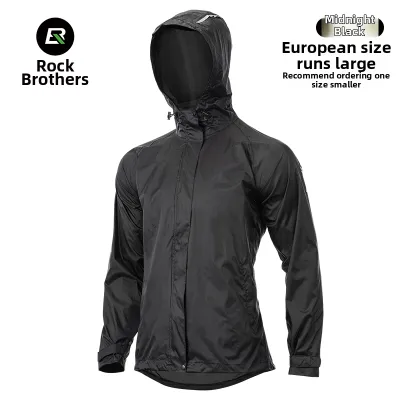
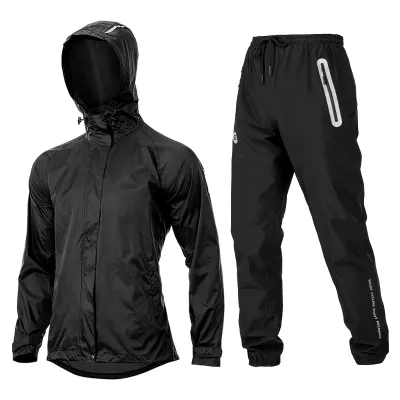
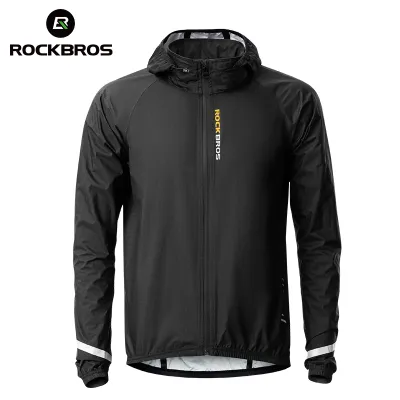
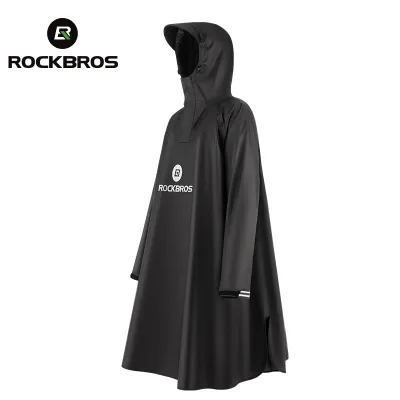
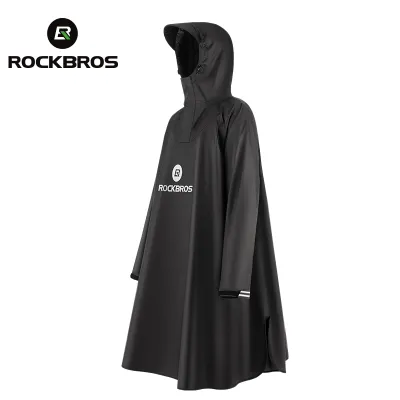
Prices are valid at publication and may change. Please refer to the product page for the latest price.
Cycling-specific tailoring is another essential feature that distinguishes a proper riding raincoat from a standard casual jacket. When you lean forward to grip the handlebars, your posture changes significantly. A standard jacket will often ride up your back, exposing your lower torso to cold rain and rear-wheel spray. A dedicated cycling raincoat features a dropped rear hem to maintain coverage in an aggressive riding position. Furthermore, look for articulated sleeves that are cut slightly longer and pre-curved to accommodate your reach without pulling the cuffs back over your wrists.
Comparing Rockbros Raincoat Styles for Daily Use
Choosing the right format of rain gear is a balance between maximum weather protection and daily convenience. Rockbros offers two primary styles: split-suits consisting of a separate jacket and pants, and one-piece cycling ponchos or capes. Your choice should align with your commute length, average riding speed, and how you carry your daily cargo.

Split-Suit Raincoats (Jacket and Pants)
A two-piece split-suit is highly effective for long-distance or high-intensity commutes. Because the jacket and pants fit snugly against your body, they offer excellent protection against wind-driven rain and high-velocity road splash from both your own tires and passing vehicles. This aerodynamic fit prevents the fabric from flapping violently at higher speeds, which reduces drag and minimizes rider fatigue during long stretches on open roads.
However, split-suits require a trade-off in terms of convenience and thermal management. Putting on a full set of rain pants and a jacket over your daily work clothes can be time-consuming, especially if you are caught in a sudden downpour on the side of the road. Additionally, because the pants enclose your legs completely, they can trap heat more easily than an open poncho. You will need to check the ankle cuffs for wide openings or zippers that allow you to slide the pants over your shoes quickly, and ensure you have a private space at your destination to change out of the wet gear.
Cycling Ponchos and Capes
For shorter, more relaxed commutes, a cycling poncho or cape offers unmatched convenience and ventilation. The loose, open-bottom design allows air to circulate freely from underneath, significantly reducing the risk of overheating and sweat buildup in warm, humid weather. Ponchos are incredibly quick to deploy; you can simply pull them over your head and be fully covered in seconds when a sudden shower begins.
Another major advantage of a cycling poncho is its ability to cover both you and your gear. Many models feature an expanded back panel or a spacious cut that drapes over a backpack or front handlebar basket, keeping your valuables dry without requiring separate waterproof covers. However, this loose fit comes with risks. In high winds, a poncho can act like a sail, catching the wind and destabilizing your steering. The flapping fabric can also reduce your aerodynamics and, in severe cases, get caught in your wheels or brakes if not secured properly. Furthermore, a poncho offers less protection against heavy, angled downpours and road splash that can blow up from underneath the hem.
Safety and Visibility Considerations
Riding in the rain drastically reduces visibility for both cyclists and motorists. Overcast skies, heavy downpours, and water droplets on windshields make it incredibly difficult for drivers to spot a cyclist on the road. Therefore, your raincoat must serve as a safety device as well as a weather barrier. When evaluating Rockbros rain gear, prioritize high-visibility colors. Bright neon yellow, high-vis orange, or vibrant green stand out sharply against the gray, dark backgrounds typical of a rainy day, giving drivers more time to react.
In addition to bright colors, check the placement and quality of reflective elements. A safe commuting raincoat should feature wide, highly reflective strips or patterns positioned strategically on the back, shoulders, arms, and lower legs. Reflective details on moving parts, such as the cuffs or ankles, are particularly effective because the constant motion catches the attention of drivers’ headlights more quickly. Ensure these reflective elements provide 360-degree visibility so you can be seen from all traffic angles, including side intersections.
The design of the hood is another critical safety factor. A hood that is too loose can blow off your head in the wind, while one that is too tight can restrict your head movement. Most importantly, the hood must not obstruct your peripheral vision when you turn your head to check for traffic. Look for hoods with adjustable drawcords or elastic bands that allow you to secure the fit. Additionally, verify how the hood interacts with your safety gear. Some cycling raincoats feature hoods designed to fit comfortably under a standard helmet, while others are spacious enough to wear over the helmet. Never compromise on wearing your helmet; ensure the hood design allows for a secure, uncompromised helmet fit.
Fit, Sizing, and Gear Compatibility
Selecting the correct size for a commuting raincoat requires careful planning. You should not simply buy your standard t-shirt size. Because you will be wearing the raincoat over your daily work attire, light sweaters, or even protective riding armor, you must account for these layers when consulting the manufacturer’s sizing charts. A raincoat that is too tight will restrict your range of motion, making it difficult to steer, look over your shoulder, or pedal comfortably. Conversely, a coat that is too loose will flap excessively in the wind and may allow water to pool in the excess fabric.
Pay close attention to the closures at the wrists and ankles. Adjustable hook-and-loop cuffs or elastic wrist straps are essential for creating a tight seal that prevents water from running down your arms when reaching for the handlebars. For rain pants, look for adjustable ankle straps or tapered cuts. Loose pant legs can easily catch in the bicycle chain or chainring, which not only damages the garment but also poses a serious fall hazard. Securing the ankles tightly keeps the fabric clear of the drivetrain and prevents road splash from entering your shoes from above.
Finally, consider how the raincoat interacts with your daily carrying gear. If you commute with a laptop, documents, or electronic devices in a backpack, you must ensure they remain dry. If you choose a split-suit, verify whether the jacket has enough room to fit over your backpack, or plan to purchase a separate high-visibility waterproof backpack cover. Some advanced cycling jackets feature zippered expansion panels on the back specifically designed to accommodate a backpack. If you use panniers or a front basket, ensure the raincoat’s length and cut do not interfere with the mounting brackets or block your front and rear safety lights.
Care and Maintenance for Longevity
To maintain the waterproof integrity of your Rockbros raincoat over multiple rainy seasons, proper care and maintenance are essential. Dirt, road grime, sweat, and body oils can gradually clog breathable membranes and degrade the water-repellent coatings applied to the fabric. Always consult the specific garment care label before cleaning. As a general rule, avoid using standard household laundry detergents, fabric softeners, or bleach. Harsh detergents can strip away the durable water repellent coating, while fabric softeners can clog the pores of breathable fabrics, rendering them useless. Instead, use a specialized technical wash designed for waterproof outerwear.
Never wring out or machine-dry your raincoat unless the manufacturer’s label explicitly permits it. Instead, hang the garment on a wide, padded hanger and allow it to air-dry fully in a well-ventilated, shaded area. Storing a damp raincoat in a closet or gear bag is a recipe for disaster; it promotes the growth of mold, mildew, and unpleasant odors, which can permanently damage the fabric and delaminate the taped seams. Ensure both the interior and exterior are completely dry before folding or hanging the gear for long-term storage.
Over time, you may notice that rainwater no longer beads up on the outer surface of the fabric but instead begins to soak into the outer layer—a phenomenon known as wetting out. While the inner waterproof membrane may still keep you dry, a wetted-out outer fabric severely reduces breathability and makes the garment feel heavy and cold. When this occurs, it is time to reapply a durable water repellent treatment. You can find spray-on or wash-in treatments at local outdoor gear shops. Apply the treatment according to the manufacturer’s instructions to restore the water-beading performance and extend the lifespan of your commuting gear.
Frequently Asked Questions (FAQ)
Can I use a standard Rockbros rain jacket for cycling?
While you can physically wear a standard, casual Rockbros rain jacket while riding, it is generally not recommended for daily commuting. Casual rain jackets lack the specific tailoring required for the cycling posture. When you lean forward to reach the handlebars, a standard jacket will often pull tight across your shoulders, restricting your movement, and ride up your back, exposing your waist to rain and rear-wheel spray. Furthermore, casual jackets rarely feature the extensive ventilation systems, such as underarm zippers or back vents, needed to manage the high heat and humidity generated by pedaling. For a safe and comfortable commute, it is highly advisable to choose a jacket specifically designed with a dropped rear hem, articulated sleeves, and cycling-specific reflective elements.
How do I know if the waterproof rating is enough for heavy rain?
To determine if a raincoat can handle heavy rain, you must check the hydrostatic head rating on the manufacturer’s specification sheet or product label. This rating, measured in millimeters, indicates the height of a water column the fabric can support before water begins to penetrate. For light showers or short rides, a rating of 5,000 mm may suffice. However, for heavy, prolonged rain typical of the tropical wet season, you should look for a rating of at least 10,000 mm to 20,000 mm. Keep in mind that fabric rating is only half the battle; you must also verify that the garment has fully taped seams and waterproof zippers or storm flaps. Without these construction details, water will eventually seep through the stitching and zipper teeth, regardless of how waterproof the fabric itself is.

Community discussion
Share your experience or ask a question. Comments are reviewed before publication.