
Finding a safe helmet for a 5-7 year old boy involves balancing certified protection with a budget that accommodates rapid physical growth. At this stage of development, children typically have a head circumference between 48 to 53 centimeters, requiring a youth-specific helmet rather than a scaled-down adult model. Whether you are looking at entry-level, mid-range, or premium price points, the primary goal is to secure a helmet that carries legitimate safety certifications and fits snugly. By understanding what features each budget tier offers, parents can make an informed decision that ensures maximum protection on the road without overspending.
Selecting the right helmet requires looking past bright graphics and focusing on structural integrity. A child’s skull is still developing, making them more vulnerable to head injuries during a fall or collision. Therefore, safety should always dictate your purchase, regardless of whether you are shopping in the budget or premium category. This guide breaks down how to evaluate safety certifications, what features to expect at different price levels, and how to ensure a perfect fit for your young rider.
When riding on public roads or even in controlled environments, the physical demands on a young child are unique. Their neck muscles are not yet fully developed, meaning the weight of the helmet plays a massive role in their comfort and safety. A helmet that is too heavy can cause fatigue quickly, leading to distraction and poor posture while riding.
Products mentioned in this guide
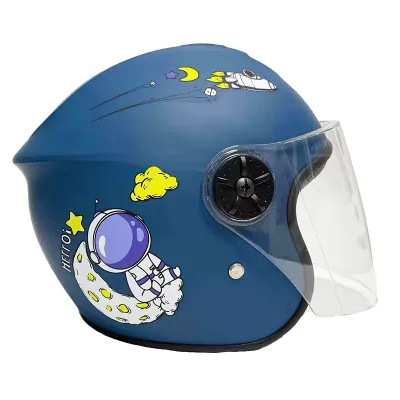
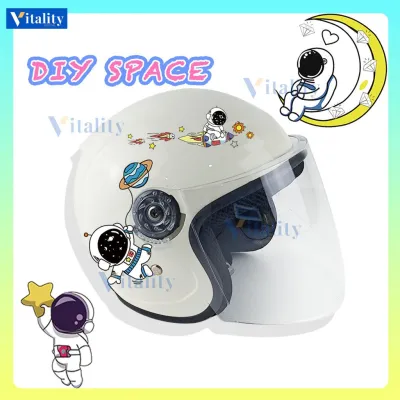
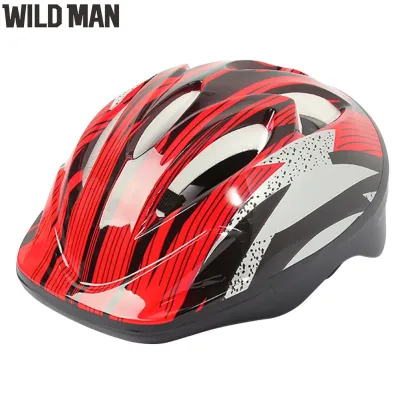
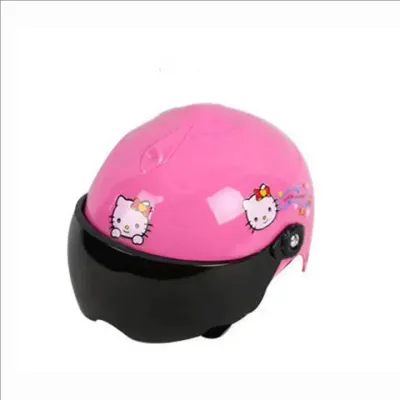
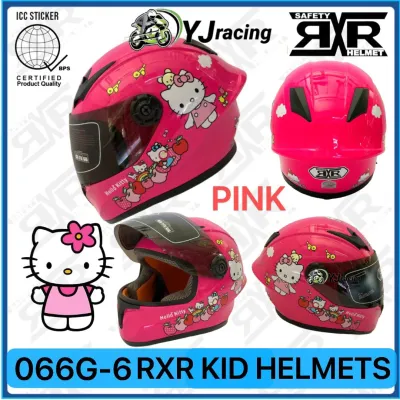
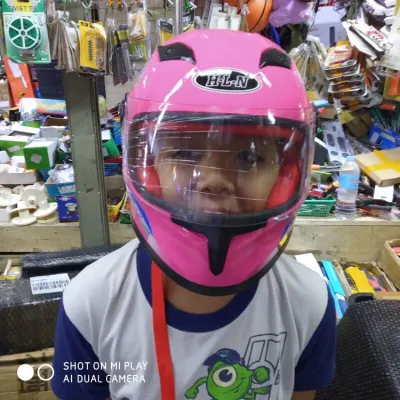
Prices are valid at publication and may change. Please refer to the product page for the latest price.
Understanding Safety Certifications and Fit for Young Riders
Safety certifications are the most critical factor when selecting a helmet for a young rider. In the Philippines, look for the Import Commodity Clearance (ICC) sticker or the Philippine Standard (PS) mark physically affixed to the helmet shell. These local marks indicate that the helmet has passed rigorous impact and penetration testing.
International standards such as the Department of Transportation (DOT) FMVSS 218 or the Economic Commission for Europe (ECE) 22.05 or 22.06 standards are also excellent indicators of safety. These certifications ensure the helmet’s outer shell and inner expanded polystyrene (EPS) liner can absorb and distribute impact forces during a fall.
The EPS liner is the most crucial safety component inside the helmet. It acts as a shock absorber, crushing slowly upon impact to cushion the head and reduce the transfer of energy to the brain. Without a certified EPS liner, a helmet is merely a plastic shell that offers virtually no protection in a crash.
Never rely on age-based marketing labels like “for ages 5-7” as the sole guide for sizing. Children’s head sizes vary significantly, and a helmet that is too loose will shift during an impact, rendering its protective features useless.
To find the correct size, use a flexible measuring tape to measure the widest part of your child’s head, about one inch above the eyebrows and ears. Ensure the tape is flat against the head and does not compress the hair too tightly. Write down this measurement in centimeters and compare it directly to the manufacturer’s specific size chart for that exact model.
A proper fit must be snug but comfortable. The helmet should sit level on the head, covering the forehead, and should not rock side-to-side or front-to-back when the chin strap is fastened.
When adjusting the chin strap, ensure it is tightened so that only one or two fingers can fit between the strap and your child’s chin. A loose strap can allow the helmet to fly off during a fall, leaving the head completely unprotected.
What to Expect at Different Budget Tiers
Understanding what each price bracket offers helps you manage expectations and identify where your money is going. Entry-level or budget-friendly helmets focus primarily on meeting baseline safety standards.

In the budget tier, you will find basic thermoplastic shells and standard EPS foam liners. These helmets are fully certified and safe, but they tend to be slightly heavier and feature simpler, non-removable interior padding. The ventilation systems are usually basic, consisting of a few fixed vents that may not offer optimal airflow in hot, humid tropical climates.
The paint and graphics on budget helmets may also wear down more quickly when exposed to intense sunlight and rain. However, if your child only rides occasionally, these helmets provide excellent, cost-effective protection that meets all legal safety requirements.
Moving up to the mid-range tier introduces noticeable improvements in comfort and usability. These helmets often feature lighter polycarbonate shells, which reduce the physical strain on a young child’s neck muscles during longer rides.
Mid-range options also incorporate adjustable fit dials or multi-thickness cheek pads, allowing you to fine-tune the fit as your child grows. This adjustability is highly valuable for the 5-7 age group, as it can extend the usable lifespan of the helmet by accommodating minor growth spurts.
Ventilation is significantly better in the mid-range tier, featuring adjustable intake and exhaust ports that help keep the head cool under the sun. The interior liners are usually removable and washable, making it much easier to keep the helmet fresh and free of sweat odors.
The premium tier represents the highest level of material technology and rider comfort. Premium helmets utilize advanced composite fibers or fiberglass shells, which are exceptionally light yet highly durable.
These high-end models often feature advanced rotational impact protection systems, moisture-wicking and anti-bacterial interior fabrics, and highly efficient aerodynamic designs. While they require a larger upfront investment, they offer the best overall comfort, weight reduction, and long-term durability for frequent riders.
Deciding which tier to choose depends heavily on your child’s riding frequency and environment. If your child only rides occasionally on weekends, a certified budget or mid-range helmet is highly practical; however, for daily commutes or longer journeys, investing in a lighter mid-range or premium helmet prevents neck fatigue and keeps them comfortable in tropical heat.
Key Features to Compare When Shopping
When comparing different models, shell construction and overall weight should be your top priorities. A child’s neck muscles are still developing, so a heavy helmet can cause discomfort and discourage them from wearing it. Look for helmets that specify their weight in grams and aim for the lightest certified option within your budget.
Another major consideration is the choice between full-face and open-face designs. Full-face helmets provide comprehensive protection, shielding the chin, jaw, and face from direct impacts and road debris.
Open-face helmets offer superior airflow and a wider field of vision, which can be highly appealing in hot weather. However, they leave the lower face exposed, so parents must weigh the comfort of increased ventilation against the superior safety of a full-face design.
The visor or face shield is another critical component to evaluate. Look for shields that offer UV protection to shield your child’s eyes from intense tropical sunlight, and ensure the shield has an anti-scratch coating to maintain clear visibility over time.
The retention system is another feature that varies across models. Quick-release micro-metric buckles are highly convenient for parents to fasten and unfasten quickly, while classic double D-ring systems offer a highly secure, adjustable fit that cannot slip over time.
Finally, inspect the interior padding. Removable and washable inner liners are essential for maintaining hygiene, especially in humid environments where sweat and dust accumulate quickly. Some helmets also allow you to purchase different sizes of cheek pads separately to adjust the fit as your child’s facial structure changes.
Red Flags and Hidden Costs to Avoid
When shopping for a helmet, be highly vigilant against uncertified “novelty” or toy helmets. These products are often marketed with popular cartoon characters or bright colors to appeal to young boys, but they lack the essential EPS foam liner required to absorb impact forces.
Always inspect the physical helmet for legitimate certification stickers rather than relying on product descriptions on online marketplaces. If a helmet feels incredibly light, flexible, or lacks a thick inner foam layer, it is likely a toy and should never be used for road riding.
Be aware of hidden costs that can inflate your budget. Some lower-priced helmets do not include a visor or face shield, forcing you to purchase these accessories separately.
When buying from online marketplaces, factor in shipping fees and check the seller’s return policy. If the helmet does not fit correctly, you may have to pay for return shipping to exchange it for a different size, which can quickly add up.
Never purchase a second-hand or hand-me-down helmet, even if it looks pristine. Helmets are designed to deform and absorb energy during a single impact; once they have been dropped or involved in a minor accident, their structural integrity is compromised, even if there is no visible damage on the outside.
Proper storage is also vital to prevent premature degradation. Avoid storing the helmet in direct sunlight, high-heat areas like car trunks, or near chemical vapors like gasoline, as these conditions can weaken both the outer shell and the inner EPS liner.
How to Verify Fit and Comfort Before Finalizing the Purchase
Once you have selected a helmet, you must verify the fit before your child rides. Have your child put the helmet on, fasten the chin strap securely, and perform the “shake test” by asking them to shake their head gently from side to side.
The helmet should move with their skin and hair; if it slides independently or slips down over their eyes, it is too large. Check the cheek pads to ensure they press gently against the cheeks without causing pain or forcing the mouth open.
Perform a “roll-off” test by gently trying to pull the helmet off from the back while the chin strap is fastened. If the helmet can be pulled forward off the head, the strap is too loose or the helmet shape is incompatible with your child’s head.
Have your child wear the helmet around the house for 10 to 15 minutes. This trial period allows you to identify any painful pressure points, particularly on the forehead or temples, which indicate that the helmet shape is too narrow or round for their head.
If you are purchasing from an online marketplace, make sure you fully understand the return and exchange policy before checking out. Ensure the seller allows exchanges for sizing issues without charging exorbitant restocking fees.
If your child’s head shape is highly unique or falls between standard sizes on the manufacturer’s chart, do not guess. Stop the purchase and visit a physical specialty motorcycle gear store where trained staff can help measure and fit the helmet professionally.
Frequently Asked Questions (FAQ)
How often should a child's helmet be replaced?
A child’s helmet must be replaced immediately after any significant impact, drop, or accident, even if there are no visible cracks on the outer shell. The internal EPS liner is designed for one-time impact absorption and will not protect your child in a subsequent fall.
Even without an impact, helmets degrade over time due to exposure to UV rays, sweat, hair oils, and temperature fluctuations. Most manufacturers recommend replacing a helmet every three to five years of regular use; check the user manual for specific guidance.
Additionally, you must replace the helmet as soon as your child outgrows it. Signs of an improper fit include the helmet sitting too high on the head, leaving deep red marks on the forehead, or causing pain during short wear sessions.
Can a bicycle helmet be used for motorized scooters or e-bikes?
No, a standard bicycle helmet should never be used for motorized scooters, e-bikes, or motorcycles. Bicycle helmets are tested and certified for much lower impact speeds and do not offer the coverage or energy absorption required for motorized travel.
Motorized riding requires helmets certified under motorcycle safety standards, such as DOT, ECE, or local ICC regulations. These helmets feature thicker shells and denser EPS liners designed to withstand high-velocity impacts and sliding on asphalt.
Always check the manufacturer’s intended use label inside the helmet. Using a bicycle helmet for motorized activities leaves your child highly vulnerable to severe head injuries due to inadequate impact protection.

Community discussion
Share your experience or ask a question. Comments are reviewed before publication.