
Protecting a Yamaha Mio i 125 from the elements in the Philippines requires more than just throwing a plastic sheet over the handlebars. The country’s tropical climate presents a harsh combination of intense ultraviolet (UV) radiation, sudden torrential downpours, and high ambient humidity. Without a proper waterproof cover, these conditions can rapidly accelerate the aging of your scooter’s plastic fairings, degrade the seat material, and cause corrosion in the electrical connections. Finding the right cover involves understanding the specific physical footprint of your Mio i 125, evaluating the durability of different waterproof fabrics, and selecting design features that keep the cover secure during heavy monsoons.
A successful choice balances water resistance with breathability. While keeping rain out is the primary goal, trapping moisture underneath the cover can be just as damaging to your scooter’s metal and electrical components. By focusing on material quality, seam construction, and a snug fit, you can ensure your daily commuter remains protected whether parked in an open driveway, a semi-shaded carport, or a shared parking structure.
Sizing and Fit Requirements for the Yamaha Mio i 125
The Yamaha Mio i 125 is a highly maneuverable, compact scooter, making it popular for navigating dense urban traffic. In its stock configuration, it has a relatively small physical footprint. However, choosing a cover based solely on these factory dimensions can lead to a poor fit if you have customized your ride. Many riders in the Philippines install aftermarket accessories to improve utility, such as a rear top box, a front windshield, wider side mirrors, or robust crash guards. Each of these additions alters the overall shape and requires a larger cover size to ensure complete protection.
Products mentioned in this guide
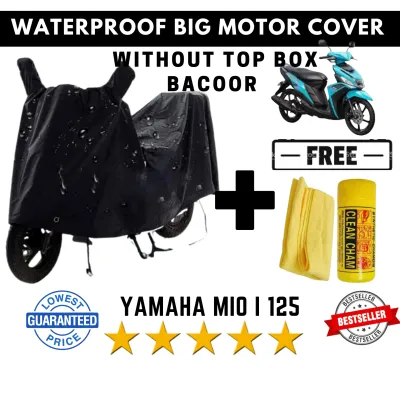
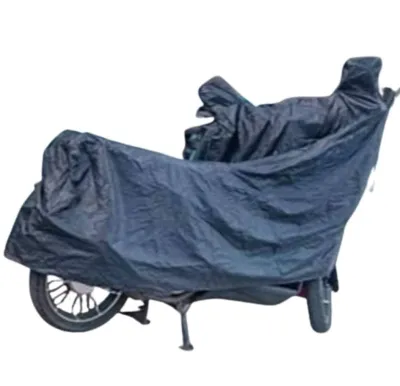
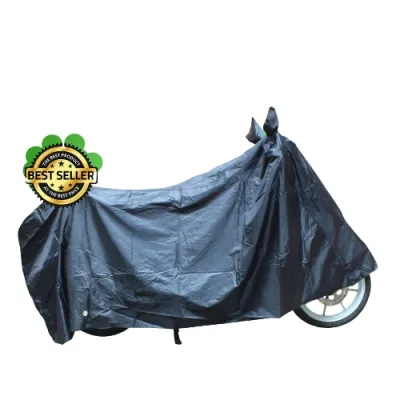
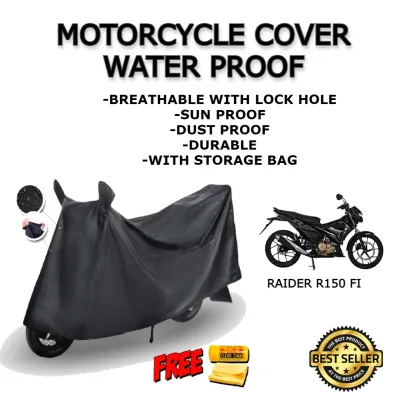
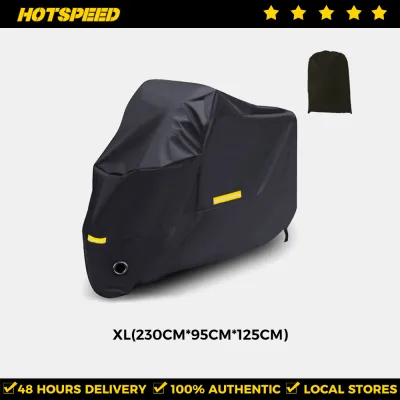
Prices are valid at publication and may change. Please refer to the product page for the latest price.
A proper fit must extend all the way down to the wheel hubs to shield the brake discs, suspension components, and exhaust pipe from driving rain. If a cover is too short, water splashing from the ground can easily reach the lower mechanical parts, leading to premature rust. Conversely, if the cover is too long and drags on the ground, it will collect dirt, pool water, and absorb moisture from the pavement, which then gets trapped against the lower half of the scooter.
Furthermore, a snug fit is essential for managing wind dynamics. During the monsoon season, loose fabric acts like a sail. Strong gusts can catch a baggy cover, creating enough force to tip the lightweight Mio i 125 off its side stand. Additionally, constant wind flapping causes the inner surface of an oversized cover to rub against the scooter’s painted plastic fairings, resulting in micro-scratches over time.
To determine the exact size you need, measure your scooter with all accessories installed. Use a flexible measuring tape to find the maximum length from the front tire to the outermost edge of the top box or rear fender. Measure the width at the widest point, which is typically across the side mirrors or handlebars. Finally, measure the height from the ground to the top of the mirrors or the highest point of the top box. Compare these custom measurements against the sizing charts provided by manufacturers, usually opting for a size “Medium” or “Large” depending on the presence of a rear utility box.
Comparing Waterproof Materials and Seam Construction
The performance of a motorcycle cover depends heavily on the fabric from which it is woven. Standard polyester is a common entry-level option because it is lightweight, highly packable, and inexpensive. However, thin polyester covers often struggle under the intense tropical sun, as UV rays can degrade the fibers within a few months, causing the material to become brittle and tear easily. For daily outdoor use, standard polyester is generally insufficient for long-term protection.

Oxford cloth represents a significant step up in durability and weather resistance. Woven with a unique basketweave pattern, Oxford fabric is categorized by its denier rating (such as 190D, 210D, or 300D), which indicates the thickness and density of the individual threads. A higher denier rating translates to greater tear resistance, better water repellency, and superior UV protection. Oxford cloth is often treated with a polyurethane (PU) or polyvinyl chloride (PVC) coating on the inside to block water penetration while remaining flexible enough to fold easily.
For extreme weather protection, heavy-duty tarpaulin or multi-layered PVC covers offer excellent water resistance. However, they are also exceptionally heavy, bulky to store, and completely non-breathable. If you choose a heavy-duty tarpaulin cover, it must feature dedicated ventilation systems to prevent moisture from being trapped underneath.
Premium covers often feature a soft cotton, fleece, or brushed microfiber inner lining. This soft layer acts as a protective barrier, preventing the rough outer fabric from scratching the delicate clear coat of your Mio i 125’s fairings during installation, removal, or windy conditions.
Even the most waterproof fabric will fail if the seams are poorly constructed. Standard sewing needles create thousands of tiny punctures along the seams, which act as pathways for water to slowly seep through during prolonged rain. To prevent this, high-quality covers utilize heat-sealed or taped seams. This process involves applying a waterproof thermoplastic tape over the stitched seams under high heat and pressure, effectively sealing the needle holes and ensuring that water cannot penetrate the joints.
Essential Design Features for Weather and Security
A reliable motorcycle cover must do more than just shed water; it must also stay securely anchored to the scooter and protect it from secondary environmental hazards. Windproof securing systems are critical for keeping the cover in place during severe weather. Look for covers equipped with strong elastic hems at both the front and rear, which allow the fabric to grip the contours of the tires tightly. Additionally, adjustable under-belly buckle straps are essential; these run beneath the scooter’s frame, preventing strong winds from lifting the cover off the bike entirely.
Ventilation is another indispensable feature in hot and humid climates. When a warm scooter is covered immediately after a ride, water vapor rises from the engine bay. If this moisture cannot escape, it condenses on the underside of the cover, dripping back onto the scooter’s electrical components and metal parts. This constant dampness accelerates rust and can cause electrical short circuits. Built-in air vents, protected by overhanging fabric flaps, allow hot air and moisture to escape, maintaining a dry microclimate underneath.
Security features are also vital for urban parking environments. Many high-quality covers include reinforced lock holes near the front wheel hub. These holes, often lined with rust-resistant metal grommets or heavy-duty fabric loops, allow you to pass a U-lock, chain lock, or disc lock through both the cover and the wheel. This design not only secures your scooter but also prevents thieves from easily removing the cover to inspect the bike or steal the cover itself.
Reflective strips or piping sewn along the edges, front, or rear of the cover make your parked Mio i 125 highly visible to passing motorists and other residents. This simple addition significantly reduces the risk of accidental collisions or clipping in the dark.
As a critical safety boundary, always allow your Mio i 125’s engine and exhaust pipe to cool down completely before putting the cover on. Placing any synthetic fabric cover over a hot exhaust can melt the material, ruin your exhaust finish, and pose a serious fire hazard. Refer to your original vehicle documentation for specific guidelines on heat management and component safety.
Building Your Shortlist: Matching Cover Types to Your Parking Environment
If your scooter is parked daily in an open, unshaded driveway or on the street, it is fully exposed to the elements. For this harsh environment, your shortlist should prioritize heavy-duty Oxford cloth (210D or 300D) with a high hydrostatic head rating, fully taped seams, and a UV-reflective silver coating. The cover must have robust wind straps and elastic hems to withstand sudden storms, along with prominent reflective strips for nighttime safety.
For mixed indoor and outdoor parking, such as under a semi-shaded carport or a covered apartment parking lot, your needs shift. Here, the scooter is protected from direct vertical rainfall but remains vulnerable to blowing dust and sideways rain. A lightweight, highly breathable cover made of 190D polyester or light Oxford cloth is ideal for this scenario. It provides sufficient water repellency while being easy to fold, store, and dry quickly.
If you park your Mio i 125 in a fully enclosed garage or a secure indoor storage facility for extended periods, water resistance becomes a secondary concern. Instead, your primary goals are dust protection, scratch prevention, and moisture control. For long-term indoor storage, look for a lightweight, highly breathable fabric with a premium soft cotton or brushed fleece inner lining. This setup prevents dust from settling into the mechanical parts and protects the paint from accidental scratches while ensuring that any ambient humidity can evaporate freely, preventing mold growth on the seat.
Navigating Online Marketplaces and Verifying Product Claims
To find a genuine product that fits your Mio i 125, start by using precise search terms on online marketplaces. Instead of searching for generic “motorcycle covers,” use specific queries like “Mio i 125 cover waterproof” or “scooter cover with top box slot.” This helps filter out oversized covers designed for large cruiser bikes or under-tailored options that will not accommodate your scooter’s shape.
Be cautious of common red flags in product listings. Avoid listings that offer vague sizing charts without actual measurements, or those that fail to specify the exact material used (such as listing the fabric simply as “waterproof” instead of “210D Oxford cloth”). Unrealistic claims, such as absolute waterproofing at extremely low price points (such as under ₱150), should be treated with skepticism, as these are often made of thin plastics that degrade rapidly under the sun.
Before finalizing your purchase, verify the seller’s credibility by reading customer reviews, focusing specifically on feedback from other scooter owners in the Philippines. Look for uploaded photos showing how the cover fits on similar small-displacement scooters. Pay close attention to reviews mentioning how the cover performs during actual monsoon rains and whether the inner lining leaves any residue or scratches. Finally, check the seller’s return and exchange policies to ensure you can easily swap the cover if the fit is incorrect or if the material does not match the advertised specifications.
Frequently Asked Questions (FAQ)
Can I use a generic universal cover for my Yamaha Mio i 125?
While you can technically use a generic universal cover, doing so comes with several practical risks. Universal covers are designed to fit a wide range of motorcycle shapes, meaning they are often too loose or too tight in specific areas when applied to a compact scooter like the Mio i 125. A loose cover will flap excessively in the wind, which can scratch your scooter’s paint and allow water to splash up from the ground, while a cover that is too tight may put stress on your mirrors or fail to cover the wheels. If you must use a universal cover in an emergency, mitigate these issues by using extra bungee cords or adjustable straps to pull the excess fabric tight against the body of the scooter.
How do I clean and maintain a waterproof motorcycle cover?
To prolong the lifespan and maintain the water-resistant properties of your cover, clean it gently using mild soap and lukewarm water. Avoid machine washing, harsh chemical detergents, or stiff brushes, as these can strip away the polyurethane or PVC waterproof coatings and damage the taped seams. Simply drape the cover over your scooter or a clothesline, spray it down with a hose, and wipe it gently with a soft sponge. Always allow the cover to air-dry completely in a shaded area before folding and storing it; packing away a damp cover encourages the growth of mold and mildew, which can damage both the cover and your scooter’s seat.

Community discussion
Share your experience or ask a question. Comments are reviewed before publication.