
The sudden shift from scorching midday sun to torrential afternoon downpours during the monsoon season presents a severe challenge for motorcycle owners in the Philippines. While many products claim absolute protection, finding a truly waterproof motorcycle cover requires looking past marketing buzzwords and focusing on verified material specifications, structural engineering, and precise fitment. This guide outlines how to evaluate these critical factors so you can protect your investment from water damage, rust, and paint degradation.
Identifying Structural Defenses Against Heavy Downpours
Standard stitching leaves thousands of tiny needle holes along the seams of a motorcycle cover. Under the pressure of a heavy tropical downpour, water easily penetrates these holes via capillary action, slowly dripping onto your bike’s electrical components and metal parts. To prevent this, look for covers that feature heat-sealed, welded, or taped seams. Taped seams have a waterproof strip melted over the stitched line on the inside of the cover, creating an impenetrable barrier against water ingress.
Another critical specification to check is the hydrostatic head rating, which is measured in millimeters. This rating indicates the amount of water pressure a fabric can withstand before moisture begins to penetrate. For example, a fabric rated at 2,000 mm can support a two-meter column of water before leaking. For reliable protection against prolonged monsoon rains and typhoons, prioritize covers with higher hydrostatic head ratings on their specification sheets.
Products mentioned in this guide
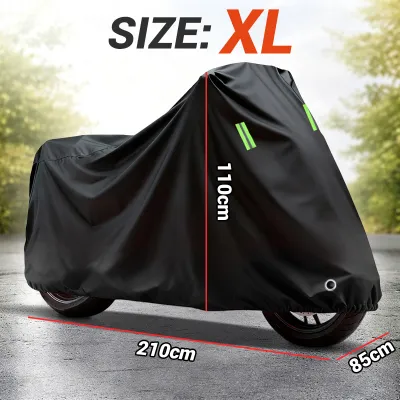
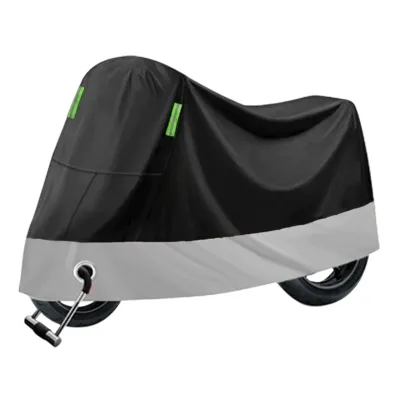
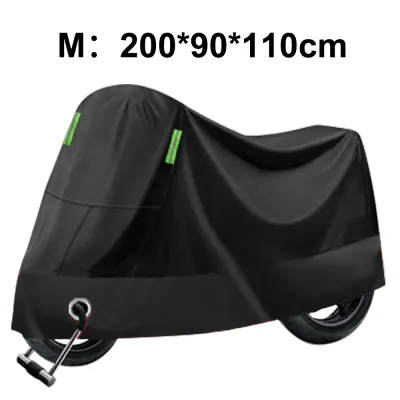
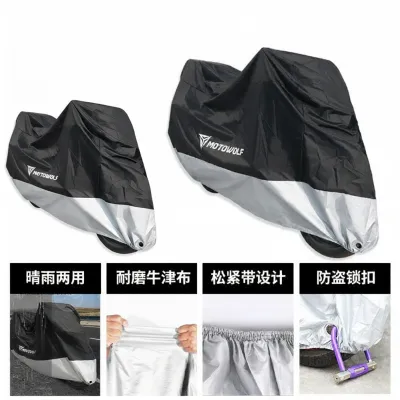
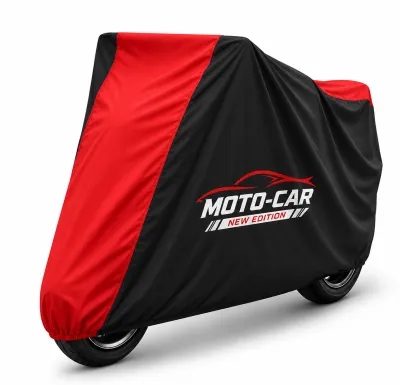
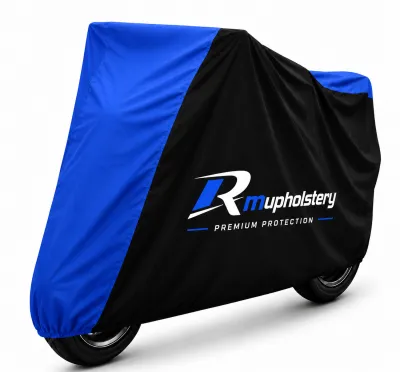
Prices are valid at publication and may change. Please refer to the product page for the latest price.
Heavy rain in the Philippines is frequently accompanied by strong winds, particularly during the habagat season. If a cover does not have a secure hem, wind can lift it, exposing the motorcycle and allowing rain to blow upward from the ground. Elasticized front and rear hems help the cover cling tightly to the tires, while adjustable windproof buckles that strap underneath the chassis prevent the cover from ballooning or flying off. A snug fit also prevents water from pooling in sagging areas, which can slowly saturate even highly water-resistant fabrics over time.
Reading Fabric Labels and Waterproof Specifications
When evaluating motorcycle covers on product tags or online listings, pay close attention to the Denier rating, denoted by the letter “D”. Denier measures the linear mass density of the fabric’s fibers, with higher numbers indicating thicker, stronger threads. In our tropical climate, where covers are subjected to intense UV rays and sudden storms, a higher rating like 300D or 600D is essential to prevent tearing along sharp edges like footpegs, mirrors, or license plates.

Understanding the inner coating of the fabric is equally important for water resistance. Polyurethane and polyvinyl chloride are the two most common coatings used to make fabrics waterproof. Polyurethane coatings are lightweight, flexible, and highly breathable, making them excellent for daily use. Polyvinyl chloride coatings are highly impermeable to water but tend to be heavier and stiffer, which may make them more prone to cracking if exposed to prolonged, intense heat without proper UV stabilizers.
Because the Philippine sun can be just as damaging as the rain, look for labels indicating UV-resistant treatments or silver-reflective outer coatings. These treatments reflect solar radiation, preventing the synthetic fibers of the cover from becoming brittle and cracking over time. A UV-degraded cover will quickly lose its waterproof capabilities, tearing easily under the weight of heavy rain or moderate wind.
Ensuring Proper Fit and Airflow in Tropical Weather
Never rely solely on generic size labels like “Medium” or “Large” when purchasing a cover. Before buying, measure your motorcycle’s actual length, width, and height. If you have installed aftermarket accessories such as a top box, side panniers, crash guards, or a tall windshield, these will significantly alter the required dimensions. Compare your measurements directly with the manufacturer’s detailed sizing chart to ensure complete coverage down to the wheels.
In high-humidity environments, trapping moisture under a cover is a major risk. When a warm motorcycle is covered, or when moisture evaporates from the wet ground after a rainstorm, it can condense on the inside of the cover. This trapped moisture accelerates rust on chrome parts, corrodes electrical connectors, and encourages mold growth on leather seats. Built-in air vents, protected by small hoods to keep rain out, allow hot air and moisture to escape, maintaining a dry microclimate around your bike.
Securing mechanisms also play a vital role in both protection and security. Look for reinforced grommets near the front wheel, which allow you to pass a chain lock or U-lock through both the tire and the cover. This serves a dual purpose: it deters theft and anchors the cover securely against strong winds. Reflective strips or piping are also highly recommended, especially if you park on the street or in shared parking lots, as they ensure your covered motorcycle remains visible to other motorists in low-light or heavy rain conditions.
Maintaining the Cover's Water Resistance Over Time
Dirt, dust, and road grime can degrade waterproof coatings over time, but improper cleaning can do even more damage. Throwing a motorcycle cover into a washing machine or using harsh chemical detergents can strip away the inner polyurethane or polyvinyl chloride coating. Instead, follow the manufacturer’s care instructions, which usually involve hand-washing the cover while it is draped over the motorcycle, using a soft sponge, lukewarm water, and a mild, pH-neutral soap.
Never pack away or fold a damp cover. Doing so creates a breeding ground for mold, mildew, and bacteria, which can rot the fabric and ruin the waterproof lining. Hang the cover in a shaded, well-ventilated area until it is completely dry on both sides before folding it into its storage bag. This simple step dramatically extends the lifespan of the waterproof barrier.
Always let your motorcycle’s engine and exhaust pipe cool down completely before putting the cover on. The extreme heat from an exhaust pipe can instantly melt synthetic fabrics, ruining both the cover and the bike’s finish. While a budget cover might cost around ₱500, investing in a heavy-duty option priced at ₱1,500 or more can save you from costly rust repairs, provided you protect it from thermal damage.
Verifying Claims and Reviews on E-Commerce Platforms
When shopping on online marketplaces or ecommerce platforms, product descriptions often use generic terms like “100% waterproof.” To verify these claims, dive into the customer reviews and filter for feedback from verified buyers who mention heavy rain performance, typhoon survival, or seam leakage. Look for photos or videos uploaded by buyers showing how the cover behaves under wet conditions.
Reviewers often share their specific motorcycle models and how the cover fits. This is invaluable for determining if a cover runs small or if you need to size up to accommodate a top box. If multiple reviews mention that the inner lining began peeling or cracking after a few weeks of sun exposure, it is a clear sign that the material lacks adequate UV protection.
Finally, check the seller’s return policy and warranty terms regarding manufacturing defects. A reputable manufacturer or authorized distributor will often provide a warranty against premature peeling of the inner coating, seam separation, or broken buckles. Verifying these details before purchasing ensures you receive a product that can withstand the demanding Philippine climate.
Frequently Asked Questions (FAQ)
Using Standard Tarps as Temporary Covers
While a standard blue-and-orange utility tarp might seem like a cheap, quick fix, it is not designed for motorcycle protection. Tarps are made of stiff, abrasive polyethylene that can easily scratch your motorcycle’s paintwork and plastic fairings when blown by the wind. They also lack breathability, trapping moisture underneath and accelerating rust. Furthermore, without proper contouring, elastic hems, or secure straps, a tarp is highly aerodynamic and can easily catch the wind, potentially tipping your motorcycle over during a storm.
Reapplying Waterproofing Treatments
Over years of exposure to heavy rain and intense tropical sun, even high-quality waterproof coatings can begin to wear down. Whether you can reapply a waterproofing treatment depends entirely on the manufacturer’s care instructions and the fabric type. Some manufacturers allow the use of aftermarket water-repellent sprays to restore the outer fabric’s water-beading properties. However, always check the product label first, as incompatible chemicals can dissolve or damage the existing inner polyurethane or polyvinyl chloride coatings.

Community discussion
Share your experience or ask a question. Comments are reviewed before publication.