
Selecting the right engine oil for your Mitsubishi Mirage is one of the most critical maintenance decisions you can make to ensure its long-term reliability. While Shell, Castrol, and Motul are all highly respected global brands with excellent product lines, there is no single brand that universally outperforms the others for every Mirage owner. The ideal choice depends entirely on matching the specific viscosity and industry certifications required by your vehicle’s owner’s manual with your daily driving habits, local climate conditions, and budget.
In the Philippines, where vehicles frequently face intense tropical heat, high humidity, and grueling stop-and-go traffic, the demands on your engine oil are particularly high. Rather than relying on brand loyalty or marketing slogans, you must learn how to read oil labels, verify certifications, and evaluate local change oil packages. This approach ensures your 1.2-liter three-cylinder engine receives the exact protection it needs to run efficiently for years to come.
Understanding Your Mitsubishi Mirage's Engine Oil Requirements
Before comparing the formulations of Shell, Castrol, or Motul, you must establish your vehicle’s baseline requirements. The Mitsubishi Mirage, whether in hatchback or G4 sedan form, is equipped with a compact 1.2-liter three-cylinder engine. This engine is designed for high fuel efficiency, which means it relies on low-viscosity oils to reduce internal friction.
Products mentioned in this guide
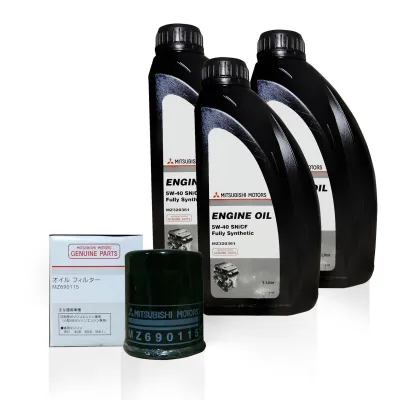
![Mitsubishi Fully Synthetic Engine Oil 5W-40 [3 Liters + Oil Filter MD135737 (C-415)] Oil Change for Mirage](https://img.lazcdn.com/g/p/71857896453c5dc5ce09e8b93905c96a.png_400x400q80.png_.webp)
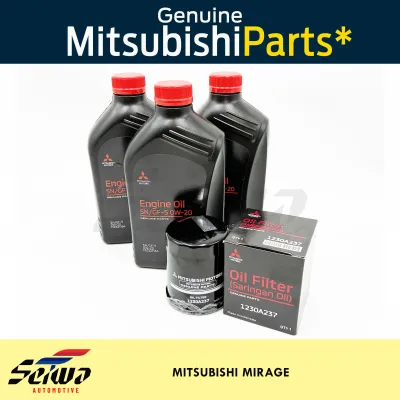
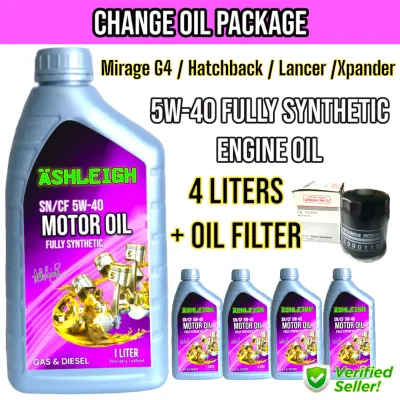
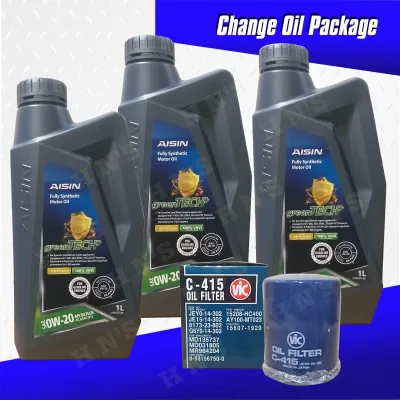
Prices are valid at publication and may change. Please refer to the product page for the latest price.
To find the exact specifications for your specific model year, always consult your owner’s manual first. Typically, Mitsubishi recommends a viscosity grade of 0W-20 for optimal fuel economy and cold-start protection. However, the manual also permits alternative viscosities, such as 5W-30, which can provide robust protection under sustained high-temperature operations or in older engines with higher mileage.
Beyond viscosity, you must identify the required industry standards. Look for the American Petroleum Institute (API) service classifications, such as API SP, SN Plus, or SN, as well as the International Lubricant Standardization and Approval Committee (ILSAC) standards, such as GF-6A. These ratings guarantee that the oil has passed rigorous tests for wear protection, sludge control, and fuel efficiency.
Your vehicle’s current mileage and overall engine condition also play a role in your selection. If your Mirage has accumulated significant mileage and is experiencing minor oil consumption, transitioning to a high-mileage formulation within the approved viscosity range can help condition engine seals and reduce leaks. Adhering strictly to these manufacturer-specified baselines is the non-negotiable first step to maintaining engine reliability and preserving any active factory warranty.
Comparing Shell, Castrol, and Motul: What to Check on the Label
When standing in front of retail shelves or browsing online, you will find various product lines from Shell, Castrol, and Motul. To make an objective comparison, you must look past the branding and focus on the technical details printed on the product labels.

The first distinction to make is the base oil classification. Engine oils are categorized as fully synthetic, semi-synthetic, or mineral. Fully synthetic oils offer a high level of protection, thermal stability, and resistance to breakdown under extreme heat, making them highly suitable for the tropical climate of the Philippines. Semi-synthetic oils offer a balanced, cost-effective alternative, while mineral oils are the most budget-friendly but require more frequent replacement.
Next, verify the official certification marks on the bottle. Look for the API “Donut” on the back label, which displays the service category, and the ILSAC “Starburst” or “Shield” on the front label, which indicates energy-conserving properties. If a bottle of Shell Helix, Castrol Magnatec, or Motul H-Tech does not display these certified marks or explicitly state compliance with your manual’s required standards, it should not go into your engine.
Finally, translate brand-specific marketing terms into verifiable standards. For instance, Shell often highlights its gas-to-liquid base oil technology, Castrol promotes liquid titanium strength for high-pressure protection, and Motul emphasizes specialized synthetic ester formulations. While these proprietary technologies represent different manufacturing approaches, their real-world performance is ultimately validated by their API and ILSAC ratings. Choose the product whose certified specifications align perfectly with your manual’s requirements, regardless of which proprietary technology is highlighted on the front label.
Evaluating "Mirage Change Oil Packages" in the Philippines
Many car owners in the Philippines opt for pre-bundled change oil packages offered by local service centers, independent garages, or online marketplaces. While these packages offer convenience, you must carefully audit their contents to ensure you are getting genuine value and proper service.
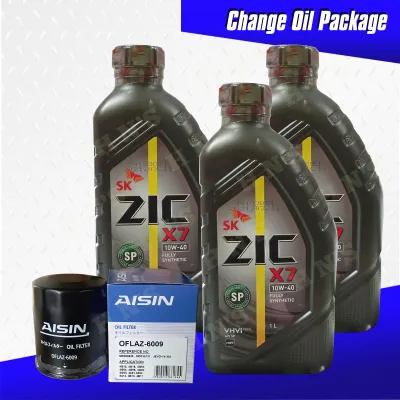
A complete and proper change oil package for a Mitsubishi Mirage must include the correct volume of oil, a high-quality oil filter, and a new drain plug gasket or washer. The 1.2-liter engine typically requires approximately 3.0 liters of oil for a standard drain and filter change, though you should verify the exact capacity in your manual. Ensure the package provides a reputable filter brand that matches the original equipment manufacturer specifications, as a restrictive or poorly constructed filter can compromise oil pressure and engine safety.
When analyzing the cost structure, compare the total price of a full-service shop package against the cost of purchasing the oil and filter independently from an authorized seller on an ecommerce platform and paying a local garage solely for labor. While buying the parts yourself can sometimes save money, you must factor in the risk of counterfeit products from unverified online sellers. Always purchase from official brand stores or authorized distributors to guarantee product authenticity.
Additionally, consider the implications for your vehicle’s warranty and service history. If your Mirage is still covered by the manufacturer’s warranty, having your oil changes performed at an authorized dealership or a certified service center that provides detailed, official receipts is essential. These receipts must explicitly state the exact oil specifications and viscosity used, serving as vital documentation should you ever need to make a warranty claim. For out-of-warranty vehicles, independent shops offer excellent flexibility, but you must still insist on a professional installation where the technician uses a calibrated torque wrench to secure the drain plug according to original-vehicle instructions.
How to Make Your Final Decision
To make your final decision, apply a conditional framework that matches your specific driving priorities, vehicle status, and budget with the strengths of each brand’s compliant products.
Consider choosing a Shell formulation, such as Shell Helix Ultra or HX8, if you prioritize widespread availability and want an oil that is easily accessible at local fuel stations and service centers across the country. Shell’s product lines offer clear, straightforward labeling that makes it simple to verify API and ILSAC compliance, making it an excellent choice for drivers seeking reliable, standard protection with maximum convenience.
Consider choosing a Castrol formulation, such as Castrol EDGE or Magnatec, if you are looking for targeted protection designed for stop-and-start city driving. If the specific Castrol product line available at your local shop matches the exact viscosity and certification requirements of your Mirage’s engine, its formulation can provide excellent peace of mind during daily commutes in heavy urban traffic.
Consider choosing a Motul formulation, such as Motul H-Tech or 8100 series, if you are seeking premium synthetic formulations and are willing to pay a slight price premium for specialized additive packages. Ensure that the specific Motul bottle you select carries the exact API/ILSAC certifications required by your owner’s manual and fits comfortably within your maintenance budget.
Before any oil is poured into your engine, always perform a final verification check. Confirm that the vehicle is not under a strict factory warranty that mandates dealership-exclusive servicing. If the proposed change oil package or the invoice does not explicitly state the required API/ILSAC standards and viscosity grade, pause the service and consult a qualified professional or the vehicle manufacturer to avoid risking engine damage.
Frequently Asked Questions (FAQ)
Can I mix different engine oil brands in my Mitsubishi Mirage?
While mixing different brands of engine oil is generally safe in an emergency situation where your oil level is critically low, it is not recommended as a standard practice. Different manufacturers use unique proprietary additive packages to achieve their performance ratings, and mixing them can sometimes dilute the effectiveness of these additives. For routine maintenance, always perform a complete drain and fill with a single brand and formulation to ensure optimal engine protection and consistent performance.
How often should I change the engine oil in my Mirage?
The ideal oil change interval for your Mitsubishi Mirage depends on the type of oil you use and your daily driving conditions. Generally, fully synthetic oils can last between 10,000 kilometers or one year, while semi-synthetic and mineral oils typically require replacement every 5,000 kilometers or six months. However, if you frequently drive in severe conditions—such as short trips where the engine does not reach full operating temperature, prolonged idling in heavy traffic, or dusty environments—you must follow the severe maintenance schedule outlined in your owner’s manual, which recommends more frequent oil changes to prevent premature engine wear.

Community discussion
Share your experience or ask a question. Comments are reviewed before publication.