
Deciding between Honda Original Equipment Manufacturer (OEM) brake shoes and aftermarket alternatives for your Click 125 V3 is a choice between guaranteed factory compatibility and potential cost savings or alternative material characteristics. Because the rear drum brake is a critical safety component of your scooter, making an informed decision requires looking beyond simple price tags. You must verify exact part numbers, physical dimensions, and material specifications before purchasing or installing any replacement brake shoes.
In the Philippines, where daily commutes involve navigating dense, stop-and-go traffic in high humidity and tropical heat, your scooter’s braking system is subjected to severe thermal and mechanical stress. The rear drum brake of the Click 125 V3 plays a vital role in maintaining control, especially when carrying a passenger or negotiating wet roads during the monsoon season. Consequently, selecting the right brake shoes directly impacts your safety, stopping distance, and the overall longevity of your braking system.
Verifying Brake Shoe Specifications for Click 125 V3
Before you begin comparing brands or visiting local motorcycle parts shops, you must establish a baseline of technical specifications for your Click 125 V3. The Click 125 has gone through multiple design iterations, commonly referred to as V1, V2, and V3. While these generations share the same engine displacement, Honda has introduced subtle updates to the chassis, wheels, and braking components over the years. Assuming that any part labeled “Honda Click” will fit your V3 is a common mistake that can lead to fitment failure or compromised safety.
Products mentioned in this guide
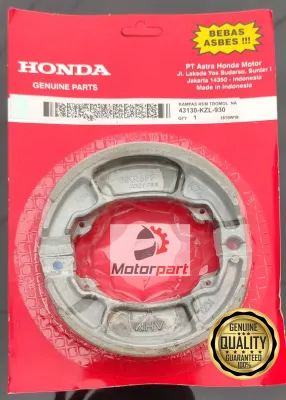
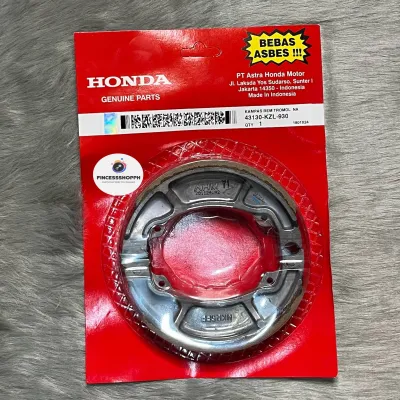
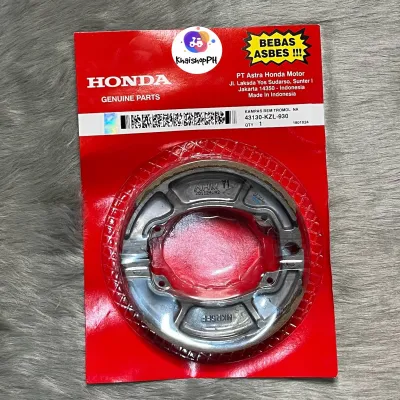
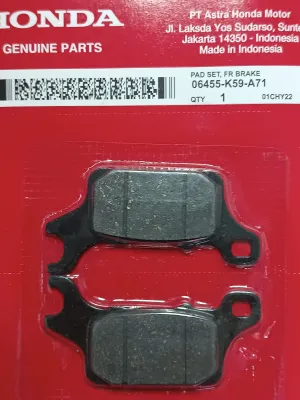
Prices are valid at publication and may change. Please refer to the product page for the latest price.
To ensure absolute compatibility, start by locating the exact OEM part number in your motorcycle’s owner’s manual or official service booklet. This part number is a unique alphanumeric code that identifies the precise design, width, and lining thickness approved by Honda engineers for the V3. If you do not have the manual, you can consult an authorized Honda dealer or service center to verify the part number using your scooter’s frame and engine numbers.
Physical dimensions are equally critical when verifying compatibility. The rear brake drum of the Click 125 V3 has a specific inner diameter and shoe width that must match the replacement brake shoes perfectly. Even a millimeter of deviation in the shoe arc or the thickness of the friction lining can prevent the brake drum from sliding back over the wheel hub, or cause the brakes to drag, overheat, or lock up during operation.
Evaluating Honda OEM Brake Shoes
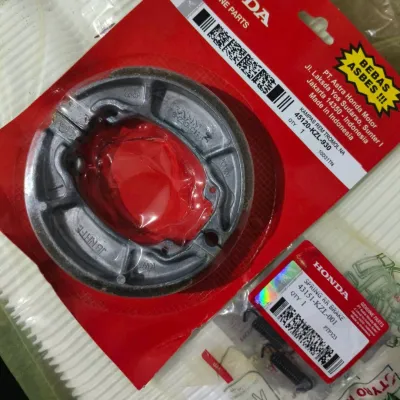
Choosing genuine Honda OEM brake shoes means investing in the exact component that was installed on your Click 125 V3 when it rolled off the assembly line. These parts are manufactured under strict quality control standards to ensure consistent density, thermal stability, and mechanical strength. The primary advantage of OEM parts is predictability; they are engineered to deliver a specific lever feel, progressive stopping power, and wear rate that aligns with the scooter’s original design parameters.

However, the popularity of the Click 125 V3 in the local market has made genuine Honda parts a frequent target for counterfeiters. When purchasing OEM brake shoes, you must carefully inspect the packaging for security features. Genuine Honda parts are typically sold in high-quality packaging featuring distinct red labels, clear printing, and security holograms that shift color when tilted. Be highly suspicious of packaging with blurry text, misspelled words, or prices that seem unrealistically low compared to authorized dealer rates.
The friction material formulation used in genuine Honda brake shoes is specifically optimized for daily commuting in tropical climates. This non-asbestos organic compound is designed to balance stopping power with drum longevity, ensuring that the brake shoes wear down gradually without causing excessive scoring on the cast-iron brake drum liner. While OEM parts generally carry a price premium, this cost represents a direct investment in guaranteed fitment, predictable performance, and compliance with your motorcycle’s manufacturer warranty.
Assessing Aftermarket Brake Shoe Alternatives
The aftermarket offers a diverse selection of brake shoes for the Click 125 V3, catering to riders who want to customize their braking characteristics or reduce maintenance costs. When exploring these options, it is vital to look past flashy marketing claims like “racing grade” or “maximum stopping power” and instead focus on verifiable product specifications. Reputable aftermarket manufacturers provide clear information regarding their friction material formulations and testing standards.
Friction materials in the aftermarket generally fall into categories such as organic, semi-metallic, or ceramic. Organic aftermarket shoes are similar to OEM parts, offering quiet operation and low drum wear, though their durability can vary depending on the brand’s quality control. Semi-metallic options incorporate metallic fibers to improve heat dissipation and fade resistance under heavy loads, but they may increase wear on the brake drum and produce more brake dust or noise.
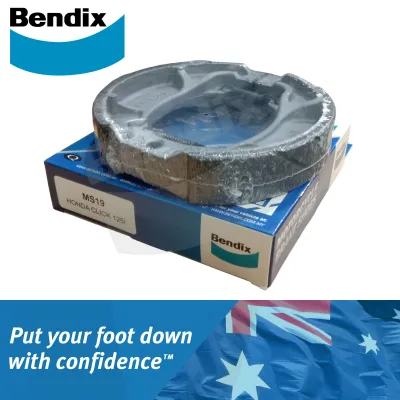
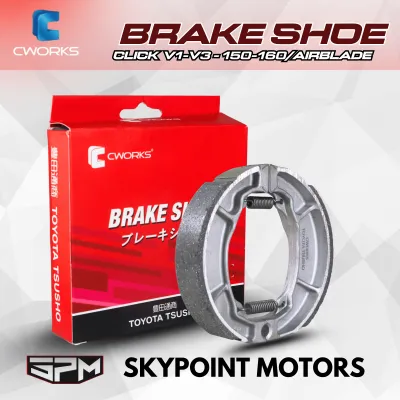
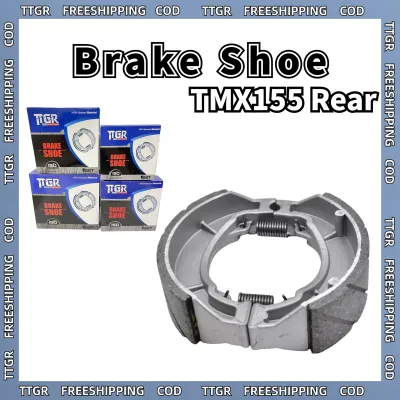
When evaluating any aftermarket brand, check the packaging to ensure it explicitly lists compatibility with the “Click 125 V3” or the corresponding model year. Generic labels that claim to fit “all 110cc to 125cc scooters” should be approached with caution, as they may not account for the specific drum dimensions or spring configurations of the V3. Additionally, keep in mind that lower-priced aftermarket options may achieve their cost savings by using cheaper bonding agents or less consistent friction compounds, which can lead to premature wear, brake fade, or a spongy lever feel.
Comparing Key Decision Dimensions
To make an objective choice between Honda OEM and aftermarket brake shoes, you must compare them across several practical dimensions. The first and most critical dimension is fitment and clearance. Genuine OEM shoes are guaranteed to slide onto the brake cam and anchor pin effortlessly, with spring holes positioned exactly where they need to be. Aftermarket shoes require a meticulous visual inspection before installation; you must verify that the shoe arc matches the drum curvature, the lining thickness is uniform, and the return springs fit securely without binding.
The second dimension is the friction material label. Reputable aftermarket brands often print friction codes or material compositions directly on the shoe or the packaging. Comparing these labels against the known characteristics of OEM organic compounds helps you understand how the replacement part will behave. For instance, if you frequently ride in hilly areas or carry heavy cargo, a high-quality semi-metallic aftermarket shoe might offer better resistance to heat fade, whereas an OEM shoe will provide the quietest and most consistent performance for standard city commuting.
Finally, consider the balance of price and availability. While OEM parts are widely available at authorized Honda shops, their price in ₱ is typically higher than standard aftermarket alternatives. Aftermarket options are highly accessible through local motorcycle accessory shops and reputable online marketplaces, often at a lower price point. However, you must weigh these immediate savings against the potential long-term costs of accelerated drum wear or the need for more frequent replacements if the aftermarket compound wears down quickly under tropical riding conditions.
Safety Boundaries, Installation, and Break-In
Because your motorcycle’s braking system is a critical safety assembly, any maintenance or replacement work must be approached with extreme care. If you do not have the proper tools, mechanical experience, or access to the official Click 125 V3 service manual, you should have the brake shoes installed by a qualified professional mechanic. Incorrectly installed brake shoes can lead to sudden brake failure, wheel lockup, or severe damage to the rear wheel hub.
Before installing new brake shoes—whether OEM or aftermarket—it is essential to thoroughly inspect the interior of the brake drum. Over time, road dust, friction debris, and moisture can accumulate inside the drum, leading to scoring, rust, or uneven wear. Use a dedicated brake cleaner to remove all contaminants, and inspect the cast-iron liner for deep grooves or out-of-round wear. If the drum is heavily scored or worn beyond the service limit specified in the manual, installing new brake shoes will not restore proper stopping power, and the wheel hub or drum assembly must be repaired or replaced.
Once the new brake shoes are installed, they require a proper break-in or bedding-in period to achieve optimal performance. During the first few dozen kilometers of riding, avoid sudden, hard braking maneuvers unless absolutely necessary. Instead, apply gentle, progressive pressure to the rear brake lever to allow the new friction material to gradually conform to the shape of the brake drum. This process ensures even contact across the entire surface of the shoe, preventing localized overheating and establishing a consistent, reliable braking feel.
Final Decision Framework: Which Should You Buy?
Your final decision should be guided by your riding requirements, budget, and willingness to verify technical specifications.
Choose Honda OEM brake shoes if you want a straightforward, risk-free replacement process. This option is ideal for riders who prioritize guaranteed factory fitment, predictable braking performance, and want to maintain their scooter in original factory condition without worrying about compatibility or counterfeit risks.
Choose aftermarket brake shoes if you are looking for a cost-effective alternative or specific material characteristics, and you have identified a reputable brand that explicitly guarantees compatibility with the Click 125 V3. This path is suitable for riders who are comfortable verifying product labels, inspecting physical dimensions, and monitoring wear rates closely.
Verify first and stop if you encounter aftermarket packaging that lacks clear part numbers, material specifications, or explicit V3 compatibility. If the price seems too good to be true, or if the physical dimensions do not match your original parts exactly, do not attempt to force the installation. Consult a qualified mechanic to avoid compromising your safety on the road.
Frequently Asked Questions (FAQ)
How often should I replace the brake shoes on my Click 125 V3?
There is no fixed mileage interval for replacing brake shoes, as wear rates depend heavily on your riding style, passenger load, and environmental conditions. To determine when replacement is necessary, inspect the wear indicator pointer located on the rear brake cam shaft. When you pull the rear brake lever fully and the pointer aligns with the wear limit mark on the engine case, the brake shoes have reached their service limit and must be replaced immediately.
Can I use brake shoes from an older Click 125 version on the V3?
You should not assume that brake shoes from older generations of the Click 125 are compatible with the V3. Honda occasionally updates drum diameters, shoe widths, and return spring mounting points between different model versions to improve braking efficiency or accommodate chassis changes. Always verify the exact OEM part number or aftermarket compatibility list specifically for the Click 125 V3 to ensure a safe and precise fit.

Community discussion
Share your experience or ask a question. Comments are reviewed before publication.