
Maintaining the cooling system of your Toyota Vios is essential for preserving engine health, especially under the demanding tropical driving conditions of the Philippines. While it is tempting to purchase any pink-colored fluid off the shelf, color alone does not guarantee chemical compatibility. Using an incompatible coolant can lead to severe cooling system degradation, water pump failure, and costly engine repairs. To keep your vehicle running efficiently, you must understand the specific chemical standards required by your engine and how to verify aftermarket alternatives.
Understanding Toyota Vios Coolant Requirements
The Toyota Vios relies on a highly specific cooling system design that requires a precise chemical formulation to prevent corrosion and overheating. The factory standard for modern Toyota vehicles is Toyota Genuine Super Long Life Coolant, which is typically pink. This fluid is formulated using Phosphated Organic Acid Technology (P-OAT). Unlike older coolant types, P-OAT is designed to provide long-lasting protection for aluminum engine blocks and radiators without the use of harmful additives.
A common misconception among car owners is that all pink coolants are identical. In reality, coolant manufacturers use dyes simply to help users identify leaks and distinguish different product lines. A pink fluid from one brand might be a European-specification formula containing silicates, while another might be a generic formula containing borates. Introducing these incompatible chemicals into your Vios can disrupt the protective layer on internal metal surfaces and lead to rapid cooling system failure.
Products mentioned in this guide
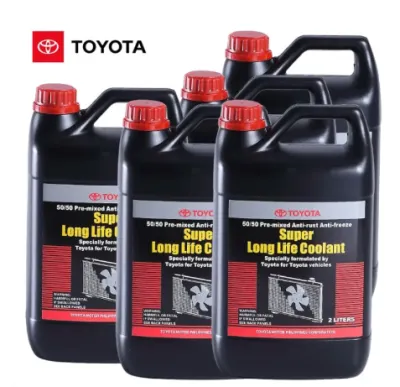
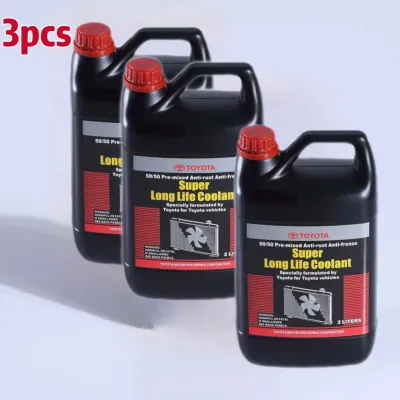
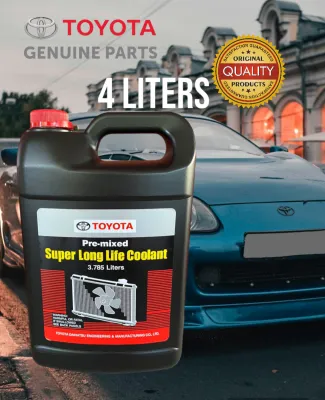
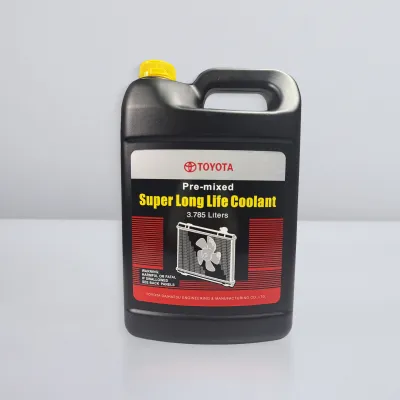
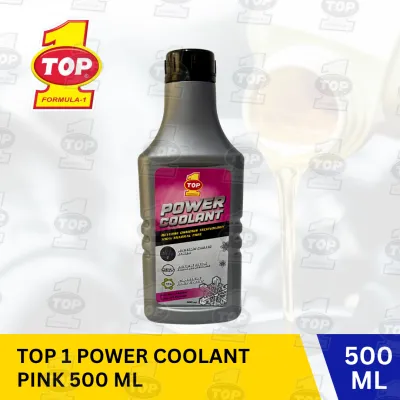
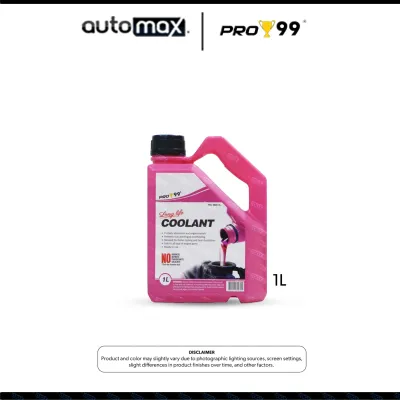
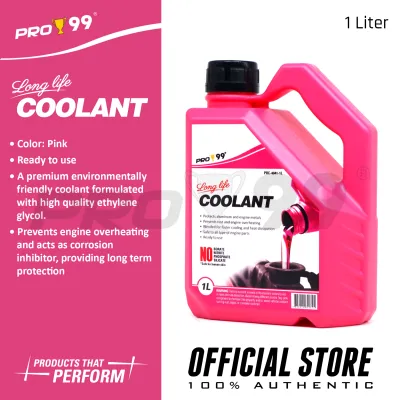
Prices are valid at publication and may change. Please refer to the product page for the latest price.
The mechanical components of the Toyota Vios, particularly the water pump and radiator, are highly sensitive to the chemical composition of the coolant. Toyota engines utilize mechanical water pumps with specialized ceramic and rubber seals. If you use a coolant containing silicates or borates, these abrasive inorganic inhibitors can precipitate out of the solution. Over time, these solid particles act like sandpaper, wearing down the water pump seals and causing premature coolant leaks.
Furthermore, using the wrong coolant chemistry can lead to the formation of scale and chemical deposits inside the radiator’s narrow passages. In the hot and humid climate of the Philippines, where stop-and-go traffic in metropolitan areas puts extra stress on the engine, any reduction in heat transfer efficiency can quickly lead to overheating. To protect these vital components, you must ensure that any aftermarket fluid you select strictly adheres to the silicate-free, borate-free, and phosphate-rich requirements of the original equipment manufacturer specification.
How to Verify Aftermarket Pink Coolant Compatibility
When shopping for aftermarket pink coolant, you must look beyond the marketing claims on the front of the bottle and carefully examine the technical specifications on the back label. The most reliable indicator of compatibility for a Toyota Vios is an explicit mention of the Japanese Industrial Standard, specifically JIS K2234. This standard ensures that the fluid meets the rigorous physical and chemical requirements established for Japanese automotive cooling systems, including corrosion protection and material compatibility.

Additionally, compatible aftermarket products will clearly state that they are formulated for Asian vehicles and specifically list Toyota or Lexus compatibility. These formulations are typically classified as P-OAT (Phosphated Organic Acid Technology). You should actively verify that the label states the product is free from silicates, borates, nitrites, and amines. This chemical profile ensures that the fluid will not react negatively with the existing materials in your Vios cooling system or degrade the internal seals over time.
It is also crucial to distinguish between pre-mixed (50/50) coolants and concentrated formulas. Pre-mixed coolants are already diluted with deionized or distilled water and are ready to be poured directly into your radiator or overflow tank. Concentrated coolants, on the other hand, must be mixed with distilled water in a precise 50/50 ratio before use. For most car owners in the Philippines, purchasing a pre-mixed 50/50 pink coolant is a highly convenient option, as it eliminates the risk of using tap water, which contains minerals that cause scale buildup.
Before making a purchase, perform a quick step-by-step check of the product label. First, locate the chemical technology classification to confirm it is a phosphated organic acid formula. Second, verify the absence of silicates and borates in the ingredient list or feature highlights. Third, check for the JIS K2234 certification or an explicit compatibility statement for Toyota vehicles. Taking these few minutes to verify the label will protect your engine from incompatible chemical mixtures.
Sourcing Authentic Coolant in the Philippines
Finding authentic coolant is just as important as selecting the correct specification, as counterfeit and substandard automotive fluids are common in the local market. The most secure method of obtaining genuine coolant is to purchase directly from authorized Toyota dealerships or established, reputable automotive supply chains. These businesses maintain strict quality control standards and source their inventory directly from authorized distributors, minimizing the risk of purchasing degraded or counterfeit products.
If you prefer shopping online or through local retail hubs, look for official brand flagship stores on major e-commerce platforms. Avoid purchasing from unverified third-party sellers who offer prices that seem too good to be true. When inspecting physical packaging, look for key indicators of authenticity. Genuine coolant bottles feature high-quality, crisp label printing with clear text, a secure safety seal under the cap, and a clearly printed batch number and manufacturing date on the bottle.
You should also pay close attention to the storage conditions of the product at the retail outlet. In the Philippines, extreme tropical heat and high humidity can accelerate the degradation of plastic packaging and compromise the seal of poorly stored bottles. Avoid buying bottles that show signs of bloating, severe dust accumulation, or faded labels from prolonged sun exposure. Coolant should always be stored in a cool, dry place away from direct sunlight to ensure its chemical additives remain stable and effective.
Safe Handling and Mixing Rules for Coolant
Proper handling and application of coolant are vital to maintaining the integrity of your Toyota Vios cooling system. The most critical rule of coolant maintenance is to never mix different coolant colors or chemical formulations. For example, mixing a pink P-OAT coolant with a traditional green inorganic acid technology (IAT) coolant can trigger a severe chemical reaction. This reaction often results in the formation of a thick, gel-like sludge that can clog your radiator core, heater core, and engine water jackets, leading to catastrophic engine overheating.
If you find yourself in an emergency situation where your coolant level is dangerously low and you do not have access to compatible pink coolant, do not top up the system with an incompatible fluid. Instead, use clean distilled water as a temporary measure to reach the nearest service center. Distilled water will dilute your coolant concentration slightly, but it will not cause the chemical clogs associated with mixing incompatible formulas. Once you reach safety, you should have the system inspected and corrected.
A complete cooling system flush is highly recommended whenever you are switching from one coolant brand to another, or if the existing fluid has become discolored or contaminated. A simple top-up is only appropriate when you are using the exact same brand and formulation of pink coolant that is currently in the system. To ensure you are performing maintenance at the correct intervals, always consult your specific Toyota Vios owner’s manual, which outlines the recommended mileage or time limits for coolant replacement.
If you observe any signs of severe cooling system issues, such as a milky appearance in the coolant (which indicates engine oil contamination), rust-colored debris, or persistent engine overheating, stop driving immediately. These symptoms point to internal mechanical failures, such as a blown head gasket or a failing water pump, which cannot be resolved by simply adding new fluid. In these situations, do not attempt to service the vehicle yourself; instead, seek professional assistance from a qualified automotive technician.
Frequently Asked Questions (FAQ)
Can I mix different brands of pink coolant if they are both OAT?
Even if two different brands of pink coolant are both classified as Organic Acid Technology (OAT) or Phosphated Organic Acid Technology (P-OAT), mixing them is generally not recommended. Different manufacturers utilize proprietary additive packages, including specific corrosion inhibitors, stabilizers, and anti-foaming agents. When these distinct chemical packages are mixed, they can react unpredictably, potentially reducing the overall corrosion protection or causing some additives to precipitate out of the solution as solid particles. To maintain optimal system protection, it is highly recommended to stick to a single verified brand for all top-ups. If you must switch brands, performing a complete system flush beforehand is the safest way to prevent chemical interference.
Is it safe to use universal coolant instead of specific pink Asian-vehicle coolant?
Using a generic universal or all-makes, all-models coolant in your Toyota Vios is not recommended for long-term use. While these universal formulas claim to be compatible with all vehicles, they often contain low levels of silicates or alternative chemical buffers designed to accommodate European or American engine designs. These additives can compromise the specialized water pump seals used in Asian vehicles like the Vios, leading to premature wear and leaks. For optimal protection and longevity of your cooling system components, you should always prioritize dedicated, silicate-free, and borate-free pink P-OAT formulas specifically engineered for Asian vehicles over generic universal alternatives.
What should I do if my Vios coolant reservoir is empty but the radiator is full?
If you notice that the plastic coolant overflow reservoir is empty while the radiator itself remains completely full, this is often a sign of normal thermal expansion cycles or a minor system leak. As the engine heats up, coolant expands and flows into the reservoir; as it cools, a vacuum draws the fluid back into the radiator. If the reservoir is empty, first top it up to the Full or Max line with compatible pre-mixed pink coolant when the engine is completely cold. Monitor the level over the next few days. If the reservoir continues to empty rapidly, inspect the system for external leaks around hoses, the water pump, and the radiator, and check the radiator cap seal to ensure it is maintaining proper system pressure.

Community discussion
Share your experience or ask a question. Comments are reviewed before publication.