
Commuting on a motorcycle during the rainy season in the Philippines requires gear that can withstand sudden, heavy downpours while keeping you comfortable in tropical humidity. Standard trousers offer no protection against monsoon rains, and arriving at your destination soaked can ruin your day and compromise your safety on the road. To stay dry, investing in dedicated raincoat pants designed specifically for riding is essential. The right pair must balance water resistance with breathability, ease of use over daily clothing, and durability against the constant friction of riding. By focusing on manufacturer specifications, structural reinforcements, and proper sizing, you can find gear that keeps you dry and focused on the road ahead.
Key Features for Heavy Monsoon Commutes
When riding through a sudden tropical storm, the wind pressure forces water against your gear at high speeds, making standard water-resistant fabrics fail almost instantly. To prevent water ingress, you must check the manufacturer’s specifications for a high waterproof rating, typically measured in millimeters of water column pressure. For motorcycle commuting in heavy rain, look for labels indicating a rating of at least 10,000 mm or higher, which indicates the fabric can withstand significant pressure before leaking.
Seam construction is another critical point of failure where water easily penetrates. Even the most waterproof fabric will let water through if the needle holes from stitching are left exposed. Always verify that the product description or physical tag specifies fully taped seams or heat-sealed seams. This construction method applies a waterproof tape over the interior stitching, creating a continuous barrier against water entry under pressure.
Products mentioned in this guide
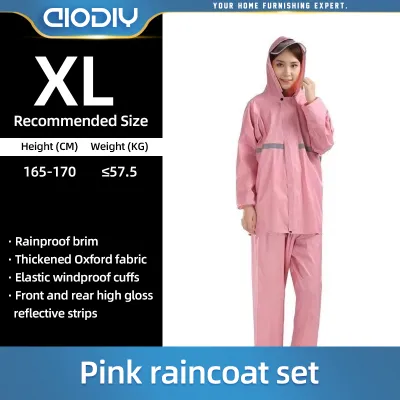
![[COD] CISWGE SPORTS Motorcycle Motorbike Rainproof Single Pants Waterproof Unisex Riding Fishing Adult Outdoor Fishing Breathable Wear Rain Pants](https://img.lazcdn.com/g/p/3724d3ba46867b7c4efe75f38ed868b1.jpg_400x400q80.jpg_.webp)
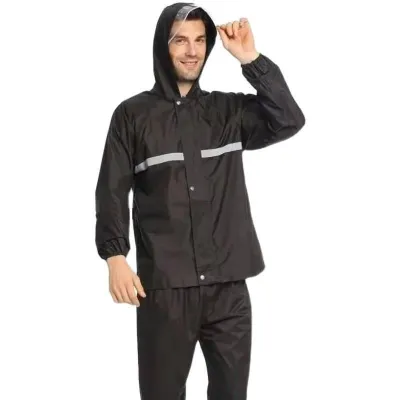
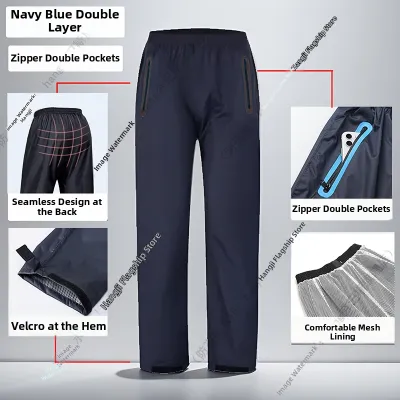
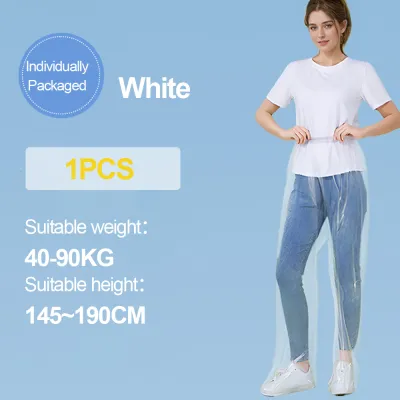
Prices are valid at publication and may change. Please refer to the product page for the latest price.
The bottom of the pants is highly vulnerable to water ingress due to splash-back from the front tire and wet road surfaces. Look for wide ankle openings with adjustable closures, such as heavy-duty hook-and-loop straps or zippered gussets, which allow you to easily slip the pants over bulky riding boots. Once on, these closures must seal tightly around your footwear to prevent water from traveling up your leg.
Storm flaps are essential features that cover zippers and pockets to block wind-driven rain. A quality pair of riding pants will feature double storm flaps secured by snaps or hook-and-loop fasteners over the main entry points. These flaps act as a physical gutter system, directing water away from the zipper track and ensuring that moisture does not seep through the closure mechanism.
Low visibility is a major hazard during heavy downpours, where dark skies and thick spray from other vehicles obscure the road. Your rain gear must help you stay visible to other motorists. Check for integrated reflective strips, piping, or high-visibility panels along the sides and lower legs of the pants. These elements catch the headlights of surrounding traffic, significantly improving your safety profile during low-light commutes.
Fit and Sizing Over Daily Riding Gear
Choosing the correct size for motorcycle rain pants requires a different approach than buying casual wear, as they must fit comfortably over your existing clothing. Whether you wear office trousers, heavy denim jeans, or armored riding pants, your rain gear needs enough clearance to slide on quickly when the sky darkens. Reading the manufacturer’s specific sizing chart is crucial, as many brands design their rain gear to be worn as overpants, while others require you to size up manually.

When reviewing size charts, pay close attention to the waist and hip measurements, keeping in mind the bulk of your daily attire. If you frequently wear thick riding jeans with integrated hip and knee armor, sizing up by one or two sizes is often necessary to prevent the rain pants from binding or tearing at the seams. A tight fit not only restricts your movement but also stretches the waterproof membrane, making it more susceptible to leaking.
Ergonomics on a motorcycle differ significantly from walking or standing, as your knees are bent and your hips are rotated forward. Look for rain pants featuring articulated knees, which are pre-curved to match your natural riding position. This design prevents the fabric from bunching up behind the knees or pulling tight across the thighs, ensuring you maintain full control of your foot pegs and gear shifter.
Adjustability is key to preventing the wind from catching loose fabric and causing distracting buffeting at highway speeds. Seek out models with adjustable elastic waistbands, drawcords, or adjustable straps around the calves and thighs. These features allow you to customize the fit, securing excess material close to your body while maintaining a comfortable seal that prevents water from entering through the waistband.
Inseam length is another critical factor that riders often overlook. When you sit on your motorcycle, the pants naturally ride up your legs, exposing your ankles and the tops of your boots to oncoming rain. To counter this, choose rain pants with a slightly longer inseam than your standard trousers, or look for designs with stirrups that loop under your boots to keep the cuffs securely anchored in place.
Material and Durability Checks
The materials used in raincoat pants determine not only their waterproof capabilities but also their weight, packability, and long-term durability. Polyvinyl chloride (PVC) is a common, highly waterproof material often found in budget-friendly rain gear. While PVC is exceptionally effective at blocking water, it is completely non-breathable, heavy, and can trap body heat, leading to significant perspiration in hot, humid tropical climates.
Polyester and nylon blends coated with polyurethane (PU) offer a more balanced alternative for daily commuters. These materials are lighter, more flexible, and often feature breathable membranes that allow sweat vapor to escape while blocking external water droplets. When evaluating these fabrics, check the denier rating on the product label; a higher denier, such as 150D or 300D, indicates a thicker, more abrasion-resistant weave that can withstand daily wear and tear.
The seat of the pants experiences constant friction and pressure against the motorcycle saddle, which can quickly wear down waterproof coatings and cause leaks. Inspect the pants for reinforced seat panels, which often feature double-layered fabric or heavy-duty textured patches. This reinforcement not only extends the lifespan of the garment but also provides extra grip to prevent you from sliding forward on a wet seat during sudden braking.
The inner calves and ankles of the pants are exposed to high heat from the motorcycle engine and exhaust pipe, as well as friction from the bike’s frame. Look for heat-resistant panels made from materials like heavy-duty nylon or specialized heat-shield fabrics on the lower inner legs. Without these protective panels, thin polyester or PVC can easily melt upon contact with a hot exhaust, ruining the pants and potentially damaging your motorcycle.
Packability is a major convenience factor for daily commuters who must carry their gear in a backpack, under-seat compartment, or top box when it is not raining. Lightweight nylon pants fold down into a compact size, making them easy to store, but they may offer less tear resistance than heavier fabrics. Consider your storage limitations and balance them against the ruggedness required for your daily route, especially if you navigate congested urban areas with tight clearances.
Purchasing Checks on Online Marketplaces and Local Stores
Buying rain gear requires careful verification to ensure you receive a genuine, high-quality product that performs well in real-world conditions. When shopping on e-commerce platforms, avoid relying solely on stock photos and promotional descriptions. Spend time reading user reviews, specifically looking for feedback from other motorcycle riders who have tested the pants in heavy downpours or commented on the accuracy of the sizing chart.
Pay close attention to the seller’s rating and check if they are an authorized distributor of the brand you are considering. Counterfeit riding gear is common on online marketplaces, and these imitation products often look identical to the original but lack proper seam sealing and durable coatings. Additionally, verify the platform’s return and exchange policies before purchasing, as you may need to swap the pants for a different size once you try them on over your riding gear.
If you prefer to buy from a local motorcycle accessory shop, take the opportunity to physically inspect the construction quality before paying. Check the price tags in ₱ and compare them against the features offered; a very low price often indicates a lack of seam taping or lower-grade materials. Run your fingers along the zippers to ensure they glide smoothly, and inspect the stitching for loose threads or uneven seams that could indicate poor quality control.
Turn the pants inside out to examine the waterproof tape applied over the seams. The tape should be perfectly flat, clear or color-matched, and free of air bubbles, lifting edges, or peeling sections. If you notice any gaps in the tape, especially around complex junctions like the crotch or the knees, choose a different pair, as these areas are highly prone to leaking under pressure.
Care and Storage to Maintain Waterproofing
Proper maintenance is essential to preserve the waterproof coatings and seam tapes of your rain pants, ensuring they remain reliable season after season. After riding through a storm, never fold your wet rain pants and stuff them directly into a storage bag or under-seat compartment. Doing so traps moisture, leading to the growth of mold, mildew, and unpleasant odors that can degrade the fabric and lift the seam tape.
Instead, hang the pants to air-dry completely in a well-ventilated indoor area, turning them inside out first to ensure the interior lining dries thoroughly. Avoid exposing the gear to direct sunlight for extended periods, as ultraviolet (UV) rays can break down polyurethane coatings and cause PVC materials to become brittle and crack. Keep the pants away from high heat sources, such as radiators or exhaust pipes, which can melt the waterproof membranes.
When cleaning your rain pants, follow the manufacturer’s care label instructions precisely, as improper washing can strip away the durable water repellent coating. Avoid using harsh detergents, fabric softeners, or bleach; instead, use a mild, technical fabric wash designed for waterproof gear. Hand washing in cold water is generally the safest method, as the agitation of a washing machine can damage delicate seam tapes and zippers.
Store your clean, dry rain pants in a cool, dry place away from direct sunlight. If the pants came with a dedicated carry bag, fold them loosely rather than rolling them tightly, as sharp creases can weaken the waterproof barrier over time. By taking these simple precautions, you can extend the service life of your gear and ensure you are always prepared for the next sudden downpour.
Frequently Asked Questions (FAQ)
Can I use regular hiking rain pants for motorcycle commuting?
While hiking rain pants are designed to keep you dry while walking, they are generally not suitable for motorcycle commuting due to the different physical demands of riding. Hiking pants lack the wind resistance needed to withstand highway speeds, which can cause the fabric to flap violently, distract you, and wear out prematurely. Furthermore, they do not feature the reinforced seat panels or heat-resistant inner calf patches required to protect against motorcycle saddle friction and hot exhaust pipes.
How do I know if the seams are truly waterproof before riding?
To verify the integrity of the seams before heading out into a storm, start with a thorough visual inspection of the interior. Turn the pants inside out and check that the waterproof seam tape is fully adhered to the fabric without any lifting, bubbles, or gaps. For a practical test, you can gently spray water from a hose or spray bottle onto the exterior of a small section of the seam while placing a dry paper towel on the inside; if the paper towel remains completely dry after several minutes, the seam sealing is intact.

Community discussion
Share your experience or ask a question. Comments are reviewed before publication.