
Quick Answer: What Defines a Heavy-Duty Outdoor Motorcycle Cover?
A true heavy-duty outdoor motorcycle cover must feature a multi-layer fabric construction, reinforced stress points, and robust securing mechanisms. In the Philippines, outdoor parking exposes your vehicle to extreme tropical elements, including intense UV radiation, torrential monsoon rains, and abrasive dust. These harsh conditions can rapidly degrade paint, plastics, and electrical components if the vehicle is left unprotected.
To ensure reliable protection, you must look beyond generic marketing terms and verify the manufacturer’s technical specifications. A high-quality cover should offer verified waterproofing, UV-resistant coatings, and a secure fitment system. Before making a purchase, always check the product labels and manufacturer documentation for specific material ratings rather than relying on unverified claims.
Key Features for Weather and Environmental Protection
Waterproofing vs. Water-Resistance
Understanding the distinction between waterproof and water-resistant materials is crucial when selecting a cover for outdoor parking. Water-resistant covers might shed light drizzle, but they will quickly saturate and leak during a heavy tropical downpour. True waterproofing requires specialized coatings, such as polyurethane or polyvinyl chloride, applied to the interior of the fabric.
Products mentioned in this guide
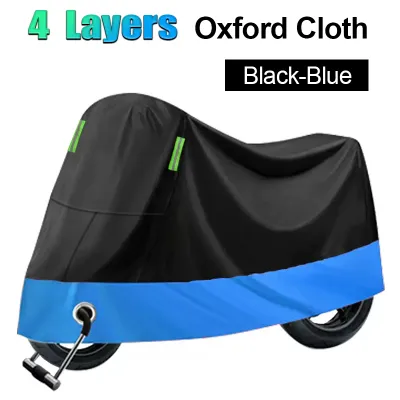
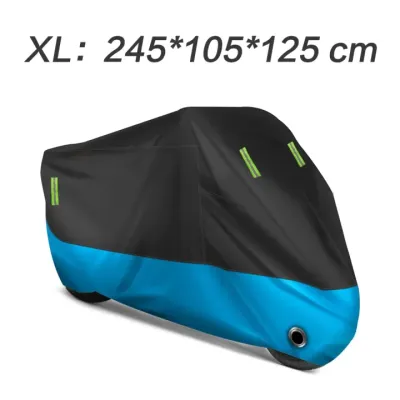
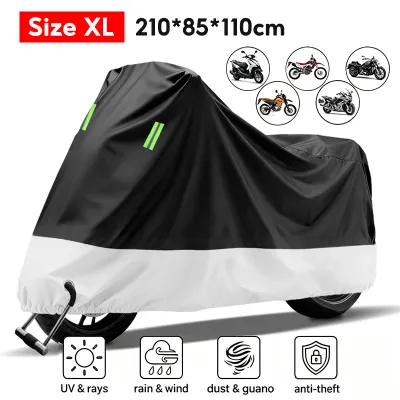
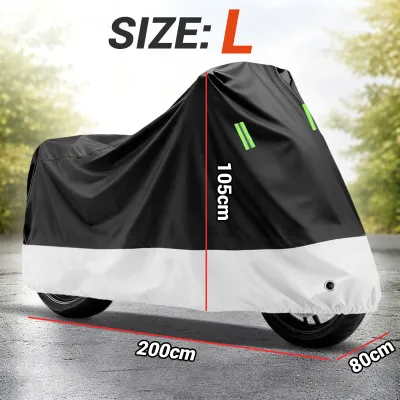
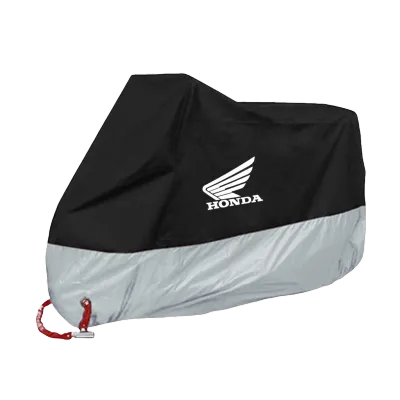
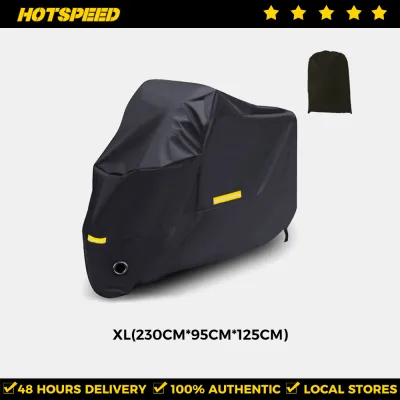
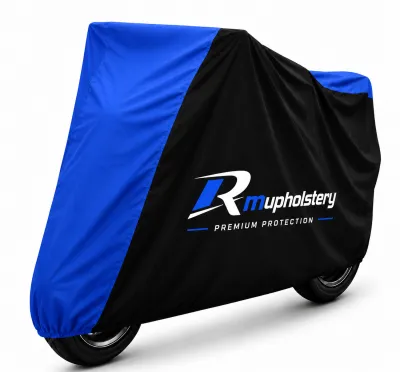
Prices are valid at publication and may change. Please refer to the product page for the latest price.

When evaluating a cover, look for hydrostatic head ratings on the product specifications. This rating, measured in millimeters, indicates the amount of water pressure the fabric can withstand before leaking. Additionally, ensure the cover features heat-sealed or taped seams, as water can easily penetrate the needle holes created during the stitching process.
UV Protection
The intense sunlight in the Philippines can cause severe damage to your motorcycle over time. Ultraviolet radiation degrades plastic fairings, fades paint clear coats, and causes leather or vinyl seats to crack. A heavy-duty cover must incorporate UV-blocking treatments or a highly reflective outer layer to mitigate this damage.
Many high-quality covers feature a silver-coated exterior or are made from solution-dyed fabrics that resist UV degradation. This reflective surface not only protects the aesthetic components of your bike but also helps lower the temperature underneath the cover, reducing heat buildup on sensitive electronic components and rubber seals.
Breathability and Ventilation
While keeping water out is essential, allowing trapped moisture to escape is equally important. When a warm motorcycle is covered, or when moisture evaporates from the ground after a rainstorm, condensation can build up on the inside of the cover. This trapped humidity creates a microclimate that accelerates rust on metal parts, corrodes electrical connectors, and promotes mold growth on the seat.
To prevent this, look for covers equipped with strategically placed air vents. These vents should feature protective flaps or cowls that allow hot air and moisture to escape while preventing rain from entering. Proper ventilation ensures a dry environment underneath the cover, even during highly humid days.
Wind Security
Strong winds during typhoons or sudden afternoon thunderstorms can easily turn a loose cover into a sail. If the cover is not secured properly, it can flap violently, scratching your motorcycle’s paintwork, or be blown away entirely. Robust wind security features are non-negotiable for outdoor parking.
Evaluate the cover’s securing mechanisms before purchasing. Look for heavy-duty elastic hems at the front and rear to provide a snug fit around the tires. Additionally, adjustable under-belly straps with durable buckles and reinforced grommets allow you to tie the cover down securely, ensuring it remains in place during high winds.
Sizing and Fitment Checks for Your Motorcycle
Measuring the Motorcycle
Selecting the correct size is critical to ensuring the cover performs as intended. Do not rely on generic size labels like “Medium” or “Large,” as sizing standards vary significantly between manufacturers. Instead, use a physical tape measure to record the exact dimensions of your motorcycle.
Measure the maximum length from the front tire edge to the rear fender or license plate. Record the width at the widest point, which is typically the handlebars or side mirrors. Finally, measure the height from the ground to the highest point of the motorcycle, such as the mirrors or windshield.
Accounting for Accessories
If you have modified your motorcycle with aftermarket accessories, you must account for them in your measurements. Items such as top boxes, side panniers, crash guards, and extended windshields significantly alter the overall silhouette and dimensions of the vehicle.
Many manufacturers offer specialized covers designed to accommodate top boxes or windshields. When reviewing sizing charts, check if the dimensions listed are for a standard configuration or if they include allowances for these common modifications. Choosing a cover that is too small will strain the seams and lead to premature tearing.
Understanding Sizing Charts
Compare your physical measurements against the manufacturer’s sizing chart. A proper fit should be snug but not overly tight. A cover that is too tight will stretch the fabric and seams, reducing its lifespan and water resistance.
Conversely, a cover that is too loose will flap in the wind, causing abrasive wear on your motorcycle’s paint and increasing the risk of wind damage. If your measurements fall between two sizes, it is generally safer to select the larger size, provided the cover features adjustable straps to tighten the excess fabric.
Accommodating Different Motorcycle Types
Different motorcycle styles require different cover shapes. Scooters and underbones typically have a lower profile but may require extra width around the floorboard or leg shields. Adventure bikes and touring motorcycles have high handlebars, tall windshields, and wide engines that require a more generous cut.
Ensure the cover you select is designed for your specific type of motorcycle. Using a cruiser cover on a sportbike, for example, may leave large areas of the lower vehicle exposed while leaving excess fabric flapping at the top.
Exhaust Clearance and Heat-Resistant Panels
The exhaust pipe of a recently ridden motorcycle reaches extremely high temperatures. If a standard polyester or nylon cover comes into contact with a hot exhaust, it will melt instantly, damaging both the cover and the motorcycle’s metal surfaces.
Check if the cover includes heat-resistant panels near the bottom rear. These panels are made from specialized materials designed to withstand high temperatures. If the cover does not feature these panels, you must verify the clearance and plan to let the engine and exhaust cool completely before applying the cover.
How to Evaluate Material Quality and Construction
Outer vs. Inner Layers
A high-quality heavy-duty cover typically utilizes a multi-layer construction to provide comprehensive protection. The outer layer must be rugged and weather-resistant, often made from high-denier polyester (such as 300D or 600D) or solution-dyed acrylic. The denier rating indicates the thickness and density of the fibers; a higher number generally correlates with greater tear resistance.
The inner layer should feature a soft, non-abrasive lining to protect your motorcycle’s clear coat and plastic fairings. Look for linings made from brushed cotton, fleece, or microfiber. This soft interior prevents micro-scratches that can occur when the cover shifts due to wind or during installation and removal.
Seam Construction
The seams are the most vulnerable points of any motorcycle cover. Inspect the stitching quality closely before purchasing. High-quality covers feature double-stitched, overlapping seams (often referred to as felled seams) that distribute tension evenly and resist tearing under stress.
Furthermore, verify if the seams are heat-sealed or taped on the interior. Unsealed seams contain thousands of tiny needle holes that will allow water to seep through during heavy rains. Taped seams ensure a completely waterproof barrier along all joint lines.
Hardware Quality
The overall durability of a cover is heavily dependent on the quality of its hardware. Examine the buckles, grommets, and adjustment straps. Buckles should be constructed from impact-resistant, UV-stabilized polymer that will not become brittle or crack after prolonged exposure to intense sunlight.
Grommets, which are used for securing locks or tie-down cords, should be made of rust-resistant materials such as brass, aluminum, or heavy-duty plastic. Metal grommets that are not rust-resistant will quickly corrode in the humid Philippine climate, staining the fabric and eventually tearing away from the cover.
Verifying Claims
Avoid relying solely on promotional marketing terms like “100% waterproof” or “indestructible.” Instead, verify these claims by checking the product manual, warranty terms, and official manufacturer documentation.
Additionally, read verified user feedback on online marketplaces and ecommerce platforms. Look for long-term reviews from users who have exposed the cover to similar outdoor conditions for several months. Pay attention to comments regarding color fading, seam separation, and water penetration over time.
Installation, Maintenance, and Care Guidelines
Installation Best Practices
Proper installation is essential to maximize the lifespan of both your cover and your motorcycle. Before applying the cover, ensure the motorcycle is clean and dry. Dust, dirt, or road grit trapped between the cover and the paint can act like sandpaper when the wind blows, causing fine scratches.
If your cover does not feature heat-resistant panels, allow the engine and exhaust pipe to cool completely to the touch before covering. Drape the cover over the motorcycle from front to back, aligning any mirror pockets. Secure the under-belly straps and adjust the elastic hems to ensure a snug, wind-resistant fit.
Cleaning the Cover
Accumulated dirt, bird droppings, tree sap, and environmental pollutants can degrade the cover’s fabric and strip its protective coatings over time. Regular cleaning is necessary to maintain its performance. Follow the manufacturer’s specific cleaning instructions.
Generally, you should hand-wash the cover while it is draped over the motorcycle using mild soap and lukewarm water. Avoid using harsh detergents, bleach, or fabric softeners, as these chemicals can destroy the waterproof and UV-resistant coatings. Never machine-wash or machine-dry a heavy-duty cover unless explicitly permitted by the manufacturer.
Inspecting for Wear
Regularly inspect your cover for signs of physical degradation. Look for thinning fabric, cracking or peeling of the inner waterproof lining, loose or fraying stitching, and stretched-out elastic hems.
If you notice water seeping through the fabric during rain, or if the securing straps show signs of fraying, take immediate action. You may need to reapply a fabric-safe waterproofing spray to restore water repellency, or plan to replace the cover if the structural integrity is compromised.
Storage Conditions
Proper storage prevents the growth of mold and mildew, which can damage the cover and transfer unpleasant odors to your motorcycle. Never fold or store a wet or damp cover.
Allow the cover to air dry completely in a shaded area before folding it. Store the dry cover in its designated carrying bag or a cool, dry place away from direct sunlight and pests. Avoid storing the cover near sharp objects that could puncture the fabric.
Frequently Asked Questions (FAQ)
Can I use a heavy-duty cover on a motorcycle with a hot exhaust?
Using a standard cover on a hot exhaust poses a significant risk of melting the fabric onto the metal or even starting a fire. You must check if the cover is equipped with specialized heat-resistant panels in the exhaust area. If it is not, or if you are unsure of the material’s temperature rating, always allow the engine and exhaust pipe to cool down completely before covering the vehicle.
How often should I replace my outdoor motorcycle cover?
There is no fixed calendar timeline for replacing a cover, as lifespan depends heavily on local weather exposure and material quality. Instead, monitor the cover for observable signs of failure. You should replace the cover when you notice persistent water leakage, cracking or peeling of the inner waterproof coating, severe fabric thinning, or a complete loss of elasticity in the securing hems.
Are lock holes and grommets necessary for security?
Reinforced lock holes and grommets are highly beneficial for outdoor parking. They allow you to pass a cable lock or U-lock through the cover and the motorcycle’s wheel or frame, securing the cover against theft and preventing it from being blown away by extreme winds. While these features deter opportunistic theft of the cover itself, they should be used in conjunction with primary security measures to protect the motorcycle.

Community discussion
Share your experience or ask a question. Comments are reviewed before publication.