
Finding the ideal waterproof motorcycle shoe covers for daily commuting in the Philippines requires balancing immediate water protection with long-term road safety. During the sudden, intense downpours of the tropical wet season, a reliable pair of shoe covers keeps your footwear dry, prevents waterlogged socks, and ensures you arrive at your destination looking professional. The right choice depends heavily on your daily route, the type of shoes you wear to work, and how quickly you need to transition from riding to walking.
Commuting on two wheels in urban areas presents unique challenges, from oil-slicked asphalt at busy intersections to unexpected wading through shallow street floods. Standard footwear rarely stands up to these conditions, and wet feet can quickly lead to discomfort, distraction, and reduced control over your motorcycle’s foot pegs. By understanding what features make a shoe cover durable and safe, you can make an informed purchase that protects your feet without compromising your control on the road.
Key Features to Look for in Daily Commuting Shoe Covers
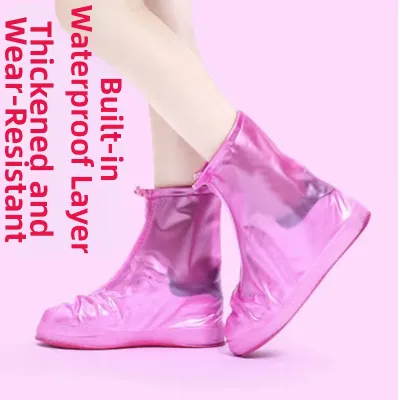
When evaluating shoe covers for daily use, material durability and construction quality should be your primary concerns. Many products claim to be completely waterproof, but their performance depends heavily on how the seams are joined. Look for covers with heat-sealed or taped seams rather than simple stitching, as water under pressure from wind and speed will easily penetrate needle holes. Heavy-duty materials like thick polyvinyl chloride (PVC) or polyurethane-coated nylon offer excellent resistance to tearing and water penetration, provided you verify the manufacturer’s specifications and care instructions.
Products mentioned in this guide
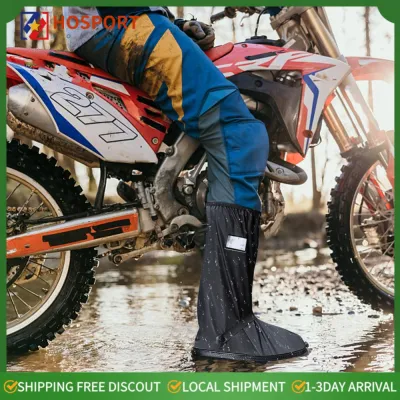
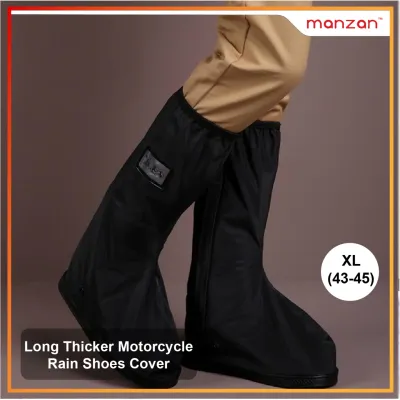
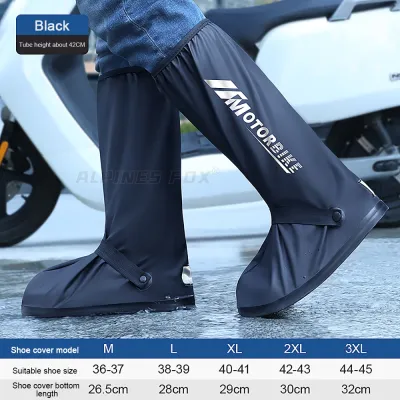
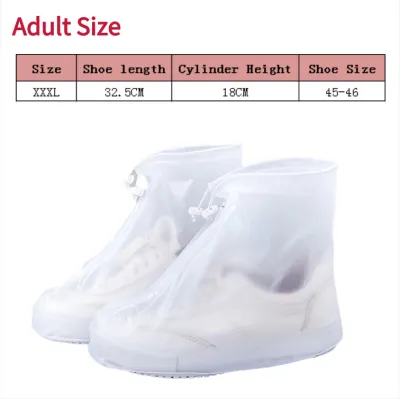
Prices are valid at publication and may change. Please refer to the product page for the latest price.
Sole grip is another non-negotiable safety feature for motorcycle riders. When you come to a stop at a traffic light on a wet road, your foot must plant firmly on asphalt that may be covered in a mixture of rainwater, engine oil, and road grime. Look for shoe covers featuring vulcanized rubber soles with deep, slip-resistant tread patterns. Avoid thin, smooth plastic bottoms, which offer virtually no traction on wet pedestrian lanes, painted road markings, or the polished tile floors of office building lobbies and parking garages.
Ease of use determines whether you will actually use your covers or leave them packed away when a sudden shower begins. A good commuter shoe cover should feature a wide opening that allows you to slide your foot in quickly without removing your primary shoes. Secure closure systems, such as a combination of a heavy-duty zipper and a wide hook-and-loop storm flap, help keep water out while allowing for rapid adjustments. Elastic top bands or drawstrings are also essential to prevent water from dripping down your shins and entering the top of the cover.
Comparing the Main Types of Waterproof Shoe Covers
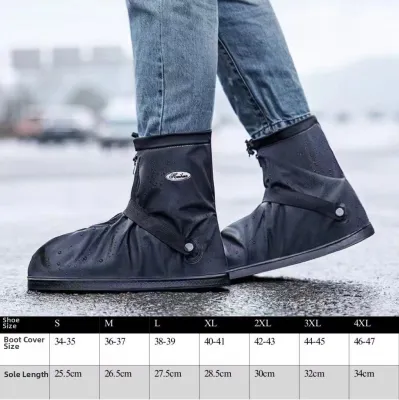
Overshoes with zippered or hook-and-loop closures are the most common design for daily commuters. These covers typically feature a structured sole and a high-top design that extends up to the mid-calf. The main advantage of this style is its durability and ease of entry, as the wide opening accommodates bulky sneakers and formal leather shoes alike. However, the presence of a zipper introduces a potential point of failure; if the zipper lacks a wide, protective backing flap, wind-driven rain can eventually force its way through the teeth during long rides.

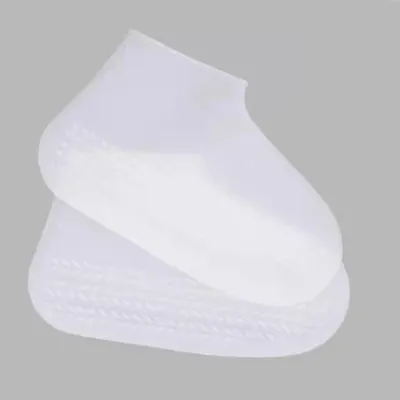
Pull-on silicone or rubber booties offer a highly elastic, form-fitting alternative. These seamless covers stretch directly over your shoes, creating a tight, low-profile barrier against water. Because they have no zippers or seams, they are exceptionally waterproof and fold down into an incredibly compact size that easily fits under your motorcycle’s seat or in a small backpack pocket. On the downside, silicone booties lack breathability, which can lead to sweaty feet in warm tropical weather, and their thin soles wear out rapidly if you walk on rough concrete or gravel surfaces.
For riders facing extreme daily commutes or long hours on the road, the decision often comes down to choosing between removable shoe covers and investing in dedicated waterproof riding boots. While covers are highly convenient, affordable, and allow you to wear your preferred office shoes immediately upon arrival, they do not offer the impact protection, ankle support, or long-term durability of a dedicated riding boot. If your daily commute involves high-speed highway riding or navigating severe monsoon weather, upgrading to integrated waterproof boots may be a safer and more reliable long-term solution.
Adapting to Tropical Rain and Flooded Streets
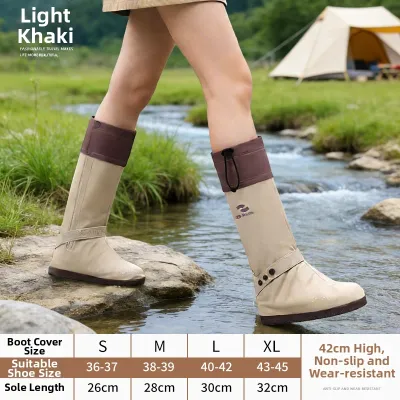
Navigating the wet season in the Philippines requires gear that can handle both torrential downpours and localized street flooding. It is crucial to understand that shoe covers have physical height limits, usually ending around the mid-calf. If you attempt to ride through flooded streets where the water level rises above the top of your covers, water will inevitably flood the interior. To maximize protection, always wear your rain pants over the outside of your shoe covers rather than tucking them inside; this ensures that water running down your pants sheds off the exterior instead of channeling directly into your shoes.
Tropical heat and high humidity present another challenge for riders trying to stay dry. Absolute waterproofing often means trapping body heat, which can cause your feet to sweat excessively during slow-moving, stop-and-go traffic. While breathable waterproof membranes exist, they are often more expensive and require careful maintenance. For short daily commutes, a standard non-breathable PVC cover is usually sufficient, but you can manage humidity by wearing moisture-wicking socks and removing the covers as soon as you reach your destination to let your feet air out.
Low visibility is a major hazard during heavy rainstorms, especially during early morning or late evening commutes. When choosing shoe covers, prioritize designs that incorporate high-visibility colors or strategic reflective elements along the heels and sides. Because your feet are positioned low on the motorcycle, reflective patches in this area are highly visible to the headlights of trailing or passing vehicles, significantly improving your safety profile when riding through dark, rain-slicked streets.
How to Evaluate and Build Your Product Shortlist
To build a reliable shortlist of potential shoe covers on online marketplaces or in physical motorcycle gear shops, start by carefully analyzing size charts. Do not rely solely on your standard shoe size, as the external dimensions of your footwear can vary dramatically. A bulky running shoe or a structured work boot has a much larger footprint than a slim canvas sneaker. Measure the actual outer sole length of the shoes you plan to wear most often while commuting, and select a shoe cover size that offers a slightly larger internal clearance to prevent tearing the material during entry.
Next, inspect the product descriptions and verified user reviews for critical construction details. Look for close-up photos of the interior seams to confirm they are sealed with waterproof tape. Pay close attention to the toe area on the left cover; because motorcycle riders constantly use this spot to shift gears, a reinforced gear-shift patch is essential to prevent the shifter peg from wearing a hole through the waterproof material. Reading user feedback specifically for mentions of water leakage or premature tearing will help you filter out low-quality options.
Finally, consider the practical aspects of your purchase, such as return policies and warranty conditions. Because proper fit is critical to both safety and waterproofing, ensure the seller offers a straightforward exchange policy in case the covers are too tight or excessively loose. A loose, flapping shoe cover can easily snag on your motorcycle’s foot pegs or gear shifter, creating a serious safety hazard. Checking for these details before finalizing your purchase helps ensure you receive a product that fits securely and performs reliably.
Cleaning and Storing Your Shoe Covers for Longevity
Proper maintenance is essential to extend the lifespan of your waterproof shoe covers and prevent the buildup of unpleasant odors. After riding through a storm, your covers will likely be coated in road grime, oil residues, and dirty water. Always rinse the exterior with clean tap water as soon as possible to remove these contaminants, which can degrade the waterproof coatings over time. If the interiors have become damp from sweat or water ingress, wipe them down with a mild soapy solution and rinse thoroughly.
When drying your covers, always hang them in a well-ventilated, shaded indoor area. Never expose them to direct sunlight or use high-heat sources like hair dryers, as extreme heat can warp PVC, melt seam-sealing tape, and cause rubber soles to crack and degrade. Ensure the covers are completely dry inside and out before folding them. Storing damp gear in a closed compartment creates a breeding ground for mold, mildew, and bacteria, which will quickly ruin the material and cause persistent odors.
To store your covers on your motorcycle, fold them gently along their natural seams rather than rolling them tightly or stuffing them carelessly into your top box or under-seat compartment. Sharp, repeated creases can weaken waterproof membranes and cause the material to crack over time. Keep them in a dedicated, breathable storage pouch to protect them from sharp tools or loose items in your cargo box. Regularly inspect the soles for wear and check the seams for peeling tape, replacing the covers promptly if you notice any signs of structural failure.
Frequently Asked Questions (FAQ)
Can I use regular plastic bags as a temporary shoe cover?
Using regular plastic bags as a makeshift shoe cover is highly discouraged due to severe safety risks. Plastic bags have no structural integrity and offer zero traction, making them incredibly slippery on wet asphalt, metal foot pegs, and painted road lines. They can easily tear within seconds of riding, especially when shifting gears, leaving your shoes exposed to water while creating a dangerous distraction. For your safety, always use purpose-built motorcycle shoe covers with proper rubber soles that provide reliable grip and durability.
Do waterproof shoe covers fit over heavy work boots?
Standard waterproof shoe covers may not fit easily over heavy work boots or steel-toed safety shoes due to their bulky outer dimensions and wide soles. If you must wear heavy boots for work, you should carefully measure the maximum length and width of the boot’s sole before purchasing. You will likely need to select a shoe cover that is one or two sizes larger than your standard shoe size, or look specifically for oversized, wide-fit overshoes designed to accommodate industrial or adventure-style footwear.

Community discussion
Share your experience or ask a question. Comments are reviewed before publication.