
Navigating the sudden, torrential downpours of the Philippine rainy season can quickly turn a routine drive into a stressful test of vehicle control, especially when your tires struggle to maintain a grip on slick, waterlogged roads. For vehicles equipped with 205/70R15 tires—a common size for compact SUVs, crossovers, and older utility vehicles—selecting the right replacement tire is a critical safety decision that directly impacts how well your vehicle handles wet pavement and resists hydroplaning. To ensure maximum safety during heavy rains, you must choose a replacement tire that features deep water-evacuation channels, a high-traction rubber compound, and load and speed ratings that match or exceed your vehicle manufacturer’s original specifications.
Why Do Wet Grip and Hydroplaning Resistance Matter for 205/70R15 Tires?
Wet grip and hydroplaning resistance are critical because they determine whether your vehicle maintains physical contact with the road or slides uncontrollably over a layer of water during heavy downpours. Hydroplaning occurs when a layer of water builds up between the tire tread and the road surface, leading to a complete loss of traction and steering control. The physical dimensions of a 205/70R15 tire play a significant role in this dynamic. The “205” indicates a section width of 205 millimeters, which creates a moderately wide contact patch. While a wider contact patch can offer excellent dry stability, it also presents more surface area that must push through standing water. If the vehicle’s weight is relatively light or the driving speed is too high, the tire may fail to cut through the water film, causing the vehicle to float.
In the Philippines, the rainy season regularly brings intense monsoon rains and localized street flooding. When roads accumulate standing water, a tire must act as a highly efficient pump. At highway speeds, a tire needs to displace liters of water every second to keep the rubber in direct contact with the asphalt. If the water cannot escape from underneath the contact patch quickly enough, the tire loses its grip, making braking and steering nearly impossible.
Products mentioned in this guide
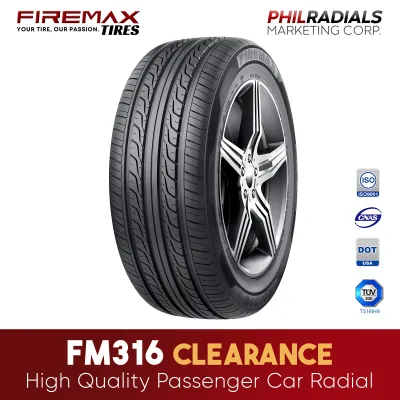
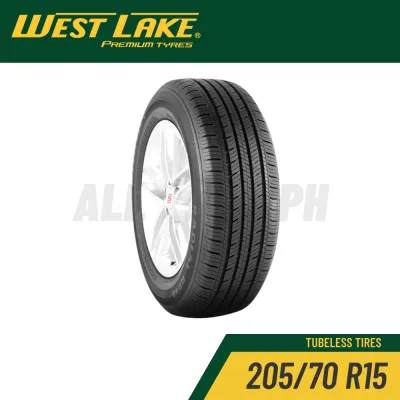
8 Lazada user ratings
items delivered are correct as per order. quality looks good. DOT 0825. these tires are good when you dont have that much budget.. will be i…Read full reviewShow less
items delivered are correct as per order. quality looks good. DOT 0825. these tires are good when you dont have that much budget.. will be installing these to the front tires of a honda crv gen 2.
God quality. Thank u
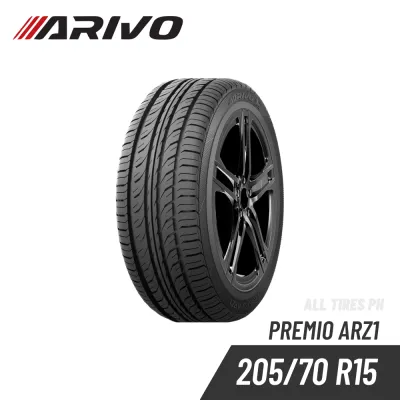
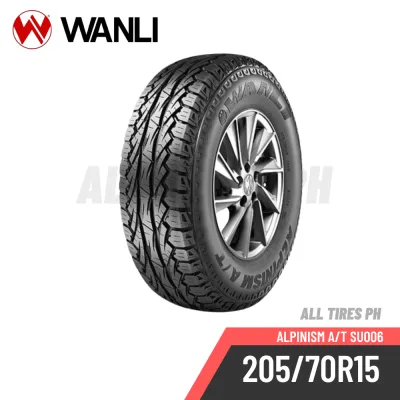
296 Lazada user ratings
Stylish design that complements any vehicle., Reliable and trustworthy tire brand., Excellent traction on various road surfaces., Impressive…Read full reviewShow less
Stylish design that complements any vehicle., Reliable and trustworthy tire brand., Excellent traction on various road surfaces., Impressive durability and long-lasting., Impressive durability and long-lasting.,
Excellent traction on various road surfaces., Impressive durability and long-lasting., Superb braking performance for added safety., ?akapit…Read full reviewShow less
Excellent traction on various road surfaces., Impressive durability and long-lasting., Superb braking performance for added safety., ?akapit sya tested sa long drive today 240km
Superb braking performance for added safety., Stylish design that complements any vehicle., Reliable and trustworthy tire brand.,
🛠️Durability:Impressive durability and long-lasting., 🦶Traction:Excellent traction on various road surfaces.,
Smooth and comfortable ride., Excellent traction on various road surfaces., Great tire performance!,
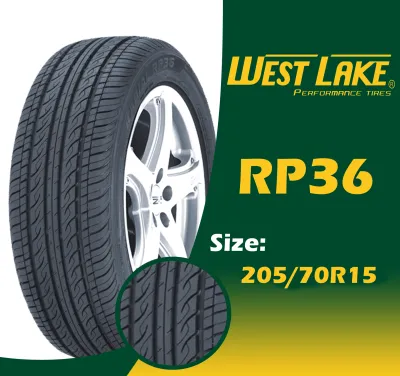
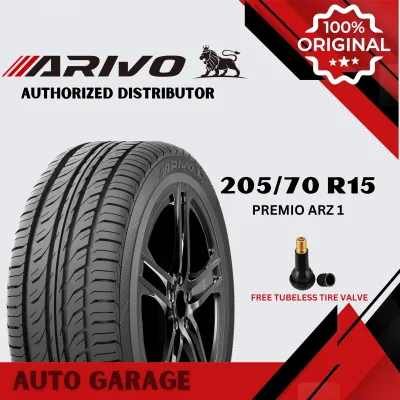
19 Lazada user ratings
Safe and reliable choice, Enhanced stability and control, Excellent wet road performance, High-quality rubber material,
🛠️Durability:10 💰Price:10 🦶Traction:10
Great value for money,
good and brand new
12 Lazada user ratings
Easy to install and use, Keep your display cabinet safe, Enhance the security of your glass door, Secure your showcase with ease, Convenient…Read full reviewShow less
Easy to install and use, Keep your display cabinet safe, Enhance the security of your glass door, Secure your showcase with ease, Convenient sliding serrated lock, No brand, but high quality,
ROOM FOR RENT WITH TERRACE 3,500 MOTHLY 2MOTH DEPOSIT 1MOTH ADVANCE GIRL ONLY LOCATION NORTH OLYMPUS SUBDIVISION ZABARTE KALIGAYAHAN QUEZON …Read full reviewShow less
ROOM FOR RENT WITH TERRACE 3,500 MOTHLY 2MOTH DEPOSIT 1MOTH ADVANCE GIRL ONLY LOCATION NORTH OLYMPUS SUBDIVISION ZABARTE KALIGAYAHAN QUEZON CITY CONTACT NUMBER 09983048212
ok maganda ang monitor malinaw ang ganda ng kulay malaki ok s computer shop mura ko nabile 2800 na lang
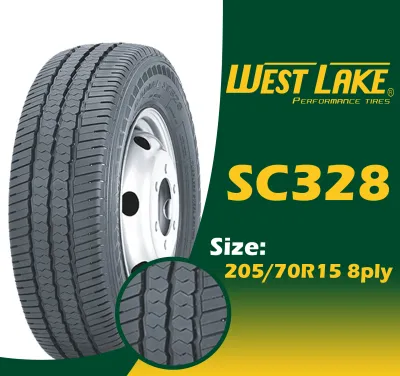
Made by top 10 global tire manufacturer, Stability on dry and wet surfaces, Safe and comfortable ride,
85 Lazada user ratings
Enhanced safety features for worry-free driving, Reliable and durable tires, Long-lasting and wear-resistant tires, Long-lasting and wear-re…Read full reviewShow less
Enhanced safety features for worry-free driving, Reliable and durable tires, Long-lasting and wear-resistant tires, Long-lasting and wear-resistant tires, Smooth and comfortable driving experience,
perfect cya magamit din sa van namin kinabit at kaya nman nya Kahit 18 seater ung van at brand new cya at latest ang manufacturing date nya …Read full reviewShow less
perfect cya magamit din sa van namin kinabit at kaya nman nya Kahit 18 seater ung van at brand new cya at latest ang manufacturing date nya ..
Enhanced safety features for worry-free driving, Easy installation and hassle-free maintenance, Long-lasting and wear-resistant tires,
Enhanced safety features for worry-free driving, Easy installation and hassle-free maintenance, long lasting performance
its good this time
107 Lazada user ratings
ayos maganda kaso 2023 year model nya pero ok na rin mura lng naman salamat po
very responsible and responsive seller..good job...courier nice one...
🛠️Durability:perfect sa suv,thanks seller at lazada...
why only 2 delivered? we're are the other 2 tires?
Very Good.... Almost 1 month bago dumating
Prices are valid at publication and may change. Please refer to the product page for the latest price.
This is why adequate tread depth is the single most important factor in preventing hydroplaning. As a tire wears down, the volume of its grooves decreases, drastically reducing its capacity to channel water away. A half-worn tire has significantly less water-evacuation capability than a brand-new one, and a fully worn tire is highly susceptible to hydroplaning even at moderate speeds. Maintaining a deep, functional tread is not just a matter of extending tire life; it is a fundamental safety requirement for surviving unpredictable tropical storms.
Which Tread Patterns Offer the Best Water Evacuation for Heavy Rain?
Directional and asymmetric tread patterns generally offer the most efficient water evacuation for heavy rain due to their dedicated channels designed to push water away from the tire’s center. When shopping for a 205/70R15 replacement tire, visually analyzing the tread pattern is one of the most reliable ways to evaluate its wet-weather potential. Tread designs are broadly categorized into symmetric, asymmetric, and directional patterns, each offering distinct performance trade-offs. Symmetric patterns feature identical tread halves and are highly valued for their quiet ride and long wear life, but they may not evacuate water as rapidly as specialized designs.

Directional tread patterns are engineered specifically for superior water displacement. They feature a distinct V-shaped or sweeping groove design that points in the direction of forward tire rotation. This configuration acts as a physical pump, forcing water from the center of the tire outward through the shoulders as the tire rolls. For drivers who frequently encounter heavy standing water or highway pooling, directional tires provide exceptional hydroplaning resistance. However, they must be mounted in a specific direction, which limits tire rotation options during routine maintenance.
Asymmetric tread patterns combine different designs on the inner and outer halves of the tire. The inner side typically features large, open grooves designed to evacuate water quickly, while the outer side has larger, stiffer tread blocks to improve cornering grip on dry roads. This dual-purpose design provides a balanced performance profile, offering excellent wet grip alongside sharp handling.
Regardless of the pattern type, you should look for tires with wide circumferential grooves—the deep, continuous channels running around the circumference of the tire—and numerous lateral sipes, which are small slits cut into the tread blocks. These features work together to slice through the surface tension of the water and channel it away from the contact patch. Before purchasing, visually inspect the depth and width of these channels; wider, deeper grooves are inherently better equipped to handle heavy tropical downpours.
What Tire Compounds and Features Maintain Traction on Wet Roads?
Silica-enriched rubber compounds and high-density siping are the primary material features that maintain traction on wet roads by keeping the tire flexible and creating biting edges to cut through water films. While tread patterns physically move water out of the way, the chemical composition of the tire rubber determines how well the tire actually grips the wet pavement. Traditional rubber compounds tend to harden as temperatures fluctuate or when subjected to continuous friction, which can reduce their ability to conform to microscopic road imperfections. Modern tire manufacturers address this by blending silica into the rubber compound. Silica-enriched compounds allow the tread to remain highly flexible and pliable even when cooled by rain, ensuring that the rubber can mold itself to the road surface for maximum mechanical grip.
In addition to the compound, the density of sipes—the microscopic slits molded into the tread blocks—is a crucial feature for wet traction. As the tire rolls onto a wet surface, these sipes flex and open up, creating a vacuum effect that draws in tiny amounts of water while presenting sharp biting edges to the road. These edges cut through the thin film of water that remains after the main grooves have evacuated the bulk of the volume. A tire with high sipe density will generally exhibit much shorter stopping distances on wet asphalt than a tire with solid, unbroken tread blocks.
To verify these capabilities without relying on marketing claims, you should check the standardized ratings molded onto the tire sidewall or printed on the manufacturer’s label. The Uniform Tire Quality Grading (UTQG) system includes a Traction rating, graded from AA (the highest) to A, B, and C. For reliable rainy-season performance, look for tires rated A or AA. Additionally, if the tire carries a European tire label, check the wet grip rating, which is graded from A to E. Keep in mind that tires optimized for extreme wet grip may have slightly higher rolling resistance, which can marginally affect fuel efficiency, so you must balance your priority between maximum wet safety and daily fuel economy.
How Do You Verify Load and Speed Ratings for Your Specific Vehicle?
You can verify your vehicle’s required load and speed ratings by checking the alphanumeric code printed on your current tire’s sidewall and comparing it directly to the specifications in your vehicle’s owner’s manual. Safety on wet roads depends heavily on ensuring your replacement tires can support your vehicle’s weight and handle its operational speeds. Every tire has a service description molded into the sidewall immediately following the size designation. For example, in a tire marked “205/70R15 96H,” the number “96” is the load index, and the letter “H” is the speed rating. The load index represents the maximum weight the tire can safely carry when fully inflated, while the speed rating indicates the maximum speed at which the tire can safely dissipate heat under its recommended load.
It is a critical safety boundary that you must never install tires with a lower load index or speed rating than those specified by your vehicle’s original equipment manufacturer (OEM). Doing so can lead to premature tire failure, excessive heat buildup, and compromised handling, particularly when navigating wet roads. To find your vehicle’s exact requirements, consult the owner’s manual or locate the tire information placard, which is typically found on the driver’s side door jamb, inside the glove box, or on the fuel filler flap.
During the rainy season, vehicles are often loaded with passengers and luggage for long family trips or commutes through challenging weather. An under-rated tire operating under heavy loads on a wet highway is highly susceptible to structural failure. Furthermore, lower speed ratings often correlate with softer sidewalls, which can reduce steering response and stability when making sudden evasive maneuvers on slippery roads. Always match or exceed the original OEM specifications to maintain the structural integrity and safety of your vehicle’s suspension and braking systems.
When Is It Time to Replace Your Current 205/70R15 Tires?
You should replace your current tires when the tread depth wears down to 1.6mm, or when you observe physical signs of rubber degradation such as cracking, bulging, or dry rot. Knowing exactly when to retire your old tires is essential for maintaining safety before the heavy rains begin. Most tires feature built-in tread wear indicator (TWI) bars, which are small raised ridges located inside the main tread grooves. When the tread wears down to be flush with these bars, the tire has reached the legal limit of 1.6 millimeters of remaining tread depth and must be replaced immediately. However, for safe driving in heavy rain, many safety experts recommend replacing tires when they reach 3 millimeters of tread depth, as wet traction degrades significantly long before the tire is completely bald.
If you do not have a dedicated tread depth gauge, you can perform a simple check using a local coin. In the Philippines, placing a ₱1 or ₱5 coin into the main tread grooves can give you a quick visual reference. If the outer rim of the coin is fully visible when inserted, your tread is dangerously low and will not provide adequate water evacuation during a downpour.
Beyond tread depth, you must inspect your tires for physical signs of aging and damage. The tropical climate in the Philippines, characterized by intense heat, high humidity, and strong UV exposure, accelerates the aging process of rubber. Inspect the sidewalls and tread valleys for fine cracks, which indicate dry rot and compromised structural integrity. Look for any unusual bulges, bubbles, or cuts, which suggest internal belt damage. Even if a tire has plenty of tread left, rubber compounds naturally harden and lose their wet-grip properties over time. Any tire that is more than five to six years old should be thoroughly inspected by a professional, and tires older than ten years should be replaced regardless of their visual appearance or remaining tread.
Where Should You Buy and Install Your Replacement Tires?
You should purchase your replacement tires from authorized dealers or established automotive service centers and have them professionally installed to ensure safety and proper performance. Purchasing from authorized brand dealers or reputable local tire shops guarantees that you are getting genuine, first-quality products rather than counterfeit, damaged, or improperly stored stock. Online marketplaces can be convenient, but you must ensure the seller is an authorized distributor to avoid buying expired or poorly stored tires that have degraded before ever being mounted.
To verify the freshness of the rubber, always check the Department of Transportation (DOT) date code molded onto the tire sidewall. This is a four-digit code where the first two digits represent the week of manufacture and the last two digits represent the year. For example, a code of “3226” means the tire was manufactured in the 32nd week of 2026. Avoid purchasing tires that have been sitting in warehouse storage for more than a few years, as the rubber compound may have already begun to harden, reducing its wet-grip capabilities.
Finally, tire installation is a safety-critical task that must be performed by a qualified professional. Proper mounting prevents damage to the tire bead, while precise wheel balancing ensures a smooth ride and prevents premature wear on your suspension components. Additionally, a professional wheel alignment should always be performed when installing new tires. Misaligned wheels cause uneven tread wear, which can rapidly destroy your new tires’ ability to evacuate water evenly, compromising your safety during the heavy rains of the Philippine wet season.

Community discussion
Share your experience or ask a question. Comments are reviewed before publication.