
The best concentrate coolant for the Philippines is one that strictly matches your vehicle manufacturer’s original equipment manufacturer (OEM) chemical specification—whether Organic Acid Technology (OAT), Hybrid Organic Acid Technology (HOAT), or Inorganic Additive Technology (IAT)—diluted with distilled water to the recommended ratio (typically 50/50). In a tropical climate characterized by intense ambient heat and severe urban traffic congestion, the primary role of a concentrate coolant is to raise the boiling point of the cooling system and prevent internal corrosion, rather than protecting against freezing.
Selecting the wrong formulation or mixing it incorrectly can lead to reduced heat transfer, accelerated corrosion, or catastrophic engine damage. Because tropical operating conditions place a continuous thermal load on your engine, understanding how to read coolant labels and mix the concentrate correctly is essential for maintaining vehicle reliability.
Why Tropical Heat Changes Your Coolant Needs
While automotive coolant is widely referred to as “antifreeze” in colder regions, its primary function in the Philippines is “antiboil” protection and heat dissipation. The ambient temperatures in tropical environments regularly exceed 30°C to 38°C, which reduces the temperature differential between the vehicle’s radiator and the outside air. Because the air passing through the radiator is already warm, the cooling system must work significantly harder to shed the heat generated by internal combustion.
Products mentioned in this guide
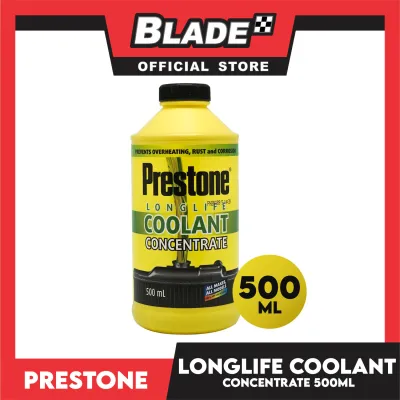
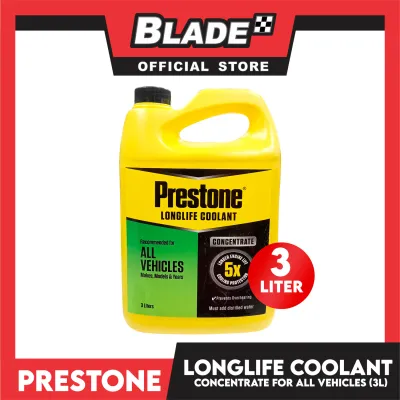
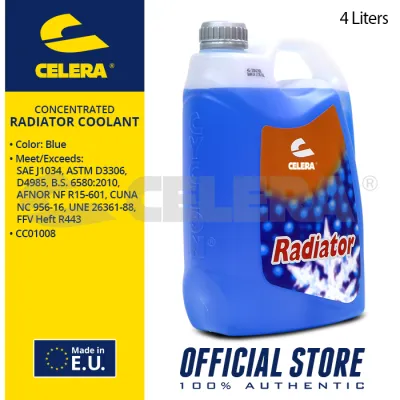
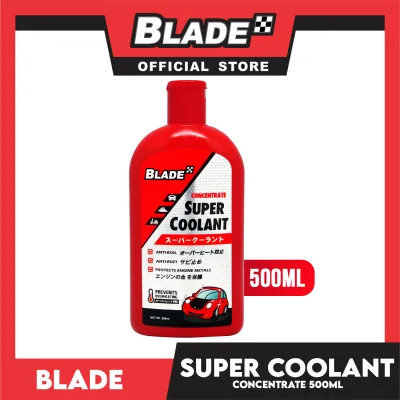
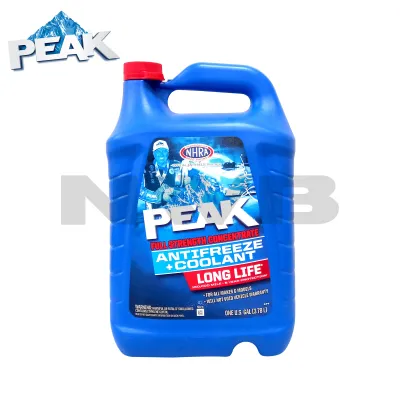
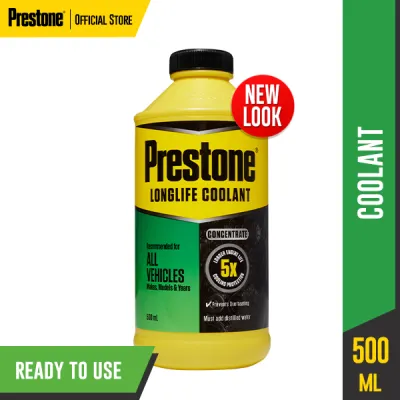
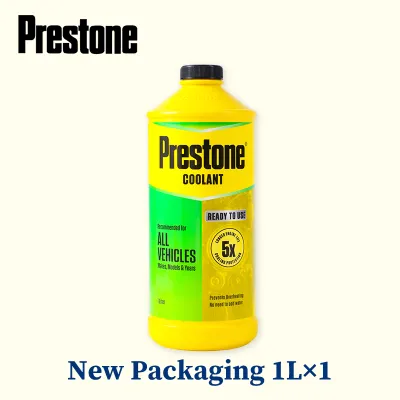
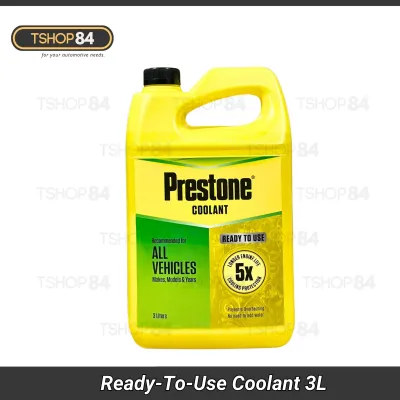
Prices are valid at publication and may change. Please refer to the product page for the latest price.
Engine operating temperatures typically range between 90°C and 105°C under normal driving conditions. When a vehicle is trapped in stop-and-go traffic along major thoroughfares like EDSA or C5, natural ram airflow through the grille drops to zero. During these prolonged idling periods, the cooling system relies entirely on the radiator fans and the thermal capacity of the coolant to transfer heat away from the engine block. If the coolant cannot efficiently absorb and release this heat, the engine will rapidly overheat.
Under pressure, a properly formulated coolant mixture has a boiling point well above 100°C. This elevated boiling point is critical because if the coolant boils inside the engine block, it transforms into steam pockets. Steam cannot transfer heat away from metal surfaces, leading to localized hot spots, warped cylinder heads, and blown head gaskets. A high-quality concentrate coolant provides the chemical stability required to prevent this vaporization under extreme thermal stress.
Key Specifications to Check on Concentrate Coolant Labels
When purchasing a concentrate coolant, you must select a formulation based on its chemical technology rather than its color. Modern vehicles use highly specific metallurgy in their engines, and using an incompatible coolant can rapidly destroy water pump seals, radiator cores, and aluminum cylinder heads. Always check your vehicle’s owner’s manual to identify the required specification before purchasing any product.

Coolant Technology Types
- Inorganic Additive Technology (IAT): This is the traditional green-colored coolant formulation commonly found in older vehicles manufactured before the late 1990s. It relies on fast-acting silicates and phosphates to form a protective layer over iron and aluminum parts. However, these inhibitors deplete quickly, requiring a complete flush and replacement every two years or 40,000 kilometers.
- Organic Acid Technology (OAT): Typically silicate- and phosphate-free, OAT formulations use organic acids to provide long-term corrosion protection. They are commonly specified for modern European, American, and certain Asian vehicles. OAT coolants degrade at a much slower rate, often lasting up to five years or 250,000 kilometers, but they are highly incompatible with older copper-and-brass radiator systems.
- Hybrid Organic Acid Technology (HOAT): This technology blends organic acids with a small amount of inorganic inhibitors like silicates or phosphates to offer rapid protection and long service life. Many Japanese and Korean manufacturers specify Phosphate-HOAT (P-HOAT), which is tailored for their specific aluminum engine designs, while European manufacturers often require Silicate-HOAT (Si-HOAT).
Base Fluids and Corrosion Inhibitors
Most concentrate coolants use ethylene glycol as their primary base fluid due to its excellent boiling point elevation and compatibility with system seals. Propylene glycol is occasionally used as a less toxic alternative, though it has a slightly lower heat transfer efficiency. The base fluid is combined with specialized corrosion inhibitors designed to protect modern multi-metal engines. Without these inhibitors, the hot, high-velocity coolant would cause rapid galvanic corrosion, pitting aluminum components and clogging the narrow tubes of the radiator.
Never rely on generic “universal” claims on coolant packaging. A product labeled as compatible with all makes and models may not contain the specific inhibitor package required to preserve your vehicle’s warranty or protect delicate internal seals. Always locate the specific OEM approval codes—such as Toyota Super Long Life, Honda Type 2, or VW TL 774 (G12/G13)—printed on the back of the concentrate bottle to verify compatibility.
The Critical Role of Mixing Ratios in Hot Weather
One of the most common maintenance errors is pouring pure, undiluted concentrate coolant directly into the vehicle’s radiator. Pure ethylene glycol has a significantly lower heat capacity than water, meaning it is highly inefficient at absorbing and transferring heat. If you run 100% concentrate coolant in your engine, the fluid will trap heat inside the engine block, causing the operating temperature to spike dangerously even in moderate weather.
To function correctly, concentrate coolant must be mixed with water to create a balanced solution. Water is an exceptional heat transfer medium, but it has a low boiling point, freezes easily, and promotes rapid rust and scale formation. Mixing glycol-based concentrate with water combines the superior heat-carrying capacity of water with the high boiling point and anti-corrosive properties of the coolant concentrate.
For the tropical climate of the Philippines, a 50/50 mixing ratio of concentrate coolant to water is the standard recommendation. This ratio provides an optimal balance, elevating the boiling point to approximately 108°C at atmospheric pressure (and up to 129°C when sealed under a standard 15 psi radiator cap) while maintaining excellent heat transfer properties. Some manufacturers permit a 40/60 coolant-to-water ratio in consistently hot climates to maximize heat transfer, but this reduces the concentration of corrosion inhibitors. Always consult your vehicle’s manual to confirm the approved mixing boundaries.
The Distilled Water Requirement
You must use only distilled or demineralized water when diluting concentrate coolant. Tap water, well water, and even bottled drinking water contain dissolved minerals such as calcium, magnesium, and iron, as well as treatment chemicals like chlorine. When subjected to the high temperatures and pressures inside an engine, these minerals precipitate out of the water, forming hard scale deposits along the internal cooling passages and radiator tubes. This scale acts as an thermal insulator, trapping heat inside the engine, and can eventually restrict coolant flow entirely, leading to severe overheating.
Safe Maintenance: Checking and Refilling Your Cooling System
Maintaining your vehicle’s cooling system requires strict adherence to safety protocols to prevent serious personal injury. The cooling system operates under high pressure, and the fluids inside reach temperatures well above the boiling point of water.
Safety Warning
Never open the radiator cap or the expansion tank cap while the engine is warm or hot. The sudden release of pressure can cause the superheated coolant to instantly flash into steam and spray scalding liquid, resulting in severe, life-altering burns. Always park the vehicle on a level surface, turn off the engine, and wait at least two to three hours for the system to cool completely. Before touching any cap, squeeze the upper radiator hose; if it feels hot or pressurized, the system is not yet safe to open.
Visual Inspection
To monitor your cooling system, locate the translucent plastic coolant overflow reservoir in the engine bay. The fluid level should rest between the “Low” and “Full” (or “Min” and “Max”) markings when the engine is cold.
Inspect the physical condition of the coolant through the reservoir wall or by safely removing the cap when cold:
- Color: The coolant should be bright, clear, and match its original color (e.g., bright pink, blue, or green).
- Contamination: If the fluid appears brown, muddy, or contains visible rust particles, the corrosion inhibitors have failed, and the system requires a flush.
- Oil Presence: A milky, frothy, or oil-slicked appearance inside the reservoir indicates that engine oil is mixing with the coolant, which is a primary symptom of a blown head gasket or a cracked engine block. This condition requires immediate professional repair.
Draining, Flushing, and Refilling
When replacing your coolant, follow the vehicle manufacturer’s specific instructions for draining the system. Typically, this involves opening a drain petcock at the bottom of the radiator to let the old fluid empty into a suitable container for safe disposal. Once drained, flushing the system with distilled water helps remove remaining degraded coolant and loose sediment.
When refilling, pre-mix your concentrate coolant and distilled water in a clean, separate container to ensure an even distribution of inhibitors before pouring it into the radiator. Avoid pouring the concentrate and water into the radiator separately, as they may not mix thoroughly inside the system.
Bleeding Air from the System
Refilling a dry cooling system often traps air pockets (airlocks) inside the engine block or heater core. These air pockets prevent coolant from contacting the hot metal surfaces, which can cause rapid, localized overheating and cylinder head warping.
To bleed or “burp” the air from the system:
- Leave the radiator cap or expansion tank cap off after filling the system to the proper level.
- Start the engine and set the cabin heater to its maximum temperature and fan speed to ensure coolant flows through the entire heater core circuit.
- Allow the engine to idle until it reaches normal operating temperature, which is indicated when the radiator cooling fans turn on and the upper radiator hose becomes hot (confirming the thermostat has opened).
- Watch the open radiator neck or expansion tank; as air bubbles escape, the fluid level will drop. Top up the system with your pre-mixed coolant solution as needed.
- Once the bubbles stop and the fluid level stabilizes, securely reinstall the radiator cap.
If your vehicle features a complex multi-stage cooling loop, a modern hybrid system, or requires specialized vacuum-filling equipment to purge air pockets, do not attempt to service it yourself. Stop and consult a qualified professional mechanic to perform the service safely.
Frequently Asked Questions (FAQ)
Can I use tap water to mix concentrate coolant?
No, you should never use tap water to mix concentrate coolant. Tap water contains dissolved minerals like calcium and magnesium, which react to high engine temperatures by precipitating out of solution and forming hard scale deposits. This scale coats the inside of the radiator tubes and water jackets, acting as an insulating barrier that severely reduces heat transfer. Over time, these mineral deposits will restrict coolant flow and cause the engine to overheat. Always use pure distilled or demineralized water for dilution.
Should I change my coolant more often in the Philippines?
While the tropical heat and heavy traffic in the Philippines place a higher continuous thermal load on your engine, you do not need to change your coolant more frequently than the interval specified by your vehicle’s manufacturer. Modern long-life coolants (such as OAT and HOAT formulations) are highly stable and engineered to withstand extreme temperatures over several years. You should only change the coolant ahead of schedule if a visual inspection reveals physical contamination, rust, discoloration, or if the cooling system has undergone a major component repair.

Community discussion
Share your experience or ask a question. Comments are reviewed before publication.