
To survive the intense ambient temperatures, high humidity, and grueling stop-and-go traffic of the Philippines, selecting the correct coolant for gasoline engine systems is a critical maintenance decision. The right fluid does far more than prevent freezing; in a tropical climate, its primary job is to raise the boiling point of the cooling system, maximize heat dissipation, and prevent devastating internal corrosion. Choosing a product with the wrong specifications can quickly lead to overheating, warped engine components, and expensive repairs.
To keep your vehicle running efficiently under the tropical sun, you must look beyond the color of the fluid. You need to understand how boiling point elevation, proper concentration ratios, and specific corrosion inhibitor technologies work together to protect your engine. This guide breaks down the essential coolant specifications you must verify on the label to ensure your gasoline engine remains protected in extreme heat.
Why Tropical Heat Changes Your Coolant Needs
Operating a gasoline engine in a tropical environment presents unique thermal challenges that standard cooling assumptions do not fully address. In the Philippines, ambient temperatures routinely exceed 35°C, and relative humidity often climbs above 80%. This high humidity reduces the air’s capacity to absorb heat, making it much harder for your vehicle’s radiator to shed thermal energy compared to operations in cooler, drier climates.
Products mentioned in this guide
![[L-AX] 4 LITERS COOLANT TOPBEST BRAND](https://img.lazcdn.com/g/p/0a97b6996ff501d6f3c5b547ba0541eb.png_400x400q80.png_.webp)
![[YAMAS] 4 LITERS COOLANT TOP BEST BRAND](https://img.lazcdn.com/g/p/4e94c30d27e1e92e799327048730f2de.png_400x400q80.png_.webp)
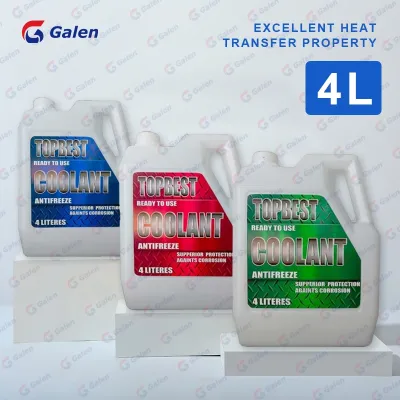
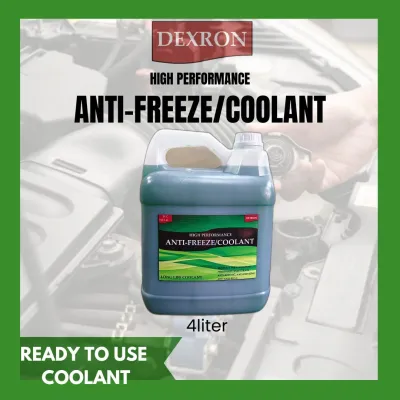
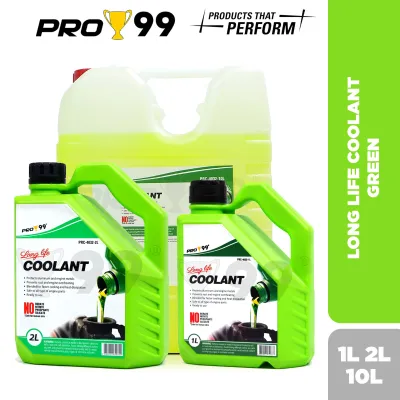
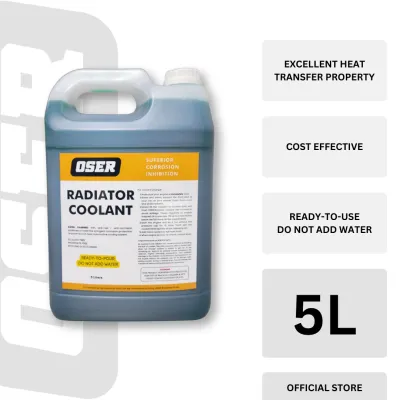
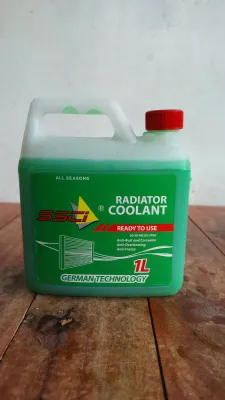
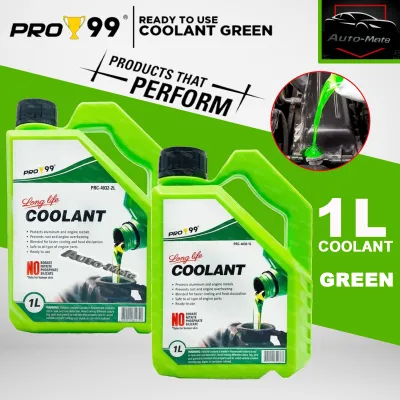
Prices are valid at publication and may change. Please refer to the product page for the latest price.
This environmental strain is compounded by severe stop-and-go traffic in metropolitan areas like Metro Manila, Cebu, and Davao. When a vehicle idles in heavy traffic, there is no natural ram-air flowing through the grille to cool the radiator. The engine must rely entirely on its cooling fans and the thermal capacity of the coolant to transfer heat away from the combustion chamber. Under these conditions, the thermal load on the engine climbs rapidly, pushing the cooling system to its absolute limits.
Without an efficient heat-transfer fluid, this extreme thermal stress can quickly cause severe mechanical damage. Excessive heat leads to pre-ignition or engine knock, where the fuel-air mixture ignites prematurely, putting immense pressure on the pistons and connecting rods. Over time, unchecked heat causes aluminum cylinder heads to warp, head gaskets to blow, and critical engine components to seize entirely, leading to catastrophic engine failure.
Many car owners mistakenly refer to coolant simply as “antifreeze” and assume it is unnecessary in a country that never sees snow. However, the glycol-based fluid used in your engine is designed to serve a dual purpose: it lowers the freezing point and raises the boiling point. In tropical climates, this “antiboil” property is the single most critical factor, preventing the liquid from vaporizing into steam when the engine operates under heavy loads in scorching weather.
Critical Coolant Specifications to Check on the Label
When shopping for a coolant for gasoline engine protection, you cannot rely on generic marketing claims. You must inspect the product label for specific chemical properties and certifications that match your vehicle’s requirements. Understanding these specifications will help you choose a fluid that can handle both the external climate and the internal demands of your engine.

Boiling Point Elevation and Heat Dissipation
A primary function of high-quality coolant is to raise the boiling point of the liquid circulating through your engine. While pure water boils at 100°C at sea level, a proper mixture of ethylene glycol and water elevates this boiling point. This elevation is crucial because modern gasoline engines regularly operate at temperatures very close to or slightly above 100°C under heavy loads, such as climbing the steep inclines of Kennon Road to Baguio.
When coolant boils, it turns into steam, creating pockets of vapor known as vapor lock. Steam cannot absorb or transfer heat from metal surfaces; instead, it acts as an insulator. This insulation creates localized hot spots within the engine block, particularly around the exhaust valves and cylinder heads, which can crack or warp before the dashboard temperature gauge even registers a problem.
To ensure adequate protection, check the product label for the fluid’s boiling point specifications. You will typically see two numbers: the atmospheric boiling point and the pressurized boiling point. Because your vehicle’s cooling system is sealed and pressurized by the radiator cap (usually to around 1.1 bar or 15 psi), the boiling point is elevated even further. A high-quality 50/50 coolant mixture under pressure should have a boiling point of at least 126°C to 129°C.
Never use plain water as your primary coolant. While water has excellent heat transfer properties when liquid, its low boiling point means it offers zero safety margin under extreme engine loads. Furthermore, plain water lacks the lubrication required for the water pump seal and contains no corrosion inhibitors to protect internal metal surfaces.
Concentration Ratio: Premixed 50/50 vs. Concentrate
Coolants are generally sold in two forms: premixed (often labeled as 50/50 or Ready-to-Use) and concentrated. Premixed solutions are highly recommended for most car owners because they are diluted at the factory using highly purified, demineralized, or distilled water. This eliminates the risk of human error during mixing and ensures that no harmful minerals are introduced into your cooling system.
For optimal performance in tropical climates, a 50/50 ratio of glycol to water is the global standard. This specific ratio provides the perfect balance between boiling point elevation and heat transfer capacity. Water is actually more efficient at absorbing and transferring heat than ethylene glycol; therefore, maintaining a sufficient water content is vital for keeping the engine cool in high ambient temperatures.
Some vehicle owners mistakenly believe that running a higher concentration of glycol, such as a 70/30 mix or even pure concentrate, will provide superior protection against overheating. This is a dangerous misconception. Pure ethylene glycol has only about half the heat-carrying capacity of water. If the glycol concentration is too high, the fluid cannot absorb heat quickly enough from the engine block, nor can it release it efficiently through the radiator, paradoxically causing the engine to run much hotter.
If you purchase concentrated coolant, you must dilute it yourself using only distilled or demineralized water. Never use tap water or mineral water for dilution. A ratio lower than 30% glycol will fail to provide adequate corrosion protection and boiling point elevation, while a ratio higher than 60% glycol will severely compromise the system’s heat dissipation efficiency.
Corrosion Inhibitor Technology (IAT, OAT, HOAT)
Modern automotive cooling systems are constructed from a variety of metals, including aluminum, cast iron, steel, copper, brass, and solder, alongside various rubber hoses and plastic tanks. To protect these diverse materials from chemical attack, coolants use specific corrosion inhibitor technologies. These are categorized into three main chemical families:
- Inorganic Additive Technology (IAT): This is the traditional green-colored formulation that uses silicates and phosphates to create a protective barrier over metal surfaces. While fast-acting, these inhibitors deplete rapidly, typically requiring a complete flush and replacement every 2 years or 40,000 kilometers.
- Organic Acid Technology (OAT): This formulation uses organic acids (and contains no silicates or phosphates) to provide long-term protection, often lasting up to 5 years or 250,000 kilometers. It is highly effective at protecting aluminum components but reacts slowly to protect copper and brass.
- Hybrid Organic Acid Technology (HOAT): This chemistry combines organic acids with a small amount of silicates or phosphates, offering the fast-acting protection of IAT with the long-lasting durability of OAT. It is widely used by many European and Asian vehicle manufacturers.
It is absolutely critical that the coolant chemistry you choose strictly matches the original equipment manufacturer (OEM) specifications detailed in your vehicle’s owner’s manual. You must never choose a coolant based solely on the climate; instead, select the chemical formulation designed to protect the specific metallurgy of your engine block and radiator.
Mixing different coolant chemistries is a recipe for cooling system failure. For example, mixing an IAT coolant with an OAT coolant can cause a chemical reaction where the inhibitors drop out of suspension. This results in the formation of a thick, jelly-like sludge that clogs the narrow passages of your radiator core and heater core, leading to immediate localized overheating and water pump failure.
Common Coolant Mistakes in Hot and Humid Conditions
Maintaining a cooling system in a hot, humid climate requires discipline and attention to detail. Many drivers unwittingly shorten the lifespan of their engines by falling victim to common maintenance myths and shortcuts. Avoiding these mistakes is essential for ensuring long-term vehicle reliability.
One of the most damaging practices is topping off a low coolant reservoir with ordinary tap water or municipal water. Tap water contains dissolved minerals such as calcium, magnesium, and silica. Under the extreme heat and pressure of an operating engine, these minerals precipitate out of the water and form hard scale deposits on the internal walls of the radiator and engine water jackets. This scale acts as an insulator, reducing heat transfer efficiency and accelerating internal galvanic corrosion.
Another frequent error is operating under the assumption that “more concentrate equals better cooling.” As previously explained, exceeding a 60% glycol concentration seriously impairs the fluid’s thermal conductivity. In the intense heat of the Philippines, a high-glycol mix cannot shed heat fast enough, which can lead to chronic, low-level overheating that slowly degrades engine seals, gaskets, and oil quality over time.
Many drivers also ignore physical changes in their coolant, assuming that as long as the reservoir is full, the system is fine. You should regularly check the visual condition of the fluid. If the coolant appears cloudy, muddy, dark brown, or contains floating black flecks, it is a clear sign that the corrosion inhibitors have completely degraded. At this point, the fluid has become acidic and is actively eating away at your engine’s internal metal surfaces, creating rust and debris that will eventually block the radiator tubes.
Finally, do not blindly trust products marketed as “universal” or “one-size-fits-all” coolants. While some modern multi-vehicle formulations are highly compatible, others may contain chemical packages that are incompatible with your specific engine’s gaskets or metals. Always cross-reference the specifications on the back of the bottle with the OEM requirements listed in your vehicle’s documentation before adding any fluid to your system.
How to Maintain and Inspect Your Cooling System
To ensure your gasoline engine’s cooling system remains highly efficient year-round, you must perform regular visual inspections and preventive maintenance. Always consult your vehicle’s owner’s manual for specific safety instructions before performing any work. Never open the radiator cap or reservoir cap when the engine is hot or warm, as the system is under high pressure and escaping steam can cause severe, life-altering burns.
Begin your inspection by checking the coolant level in the plastic overflow reservoir when the engine is completely cold. The liquid level should sit comfortably between the “Min” and “Max” (or “Low” and “Full”) markings. If the level is consistently low, do not simply top it off; inspect the system for slow leaks.
Examine all rubber hoses in the engine bay. Look for signs of swelling, extreme softness (sponginess), hardening, or fine cracks near the hose clamps. The high ambient heat and humidity of a tropical climate, combined with engine bay temperatures, accelerate the degradation of rubber. Additionally, look closely at all hose connections, the water pump area, and the radiator seams for any crusty, white, pink, or green deposits, which indicate slow, evaporating coolant leaks.
The radiator cap plays a vital role in maintaining the pressurized environment necessary to elevate the coolant’s boiling point. Inspect the rubber gasket on the underside of the cap for cracks, tears, or hardening, and check that the spring mechanism compresses smoothly. If the seal is compromised, the system will lose pressure, causing the coolant to boil at a much lower temperature and evaporate. Replace the cap with an OEM-spec replacement if you suspect it is failing.
Keep the exterior of your radiator and air conditioning condenser clean. Over time, dust, insects, leaves, and road debris accumulate in the delicate aluminum cooling fins, blocking critical airflow. Periodically spray the radiator fins gently from the back with a low-pressure garden hose to wash away debris. Never use a high-pressure washer, as the intense pressure will bend the soft aluminum fins, permanently restricting airflow and reducing heat dissipation.
You must stop driving immediately and consult a professional mechanic if you observe any of the following warning signs:
- The temperature gauge climbs into the red zone or an overheating warning light illuminates on your dashboard.
- The coolant in the reservoir looks milky or resembles a chocolate milkshake, which indicates that engine oil is mixing with the coolant due to a blown head gasket or cracked engine block.
- You notice a sweet, syrupy smell accompanied by white smoke billowing from the exhaust pipe.
- There is a rapid, visible drop in the coolant level or a large puddle of fluid forming under your vehicle.
Frequently Asked Questions (FAQ)
Can I use distilled water instead of coolant in an emergency?
Yes, you can use distilled water as a temporary emergency measure to prevent immediate engine seizure if you have suffered a major coolant loss. However, water boils at a much lower temperature than a proper glycol mix and contains zero corrosion inhibitors or water pump lubricants. You must drive directly to a safe location or repair shop, have the leak repaired, and perform a complete system drain, flush, and refill with the correct coolant mixture as soon as possible.
Does coolant color indicate its quality or chemical type?
No. Coolant manufacturers add bright dyes (such as green, pink, blue, yellow, or orange) primarily for leak detection and brand identification. There is no universal industry standard linking a specific color to a chemical formulation (such as IAT, OAT, or HOAT). You must always read the product label to verify the chemical specifications and OEM approval codes rather than relying on the color of the fluid.
How often should I flush the coolant in a tropical climate?
You should always follow the specific service intervals outlined in your vehicle’s owner’s manual. While the severe driving conditions typical of the Philippines—such as prolonged idling in heavy traffic and operating in extreme tropical heat—warrant more frequent visual inspections and concentration testing, the actual system flush interval should still align with the manufacturer’s guidelines or a professional mechanic’s diagnostic assessment.

Community discussion
Share your experience or ask a question. Comments are reviewed before publication.