
To choose the right coolant for your Mitsubishi Mirage G4 in the Philippines, you must select a fluid that matches the manufacturer’s exact specification—typically a high-quality, ethylene glycol-based super long life coolant (SLLC) formulated with phosphated organic acid technology (P-OAT). The Mirage G4 features a lightweight aluminum engine block and radiator that require specific chemical inhibitors to prevent corrosion, cavitation, and scale buildup. Navigating the intense heat of tropical climates and the grueling stop-and-go traffic of metropolitan roads places immense thermal stress on your vehicle’s cooling system. Using the correct fluid ensures that your engine remains within its optimal operating temperature range, protecting your investment from costly repairs. This guide will help you identify OEM specifications, understand coolant formulations, and make informed purchasing decisions based on verifiable labels rather than marketing claims.
Understanding Your Mirage G4's Cooling System Requirements
To ensure the longevity of your Mitsubishi Mirage G4, you must first understand how to locate and verify the exact original equipment manufacturer (OEM) specifications for your specific vehicle. The primary source of truth is always your vehicle’s owner’s manual. Within the maintenance or specifications section, the manufacturer outlines the required coolant standard, chemical formulation, and the total system capacity. For most model years of the Mirage G4, the manual specifies the use of a high-quality ethylene glycol-based non-silicate, non-amine, non-nitrate, and non-borate coolant with long-life phosphate technology. The cooling system capacity for the Mirage G4 typically ranges from 4.0 to 5.0 liters depending on whether the vehicle is equipped with a manual transmission or a continuously variable transmission (CVT). Knowing this capacity helps you purchase the correct volume of fluid without overspending or running short mid-procedure.
In addition to the owner’s manual, you can often find critical information directly under the hood. Inspect the factory coolant reservoir cap or the radiator shroud for warning labels and specific manufacturer part numbers or fluid recommendations. These labels serve as a quick reference point during routine maintenance, reminding you of the exact fluid family required for your engine.
Products mentioned in this guide
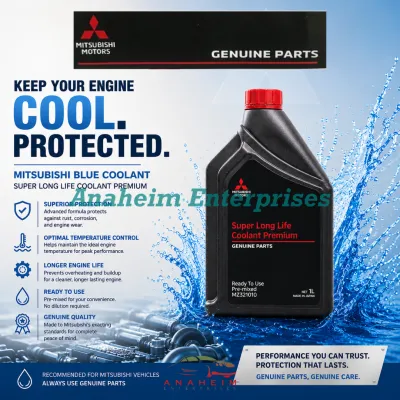
![[1 LITER] Mitsubishi Coolant BLUE - Genuine Mitsubishi Auto Parts](https://img.lazcdn.com/g/p/0c0a02cb3c402746e4b2561dd1b95c44.jpg_400x400q80.jpg_.webp)
![[1L BLUE] Mitsubishi Coolant - Genuine Mitsubishi Auto Parts](https://img.lazcdn.com/g/p/d2f5ef88ec40771e2704ccef9334beec.jpg_400x400q80.jpg_.webp)
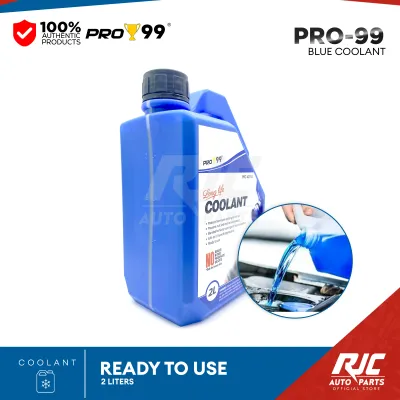
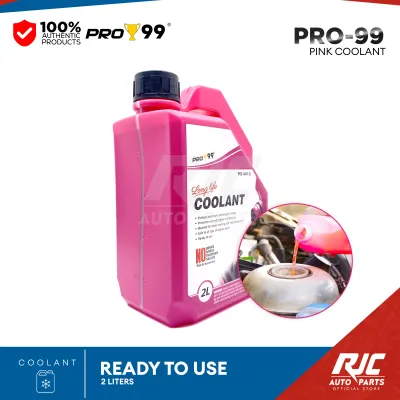
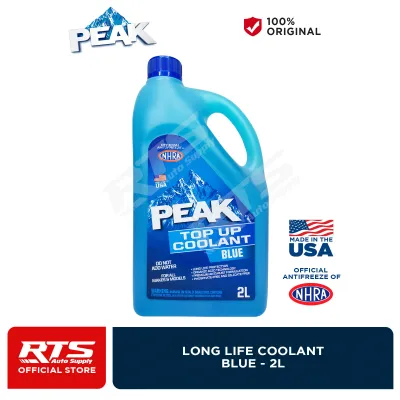
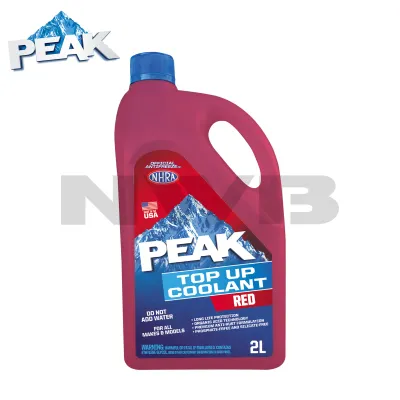
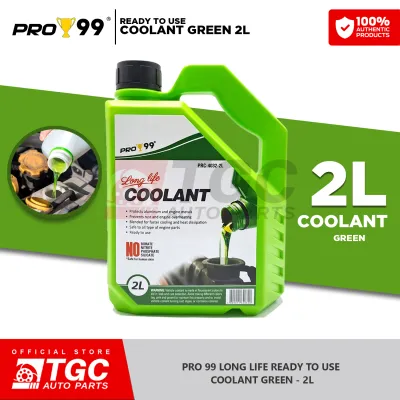
Prices are valid at publication and may change. Please refer to the product page for the latest price.
Relying solely on general “universal” claims found on retail shelves is insufficient and can be risky. Many aftermarket fluids claim to be compatible with “all makes and models,” yet their chemical compositions may contain silicates or borates. While these chemicals are common in older domestic or European vehicles, they can cause premature wear on the water pump seals of Asian-designed engines like the Mirage G4’s 1.2-liter 3A92 three-cylinder engine. Verifying the product label against your vehicle’s official documentation is the only reliable way to prevent compatibility issues.
Coolant Types and Formulations Explained
Understanding the chemistry behind engine coolants is essential for preventing accidental mixing and severe system damage. Coolants are generally categorized into three primary families based on their corrosion inhibitor technology: Inorganic Additive Technology (IAT), Organic Acid Technology (OAT), and Hybrid Organic Acid Technology (HOAT). IAT is the traditional green fluid containing silicates and phosphates, requiring frequent replacement. OAT coolants use organic acids for long-term protection but lack inorganic inhibitors, making them common in European and American vehicles. HOAT coolants combine elements of both, using a mix of organic acids and inorganic inhibitors.

For modern Asian vehicles, including the Mitsubishi Mirage G4, manufacturers have developed a specific sub-type of HOAT known as Phosphated Organic Acid Technology (P-OAT). This formulation combines organic acids with phosphates to provide rapid, robust protection for aluminum engine components. Phosphates are highly effective at passivating aluminum surfaces, preventing the microscopic pitting caused by cavitation around the water pump. Crucially, P-OAT formulations exclude silicates, borates, and amines, which can form abrasive deposits or degrade the specialized rubber seals used in Asian cooling systems.
A common misconception among car owners is that coolant color indicates chemical compatibility. Coolant color is merely a dye added by manufacturers for branding, identification, and leak detection. While many P-OAT coolants designed for Asian vehicles are dyed blue, pink, or green, these colors are not standardized across the automotive industry. A blue coolant from one brand may have a completely different chemical formulation than a blue coolant from another. Always read the ingredient list and specification approvals on the back of the bottle rather than relying on the color of the liquid.
When purchasing coolant, you will also need to choose between pre-mixed (ready-to-use) formulations and concentrated coolants. Pre-mixed formulations are typically blended at a 50/50 ratio with highly purified demineralized or distilled water. This option is highly recommended for DIY maintenance because it eliminates the risk of mixing errors and ensures that no harmful minerals are introduced into the system. Concentrated coolants, on the other hand, require you to measure and mix the fluid with distilled water yourself. While concentrates can sometimes be more economical, they require strict adherence to dilution ratios to maintain proper thermal and anti-corrosive properties.
Tropical Climate Considerations for Engine Coolant
Operating a vehicle in the Philippines presents unique environmental challenges that directly impact engine cooling. The combination of high ambient temperatures, high humidity, and dense urban traffic means that your Mirage G4’s engine must dissipate heat under extreme conditions. In these environments, the cooling system relies heavily on the chemical properties of the coolant to manage thermal energy effectively.
One of the primary functions of engine coolant is to raise the boiling point of the liquid circulating through the engine. While water is an excellent heat conductor, it boils at 100°C at sea level. Under the pressurized conditions of a sealed automotive cooling system, a 50/50 mixture of high-quality ethylene glycol coolant and water raises the boiling point significantly higher, often exceeding 125°C. This extra thermal margin prevents the fluid from boiling over when you are idling in heavy traffic on a hot afternoon, ensuring that the liquid remains in constant contact with the hot metal surfaces of the engine block.
Beyond temperature regulation, coolant provides vital anti-corrosion and lubrication properties. The internal passages of your Mirage G4’s aluminum engine are highly susceptible to galvanic corrosion when exposed to water and heat. The chemical inhibitors in P-OAT coolant form a protective microscopic barrier over these metal surfaces, preventing rust, oxidation, and scale buildup. Additionally, these additives lubricate the internal bearings and seals of the water pump, reducing friction and preventing premature component failure. In coastal regions of the Philippines, where salt-laden air can accelerate the oxidation of exposed metal parts, having a robust chemical barrier inside your engine is even more critical. The anti-corrosive properties of P-OAT coolants are specifically engineered to combat these harsh environmental factors, ensuring that the internal cooling passages remain clean and free-flowing.
Using tap water or mineral water in your cooling system is highly dangerous and should be avoided at all costs. Tap water contains dissolved minerals such as calcium, magnesium, and chlorides. When subjected to the high temperatures inside an engine, these minerals precipitate out of the water and form hard scale deposits on the internal walls of the radiator and engine block. This scale acts as an insulator, trapping heat inside the engine and restricting fluid flow. Over time, these blockages can cause localized hot spots, leading to severe engine warping, blown head gaskets, and catastrophic engine failure.
Step-by-Step Selection and Purchasing Checklist
When shopping for coolant at local auto supply stores or online marketplaces, having a structured verification process will help you avoid counterfeit or incompatible products. First, inspect the product label for explicit compliance with the required OEM specifications. Look for clear statements indicating that the fluid is formulated for Asian vehicles and meets or exceeds the standards required by Mitsubishi. Avoid products that use vague marketing terms like “universal formula” without listing specific chemical compositions or manufacturer approvals.
Second, carefully inspect the physical packaging of the coolant. Ensure that the safety seal under the cap is intact and shows no signs of tampering or leakage. Look for a clearly printed batch number, manufacturing date, and manufacturer contact information on the bottle. High-quality, reputable brands will always provide clear traceability for their products. Avoid bottles with faded labels, poor print quality, or those stored in direct sunlight, as prolonged exposure to heat and UV light can degrade the chemical inhibitors in the fluid.
Third, evaluate the cost-effectiveness of your options by comparing the ₱ price per liter. While pre-mixed coolants may have a higher upfront cost per liter compared to concentrates, they save you the additional expense and effort of purchasing separate bottles of distilled water. If you choose to buy concentrated coolant, factor in the cost of high-quality distilled water and the clean mixing containers required to achieve the correct 50/50 ratio.
Finally, avoid unbranded, extremely cheap, or poorly labeled products. The market is flooded with low-cost “radiator conditioners” or “coolant additives” that are often nothing more than dyed tap water with minimal rust inhibitors. Using these substandard products can lead to rapid corrosion and cooling system failure, resulting in repair bills that far exceed the savings of buying cheap fluid. Stick to established, reputable brands that are transparent about their chemical formulations and certifications.
Maintenance, Flushing, and Safety Boundaries
Performing maintenance on your Mirage G4’s cooling system requires strict adherence to safety protocols to prevent severe personal injury. The most critical safety rule is to never check, touch, or open any part of the cooling system—including the radiator cap and the coolant reservoir—when the engine is hot or warm. The cooling system operates under high pressure, and opening a hot system can cause boiling liquid and steam to erupt violently, resulting in severe, life-altering burns. Always allow the vehicle to sit idle for several hours until the engine block and radiator are completely cold to the touch before proceeding with any inspection or fluid top-off. Additionally, remember that engine coolant is highly toxic to humans and pets due to its sweet taste and chemical composition. Always collect drained fluids in a sealed container and dispose of them at an authorized recycling center or automotive shop rather than pouring them down household drains or onto the ground.
Another critical boundary is the strict prohibition against mixing different coolant types. If your Mirage G4 currently contains a P-OAT fluid, adding a traditional IAT or a standard OAT fluid can trigger an adverse chemical reaction. The different additive packages can clash, causing the corrosion inhibitors to precipitate out of the solution and form a thick, gel-like sludge. This sludge can quickly clog the narrow tubes of your radiator, block the heater core, and restrict fluid flow through the engine block, leading to rapid and severe overheating. If you are unsure of the fluid currently in your system, it is always safest to perform a complete system flush rather than risk mixing incompatible chemicals.
Knowing when to stop DIY efforts and seek professional assistance is vital for protecting your vehicle. If you observe active fluid leaks under the car, a persistent sweet smell inside the cabin, severe discoloration of the coolant (such as a brown, muddy, or rusty appearance), or if your temperature gauge consistently rises above the normal operating range, these are clear indicators of an underlying issue. These symptoms require diagnostic troubleshooting by a qualified mechanic. A professional technician can perform a pressure test to locate hidden leaks, use specialized flushing equipment to remove deep-seated scale and rust, and ensure that the system is properly bled of any trapped air pockets, which can cause localized overheating if left unaddressed.
Frequently Asked Questions (FAQ)
Can I just use distilled water instead of coolant in the Philippines?
While distilled water is free of the harmful minerals found in tap water, using it as a total replacement for coolant is not recommended for long-term engine health. Distilled water lacks the chemical additives required to raise the boiling point of the fluid, making your engine highly susceptible to boiling over in heavy traffic or high ambient temperatures. Furthermore, water alone does not contain corrosion inhibitors to protect the aluminum components of your Mirage G4’s engine, nor does it provide the necessary lubrication for the water pump seals, leading to accelerated wear and premature component failure.
Does the color of the coolant determine if it is compatible with my Mirage G4?
No, the color of the coolant is not a reliable indicator of chemical compatibility or performance. Coolant dyes are added by manufacturers for branding, aesthetic appeal, and to help identify leaks under the hood. Because there is no industry-wide standardization for coolant colors, a blue or pink fluid from one manufacturer may use a completely different chemical formulation than a blue or pink fluid from another. To ensure compatibility with your Mirage G4, you must ignore the color and verify that the product label explicitly states it is a phosphated organic acid technology (P-OAT) fluid designed for Asian vehicles.
Is it safe to mix different brands of coolant if they meet the same specification?
While mixing different brands of coolant that meet the exact same P-OAT specification is generally acceptable in emergency top-off situations, it is not ideal for long-term maintenance. Different manufacturers use proprietary blends of additives and stabilizers that, while compatible in theory, can sometimes interact unpredictably over time, potentially reducing the overall lifespan and effectiveness of the corrosion inhibitors. For optimal protection and performance, it is best to stick to a single reputable brand for your top-offs, or to perform a complete system flush and refill if you decide to switch brands.

Community discussion
Share your experience or ask a question. Comments are reviewed before publication.