
Upgrading your car’s interior with a crystal shift knob is one of the most striking visual enhancements you can make. The way a faceted or polished crystal catches the tropical sunlight during a daytime drive or glows under the streetlights of Metro Manila adds an undeniable touch of modern luxury to any cabin. However, before purchasing this eye-catching accessory, you must understand that a shift knob is not a one-size-fits-all upgrade. The choice between manual and automatic transmissions dictates not only the physical installation process but also the long-term safety and functionality of your vehicle’s gear-shifting mechanism.
Understanding Transmission Compatibility (Manual vs. Automatic)
Manual and automatic gearboxes operate on entirely different mechanical principles, and their shift levers reflect these differences. For manual transmissions, the shift knob is a direct, physical connection to the gear linkage. Every movement of the lever translates directly to the internal selector forks and synchronizers. Because of this direct connection, the weight of the shift knob plays a critical role in how your car shifts. A heavier knob can provide a smoother, more positive throw by using momentum to slide the gears into place, but it also places continuous physical pressure on the shift linkage.
Furthermore, manual shift knobs are typically secured using a threaded connection. The shift lever itself is a threaded metal rod, and the knob must match this thread pitch exactly. Common metric thread pitches for manual cars include M10x1.25, M10x1.5, and M12x1.25. If you attempt to force a knob with the wrong thread pitch onto your shifter, you risk stripping the threads on the lever, which can require an expensive replacement of the entire shifter assembly. Some manual vehicles also feature a reverse lockout collar—a ring you must pull up to engage reverse gear. If your new crystal shift knob has a wide base or lacks a recess to accommodate this collar, you will find yourself unable to shift into reverse.
Products mentioned in this guide
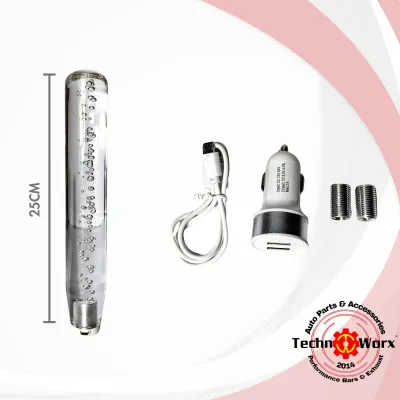
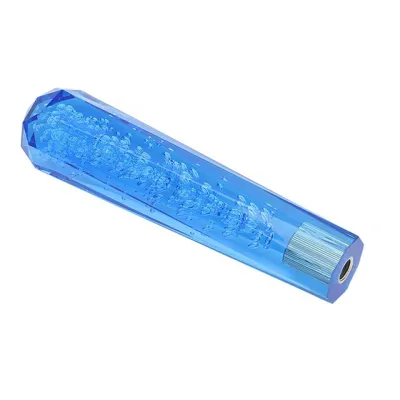

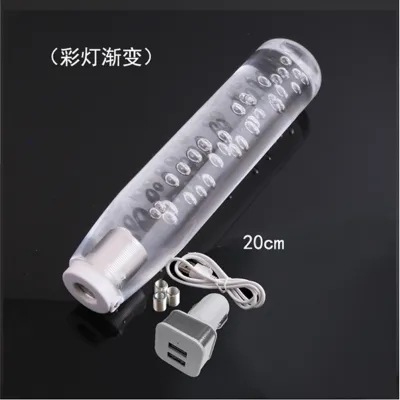
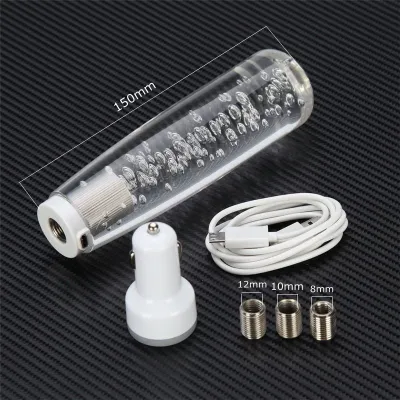
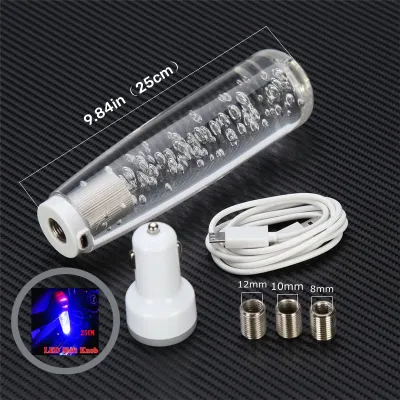
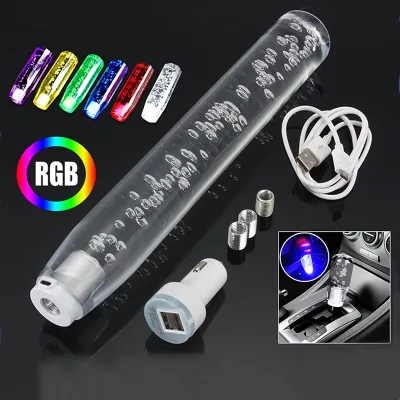
Prices are valid at publication and may change. Please refer to the product page for the latest price.
Automatic transmissions present a different set of challenges. Many modern automatic cars utilize a gated shifter or a straight-line shifter that requires a physical button to release the lock mechanism before you can move the lever out of Park or into Reverse. If your automatic vehicle has a button on the stock shift knob, you cannot simply screw on a standard manual-style crystal knob. You must look for specialized automatic crystal shift knobs that feature an integrated push-down mechanism or a side-mounted button to actuate the lockout cable.
Other automatic vehicles use electronic shifters (shift-by-wire) or simple threaded shafts without lockouts. For these, compatibility depends on whether the knob can securely interface with the electronic sensors or fit the specific shaft diameter. Before purchasing any aftermarket accessory, always consult your vehicle’s owner’s manual, measure the thread pitch of your factory shifter, or contact the manufacturer to verify the exact dimensions. Relying on generic “universal fit” claims can lead to loose installations, damaged components, or an inoperable shifter.
Key Selection Criteria for Crystal Shift Knobs
When shopping for a crystal shift knob in the Philippines, you will encounter a wide variety of materials marketed under the term “crystal.” Understanding what you are actually buying is essential for ensuring durability and comfort. True lead crystal is rare in automotive accessories due to its fragility and weight. Most high-quality “crystal” knobs are actually made of heavy-duty K9 glass or optical glass, which offers exceptional clarity, a premium weight, and excellent scratch resistance.

On the lower end of the price spectrum, you will find knobs made of acrylic, PMMA (polymethyl methacrylate), or polyurethane resin. While these synthetic materials are highly durable and shatter-resistant, they lack the cold, premium feel of real glass and are much more susceptible to fine scratches from rings or fingernails over time. Acrylic can also degrade or yellow when exposed to the intense ultraviolet (UV) radiation and high cabin temperatures common in the Philippines.
Ergonomics and grip shape are equally important considerations for daily driving. Crystal shift knobs come in several popular shapes, including classic spheres, elongated teardrops, and multi-faceted columns. Spherical knobs are highly versatile and suit drivers who prefer to grip the shifter from the top. Teardrop and column shapes are often preferred by those who grip the shifter from the side. Faceted designs look spectacular as they reflect light, but the sharp edges of the facets can feel uncomfortable during long drives in heavy traffic if the edges are not properly rounded.
The tropical climate of the Philippines introduces unique thermal challenges for interior car accessories. Glass and genuine crystal have high thermal conductivity, meaning they absorb and retain heat rapidly. If your car is parked under the direct sun, a glass shift knob can become scalding hot to the touch, making it painful to shift gears until the cabin cools down. Acrylic and resin options do not retain heat as intensely but can still become uncomfortably warm. To mitigate this, consider using a windshield sunshade or keeping a small cloth cover over the shift knob when parked outdoors.
Weight is another factor that requires careful balance. While a heavier glass knob (often weighing between 200 to 400 grams) can make gear changes feel more mechanical and satisfying, excessive weight can cause issues. Overly heavy knobs can accelerate wear on the internal shift bushings and synchronizers of a manual transmission by keeping the selector forks under constant tension. Always check if the manufacturer specifies a maximum recommended weight for aftermarket accessories on your specific vehicle model.
Sourcing and Buying in the Philippines
Finding the perfect crystal shift knob in the Philippines requires a mix of local exploration and careful online vetting. Traditional automotive accessory hubs offer the advantage of physical inspection. Visiting physical shops allows you to feel the weight of the knob, inspect the clarity of the material, and verify the quality of the included thread adapters before spending your money.
If you prefer the convenience of online marketplaces and ecommerce platforms, you must exercise extra caution to avoid low-quality counterfeits or incompatible parts. Look for established sellers who specialize in automotive styling and have high positive ratings. Always read the customer reviews carefully, paying close attention to photos uploaded by other Filipino buyers to verify how the product looks in real-world lighting.
When browsing online listings, look for detailed product descriptions that specify the exact materials used and the thread sizes included in the package. Avoid listings that use vague terms like “universal fit” without listing the specific adapter sizes (such as M8, M10, and M12 brass or plastic inserts). Brass adapters are highly preferred over plastic ones, as plastic threads can easily strip or cross-thread during installation, leading to a loose and unsafe shift knob.
Pricing for crystal shift knobs in the Philippines can vary widely. Basic acrylic options typically range from ₱500 to ₱1,200, while high-quality K9 glass or specialized automatic knobs with integrated button mechanisms can cost anywhere from ₱1,500 to ₱4,000 or more. Before finalizing your purchase, verify the seller’s return and warranty policies. Ensure they offer a clear return window in case the knob does not fit your shifter shaft or if the included adapters are incompatible with your vehicle’s thread pitch.
Installation, Safety, and Maintenance Boundaries
Installing an aftermarket shift knob is a straightforward process, but it must be done with care to prevent damage to your vehicle’s transmission control mechanism. Before beginning the installation, park your vehicle on a flat, level surface, engage the parking brake firmly, and turn off the engine. For manual cars, place the transmission in neutral; for automatic cars, ensure the vehicle is securely in Park.
To remove your original shift knob, gently unscrew it counterclockwise. Some factory knobs may be secured with a hidden set screw near the base or a retaining clip that must be pried off first. Never force or twist a knob that does not turn easily, as you could bend the shift lever or damage the internal linkages. Once the original knob is removed, clean the exposed threads of the shift lever with a dry microfiber cloth to remove any old adhesive or debris.
When installing the new crystal shift knob, select the adapter that matches your shift lever’s thread pitch. Thread the adapter onto the lever first, ensuring it goes on smoothly without cross-threading. Once the adapter is secure, screw the crystal knob onto the adapter clockwise. Tighten the knob until it is snug and aligned correctly, but avoid over-tightening. Applying excessive force can crack the delicate crystal or glass base, or strip the threads of the adapter.
Regular maintenance is key to keeping your crystal shift knob looking pristine and operating safely. Periodically check the knob to ensure it has not vibrated loose during daily driving. If you notice any play or rotation, gently tighten it. For cleaning, use only a clean, damp microfiber cloth. Avoid using harsh chemical cleaners, glass cleaners containing ammonia, or alcohol-based sanitizers, especially on acrylic knobs, as these chemicals can cause “crazing”—a network of fine cracks that ruins the clarity of the material.
There are certain conditions where you should immediately halt the installation and consult a qualified automotive professional. If you find that your automatic transmission’s lockout button does not function smoothly with the new knob, do not drive the vehicle. An improperly installed lockout mechanism can prevent you from shifting into Park or, worse, allow the car to be accidentally shifted into Reverse or Neutral while driving. Additionally, if the threads on your shift lever are stripped, or if the adapter does not fit securely, seek professional help to avoid a loose knob that could detach while you are operating the vehicle.
Frequently Asked Questions (FAQ)
Will a heavy crystal shift knob damage my manual transmission?
While a moderately weighted crystal or glass shift knob can improve the tactile feel of your gear shifts, an excessively heavy knob can pose risks to your manual transmission over time. The extra weight acts as a constant lever force, resting on the shift linkage even when you are not actively shifting. This continuous pressure can push the internal selector forks against the rotating synchronizer sleeves, leading to premature wear of the synchronizers and bushings. To protect your transmission, look for knobs that weigh under 400 grams, and avoid resting your hand on the shift knob while driving. If you notice any unusual grinding, resistance, or difficulty engaging gears after installing a new knob, revert to the factory shifter and have the system inspected.
How do I clean a crystal shift knob without scratching it?
To maintain the brilliant clarity of your crystal shift knob without causing scratches, always use a clean, high-quality microfiber cloth. For routine cleaning, slightly dampen the cloth with clean water to wipe away dust, fingerprints, and oils from your hands. If the knob requires a deeper clean, use a mild, pH-neutral soap diluted in water. Never use abrasive scrubbing pads, paper towels, or harsh household chemical cleaners. Ammonia-based glass cleaners and isopropyl alcohol can chemically attack acrylic and resin materials, causing them to cloud, yellow, or develop microscopic cracks. For genuine glass or K9 crystal, a gentle wipe with a damp microfiber followed by a dry buff will restore its original sparkle safely.

Community discussion
Share your experience or ask a question. Comments are reviewed before publication.