
The Toyota Vios typically requires an engine oil viscosity grade of 0W-20 or 5W-30, depending on the model year and engine generation. Modern Vios models with Dual VVT-i engines generally utilize 0W-20 for maximum fuel efficiency, while older generations often specify 5W-30. Selecting the correct viscosity ensures that the oil flows quickly during startup and maintains a protective barrier at high operating temperatures.
Using the wrong oil thickness can lead to increased engine wear, reduced fuel economy, or even long-term damage to sensitive variable valve timing systems. To keep your sedan running smoothly through daily city traffic and long highway drives, you must align your oil choice with the manufacturer’s precise engineering standards.
How to Find the Official Oil Specification for Your Vios
Locating the exact oil specification for your specific Toyota Vios variant is the first step before purchasing any lubricant. The primary and most reliable source of this information is your vehicle’s owner’s manual. Inside, you will find a dedicated section detailing the recommended Society of Automotive Engineers (SAE) viscosity grades, alongside required performance standards such as API or ILSAC certifications.
Products mentioned in this guide
![Toyota Fully Synthetic Engine Oil 5W-40 [4 Liters + Oil Filter] Oil Change for Vios | Avanza | Rush | Altis | Corolla | RAV4 | Yaris](https://img.lazcdn.com/g/p/e5eea87b7568bb8f8f200ae3ed8d2913.png_400x400q80.png_.webp)
![Toyota 5W-30 Fully Synthetic Engine Oil [4 Liters + Oil Filter] Change Oil Package for Vios | Avanza | Rush | Altis | Corolla | RAV4 | Yaris](https://img.lazcdn.com/g/p/bd751374772c6f28417f433819f6d2f2.png_400x400q80.png_.webp)
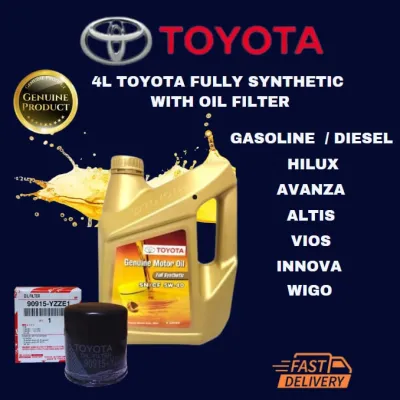
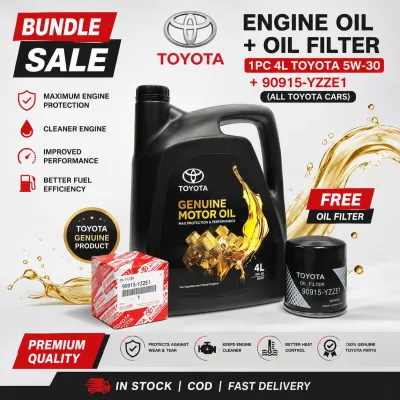
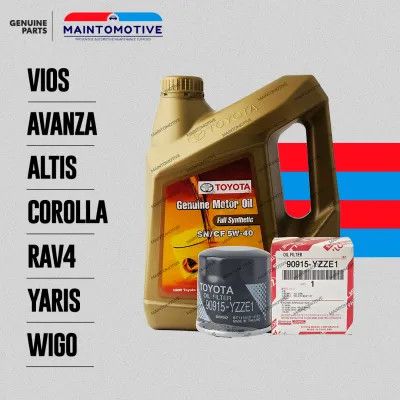
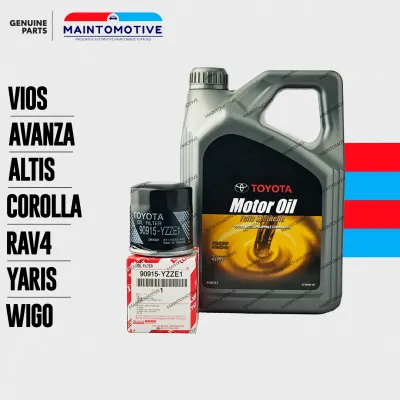
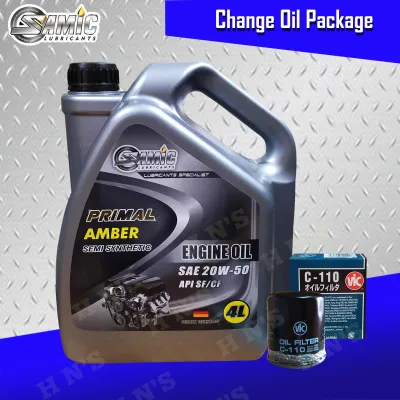
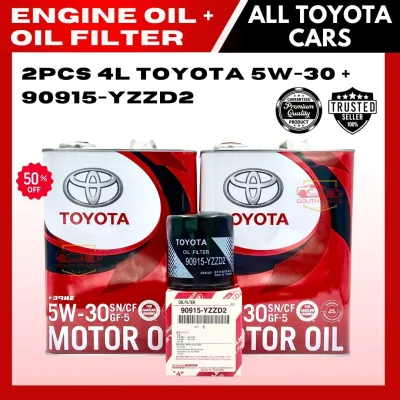
Prices are valid at publication and may change. Please refer to the product page for the latest price.
If the owner’s manual is missing, check the engine’s oil filler cap under the hood, which often has the recommended viscosity grade printed directly on it. For pre-owned vehicles where the manual is unavailable, consult an authorized service center with your vehicle identification number (VIN) to retrieve the exact factory specifications and avoid using a formulation that compromises engine protection.
Decoding Viscosity Grades: What the Numbers Actually Mean
Understanding the alphanumeric codes on an oil bottle helps you make informed decisions for your vehicle’s maintenance. Modern passenger vehicles like the Toyota Vios use multi-grade oils, which are designed to perform consistently across a wide temperature range. These oils contain special additives that prevent them from becoming too thick in cold weather or too thin in extreme heat.

The first part of the grade, consisting of a number followed by “W” (Winter), represents the oil’s cold-start rating. A lower number, such as 0W or 5W, means the oil remains fluid in cold conditions, allowing it to circulate rapidly through the engine block immediately after startup. This rapid flow is crucial because most engine wear occurs during the first few seconds of operation before the oil pump fully pressurizes the system.
The second number, such as 20 or 30, indicates the oil’s thickness at normal operating temperatures. A higher second number means the oil maintains a thicker protective film under high heat, while a lower number like 20 reduces internal friction to improve fuel economy but requires precise engine clearances to prevent metal-on-metal contact.
Why the Correct Viscosity is Critical for Engine Health
Operating your Toyota Vios with the correct oil viscosity directly influences its performance, fuel efficiency, and overall lifespan. Modern engines are designed with incredibly tight tolerances between moving parts, such as the pistons, bearings, and camshafts. The oil must be thin enough to penetrate these tiny clearances quickly while remaining strong enough to keep the metal surfaces from rubbing against each other under pressure.
If you use an oil that is too thin, the lubricating film can break down under high operating temperatures, leading to direct metal-on-metal contact and accelerated wear. Conversely, using an oil that is too thick creates excessive resistance within the engine, forcing the oil pump to work harder, increasing operating temperatures, and reducing fuel economy.
Furthermore, modern Vios engines rely on hydraulic pressure from the engine oil to operate the Variable Valve Timing-intelligent (VVT-i) system. If the oil viscosity is incorrect, the VVT-i actuators may not receive the correct pressure at the right time, leading to sluggish acceleration or rough idling. Adhering to the manufacturer’s specified viscosity is also critical for maintaining your vehicle’s powertrain warranty.
Conditions for Considering Alternative Viscosity Grades
While sticking to the factory-recommended viscosity is generally the safest approach, there are specific scenarios where a qualified professional might evaluate an alternative grade. For instance, high-mileage engines that have accumulated significant wear over many years of operation may experience increased internal clearances. In such cases, switching from a very thin oil like 0W-20 to a slightly thicker 5W-30 might help reduce oil consumption and minimize minor internal leaks, provided the alternative grade is still permitted by the manufacturer’s documentation.
Extreme operating conditions can also influence how oil behaves. Vehicles frequently used for heavy towing or continuous high-speed driving face higher thermal stress, which can thin out the lubricant. Before making any changes, you must consult a qualified mechanic or refer to the alternative temperature charts provided in your owner’s manual.
If you encounter conflicting advice or if your vehicle’s specific engine condition is unclear, stop and consult an authorized service center. Never experiment with unauthorized viscosity grades based on guesswork, as improper lubrication can lead to sudden engine failure. Always prioritize the manufacturer’s guidelines to ensure the long-term reliability of your vehicle.
Frequently Asked Questions (FAQ)
Can I mix different oil viscosity grades in an emergency?
Mixing different oil viscosity grades is discouraged because it alters the overall viscosity unpredictably. Each engine oil is formulated with a specific balance of base oils and additives. Blending different grades can dilute these additives, reducing the oil’s ability to prevent wear, resist oxidation, and keep internal components clean.
However, if your engine is dangerously low on oil, topping up with any clean engine oil is preferable to running the engine dry. In such an emergency, add only enough oil to reach the safe mark on the dipstick. Once you reach safety, schedule a complete oil and filter change as soon as possible to restore the correct, uniform viscosity grade.
Does the tropical climate in the Philippines require thicker oil?
There is a common belief that the hot, tropical climate in the Philippines requires car owners to use thicker engine oils like 10W-40 or 20W-50. However, this is a misconception for modern vehicles. Your Toyota Vios is equipped with a highly efficient liquid cooling system designed to regulate and maintain a stable internal engine operating temperature, regardless of the outside weather.
The manufacturer’s recommended viscosity grades, such as 0W-20 or 5W-30, are thoroughly tested to provide optimal protection and fuel efficiency across a wide range of ambient temperatures. Using an excessively thick oil solely because of the local weather can restrict oil flow during startup, increase fuel consumption, and put unnecessary strain on the oil pump. Always follow the specific viscosity recommendations outlined in your owner’s manual.

Community discussion
Share your experience or ask a question. Comments are reviewed before publication.