
Finding the right protective gear for young riders requires balancing cost, comfort, and safety. In the Philippines, where daily commutes often involve navigating busy streets under intense tropical heat and sudden downpours, choosing a reliable helmet is a critical decision for any parent. While HNJ offers a variety of kids’ helmets across different price points, navigating these options requires a clear understanding of what each tier provides. By focusing on verifiable safety standards, proper fit, and material quality, you can select a helmet that keeps your child secure without overstretching your budget.
Understanding HNJ Kids Helmet Price Tiers
When exploring the market for HNJ kids’ helmets, you will generally find options categorized into budget, mid-range, and premium tiers. Rather than relying solely on price tags, which can fluctuate over time, you should evaluate these tiers by examining the physical specifications listed on the product label or packaging. Entry-level or budget options typically feature standard thermoplastic shells, basic ventilation layouts, and fixed inner liners. These models focus strictly on meeting baseline safety requirements, often sacrificing advanced comfort features or lightweight materials to keep costs accessible.
As you move into the mid-range tier, helmets often introduce upgraded shell composites, more robust ventilation ports, and partially removable liners that make cleaning easier. The ventilation system becomes particularly important in a tropical climate, as active airflow helps manage sweat and humidity during longer rides. In this tier, you may also find improved visor mechanisms, such as quick-release systems or dual-visor configurations, which offer better adaptability to changing light conditions.
Products mentioned in this guide
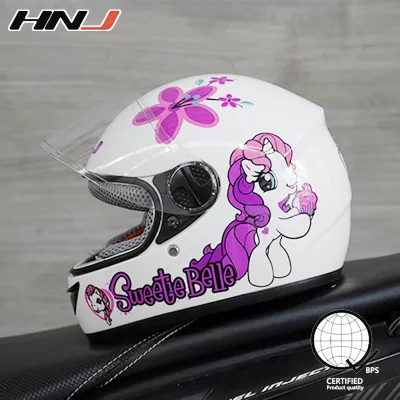
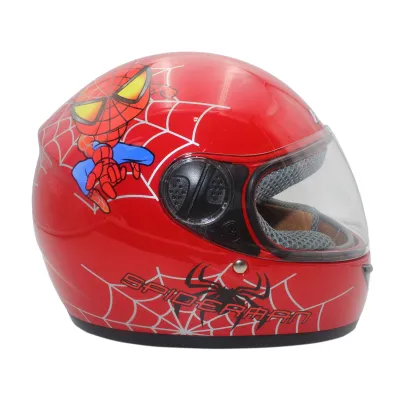
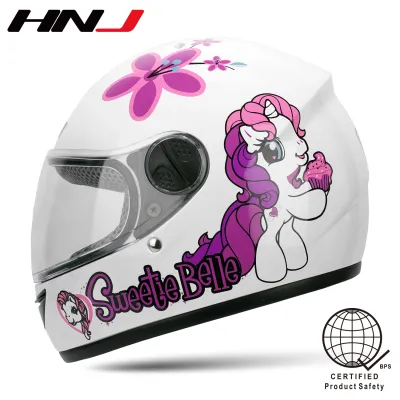
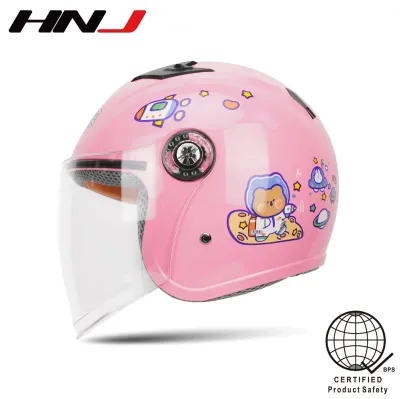
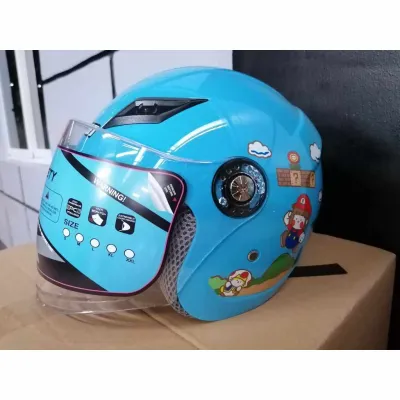
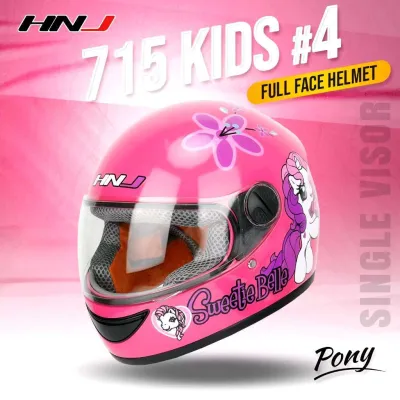
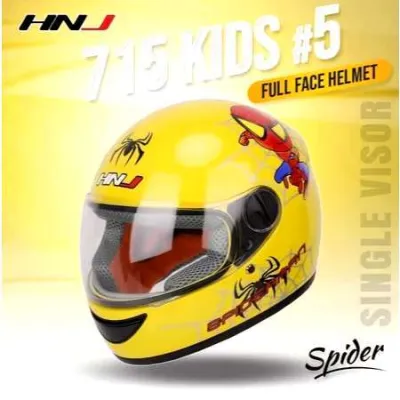
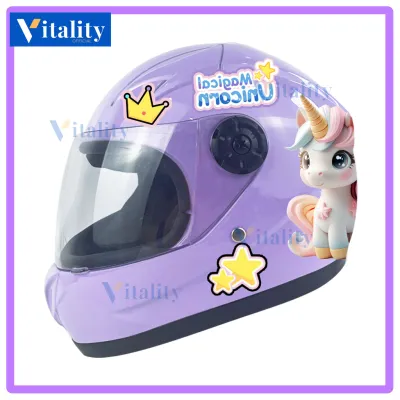
Prices are valid at publication and may change. Please refer to the product page for the latest price.
Premium options generally prioritize weight reduction and advanced comfort. These helmets often utilize high-grade polycarbonate or advanced ABS blends that provide strong structural integrity while minimizing the physical strain on a child’s developing neck muscles. Premium models frequently feature fully removable, moisture-wicking, and antibacterial inner liners, along with multi-port ventilation systems designed to maximize airflow.
When working with a strict budget, it is vital to prioritize structural integrity and essential safety features over cosmetic upgrades. A helmet with a plain, solid-color finish but robust impact-absorption capabilities is always a more reliable investment than one with elaborate graphic designs but inferior shell construction. To get an accurate sense of current pricing in ₱, always check the latest listings on authorized dealer websites or official brand stores, as promotional discounts and seasonal stock changes can influence the final cost.
Checking Safety Standards and Certification Labels
Regardless of the price tier you choose, safety is a non-negotiable factor that must be verified before any purchase. You should never assume a helmet is safe simply because of its brand name, visual appeal, or a higher price tag. Instead, perform a physical inspection of the helmet to locate permanent, legible certification markings. In the Philippines, look for the Import Commodity Clearance (ICC) sticker or the Philippine Standard (PS) mark, which indicate that the helmet has undergone local regulatory testing for impact resistance and structural integrity.

These certification labels are typically applied as tamper-evident stickers on the back of the helmet shell or sewn directly into the retention strap system. If a sticker appears easily peelable, blurry, or lacks a unique serial number, treat it as a significant red flag. Additionally, check the manufacturer’s official documentation or product manual to verify compliance with international standards, such as the Department of Transportation (DOT) standard or the Economic Commission for Europe (ECE) regulations, which outline strict performance criteria for youth helmets.
When reviewing the product specifications, pay close attention to the details regarding impact absorption, strap retention, and the field of vision. The internal Expanded Polystyrene (EPS) liner is the primary component responsible for absorbing impact energy during a collision. Ensure that this liner is thick, uniform, and securely bonded to the outer shell. The retention system, usually consisting of a quick-release buckle or a double D-ring strap, must be robust enough to keep the helmet firmly anchored to the child’s head during sudden movements or impacts. Finally, verify that the visor provides a wide, undistorted field of vision so the child remains fully aware of their surroundings.
Assessing Fit, Comfort, and Build Quality
A helmet can only protect your child if it fits correctly and is comfortable enough to wear consistently. To find the right size, do not rely on age recommendations, as head shapes and sizes vary significantly among children. Instead, use a soft measuring tape to measure your child’s head circumference. Wrap the tape horizontally around the head, approximately one inch above the eyebrows and ears, keeping it level from front to back. Take this measurement in centimeters and compare it strictly to the specific sizing chart provided by the manufacturer for that particular model.
Once you have the helmet, evaluate the quality of the interior padding and retention systems. The inner liner should feel plush but firm, distributing pressure evenly around the head without creating painful hot spots. For riders in warm, humid climates, removable and washable inner liners are highly recommended. Regular washing prevents the buildup of sweat, bacteria, and unpleasant odors, extending the overall lifespan of the helmet. Check that the cheek pads fit snugly against the child’s face without pushing their cheeks uncomfortably into their teeth.
The weight and balance of the helmet are equally critical for a child’s comfort. Because children have weaker neck muscles than adults, an excessively heavy helmet can cause fatigue, neck strain, and resistance to wearing the gear. When holding the helmet, check that the weight is distributed evenly rather than pulling forward or backward. The visor mechanism should operate smoothly, allowing the child or parent to raise and lower the shield easily without requiring excessive force that could destabilize the helmet on the child’s head.
Where to Buy and How to Verify Authenticity
To ensure you are purchasing a genuine HNJ kids’ helmet that meets all safety standards, you must be selective about where you shop. It is highly recommended to buy directly from authorized physical dealers, official brand flagship stores, or verified sellers on reputable online marketplaces. Purchasing from these established channels reduces the risk of acquiring counterfeit products that mimic the appearance of genuine helmets but lack the necessary protective materials.
When evaluating a potential purchase, watch out for common red flags that indicate a counterfeit or compromised product. Genuine helmets are packaged in high-quality, branded boxes and are accompanied by official user manuals, warranty cards, and protective cloth bags. If a seller offers a helmet without its original packaging, or if the printing on the box and labels is blurry, misspelled, or poorly aligned, it is likely a counterfeit. Furthermore, be skeptical of prices that seem unusually low for the claimed product tier; if a deal seems too good to be true, it often compromises on safety.
Before finalizing your purchase, always confirm the seller’s return and exchange policies. This is especially important when buying online, as you may need to exchange the helmet if the fit is not correct upon arrival. Inspect the helmet thoroughly immediately after delivery, checking for any hairline cracks in the outer shell, loose stitching on the straps, or damage to the EPS liner that may have occurred during transit.
Frequently Asked Questions (FAQ)
How often should a child's helmet be replaced?
A child’s helmet must be replaced immediately after any significant impact, drop, or crash, even if there is no visible damage on the outer shell. The internal EPS liner is designed to deform and absorb impact energy once; after a single impact, it loses its protective capabilities and cannot safeguard the head in a subsequent accident. Additionally, you should inspect the helmet regularly for gradual degradation. Over time, exposure to sweat, hair oils, UV rays, and extreme heat can weaken the straps, buckles, and EPS liner. If you notice any fraying, cracking, or loose components, or if the helmet has reached the end of the manufacturer’s recommended lifespan (typically three to five years of regular use), it is time for a replacement.
Can a child wear a helmet that is slightly too big to grow into?
No, a child should never wear a helmet that is too large with the expectation that they will grow into it. An oversized helmet compromises safety in several critical ways. During an impact, a loose helmet can shift, failing to cushion the head properly and potentially causing severe injury. It can also slide forward or backward, obstructing the child’s vision or slipping off entirely during a fall. A helmet must fit snugly and securely at the time of purchase, with no gaps between the padding and the child’s head. If minor adjustments are needed for a secure fit, only use manufacturer-approved adjustable fit pads or retention systems designed specifically for that model.

Community discussion
Share your experience or ask a question. Comments are reviewed before publication.