
Riding a Honda Click through the intense heat and congested streets of the Philippines puts an exceptional amount of thermal stress on its liquid-cooled engine. To prevent overheating and protect your scooter’s internal components, the most effective solution is to use a high-quality, ethylene glycol-based, silicate-free coolant that strictly aligns with Honda’s original equipment manufacturer (OEM) specifications. Because tropical climates subject engines to sustained high ambient temperatures and prolonged idling in traffic, choosing a fluid with the correct chemical formulation is vital for maintaining optimal heat transfer and preventing costly engine damage.
Liquid cooling systems in modern scooters rely on a delicate balance of chemical properties to absorb heat from the cylinder head and dissipate it through the radiator. In a tropical environment like the Philippines, where ambient temperatures frequently exceed 30 degrees Celsius, the cooling system has a much narrower margin for error than it would in cooler climates. A sub-standard or incorrect fluid can quickly lead to localized boiling, localized hot spots, and eventually, catastrophic engine failure.
By focusing on verified label specifications, understanding the metallurgy of your scooter’s engine, and establishing a disciplined maintenance routine, you can ensure your Honda Click remains reliable whether you are commuting daily through heavy city traffic or taking long weekend rides up to cooler highland regions.
Products mentioned in this guide
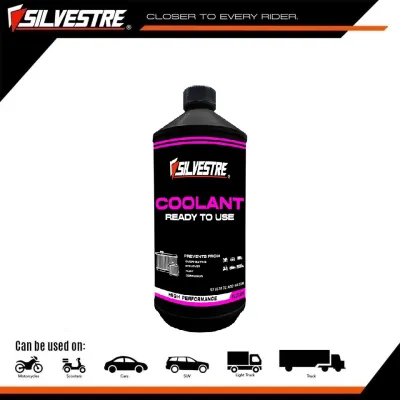
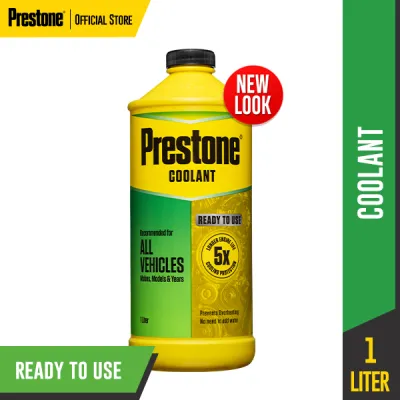
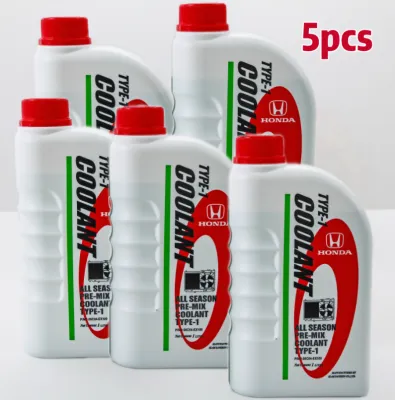
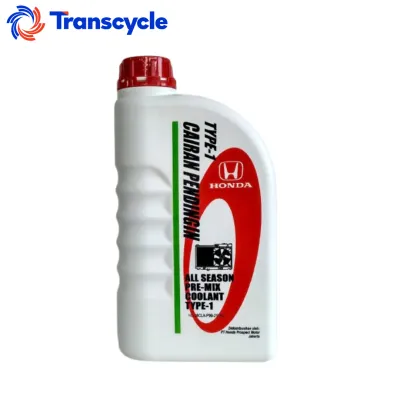
![[Iwas Overheat] Premium TOPBEST Radiator Coolant Anti-Boil Anti-Rust Iwas Kalawang Heavy Duty Engine Protection For Motorcycle Scooter Car Motor Accessories Maintenance Upgrade (Choose 1L 2L 4L 5L in Variation) COD](https://img.lazcdn.com/g/p/05b06cc1a465f66601c079ef77f95ce2.jpg_400x400q80.jpg_.webp)
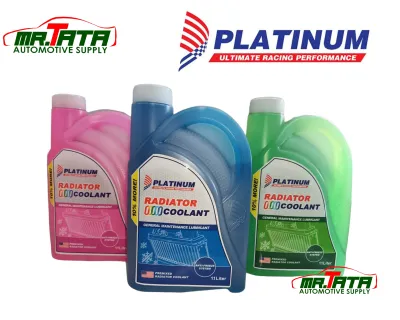
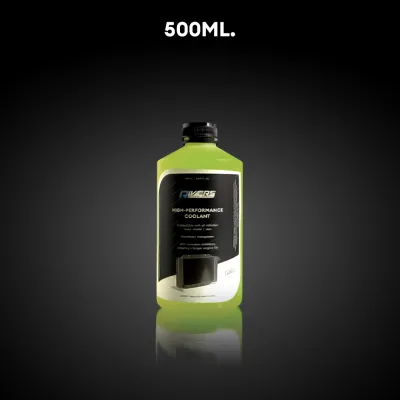
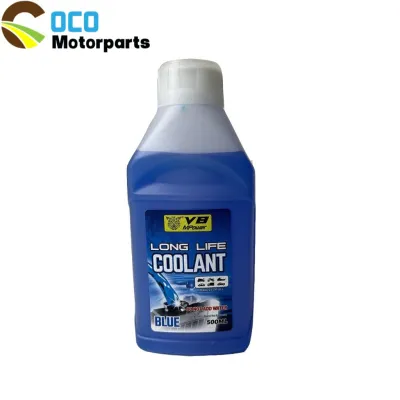
Prices are valid at publication and may change. Please refer to the product page for the latest price.
Understanding Coolant Requirements for the Honda Click
To select the right coolant, you must first understand the specific mechanical and chemical environment inside your Honda Click’s engine. The engine block and cylinder head of this scooter are constructed primarily of aluminum alloys, which are lightweight and highly efficient at transferring heat but highly sensitive to corrosion and chemical attack. Using the wrong fluid can lead to rapid pitting of the aluminum surfaces, which eventually compromises the structural integrity of the cooling passages.
Your primary reference point should always be the Honda Click owner’s manual, which outlines the exact OEM fluid specifications required for your specific model year. Honda generally specifies a high-quality ethylene glycol coolant formulated specifically for aluminum engines. These specifications are designed to ensure that the fluid does not react negatively with the internal metals or degrade the various non-metallic components within the cooling loop.
A critical requirement for any coolant used in the Honda Click is that it must be silicate-free or contain extremely low levels of silicates. Silicates are commonly used in older or heavy-duty automotive coolants as corrosion inhibitors because they form a protective layer over metal surfaces. However, in small-displacement motorcycle engines with narrow cooling passages and high-speed water pump impellers, silicates can precipitate out of the solution, forming an abrasive gel that wears down water pump seals and clogs the radiator tubes.
Beyond protecting the aluminum engine block, the coolant must be fully compatible with all the auxiliary materials in the cooling system. This includes the rubber hoses that transport the fluid, the plastic reserve tank, and the delicate mechanical seals of the water pump. An incompatible chemical formulation can cause rubber hoses to soften, swell, or crack over time, leading to sudden pressure loss and coolant leaks that can strand you on the road.
Key Formulation Features for High Ambient Temperatures
When evaluating coolants for use in the Philippines’ tropical climate, the chemical formulation on the product label is your most reliable guide. The base fluid should consist of ethylene glycol, which serves two critical functions: raising the boiling point of the mixture well above that of pure water and providing essential lubrication for the water pump shaft and seals. This elevated boiling point is crucial when the engine is idling in stationary traffic, where airflow through the radiator is minimal and temperatures rise rapidly.

Coolants are generally available in two forms: pre-mixed (often labeled as 50/50) and concentrated. For most riders, a pre-mixed formulation is highly recommended because it eliminates the risk of using incorrect water-to-coolant ratios or introducing mineral contaminants. If you choose to purchase a concentrated formula, you must mix it strictly according to the manufacturer’s instructions using only distilled or deionized water, as tap water will introduce harmful minerals into the system.
Modern high-performance coolants utilize Organic Acid Technology (OAT) or Hybrid Organic Acid Technology (HOAT) to provide long-lasting corrosion protection. OAT formulations rely on organic inhibitors that bond chemically with metal surfaces only where corrosion starts to form, rather than coating the entire system in a thick layer of silicate gel. This keeps the heat-transfer surfaces clean and highly efficient, which is exactly what a small scooter engine needs when operating under high thermal loads.
The ratio of glycol to water also directly affects heat transfer efficiency. While a higher concentration of glycol raises the boiling point, pure glycol is actually less efficient at transferring heat than water. A 50/50 mix of ethylene glycol and distilled water is generally considered the optimal balance for tropical climates, providing excellent boiling protection while retaining the high heat-capacity characteristics of water to carry heat away from the engine cylinder.
What to Avoid When Selecting a Coolant
Navigating the shelves of automotive supply shops or online marketplaces in the Philippines can be confusing, but knowing what to avoid is just as important as knowing what to look for. One of the most common mistakes is purchasing heavy-duty automotive coolants designed for large diesel trucks or older passenger cars. These fluids often contain high concentrations of silicates, phosphates, or borates, which can quickly ruin the water pump seals of a Honda Click and cause severe clogging in its compact radiator.
Another critical hazard is topping up or diluting your cooling system with tap water, mineral water, or well water. Water from these sources contains dissolved minerals like calcium and magnesium. When subjected to the high temperatures inside the engine, these minerals precipitate out of the water and form a hard scale on the internal walls of the radiator and engine block. This scale acts as an insulator, trapping heat inside the engine and progressively reducing the cooling system’s overall efficiency.
You should also steer clear of unbranded, unusually cheap, or uncertified fluids often found on unregulated ecommerce platforms. These products frequently lack clear ingredient disclosures, certified boiling point data, or verified anti-corrosion guarantees. Using an unverified fluid to save a few pesos can result in severe internal corrosion, water pump failure, or a warped cylinder head, leading to repair bills that far exceed the cost of a premium, OEM-compliant coolant.
Routine Inspection and Maintenance for Tropical Riding
Maintaining your Honda Click’s cooling system in a hot climate requires a proactive approach to routine inspections. The most basic check is monitoring the coolant level in the reserve tank, which should always be done when the engine is completely cold. The fluid level must sit between the upper and lower limit marks molded into the plastic tank; filling it when the engine is hot will give an inaccurate reading and can lead to fluid being expelled through the overflow hose once the system pressurizes.
During your regular inspections, take a close look at the physical condition of the fluid inside the reserve tank. The coolant should be clear and retain its original vibrant color, which is typically green, blue, or pink depending on the formulation. If the fluid appears cloudy, rusty, or has a dark, oily film floating on top, it indicates that the coolant has degraded, or worse, that there is an internal engine leak, such as a blown cylinder head gasket.
The physical state of the radiator itself is another critical factor in heat dissipation. Because scooters ride low to the ground, the radiator fins can easily become clogged with road grime, dust, mud, and debris kicked up from the road, especially during the rainy season. Gently cleaning these fins with a soft brush or a low-pressure water spray will ensure that air can flow freely through the radiator core, which is vital for keeping temperatures down during low-speed city riding.
Finally, do not wait for your engine to overheat before replacing the coolant. Over time, the chemical additives that prevent corrosion and lubricate the water pump will naturally deplete, even if the fluid still looks clean. Refer to your owner’s manual for the recommended replacement intervals—typically measured in kilometers or years—and perform a complete system flush and refill to ensure continuous protection against the tropical heat.
Recognizing and Responding to Overheating Signals
Even with meticulous maintenance, extreme riding conditions can occasionally push your scooter’s cooling system to its limits. It is crucial to monitor your Honda Click’s instrument panel, paying close attention to the coolant temperature warning indicator. If this light illuminates while you are riding, it means the engine temperature has exceeded safe operating limits, and you must take immediate action to prevent severe mechanical damage.
In addition to dashboard indicators, there are several physical signs that suggest your cooling system is under excessive stress. If you notice the radiator fan running continuously without pause, detect a sweet, chemical smell while idling, or see steam or fluid leaking from the water pump area, your engine is likely running too hot. Ignoring these warning signs can quickly lead to a warped cylinder head, damaged piston rings, or a seized engine.
If you suspect your engine is overheating, find a safe spot to pull over immediately, turn off the engine, and let the scooter cool down completely. Never attempt to open the radiator cap or the reserve tank while the engine is hot, as the system is under high pressure and escaping steam or boiling liquid can cause severe burns. Once the engine has cooled down fully, check the reserve tank level and inspect the system for visible leaks; if the cause of the overheating is not obvious or if the fluid is empty, it is safest to have the scooter transported to a qualified mechanic for a professional diagnostic check.
Frequently Asked Questions (FAQ)
Can I use standard automotive coolant in my Honda Click?
While some modern automotive coolants utilize similar Organic Acid Technology (OAT) bases, many car-specific formulations contain silicates, phosphates, or other heavy-duty additives that are incompatible with the compact cooling systems of motorcycles. These additives can cause premature wear on the Honda Click’s water pump seals and clog its narrow radiator passages. To ensure complete compatibility and protect your engine, always select a coolant that is explicitly labeled for motorcycle use or meets Honda’s OEM specifications for aluminum engines.
How does stop-and-go traffic affect coolant lifespan?
Riding in heavy, stop-and-go traffic under the tropical sun subjects your engine to frequent thermal cycles and high operating temperatures with very little natural airflow to assist the radiator. This severe operating environment accelerates the chemical breakdown of the coolant’s anti-corrosion inhibitors and lubricants. If you regularly commute in congested urban areas, you should inspect your coolant level and condition more frequently and consider replacing the fluid closer to the manufacturer’s recommended time or mileage limits for severe-duty conditions.
What should I do if the coolant level drops below the minimum mark?
If you notice the coolant level in the reserve tank has fallen below the lower limit, wait until the engine is completely cold before opening the reservoir cap. Top up the tank to the upper mark using the exact same type of pre-mixed coolant currently in the system, or use distilled water as a temporary emergency measure if the correct coolant is unavailable. Because a closed cooling system should not lose fluid rapidly, a significant or recurring drop in the coolant level indicates a potential leak that requires immediate inspection by a qualified professional.

Community discussion
Share your experience or ask a question. Comments are reviewed before publication.