
Finding the right leather shift knob cover for daily driving in the Philippines requires balancing tactile comfort, heat resistance, and a secure fit. In a tropical climate where cabin temperatures can soar during midday parking, a bare plastic or metal gear stick becomes uncomfortable to touch, while high humidity and stop-and-go traffic lead to sweaty palms and compromised grip. A premium leather cover solves these issues by providing a breathable, slip-resistant barrier that protects your vehicle’s interior from premature wear. To choose the best option, you must evaluate material authenticity, precise fitment dimensions, and secure installation methods rather than relying on generic product listings.
Why Upgrade to a Leather Shift Knob Cover?
Daily commuting in major Philippine cities involves prolonged exposure to intense heat and high humidity, both of which directly affect your vehicle’s cabin environment. When your car is parked under the sun, the interior acts as a greenhouse, heating the steering wheel and gear shift knob to uncomfortable temperatures. Bare metal accents or hard plastics on factory shift knobs retain this heat, making gear changes painful or distracting during your initial drive. A leather cover acts as a natural thermal insulator, reducing heat transfer to your hand and allowing for immediate, comfortable operation.
Beyond temperature control, the physical demands of stop-and-go traffic require constant gear manipulation, especially in manual transmissions or automatic vehicles with manual shift modes. This continuous contact transfers sweat, natural skin oils, and friction directly to the shift knob. Over time, these elements degrade factory polyurethane or plastic finishes, causing them to peel, become sticky, or lose their texture. A dedicated leather cover absorbs minor moisture, provides a consistent grip even when your hands are damp, and shields the original component from permanent cosmetic damage. By preserving the factory shift knob, you also maintain the resale value of your vehicle while enhancing your daily tactile experience.
Products mentioned in this guide
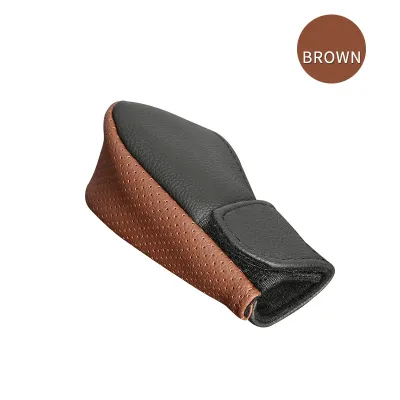
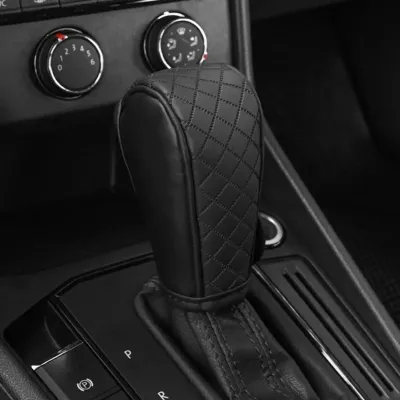
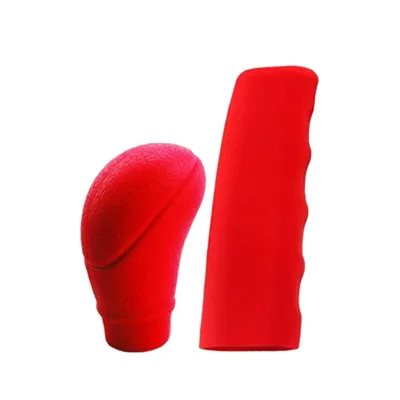
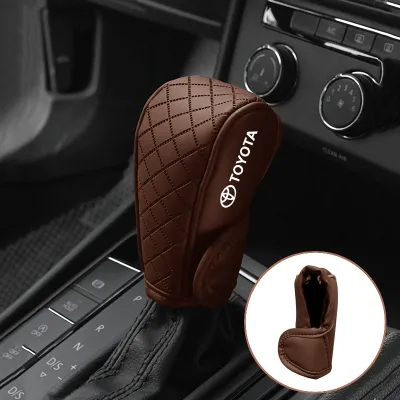
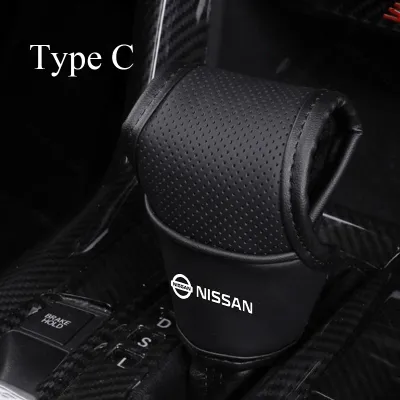
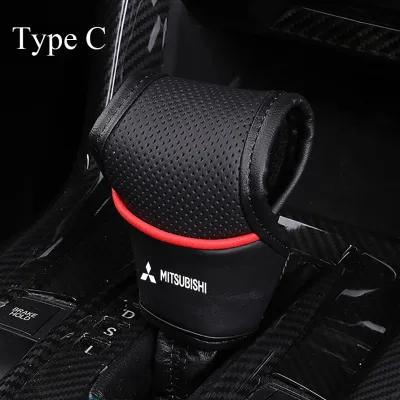
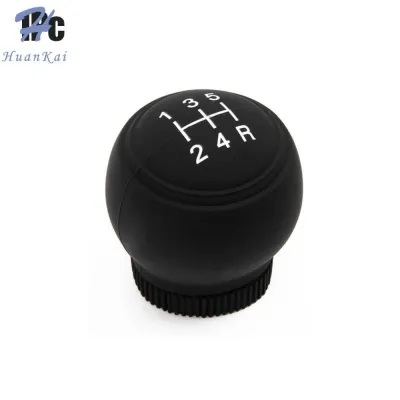
Prices are valid at publication and may change. Please refer to the product page for the latest price.
Furthermore, the aesthetic upgrade of a well-fitted leather cover cannot be overlooked. Factory interiors often feature basic plastic or rubberized shift knobs that wear down to a smooth, shiny, and cheap-looking finish over years of use. Adding a leather cover introduces a premium texture that elevates the overall look of your center console. It allows you to customize your cabin’s appearance with subtle styling cues, such as contrasting stitching colors, without undergoing expensive professional upholstery work or replacing the entire gear shifter assembly.
Key Selection Criteria for Daily Commutes
When evaluating leather shift knob covers, look past aesthetics and focus on structural elements that determine performance. The first critical factor is the surface texture of the leather. Perforated leather patterns are highly recommended for tropical climates because the tiny punctures allow air to circulate, reducing sweat buildup on your palm. If you prefer non-perforated leather, ensure it has a natural, slightly matte grain that offers inherent friction rather than a highly polished, glossy finish that becomes slick when wet.

Stitching quality is another primary indicator of durability. Examine the seams closely; high-quality covers utilize thick, heavy-duty nylon or polyester threads that resist fraying under constant hand pressure. The stitching pattern should be tight and uniform, with reinforced knots at the termination points. Seam placement is equally vital; the seams should lie flat and be positioned where they do not dig into your fingers or palm during gear shifts, preventing blisters or discomfort during long drives.
Finally, inspect the inner lining of the cover. A common failure point of low-quality accessories is rotation or slippage during use. The interior surface of the cover must feature a high-friction material, such as textured rubber, brushed suede, or a specialized non-slip silicone pattern. This inner lining must grip the original shift knob firmly, ensuring that the cover does not twist or slide when you apply lateral force to change gears.
Additionally, consider the thickness of the material itself. While thicker leather often indicates higher durability, it can also add significant bulk to the shift knob. For drivers with smaller hands, an overly thick cover can make the gear stick feel clumsy and difficult to wrap your fingers around securely. Opt for a balanced thickness—typically between 1.0mm and 1.5mm—which provides sufficient protection and cushioning without compromising the ergonomic design of the original shifter.
Sizing and Fitment: Ensuring a Secure Grip
A loose shift knob cover is a safety hazard that can lead to missed gear changes in critical driving situations. Before purchasing any cover, you must verify its compatibility with your specific vehicle model, year, and gear stick interface. Never assume a cover will fit based solely on a generic category term like “universal fit.”
To ensure a secure grip, take precise physical measurements of your existing shift knob. Use a flexible measuring tape to record the maximum diameter of the knob’s head, the circumference at its widest and narrowest points, and the total vertical height from the base of the knob to the top surface. Note the shape of the knob as well, whether it is spherical, teardrop-shaped, or ergonomically contoured for automatic shifters. Keep these measurements handy when comparing product specifications.
When choosing between universal stretch-on covers and custom-molded, vehicle-specific options, consider the trade-offs. Universal covers often rely on elastic bands or stretchy synthetic backings, which are easier to install but may bunch up, slide, or add excessive bulk. Custom-molded covers, which frequently require hand-stitching or lacing during installation, provide a seamless, glove-like fit that mimics a factory leather finish. While they require more effort to install, they offer superior stability and a much cleaner appearance.
The ultimate safety boundary is absolute control: if a cover alters your ergonomic reach, adds too much bulk for a comfortable hand span, or obstructs the shift pattern and mechanical triggers, you must stop the installation immediately and remove the accessory. Always test the full range of motion of your gear stick in a stationary vehicle before driving. Ensure you can smoothly engage every gear, including reverse, without the cover catching on the shift boot, console trim, or safety lockout buttons.
Material Verification: Genuine vs. Synthetic Leather
The market offers various materials labeled as leather, ranging from genuine cowhide to synthetic alternatives like polyurethane (PU) and microfiber. To make an informed decision, you must know how to verify these material claims. Genuine leather features an irregular grain pattern with microscopic pores, a distinct natural scent, and a soft, pliable texture that warms up quickly to the touch. When pressed, genuine leather wrinkles slightly around the point of pressure.
Synthetic alternatives, particularly high-grade microfiber leather, have become highly popular due to their durability and resistance to moisture. Microfiber leather mimics the structure of genuine leather but offers superior resistance to UV fading and does not dry out or crack as easily when exposed to intense tropical sunlight. Standard PU leather, however, tends to degrade quickly in high humidity, often peeling or cracking within a year of daily use.
To protect yourself from misleading marketing, do not rely on online product titles, which often use terms like “genuine PU leather” or “eco-leather” to confuse buyers. Instead, check the physical manufacturer labels, product packaging, or official specifications for the exact material composition. If a seller cannot provide clear details on whether the material is animal-derived or synthetic, treat the listing with caution.
Furthermore, perform a simple tactile inspection if purchasing in person. Genuine leather will feel slightly warm and organic, whereas cheap synthetic materials often feel cold, plasticky, and overly uniform. If you are testing a sample, genuine leather will absorb a tiny droplet of water slowly, whereas synthetic materials will cause the water to bead up and slide off completely. Understanding these differences ensures you pay a fair price for the actual material you receive.
Building Your Shortlist: Sourcing and Pre-Purchase Checks
Sourcing a reliable shift knob cover requires a strategic approach to avoid poorly manufactured goods. Prioritize authorized automotive accessory retailers, official brand stores, and reputable local car customization specialists. These sellers are more likely to offer genuine products with accurate material descriptions and reliable customer support.
When browsing online marketplaces or ecommerce platforms, look beyond the promotional images. Carefully read customer reviews, paying close attention to feedback that mentions long-term durability, ease of installation, and actual fitment on specific car models. Verify the seller’s overall rating and check their return policy to ensure you can exchange or return the cover if it does not fit your gear stick securely.
Be vigilant for red flags in product listings. A major warning sign is the absence of a detailed dimension chart or compatibility list. Vague material descriptions, such as simply stating “leather” without specifying whether it is genuine or synthetic, should also raise concerns. Additionally, be skeptical of extremely low pricing in ₱; high-quality genuine leather or premium microfiber covers require precise manufacturing and quality materials, meaning prices that seem too good to be true usually indicate inferior durability and poor fitment.
It is also beneficial to engage directly with the seller before making a purchase. Ask specific questions regarding the cover’s compatibility with your car’s make, model, and year. A responsive and knowledgeable seller who can confirm fitment details or provide additional photos of the inner lining is a strong indicator of a reliable transaction. If the seller provides vague or automated responses, it is best to look elsewhere.
Installation and Maintenance Best Practices
Proper installation and routine maintenance are essential to maximize the lifespan of your leather shift knob cover and protect your vehicle’s original components. Before installing the cover, thoroughly clean the original shift knob using a mild, interior-safe cleaner to remove all dirt, hand oils, and sticky residues. Allow the surface to dry completely; trapping moisture beneath a tight-fitting cover can lead to mold growth, unpleasant odors, and damage to the original material.
When installing a lace-up or custom-molded cover, take your time to stretch and align the material perfectly with the contours of the knob. Use the provided lacing thread and needle to sew the edges together firmly, ensuring the tension is distributed evenly along the seam. Avoid pulling too hard on a single point, as this can tear the leather or snap the thread. Ensure that the finished knot is tucked away neatly and does not interfere with your grip.
For routine maintenance, clean the cover periodically with a damp microfiber cloth to remove accumulated sweat and oils. If you are using a genuine leather cover, apply a pH-balanced leather conditioner every few months to keep the material supple and prevent cracking from UV exposure. Always check the conditioner label to ensure it is authorized for automotive leather and does not leave a slippery, glossy residue that could compromise your grip during gear changes. Avoid harsh chemical solvents, household detergents, or silicone-based protectants, as these can degrade the stitching and damage both the cover and surrounding interior plastics.
Additionally, protect your vehicle’s interior from direct sunlight whenever possible. Using a reflective front windshield sunshade when parked outdoors significantly reduces cabin temperatures and shields both your steering wheel and shift knob cover from intense UV radiation. This simple habit prevents the leather from drying out prematurely and extends the life of the stitching threads, ensuring your cover remains comfortable and secure for years of daily driving.
Frequently Asked Questions (FAQ)
Will a leather cover interfere with automatic transmission shift locks?
Yes, if the cover is not properly sized or designed for your specific shifter. Automatic transmissions with push-button, side-trigger, or squeeze-release mechanisms require unobstructed movement to shift out of park or change gears safely. Before purchasing a cover, check the physical clearance around these mechanical buttons. The cover must not overlap, pinch, or restrict the trigger’s travel. Always consult your vehicle owner’s manual for any manufacturer warnings regarding aftermarket accessories on the gear selector.
How often should I condition a genuine leather shift knob cover?
In the humid and hot climate of the Philippines, you should condition a genuine leather cover every two to three months. However, you should adjust this frequency based on tactile and visual cues. If the leather begins to feel stiff, dry, or rough, or if you notice slight color fading from direct sunlight exposure, it is time to apply conditioner. Vehicles parked outdoors without windshield sunshades or those driven by individuals who frequently use hand lotions may require more frequent conditioning to counteract chemical transfer and UV drying.
Can I use a steering wheel leather conditioner on my shift knob cover?
Yes, you can generally use the same leather conditioner on both your steering wheel and shift knob cover, provided the product is specifically formulated for automotive leather. Before application, check the product label to confirm it is suitable for high-friction surfaces. Avoid any conditioners that promise a high-gloss finish or contain heavy silicones, as these leave a slippery residue. A safe automotive leather conditioner should absorb completely, leaving a matte, non-greasy finish that preserves your grip.

Community discussion
Share your experience or ask a question. Comments are reviewed before publication.