
Choosing the right motor seat cover in the Philippines requires balancing two extreme environmental forces: intense tropical sunlight and sudden, heavy downpours. There is no single material that perfectly conquers both conditions without some trade-offs. If your daily commute involves parking in open, unshaded areas under the midday sun, a highly breathable material like 3D mesh will prevent painful heat buildup but will let rainwater pass right through to the underlying foam. Conversely, a fully waterproof vinyl cover keeps the internal cushion dry during a monsoon but can become scorching hot and sticky after just a few minutes of direct exposure to the sun. Finding the ideal solution means evaluating your typical parking habits, your tolerance for maintenance, and how the physical properties of different materials behave under local weather conditions.
How Tropical Heat and Heavy Rain Affect Motor Seat Covers
The tropical climate of the Philippines subjects motorcycle components to severe environmental stress throughout the year. High ambient temperatures combined with intense ultraviolet (UV) radiation from the sun accelerate the degradation of synthetic polymers. Over time, constant UV exposure breaks down the chemical bonds in standard seat covers, leading to visible fading, loss of elasticity, and eventually brittle cracking. Once the outer protective layer cracks, the underlying polyurethane foam becomes vulnerable to direct sunlight, causing it to crumble and lose its supportive cushioning properties.
Frequent rain showers and high humidity introduce a different set of challenges for riders. When water pools on a compromised or poorly fitted seat cover, it slowly seeps through the seams and stitching. This trapped moisture creates a damp, dark environment inside the seat foam that is highly conducive to mold, mildew, and bacterial growth. Not only does this cause unpleasant, persistent odors, but it can also rot the stitching from the inside out, causing the seams to split under the rider’s weight.
Products mentioned in this guide
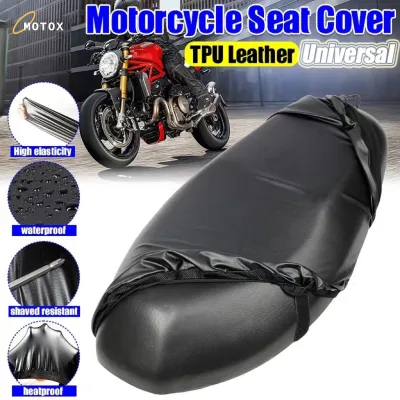
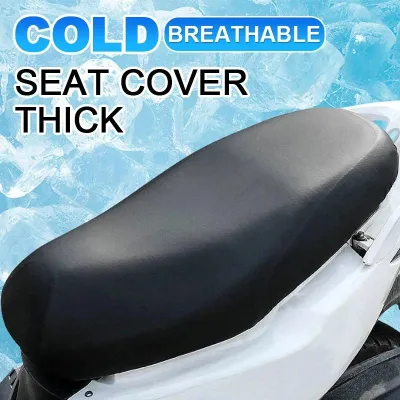
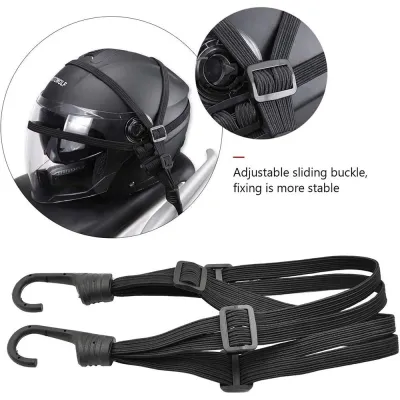
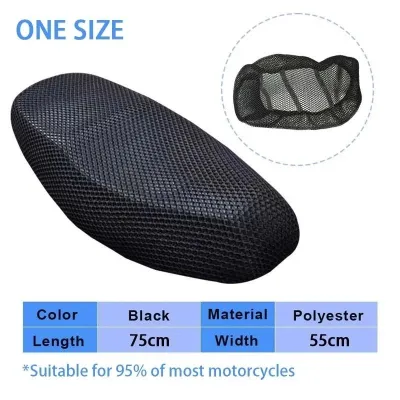
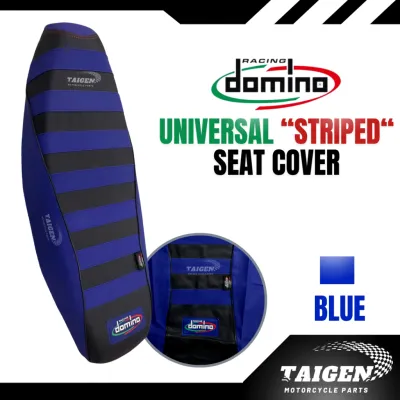
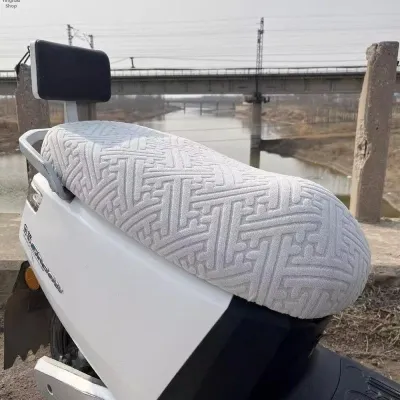
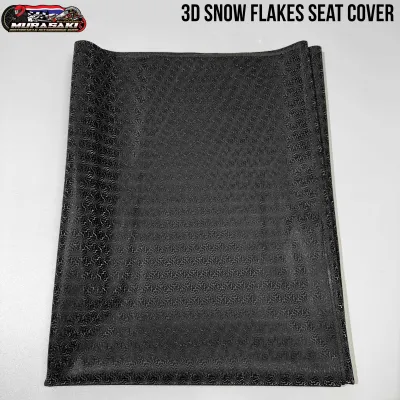
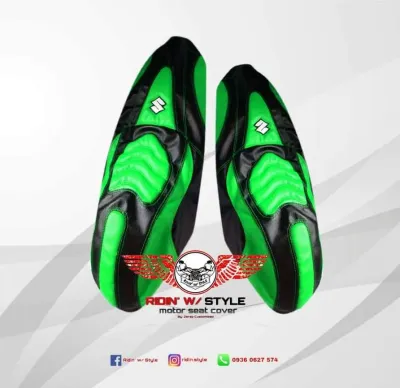
Prices are valid at publication and may change. Please refer to the product page for the latest price.
This constant cycle of wetting and drying creates a fundamental engineering trade-off between complete waterproofing and breathability. A completely sealed, non-porous cover is excellent at keeping water out of the foam, but it traps sweat and body heat against the rider’s skin, leading to discomfort during long rides. On the other hand, highly breathable fabrics that allow air to circulate and keep the rider cool will inevitably allow rainwater to saturate the seat. Understanding this balance is key to selecting a cover that matches your daily riding reality.
Evaluating Common Motor Seat Cover Materials for Tropical Climates
To make an informed decision, you must compare how different seat cover materials handle heat reflection, water resistance, and physical wear. The market offers several distinct categories, ranging from traditional synthetic plastics to advanced breathable meshes. Each material class has unique physical characteristics that dictate how it responds to the elements, how much maintenance it requires, and how comfortable it remains during daily use.

Vinyl and PVC Options
Vinyl and polyvinyl chloride (PVC) are the most common materials used for standard motorcycle seat covers due to their excellent waterproofing capabilities. Water simply beads up on the surface of a high-quality vinyl cover, allowing you to wipe it completely dry with a quick swipe of a microfiber cloth after a sudden afternoon downpour. This impervious barrier ensures that the internal seat foam remains dry, preventing mold growth and preserving the structural integrity of the cushion over years of use.
However, standard vinyl has a high thermal mass and poor breathability, meaning it absorbs and retains heat rapidly when left in direct sunlight. Sitting on a vinyl seat that has been baking in an open parking lot can be incredibly uncomfortable and can even cause mild skin irritation. To mitigate this, look for manufacturer labels indicating UV-treated or heat-reflective vinyl formulations. Some manufacturers also offer perforated vinyl, which improves airflow slightly, though you must verify if these perforations compromise the cover’s overall water resistance by allowing moisture to seep through the holes.
Synthetic and Genuine Leather
Genuine leather offers a premium aesthetic and natural breathability that synthetic plastics cannot fully replicate. It conforms well to the rider’s body over time and tends to stay cooler than standard vinyl when exposed to moderate sunlight. However, genuine leather is highly susceptible to the damaging effects of high humidity and frequent rain. Without regular maintenance, water exposure causes leather to stiffen, shrink, and crack, while the constant moisture in tropical air encourages rapid mold colonization.
Synthetic leather, often made from polyurethane (PU), provides a similar look and feel to genuine leather with improved water resistance and lower maintenance requirements. While PU leather handles occasional rain better than genuine hide, it still requires careful attention to the seams. Water can easily penetrate the needle holes of stitched synthetic leather covers. When choosing either option, verify if the manufacturer has applied a factory weatherproofing treatment, and be prepared to establish a regular conditioning routine to keep the material supple and water-resistant.
Mesh, Neoprene, and Fabric Blends
Three-dimensional (3D) mesh covers have become highly popular among riders in hot climates due to their exceptional airflow characteristics. These covers feature an open, honeycomb-like structure that creates a physical gap between the rider and the seat surface. This gap allows air to flow freely underneath you while riding, drastically reducing heat buildup and preventing sweat accumulation. Even when parked in direct sunlight, a 3D mesh cover does not retain heat the way solid vinyl does, allowing you to ride immediately without waiting for the seat to cool down.
The primary drawback of mesh is its complete lack of water resistance. Rainwater passes directly through the mesh structure. While the mesh itself dries very quickly because it does not absorb water, any underlying foam will become completely saturated if it is not protected by a waterproof barrier underneath the mesh. Neoprene, another popular fabric blend used in wet suits, offers a middle ground with decent water resistance and cushioning. However, neoprene tends to trap heat and can feel warm against the body during long daytime trips, making it less ideal for pure heat mitigation.
Matching the Material to Your Riding and Parking Habits
Selecting the best motor seat cover is ultimately a personal decision based on your daily routine, commute length, and where you park your motorcycle. If your daily routine involves parking in a covered garage at home and a shaded basement at work, heat retention is less of an issue. In this scenario, a high-quality vinyl or synthetic leather cover is highly practical, as it provides complete protection against occasional rain during your commute while requiring minimal daily maintenance.
Conversely, if you must park on the street or in open, unshaded lots for hours at a time, heat mitigation becomes your primary concern. A 3D mesh cover installed over a waterproof base layer offers an excellent compromise, keeping your seating surface cool while protecting the inner foam from water damage. For long-distance riders who spend hours on the road, prioritizing breathability and ergonomic comfort is essential, whereas short-distance commuters may prefer the low-maintenance convenience of a wipe-and-go vinyl cover.
| Material Type | Heat Dissipation | Water Resistance | Maintenance Level | Best Suited For |
|---|---|---|---|---|
| Vinyl / PVC | Low (Retains heat) | High (Wipes dry) | Low (Simple wipe) | Open parking, frequent rain, low maintenance |
| Synthetic Leather | Moderate | Moderate (Seam risk) | Medium (Occasional clean) | Shaded parking, premium look, balanced use |
| 3D Mesh | High (Excellent airflow) | Low (Water passes through) | Low (Dries quickly) | Hot daytime riding, shaded parking, heat relief |
| Neoprene | Low to Moderate | High (Water-resistant) | Medium (Needs drying) | Wet weather riding, extra cushioning |
Maintenance and Care to Prevent Heat and Water Damage
Regardless of the material you choose, establishing a regular maintenance routine is vital to extending the lifespan of your motor seat cover and protecting your motorcycle’s seat assembly. Road grime, sweat, and acidic rain residue can slowly degrade both synthetic and natural materials if left unchecked. Clean your seat cover regularly using mild, pH-neutral soapy water and a soft cloth or sponge. Avoid harsh chemical detergents, abrasive brushes, or high-pressure washers, which can strip away factory-applied UV inhibitors and damage delicate stitching.
Proper drying is critical in high-humidity environments to prevent the growth of mold and mildew. If your seat cover becomes saturated, remove it if possible, or park the motorcycle in a well-ventilated, shaded area to dry completely. Never trap moisture by placing a non-breathable plastic sheet over a wet seat, as this accelerates mold growth and can ruin the underlying foam.
When installing or replacing a seat cover, always ensure a secure, tight fitment according to the manufacturer’s instructions. A loose or poorly secured seat cover can slip or shift unexpectedly while you are riding, which can compromise your control of the motorcycle and lead to accidents. If you are unsure about stretching or stapling a replacement cover correctly, seek assistance from a qualified professional installer. Additionally, using physical barriers like a reflective sun shade or a full, breathable motorcycle cover when parked outdoors provides excellent, passive protection against both UV rays and heavy downpours.
Frequently Asked Questions (FAQ)
Does a black seat cover get dangerously hot in direct sunlight?
Yes, black and other dark-colored seat covers absorb a significant portion of solar radiation, causing their surface temperatures to rise rapidly in direct sunlight. This heat absorption can make the seat uncomfortable or even painful to sit on after parking outdoors. To manage this, verify if the seat cover material features heat-reflective technology or UV-blocking additives designed to reduce thermal absorption. Alternatively, you can use simple, reversible mitigation steps, such as placing a light-colored towel or a reflective sun shield over the seat when parking in unshaded areas.
Can I apply aftermarket waterproof sprays to any seat cover?
You should not apply aftermarket waterproofing sprays indiscriminately, as the chemical solvents in these products can react negatively with certain materials. Some sprays can dissolve synthetic coatings, discolor genuine or synthetic leather, or clog the open pores of breathable mesh fabrics, destroying their airflow benefits. Always read both the seat cover manufacturer’s care label and the spray product’s instructions to verify compatibility before application. If the material type of your seat cover is unlisted or if you are unsure about chemical compatibility, stop and consult the manufacturer or perform a small spot test on an inconspicuous area first.

Community discussion
Share your experience or ask a question. Comments are reviewed before publication.