
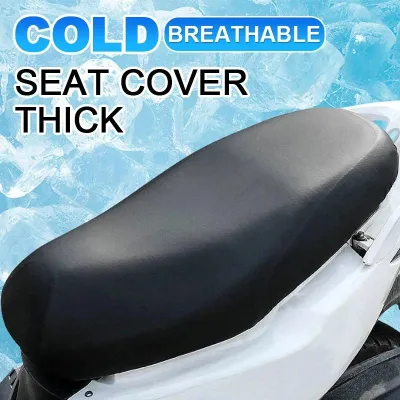
Selecting a durable cover seat for motorcycle use in the Philippines requires balancing protection against intense ultraviolet (UV) radiation and frequent, heavy tropical downpours. The ideal material must prevent water from seeping into the underlying foam, resist sun-induced cracking, and manage heat retention so the seat remains comfortable to ride on. While several materials are available on the market, marine-grade vinyl (a heavy-duty synthetic polymer blend) stands out as the most practical primary option for this demanding climate. For riders seeking optimal temperature control, combining a waterproof vinyl base with a removable, breathable 3D spacer mesh cover offers an excellent balance of weatherproofing and airflow.
Key Material Requirements for Tropical Weather
The climate in the Philippines presents a unique set of environmental challenges that rapidly degrade standard automotive materials. Intense UV radiation is the primary threat during the dry season, as constant exposure breaks down the chemical bonds in unprotected plastics and fabrics. This degradation manifests as fading, loss of elasticity, and eventually, deep cracks that compromise the cover’s structural integrity.
Thermal dynamics also play a significant role in rider comfort and material longevity. Dark-colored seat covers absorb a high percentage of solar energy, causing surface temperatures to climb rapidly when the motorcycle is parked in direct sunlight. This intense heat not only makes the seat uncomfortable to sit on but also accelerates the drying out and hardening of the cover material.
Products mentioned in this guide
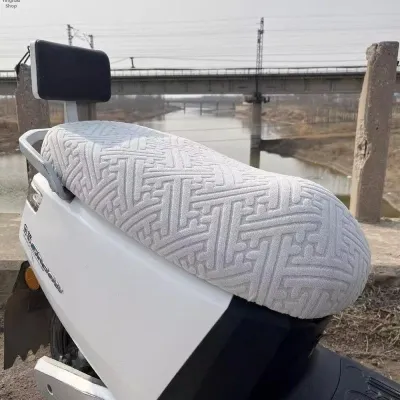
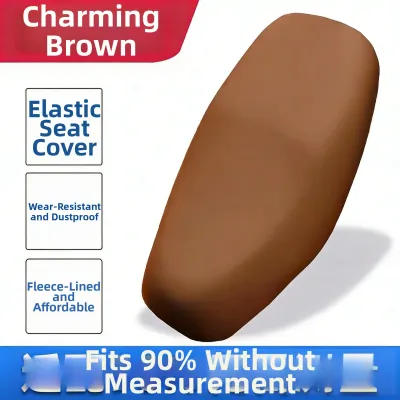
Prices are valid at publication and may change. Please refer to the product page for the latest price.
During the wet season, moisture management becomes the critical priority. Heavy monsoon rains can easily saturate a porous seat cover, allowing water to pool and seep into the open-cell foam underneath. Once the foam is wet, it acts like a sponge, retaining moisture for days and transferring water to the rider’s clothing long after the rain has stopped.
Furthermore, the combination of trapped moisture and high ambient humidity creates a perfect environment for biological growth. Mold, mildew, and bacteria can quickly colonize the damp foam and the underside of the seat cover. This biological activity leads to unpleasant odors, unsightly stains, and the gradual rot of both the cushioning foam and the seat pan.
Evaluating Common Seat Cover Materials
Understanding how different materials perform under these tropical stressors is essential for making an informed choice that balances durability, comfort, and maintenance requirements.

Vinyl and Synthetic Blends
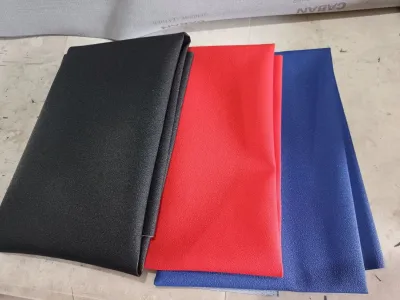
Marine-grade vinyl and high-quality polyvinyl chloride (PVC) blends are widely considered the most practical choices for primary motorcycle seat covers. These synthetic materials are inherently non-porous, meaning they provide an immediate, highly effective barrier against heavy rainfall. Water simply pools on the surface and can be wiped away completely with a dry cloth, allowing you to ride immediately after a storm.
However, synthetic vinyl is highly susceptible to UV damage if it is not specifically treated during manufacturing. Without integrated UV stabilizers, prolonged exposure to tropical sunlight causes the plasticizers in the vinyl to migrate to the surface and evaporate, leaving the material brittle and prone to splitting along stress lines.
Additionally, standard vinyl tends to retain heat and does not breathe, which can lead to discomfort and sweating during long rides in hot weather. To address this, some manufacturers offer premium synthetic blends with reflective topcoats or textured surfaces designed to minimize direct skin contact and reduce heat absorption.
Mesh and Breathable Fabrics
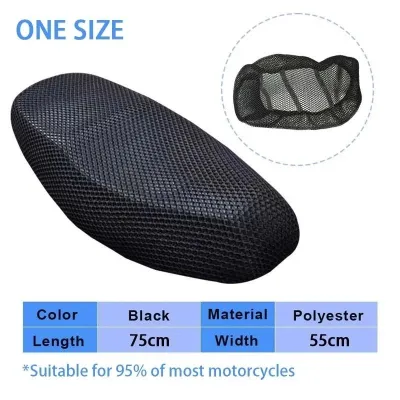
3D spacer mesh covers have gained immense popularity among local riders due to their exceptional ventilation properties. These covers feature an open, three-dimensional honeycomb structure woven from polyester or nylon fibers, which creates a physical gap of several millimeters between the rider and the seat surface. This gap allows air to circulate freely, significantly reducing heat buildup and sweat.
The primary limitation of mesh is its complete lack of water resistance. Because the material is highly porous, rainwater passes directly through the mesh. If a mesh cover is installed over a damaged or non-waterproof seat, it will allow water to saturate the underlying foam, exacerbating moisture-related issues.
For this reason, mesh is best utilized as a secondary, slip-on layer rather than a primary seat cover. By installing a removable mesh cover over a fully waterproof vinyl base, you can enjoy the cooling benefits of airflow during dry weather and easily remove or shake out the mesh layer when it rains.
Leather and Faux Leather
Genuine leather is often favored for custom builds and premium aesthetics, but it is poorly suited for the harsh, wet, and humid conditions of a tropical climate. Leather is a natural, porous material that readily absorbs water, which causes it to stretch, warp, and lose its shape. When it dries out under the hot sun, it can shrink and crack unless it receives constant, specialized maintenance.
Faux leather, typically made from polyurethane (PU), offers a similar classic appearance with better initial water resistance than genuine leather. However, standard PU leather is still highly vulnerable to hydrolysis—the chemical breakdown of the polymer due to water exposure—and will quickly peel or flake when subjected to constant humidity and UV radiation.
If you prefer the look of leather, it is critical to verify that the material is specifically rated for outdoor, marine, or automotive use. Always check the manufacturer’s labels and specifications to ensure the faux leather contains robust UV inhibitors and hydrolysis-resistant compounds before making a purchase.
Structural Features That Enhance Weather Resistance
While selecting the right base material is crucial, the overall construction and design features of the seat cover determine how well it actually performs on the road. Seams are the most common failure point for water ingress; standard stitched seams create thousands of tiny needle punctures that allow rainwater to bypass even the most waterproof fabric. To prevent this, look for covers that feature heat-welded, taped, or chemically sealed seams that maintain a continuous, unbroken barrier against moisture.
Surface treatments also play a vital role in enhancing weather resistance. High-quality seat covers often feature factory-applied hydrophobic coatings that cause water to bead up and roll off effortlessly, as well as integrated UV-blocking agents that protect the underlying polymer chains from solar degradation. These treatments help preserve the material’s flexibility and color over years of exposure.
Thermal management can be further improved through specialized design elements. Some advanced covers incorporate heat-reflective pigments directly into the material, which can keep the surface temperature lower than standard black vinyl when parked in direct sunlight. Additionally, choosing lighter colors or multi-toned designs with silver or grey accents can significantly reduce solar heat absorption.
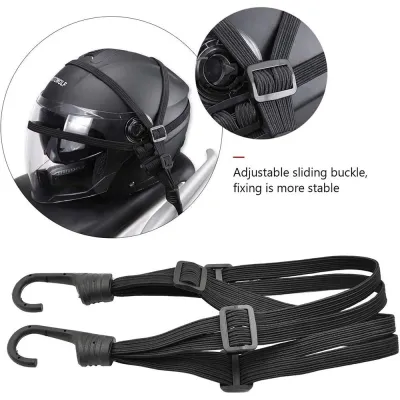
Finally, proper fit and tension are essential to prevent water from pooling in sagging areas of the seat. A loose cover allows water to collect, which increases hydrostatic pressure and accelerates water seepage through seams. Look for covers with robust elastic hems, adjustable drawstrings, or secure tensioning straps that keep the material taut. Before purchasing, always verify the dimensions and mounting position against your specific motorcycle model’s documentation to ensure a precise fit, as an improperly sized cover can slip during operation and compromise rider safety.
Maintenance and Care for Prolonged Durability
To maximize the lifespan of your cover seat for motorcycle use, establishing a regular maintenance routine is essential. Rainwater in urban areas often carries acidic pollutants, industrial fallout, and road grime that can chemically degrade synthetic materials if left to dry on the surface. Regularly rinsing the seat cover with clean, fresh water and a mild, pH-neutral soap is the most effective way to remove these harmful residues.
When cleaning, avoid using harsh household detergents, dish soaps, degreasers, or abrasive scrubbing brushes, as these harsh chemicals can strip away factory-applied UV inhibitors and hydrophobic coatings. Instead, use a soft microfiber cloth or a gentle sponge to wipe down the surface, and always rinse thoroughly to ensure no soap residue remains.
After washing or riding through a heavy downpour, make sure the seat is allowed to dry completely. If you use a dual-layer setup with a mesh cover, remove the mesh periodically to clean and dry the area underneath. This prevents moisture from becoming trapped between the layers, which can quickly lead to mold and mildew growth.
To bolster the material’s resistance to the sun, you can periodically apply a compatible, manufacturer-approved UV protectant spray designed specifically for outdoor vinyl or synthetics. Always read the product label to ensure it is authorized for your specific seat material, and test it on a small, hidden area first to verify that it does not make the seat surface dangerously slick or cause discoloration.
Whenever possible, park your motorcycle in shaded areas or use a high-quality, breathable full-vehicle cover during extended periods of non-use. Shielding the seat from direct exposure to the daily cycle of intense sun and heavy rain is the single most effective way to preserve both the cover and the underlying seat foam for years to come.
Frequently Asked Questions (FAQ)
Can I use a standard indoor seat cover outdoors?
Using a cover designed strictly for indoor dust protection in an outdoor tropical environment will result in rapid material failure. Indoor covers generally lack the essential UV stabilizers and waterproof coatings required to withstand intense sunlight and heavy rain. Within a short period of outdoor exposure, the material will fade, become brittle, and tear easily. Furthermore, because they allow water to pass through, they can trap moisture against your seat foam, leading to internal rot, mold, and costly damage to the seat structure.
How do I prevent my seat cover from getting too hot in the sun?
To manage extreme seat temperatures when parking outdoors, try to position your motorcycle in shaded areas or use a reflective sun shade over the seat. Selecting a seat cover with built-in heat-reflective properties, choosing lighter colors, or installing a removable 3D spacer mesh cover will also significantly reduce heat retention. These measures help keep the surface temperature manageable and allow the seat to cool down rapidly once you begin riding.

Community discussion
Share your experience or ask a question. Comments are reviewed before publication.