
Choosing between a compact SEC alloy top box for daily commuting and a high-capacity model for long-distance touring depends on your typical cargo volume, your motorcycle’s weight limits, and the riding environments you encounter. In the Philippines, where riders face both congested city streets and unpredictable tropical weather, selecting the correct aluminum luggage ensures you can carry your essentials securely without compromising the stability or handling of your motorcycle. The right top box acts as a reliable companion, keeping your gear dry during sudden afternoon downpours and secure when your bike is parked.
To make an informed decision, you must evaluate how a top box alters your motorcycle’s physical footprint and weight distribution. A box that is too large can make filtering through tight urban lanes hazardous, while a box that is too small will leave you struggling to pack necessary gear for multi-day provincial trips. By understanding the distinct demands of commuting and touring, you can select a capacity and mounting setup that aligns with your daily routine and riding style.
Identifying Your Primary Riding Needs
Daily city commuting demands agility, a narrow profile, and quick access to your belongings. When navigating dense urban traffic, such as filtering through tight lanes in metropolitan areas, a bulky top box can alter your motorcycle’s width and affect your ability to squeeze through tight spaces safely. For these daily trips, your primary requirements are a compact footprint, a quick-release latch system for fast access to your belongings, and a lightweight build that does not significantly alter your bike’s center of gravity during low-speed maneuvers.
Products mentioned in this guide
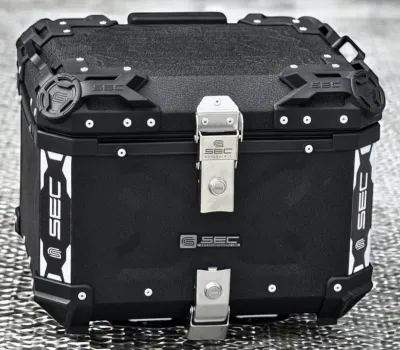
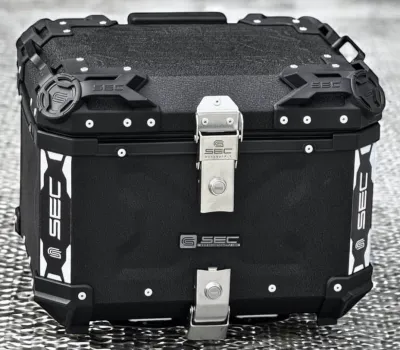
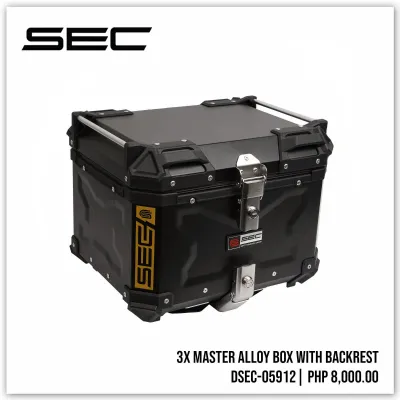
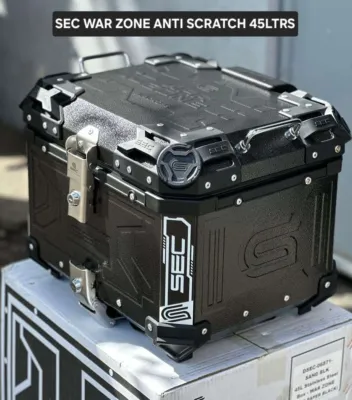
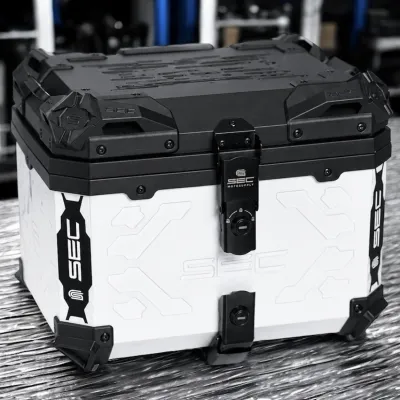
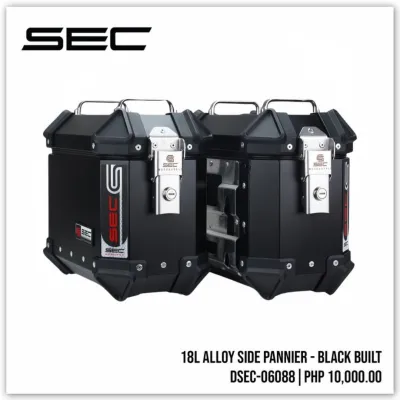
Prices are valid at publication and may change. Please refer to the product page for the latest price.
In contrast, provincial or long-distance touring requires a focus on maximum storage volume and robust environmental protection. Weekend rides along scenic routes like the Marilaque Highway or multi-day loops across provinces demand space for extra clothing, tools, emergency supplies, and riding gear. Long-distance touring also subjects your luggage to prolonged exposure to intense sun, sudden tropical downpours, and dusty roads, making weatherproofing and secure locking mechanisms your top priorities.
For riders who use their motorcycles for both daily work commutes and weekend getaways, a mixed-use approach is necessary. This requires finding a middle ground—a top box that is spacious enough to hold a weekend dry bag or an extra helmet but streamlined enough not to make your daily city ride cumbersome. Evaluating how often you carry a pillion passenger is also critical, as larger boxes can crowd the rear seat and reduce passenger comfort.
Additionally, local road conditions should influence your choice of luggage. Urban commuting often involves frequent stops, speed bumps, and sudden maneuvers to avoid potholes, where a lighter box minimizes the strain on your motorcycle’s rear frame. On the other hand, provincial highways expose your motorcycle to sustained high speeds and strong crosswinds, where the aerodynamic profile of your top box plays a more significant role in maintaining stability.
Key Features to Verify Before Buying
When evaluating an aluminum top box, the physical build quality and sealing are the first lines of defense against wear and weather. Inspect the thickness of the alloy walls and look for reinforced polymer corners, which absorb impacts if the motorcycle tips over. The rubber weather stripping along the lid’s inner track must be thick and continuous; a loose or thin seal will allow moisture to seep in during heavy monsoon rains, potentially damaging electronics or spare clothing stored inside.

Security mechanisms are equally vital for peace of mind when leaving your motorcycle parked in public areas. Examine the primary locking system to ensure the key cylinder operates smoothly and the locking bar engages securely with the base plate. High-quality inner liners, often made of padded fabric or synthetic leather, are highly beneficial because they cushion your items, prevent metal-on-metal rattling, and protect delicate items like laptops or spare visors from scratches.
Mounting rack compatibility is a critical safety factor that you must verify before making a purchase. Every motorcycle model has a specific rear frame design, and the top box’s universal base plate must align securely with your existing rear carrier. You must check your motorcycle’s documentation and the top box specifications to confirm if a model-specific heavy-duty bracket is required to distribute the weight evenly across the subframe.
Weight considerations must not be overlooked, as aluminum top boxes are inherently heavier than their plastic counterparts. You must assess the empty weight of the alloy box along with its mounting hardware and compare this against your motorcycle’s maximum rear rack payload limit. Overloading the rear of the motorcycle can stress the subframe, cause metal fatigue over time, and negatively impact your steering responsiveness.
Furthermore, pay close attention to the latch and hinge hardware. Robust stainless steel hinges and dual-latch systems provide extra structural integrity, ensuring the lid remains tightly shut even when riding over rough, unpaved provincial roads. A quick-release mounting mechanism is also highly convenient, allowing you to detach the entire box easily when you need to carry it indoors or clean your motorcycle.
Matching Capacity and Dimensions to Your Ride
Commuter capacities, typically ranging from approximately 25 liters to 35 liters, are highly suited for daily urban travel. This size range easily accommodates a single full-face helmet, a set of rain gear, and small personal items like a lunchbox or tablet. Because these boxes have a narrower profile, they do not extend past the width of your handlebars, allowing you to maintain the agile handling characteristics of your motorcycle in stop-and-go traffic.
Touring capacities, which generally span from 40 liters to 55 liters or more, are designed for riders who need to carry substantial gear over long distances. A 45-liter or 55-liter box can typically hold two full-face helmets or a combination of a single helmet, riding boots, and a sleeping bag. While these larger volumes are excellent for carrying bulky items, they add significant wind resistance and weight to the rear of the motorcycle, which requires more cautious riding habits.
Before choosing a larger capacity, you must perform dimensional checks on your motorcycle. Measure the distance from the rear subframe to the passenger grab rails to ensure the top box base plate does not overhang excessively. Additionally, check the clearance for a pillion rider; a box mounted too far forward can restrict passenger seating space, while a box mounted too far back can put undue leverage on the rear frame.
The shape of the top box also influences how you pack and ride. Flat-top designs often feature external tie-down loops, allowing you to strap additional lightweight items, such as a dry bag or a sleeping mat, directly onto the lid. Contoured designs, on the other hand, offer slightly better aerodynamics and often integrate backrest pads more seamlessly, providing better comfort for a passenger during long provincial journeys.
It is also wise to consider the physical width of the box in relation to your motorcycle’s mirrors and handlebars. A top box that is wider than your bike’s midsection can create unexpected clearance issues when maneuvering through tight parking spaces or navigating narrow residential streets. Keeping the box dimensions proportional to your motorcycle’s overall size helps maintain balanced aesthetics and predictable handling.
Installation Safety and Handling Adjustments
Installing a heavy alloy top box introduces significant changes to your motorcycle’s dynamics, making safety checks essential. You must consult your motorcycle owner’s manual to find the manufacturer’s maximum rear carrier weight rating, which is often lower than riders assume, sometimes limited to 5 to 10 kilograms. Exceeding this limit with a heavy alloy box and dense cargo can lead to structural failure of the rear rack or subframe.
Because the added weight is positioned high and far back on the motorcycle, it shifts the center of gravity rearward. To compensate for this rear-heavy load and maintain stable braking and cornering, you should adjust your rear suspension preload according to your vehicle’s manual. Additionally, verify that your tire pressures are adjusted to the manufacturer’s recommended settings for carrying cargo or a passenger, as under-inflated tires can cause dangerous high-speed wobbles.
Vibration from daily riding on uneven roads can cause mounting hardware to loosen over time. Establish a routine maintenance schedule to inspect all mounting bolts, rack welds, and base plate screws every few weeks or after a long trip. Using thread-locking fluid on the bolt threads can help prevent vibration-induced loosening, ensuring the top box remains securely attached to the rack.
If the installation process requires modifying your motorcycle’s original frame, such as drilling new holes, welding brackets, or altering the subframe, you must stop and consult a qualified professional mechanic. Improper modifications can compromise the structural integrity of your motorcycle, void your manufacturer’s warranty, and create severe safety hazards on the road. Always prioritize professional installation when standard, model-specific brackets are not readily compatible.
Finally, remember that carrying a heavy load at the rear affects your braking distance. The front wheel will have less downward force during sudden stops, which can increase the likelihood of front-wheel slip or ABS activation on wet roads. Practice riding with a fully loaded top box in a safe, controlled environment before embarking on a long journey to get accustomed to the altered handling and braking characteristics.
Frequently Asked Questions (FAQ)
Do alloy top boxes affect motorcycle fuel consumption?
Yes, mounting an alloy top box can increase your motorcycle’s fuel consumption, primarily due to added weight and altered aerodynamics. The box acts as a physical barrier to airflow, creating aerodynamic drag that forces the engine to work harder to maintain highway speeds. The actual impact on your fuel economy depends on variables such as your average riding speed, the frontal area of the box, and the total weight of the cargo you carry.
Can I paint or wrap an aluminum top box to match my motorcycle?
Yes, you can customize the exterior of an aluminum top box using paint or vinyl wraps, provided you prepare the surface correctly. Bare or powder-coated aluminum requires thorough cleaning, light sanding, and the application of a self-etching primer to ensure the paint or adhesive adheres properly. Before making any modifications, check the manufacturer’s warranty guidelines, and ensure that any applied materials can withstand the heat and environmental exposure typical of motorcycle use.
How do I prevent water leaks in an alloy top box during heavy rain?
To maintain the weatherproof integrity of your alloy top box during heavy downpours, regularly inspect and clean the rubber weather stripping around the lid seal. Dirt, sand, and debris can prevent the seal from closing flush, allowing water to seep inside. Additionally, check the alignment of the hinges and adjust the latch tension periodically to ensure that the lid compresses the rubber seal evenly across the entire opening.

Community discussion
Share your experience or ask a question. Comments are reviewed before publication.