
Dual VVT-i (Variable Valve Timing-intelligent) engines require highly precise ignition timing and heat management to optimize fuel efficiency and power. While copper, platinum, and iridium spark plugs are all physically capable of generating a spark, iridium spark plugs are generally the standard and most suitable choice for modern Dual VVT-i systems. These engines operate under high-compression, lean-burn conditions where a consistent, high-temperature spark is essential. Iridium’s extremely high melting point and fine-wire design allow for stable ignition under these demanding conditions, whereas copper and standard platinum may wear down too quickly or fail to provide the required ignition reliability.
However, the most reliable choice for your specific vehicle is always the exact specification designated by the original equipment manufacturer (OEM). Upgrading or changing materials without verifying compatibility can lead to engine misfires, poor fuel economy, or even severe internal engine damage. Understanding how these materials interact with your engine’s combustion dynamics is the first step toward making an informed maintenance decision.
Understanding Dual VVT-i Engine Spark Plug Requirements
Dual VVT-i technology continuously adjusts the timing of both the intake and exhaust camshafts to match the engine’s operating conditions. This dynamic adjustment optimizes efficiency across various engine speeds, but it also means the combustion chamber environment is highly variable. To maintain stable combustion throughout these rapid timing shifts, the ignition system relies on spark plugs that meet precise physical and thermal specifications.
Products mentioned in this guide
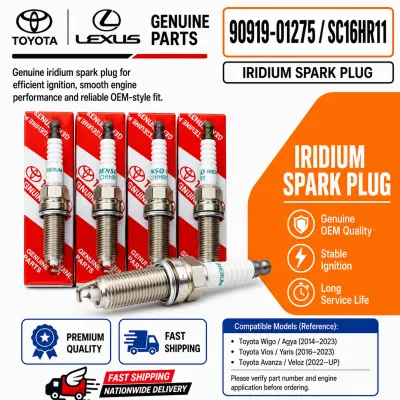
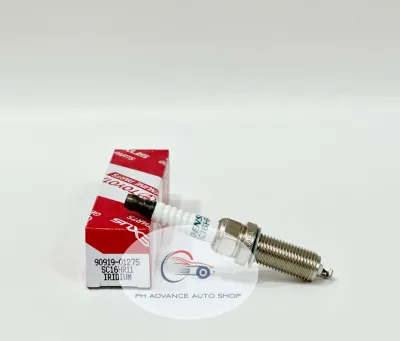
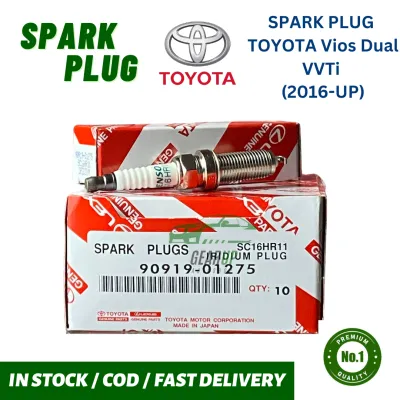
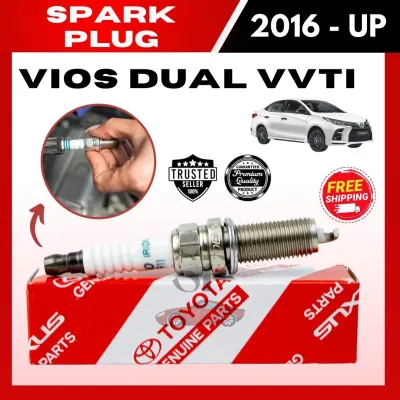
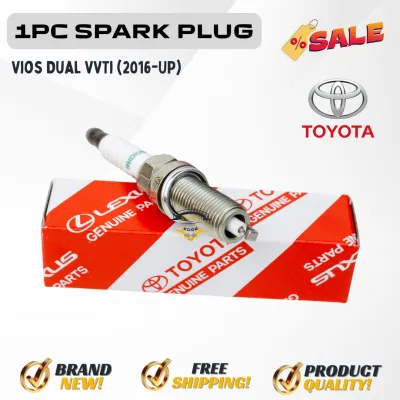
![Toyota Spark Plug Iridium | Toyota Vios 2016-Up Dual VVTi [90919-01275] (1 pc)](https://img.lazcdn.com/g/p/15bae9bc58f5a2ff772ee1952aa9c94d.png_400x400q80.png_.webp)
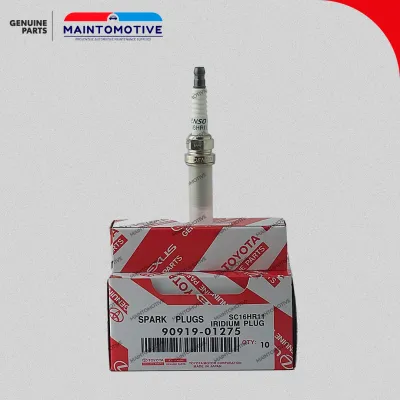
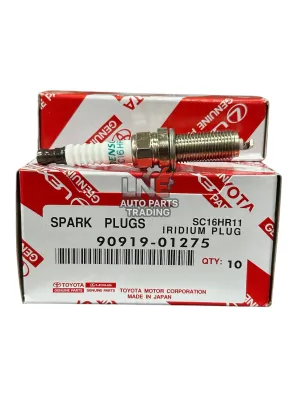
Prices are valid at publication and may change. Please refer to the product page for the latest price.
Before comparing electrode materials, you must locate the baseline OEM spark plug specifications for your vehicle. This information is typically found in your owner’s manual under the specifications or maintenance section, or on the vehicle’s under-hood emissions control information label. This label lists the exact part numbers or specifications recommended by the manufacturer, which serve as your primary reference point.
Three critical physical dimensions must match your engine’s requirements exactly: heat range, thread pitch, and reach. The heat range refers to the spark plug’s ability to dissipate heat from its firing tip into the cylinder head. If you install a plug that is too hot, it can cause pre-ignition or engine knocking, which can destroy pistons. If it is too cold, carbon deposits will build up on the insulator, leading to misfires. The thread pitch and reach (the length of the threaded portion) must also be exact. A plug with a reach that is too long can protrude into the combustion chamber and collide with the valves or pistons, while a plug that is too short will shroud the spark, causing incomplete combustion.
Using incompatible materials or incorrect gaps in a Dual VVT-i engine introduces significant performance risks. Modern ignition systems are calibrated for specific electrical resistance and gap sizes. An incorrect gap—whether too wide or too narrow—strains the ignition coils, potentially causing premature coil failure. In tropical climates like the Philippines, where high ambient temperatures and high humidity put additional stress on the cooling and electrical systems, maintaining the correct spark plug specifications is even more critical to prevent engine overheating and power loss during heavy traffic or steep climbs.
Comparing Copper, Platinum, and Iridium Spark Plugs
To make the right choice, it is essential to understand the physical properties, advantages, and limitations of the three primary spark plug materials available on the market.

Copper spark plugs, which actually feature a copper core with a nickel-alloy electrode, offer excellent electrical conductivity. Because copper is a soft metal with a relatively low melting point compared to precious metals, the electrode must be designed with a larger diameter to withstand the spark’s erosive force. While this large diameter provides a robust spark, the nickel-alloy tip wears down relatively quickly. In standard driving conditions, copper plugs typically require replacement every 20,000 to 30,000 kilometers. They are highly effective for older, low-stress engines, but their short lifespan makes them less practical for modern, high-compression Dual VVT-i engines that require long-term gap stability.
Platinum spark plugs represent a significant step up in durability. Platinum is much harder than nickel alloy and has a higher melting point, allowing the electrode to retain its shape for longer periods. Single platinum plugs feature a platinum disc welded to the center electrode, while double platinum plugs have platinum on both the center and ground electrodes. Double platinum designs are particularly beneficial for waste-spark ignition systems, where the spark jumps in opposite directions depending on the cylinder. Platinum plugs generally offer a balanced service life of around 60,000 to 80,000 kilometers, making them a cost-effective middle ground for vehicles designed to use them.
Iridium spark plugs are the premium option, featuring an extremely hard precious metal with a melting point significantly higher than platinum. This extreme durability allows manufacturers to design iridium plugs with an ultra-fine wire center electrode, often measuring just 0.4mm to 0.6mm in diameter. A thinner electrode requires less voltage to jump the gap, creating a more concentrated and reliable spark. This fine-wire design is highly advantageous for modern Dual VVT-i engines, as it ensures rapid flame propagation and stable combustion even under lean-burn or high-load conditions. Iridium plugs are built to last, often maintaining their gap and performance for 100,000 kilometers or more.
When purchasing replacement plugs, you must verify whether your specific engine requires a specific electrode design rather than just a base material. For instance, some engines require a projected tip or a specific ground electrode configuration to ensure proper flame front development. Simply matching the thread size and material is not enough; the exact electrode geometry must align with the OEM design.
Decision Framework: Which Material Fits Your Needs?
Selecting the right spark plug material involves balancing your vehicle’s engineering requirements, your maintenance preferences, and your budget. You can use the following conditional framework to guide your decision.
Choose copper spark plugs if your vehicle’s owner’s manual explicitly specifies copper as the standard equipment and you do not mind performing frequent maintenance. If you are operating an older vehicle model with a low-compression engine where spark plug access is simple and quick, copper offers a low upfront cost. However, do not install copper plugs in an engine designed for iridium, as the rapid wear rate will quickly alter the gap, leading to misfires and potential ignition coil damage.
Choose platinum spark plugs if your owner’s manual specifies platinum as the standard or acceptable alternative material. This option provides a practical compromise, offering reliable performance and a respectable service life without the higher price tag of iridium. It is an excellent choice for daily drivers that require dependable ignition over tens of thousands of kilometers without requiring frequent garage visits.
Choose iridium spark plugs if your Dual VVT-i engine’s OEM specifications call for fine-wire iridium electrodes, or if you want to maximize your replacement intervals and minimize maintenance hassle. While iridium plugs carry a higher initial purchase price, their longevity means you will replace them far less often, saving on labor costs over the lifespan of the vehicle. This is especially valuable in modern engine bays where accessing the spark plugs requires removing intake manifolds or other complex components.
Before making any material changes, always verify if your engine has been modified, if you operate under extreme conditions—such as constant stop-and-go city driving in high tropical humidity—or if the manufacturer explicitly forbids upgrading materials. Some older ignition systems do not generate enough voltage to utilize iridium plugs effectively, while some modern systems will trigger error codes if the electrical resistance of an upgraded plug does not match the factory calibration.
Safe Installation and Maintenance Practices
Replacing spark plugs is a precise task that directly affects your engine’s health and safety. Before installing any new spark plug, you must check the electrode gap using a dedicated gap gauge or feeler gauge. Compare this measurement against the manufacturer’s specification. Even pre-gapped plugs can suffer damage during shipping, so physical verification is a necessary safety step. Be extremely gentle when adjusting iridium or platinum tips, as the delicate precious metal coatings can easily chip or break under pressure.
When installing the plugs into the cylinder head, always use a calibrated torque wrench. Tightening a spark plug too much can strip the threads in the aluminum cylinder head or distort the spark plug’s internal seal, leading to compression leaks. Conversely, under-tightening can prevent the plug from dissipating heat properly, causing pre-ignition. Always thread the plugs in by hand first to ensure they are not cross-threaded before applying the torque wrench to the manufacturer’s specified torque value.
If you encounter seized spark plugs during removal, do not force them, as this can snap the plug off inside the cylinder head, requiring expensive machine shop repairs. Apply a penetrating oil and allow it to sit, or consult a professional mechanic. Additionally, if you experience a rough idle, misfires, or a check engine light immediately after installation, stop operating the vehicle and double-check your work, focusing on the ignition coil connections and the plug gap, or seek professional diagnostic assistance.
Frequently Asked Questions (FAQ)
Can I upgrade from copper to iridium in my Dual VVT-i engine?
You can upgrade from copper to iridium only if the vehicle manufacturer explicitly allows material upgrades in the owner’s manual and the new plugs match the exact heat range, thread reach, and physical dimensions of the original specification. While iridium offers superior longevity, some older ignition systems and ignition coils are calibrated specifically for the electrical resistance of copper plugs. Installing iridium in an incompatible system can lead to weak spark delivery or premature ignition coil wear. Always verify compatibility with your vehicle’s specific model year before upgrading.
How do I know if my spark plugs need replacing?
You can identify worn spark plugs through several observable engine symptoms. Common signs include a rough or vibrating idle, engine misfires, sluggish acceleration, and a noticeable decrease in fuel economy. You might also experience difficulty starting the engine, especially in damp or humid conditions. If your vehicle exhibits any of these symptoms, or if you have reached the mileage interval specified in your maintenance schedule, perform a visual inspection of the plugs or consult a qualified technician to run a diagnostic scan.

Community discussion
Share your experience or ask a question. Comments are reviewed before publication.