
Selecting a universal shift knob for your vehicle in the Philippines is an excellent way to personalize your car’s interior and improve your daily driving comfort. However, despite the “universal” label, these aftermarket accessories are not a one-size-fits-all solution. To find a compatible option, you must understand your vehicle’s specific gear lever dimensions, thread pitch, and shifter mechanism. Whether you are navigating the congested streets of Metro Manila or enjoying a weekend drive through the scenic routes of Batangas, choosing the right shift knob requires balancing aesthetic appeal with physical compatibility and thermal comfort.
Understanding Universal Shift Knob Compatibility
To determine if a universal shift knob can physically and safely connect to your specific vehicle’s gear lever, you must first look past the marketing claims and examine the mechanical connection. Most manual transmission cars and some automatic vehicles use a threaded shifter shaft. The factory shift knob simply screws onto this shaft. However, car manufacturers do not use a single standard thread size. For instance, many Japanese vehicles utilize thread pitches like M10x1.25 or M10x1.5, while European and American manufacturers often use entirely different metric or imperial measurements. Before purchasing any aftermarket accessory, you should consult your vehicle’s owner’s manual, search enthusiast forums for your exact model year, or use a thread pitch gauge to measure the bare shifter shaft.
Because of these variations, most products sold under the “ship knob universal” category rely on adapters to bridge the size gap. These adapters are typically small sleeves made of plastic, brass, or aluminum that screw onto your shifter shaft first, providing a standardized outer thread that matches the new knob. Alternatively, some universal designs use a non-threaded collar secured by three or more small set screws that tighten directly against the metal shaft. While set-screw mechanisms offer broad compatibility, they require precise alignment and regular tightening to prevent the knob from wobbling or spinning during gear changes.
Products mentioned in this guide
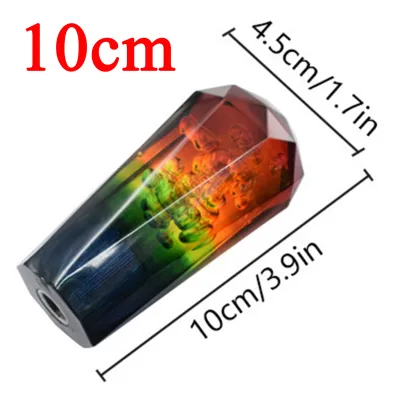


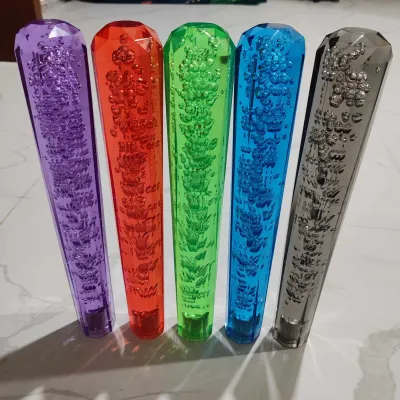
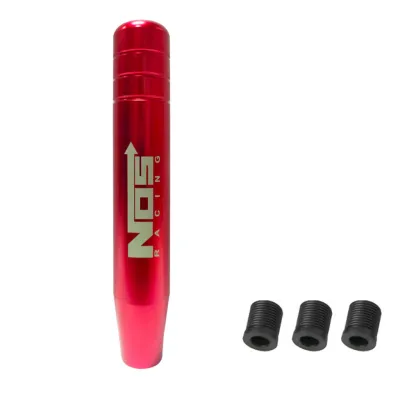

Prices are valid at publication and may change. Please refer to the product page for the latest price.
The mechanical design of your transmission lever also dictates what type of shift knob you can use. Manual transmission levers are generally straightforward metal rods, though some modern manual cars feature a reverse lockout collar that you must pull upward to engage reverse gear. If your car has a reverse lockout, a standard universal shift knob may block the collar’s upward movement, preventing you from shifting into reverse. In contrast, automatic transmission levers are often more complex. Many automatic cars feature a straight-gate shifter with a push-button lock on the side or front of the factory knob, while others use a jagged, gated shifter path that does not require a button.
If your vehicle’s gear lever features integrated electronic switches, overdrive buttons, or complex lock-release mechanisms, you must exercise extreme caution. Attempting to force a basic universal shift knob onto a highly integrated electronic shifter can damage internal wiring or disable critical safety overrides. In these scenarios, it is highly recommended to stop the installation process and consult a qualified automotive technician or search for model-specific aftermarket solutions rather than relying on a generic universal kit.
Key Factors to Consider Before Buying
Once you have established how a universal shift knob will attach to your gear lever, you can begin evaluating available options based on physical attributes, budget, and interior aesthetics. Material choice is one of the most critical decisions, especially given the tropical climate of the Philippines. Popular materials include acrylic resin, billet aluminum, polished wood, and wrapped leather. While a solid aluminum or stainless steel shift knob offers a sleek, modern look, it can absorb and retain extreme heat when your car is parked under the direct sun in an open parking lot. Touching a metal knob that has been baking in 35-degree weather can be highly uncomfortable, if not painful. Conversely, materials like leather, wood, and high-quality resin tend to remain relatively neutral in temperature, making them more practical choices for daily commuters.

Weight is another physical attribute that significantly influences your driving experience. Shift knobs generally fall into two categories: lightweight (often made of plastic, resin, or thin aluminum) and weighted (constructed with a heavy metal core, often weighing between 200 and 500 grams). A heavier shift knob acts as a counterweight, utilizing kinetic momentum to help smooth out the physical effort required to throw the gear lever into place. However, this added weight is not always desirable for every driver or transmission type, as it can mask the mechanical feedback of the gearbox.
Ergonomics should always take precedence over pure visual styling if you use your vehicle for daily commuting. A highly stylized, angular, or novelty shift knob might look impressive in photos, but it can cause hand fatigue or palm discomfort during long drives or heavy traffic. Consider how you naturally rest your hand on the shifter—whether you grip it from the top (palm-on-top) or from the side (pistol grip)—and choose a shape that supports that natural posture.
Finally, establish a realistic budget in ₱ before browsing online marketplaces or local auto shops. Basic universal shift knobs can range from ₱300 to ₱800, while premium weighted options or those made from genuine leather and carbon fiber can cost anywhere from ₱1,200 to ₱3,500 or more. When planning your budget, remember to factor in the potential cost of high-quality metal adapters if the kit only includes cheap plastic ones, as well as any specialized tools or professional installation fees if your car’s shifter setup is complex.
Matching Shift Knob Styles to Your Driving Needs
Selecting the right shift knob shape and design is a highly personal decision that directly impacts how you interact with your vehicle. The profile of the knob determines how your hand wraps around the control point, affecting your leverage and speed when changing gears. Before committing to a highly stylized design, it is beneficial to understand how different shapes perform under real-world driving conditions, particularly during long commutes or spirited weekend drives.
Weighted and Spherical Knobs
Spherical or ball-shaped shift knobs are among the most traditional and popular designs available. When constructed with a weighted metal core, a spherical knob provides a very consistent feel regardless of the angle from which you grab it. The added weight helps smooth out the notchiness of certain manual gearboxes, allowing the lever to slide into gear with minimal effort.
For drivers who frequently navigate heavy, stop-and-go traffic in urban areas, a weighted spherical knob can reduce the physical strain of constant gear shifting. However, because spherical knobs encourage a palm-on-top grip, you must ensure the material is comfortable for extended contact. If you choose a metal spherical knob, consider keeping a small cloth cover or parking shade handy to protect it from direct sunlight when the vehicle is parked outdoors.
Ergonomic and Contoured Knobs
Ergonomic and contoured shift knobs are specifically engineered to mimic the natural contours of the human hand. These designs often feature subtle finger grooves, a slightly tilted profile, or a pistol-grip shape that allows for a secure, comfortable hold. They are highly favored by drivers who prefer to grip the shifter from the side rather than the top.
In the humid climate of the Philippines, hand sweat can easily cause your palm to slip on smooth surfaces. Ergonomic knobs often incorporate textured materials, such as perforated leather, alcantara, or knurled rubber inserts, to provide superior grip even in warm weather. While these designs offer excellent long-term palm comfort, they must be aligned perfectly straight during installation; a crooked ergonomic knob can feel highly awkward and impede smooth shifting.
Retro and Custom Designs
For car enthusiasts prioritizing interior customization and visual impact, retro and custom designs offer endless possibilities. These include nostalgic wooden knobs that complement classic car interiors, clear acrylic bubble knobs filled with colorful liquids or embedded flowers, and highly stylized shapes like katana hilts or billiard balls.
While these custom designs can make your cabin stand out, they require careful evaluation before purchase. You must check the overall height and clearance of the knob to ensure it does not interfere with your center console, dashboard buttons, or handbrake lever when shifting into forward gears. Additionally, verify the build quality of these novelty items; lower-end custom knobs often use weak internal threads or poor bonding materials that can rattle, loosen, or detach entirely over time, creating a safety hazard while driving.
Installation and Safety Checks
Installing a universal shift knob is generally a straightforward DIY project, but performing the task safely is crucial to avoid damaging your vehicle’s transmission linkage. The process begins with removing the factory shift knob. For most manual cars, this involves turning the knob counter-clockwise. However, some vehicles require you to gently pry away a trim piece, remove a retaining clip, or loosen a hidden set screw at the base of the knob before it can be unscrewed. Never force a knob that resists turning, as excessive torque can twist and damage the internal shift linkage.
Once the factory knob is removed, clean the exposed threads of the shifter shaft to remove any old adhesive or debris. Next, select the adapter from your universal kit that matches the diameter and thread pitch of your shaft. Screw the adapter onto the shaft until it is snug, but avoid over-tightening, especially if you are using plastic adapters which can easily strip. If your kit uses a set-screw mechanism, slide the rubber or plastic sleeve over the shaft, position the shift knob over it, and tighten the set screws evenly in a star pattern to ensure the knob sits perfectly centered. Applying a small amount of medium-strength thread-locking fluid to the set screws can help prevent them from backing out due to engine vibrations.
Before driving, perform critical safety checks to ensure the new knob does not compromise vehicle operation. For manual cars, depress the clutch and shift through all gears—including reverse—to confirm that the knob does not hit any interior trim and that any reverse lockout mechanism functions smoothly. For automatic vehicles, verify that the gear selector moves freely between Park, Reverse, Neutral, and Drive, and that any shift-by-wire or lock-release systems operate exactly as intended. If you feel any unusual resistance, if the knob rotates under light pressure, or if the gear selector fails to lock into place securely, abort the installation immediately and seek the assistance of a qualified mechanic.
Where to Buy and How to Verify Sellers
When shopping for a universal shift knob in the Philippines, you have access to a wide variety of local and international options. Physical automotive accessory hubs, such as those found in Banawe in Quezon City or Evangelista in Makati, allow you to physically hold the shift knobs, inspect the material quality, and test the grip comfort before spending your money. Many of these physical shops also offer on-site installation services, which can be highly beneficial if you are unsure about compatibility.
If you prefer the convenience of online marketplaces and e-commerce platforms, searching for terms like “ship knob universal” will yield thousands of listings. However, buying online requires extra diligence to avoid low-quality counterfeits or incomplete kits. Always prioritize official brand stores or highly rated local sellers with a proven track record. Carefully read the customer reviews, paying close attention to photos uploaded by other buyers to verify the actual finish of the product and whether the included adapters are durable.
Before checking out, send a direct message to the seller to confirm the exact specifications of the included adapters. A reputable seller should be able to tell you if the kit includes common thread sizes like M8, M10, and M12. Additionally, verify the seller’s return and exchange policy; if the shift knob arrives with missing parts or does not fit your vehicle despite the “universal” claim, a flexible return policy will protect your investment.
Frequently Asked Questions (FAQ)
Will a universal shift knob fit my automatic car with a push-button release?
In most cases, standard universal shift knobs will not fit automatic cars that require a push-button release to shift out of Park or Neutral. The factory button is connected to an internal mechanical rod inside the shifter shaft that physically unlocks the transmission gate. Because standard universal knobs lack this internal mechanism, installing one would either leave the transmission permanently unlocked (a severe safety hazard) or prevent you from shifting gears entirely. If you own an automatic vehicle with a button release, you must look for specialized aftermarket knobs designed specifically for button-operated shifters, or choose to retain your factory shift knob to ensure safe operation.
Does a heavier shift knob improve shifting performance?
A heavier shift knob does not improve the mechanical performance or speed of your transmission, but it does significantly alter the subjective feel of gear engagement. The added mass of a weighted knob creates greater kinetic momentum when you push or pull the gear lever, making the shift feel smoother and requiring less physical effort from your hand. However, this is purely a tactile enhancement. It is also important to avoid excessively heavy knobs (such as those over 500 grams) on older or delicate gearboxes, as the constant resting weight can accelerate wear on the internal shift linkages and bushings over time.
Can I install a universal shift knob without an adapter?
You should never attempt to install a universal shift knob without the correct adapter unless the knob’s native internal threads perfectly match your shifter shaft’s thread pitch and diameter. Forcing a mismatched knob onto the shaft will cross-thread and permanently damage the metal threads of your gear lever, leading to an expensive repair that may require replacing the entire shifter assembly. If your shifter shaft is non-threaded or has an unusual shape, you must use a compatible set-screw adapter or a specialized adapter sleeve to create a secure, stable connection without damaging the vehicle’s original hardware.

Community discussion
Share your experience or ask a question. Comments are reviewed before publication.