
Protecting an electric bicycle from the elements is essential for maintaining its electrical components, battery life, and structural integrity. In the Philippines, where sudden tropical downpours, intense solar heat, and high humidity are daily realities, a reliable waterproof cover acts as the first line of defense. Selecting the right cover requires looking past generic marketing claims and focusing on verifiable material specifications, physical design features, and proper sizing. This guide provides an objective framework to help you evaluate and choose a cover that keeps your e-bike dry, secure, and functional. By understanding how different fabrics, construction methods, and security features perform under local weather conditions, you can make an informed decision that protects your investment over the long term.
Essential Features for True Waterproofing and Security
To ensure a cover actually keeps water out during heavy monsoon rains, you must look closely at the construction details rather than relying solely on a “waterproof” label. The most vulnerable parts of any cover are the seams where the fabric panels are stitched together. High-quality covers feature heat-sealed or taped seams on the interior, which block water from seeping through the needle holes. When browsing options on an online marketplace or in a local accessory shop, check the product specifications or user manuals to verify if the seams are double-stitched and sealed with waterproof tape. Without these sealed seams, water will eventually penetrate the stitching during prolonged downpours, dripping directly onto your e-bike’s handlebars and electronic display.
Another critical but often overlooked feature is ventilation. A completely sealed cover can trap rising moisture from the ground or a warm motor, creating a humid microclimate underneath that accelerates corrosion on electrical contacts and metal frames. Look for covers equipped with built-in air vents, usually designed as covered mesh flaps. These vents allow air to circulate freely, letting trapped moisture escape while preventing rain from entering from above. This continuous airflow is particularly important in tropical climates where high humidity can cause condensation to form inside the cover even when it is not raining.
Products mentioned in this guide
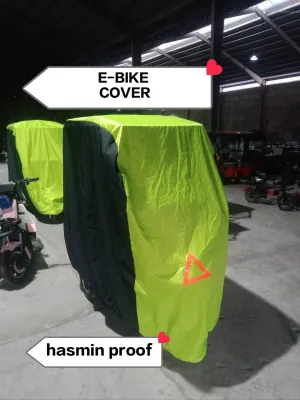
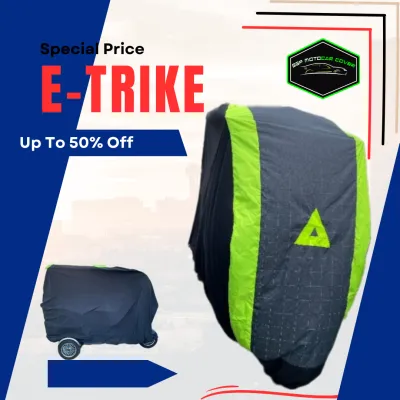
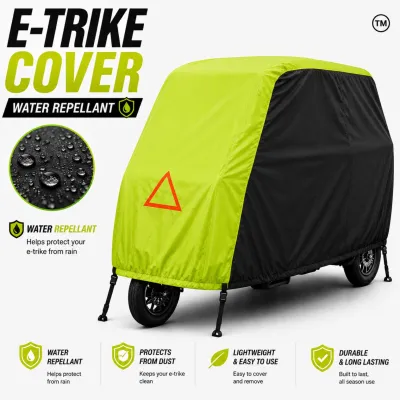
Prices are valid at publication and may change. Please refer to the product page for the latest price.
Security features are equally important when parking your e-bike in public spaces or shared residential areas. Look for covers that include reinforced lock holes near the front or rear wheel. These openings, often lined with durable metal grommets or heavy-duty fabric stitching, allow you to pass a U-lock or security chain through both the cover and the wheel. This design secures your e-bike while preventing the cover itself from being stolen or blown away. Some covers use rust-proof aluminum or brass grommets, which are highly recommended to prevent staining on the fabric over time.
Finally, visibility is a key safety consideration, especially if you park your e-bike near driveways, alleys, or roadside spaces. Reflective strips sewn onto the front, sides, or rear of the cover significantly improve nighttime visibility. This simple feature alerts passing motorists and pedestrians to the presence of your parked vehicle, reducing the risk of accidental bumps or collisions in low-light conditions. When evaluating covers, check that the reflective elements are positioned high enough to remain visible even if the lower portion of the cover is slightly obscured.
Matching Cover Materials to Your Parking Environment
The durability and performance of an e-bike cover depend heavily on the base fabric and its protective coatings. The two most common materials you will encounter are Oxford cloth and polyester. Oxford cloth, typically categorized by denier ratings such as 210D, 300D, or 600D, is a durable, heavy-duty weave known for its high resistance to tearing and abrasion. A higher denier number indicates a thicker, heavier thread, which generally translates to better long-term durability under harsh outdoor conditions. For maximum protection against heavy rain and wind, a higher denier fabric is highly recommended.

Polyester covers, on the other hand, are often lighter and more flexible, making them easier to fold and carry during daily commutes. However, lightweight polyester may degrade faster if constantly exposed to intense tropical sunlight. To protect your e-bike from the degrading effects of ultraviolet (UV) rays, verify that the cover fabric features a UV-resistant coating, often indicated by a silver lining on the interior or a specific UV rating on the product packaging. This coating reflects sunlight, preventing the fabric from becoming brittle and cracking over time, while also keeping the temperature underneath the cover slightly cooler.
When evaluating waterproof capabilities, look for specific technical ratings rather than generic descriptions. Manufacturers often specify a hydrostatic head rating, measured in millimeters (such as 2000mm or 3000mm), which indicates the amount of water pressure the fabric can withstand before leaking. If you park your e-bike completely unsheltered, prioritize covers with verified waterproof coatings like polyurethane (PU) or polyvinyl chloride (PVC) backing, and check the manufacturer’s product documentation to confirm these specifications. Avoid covers that rely solely on a temporary water-repellent spray, as these will quickly lose their effectiveness after a few heavy rainstorms.
Sizing and Fit: Ensuring Full Protection Against the Elements
An ill-fitting cover can leave critical components exposed to rain or turn into a sail during strong winds, risking damage to your e-bike. To find the correct size, you must measure your e-bike accurately rather than relying on generic size charts like “Medium” or “Large.” Use a measuring tape to record the total length from the front tire to the rear tire, the width at the widest point of the handlebars, and the height from the ground to the top of the handlebars or mirrors.
Be sure to account for any aftermarket accessories you have installed on your e-bike. Front baskets, rear cargo boxes, extended side mirrors, and child seats can significantly alter the overall dimensions of your vehicle. If your measurements fall between two cover sizes, it is generally safer to choose the larger size to ensure complete coverage, provided it does not drag excessively on the ground. A cover that is too tight can put stress on the seams, leading to premature tearing, especially around sharp edges like brake levers or basket corners.
A secure fit is essential for preventing the cover from blowing away during tropical depressions or sudden gusts of wind. Look for covers that feature elasticized hems at the front and rear, which hug the tires and keep the cover snug. Additionally, adjustable windproof buckles that clip underneath the frame or through the wheels provide crucial anchorage. Ensure the cover is adjusted so that it sits just above the ground; a cover that drags on the wet pavement will accumulate dirt, trap rising ground moisture, and wear out prematurely along the bottom edges.
Scenario-Based Selection Guide for E-Bike Covers
Your daily routine and parking setup should dictate the specific profile of the cover you choose. For e-bikes parked outdoors long-term without any overhead shelter, a heavy-duty profile is highly recommended. These covers typically feature thick 600D Oxford cloth, robust PVC or PU waterproof backings, and soft inner linings that protect the e-bike’s paint and plastic fairings from scratches. While these covers are heavier and bulkier to store, they offer the highest level of protection against heavy downpours and prolonged sun exposure. They are ideal for residential parking spaces, open driveways, or apartment complexes where your e-bike remains stationary for long periods.
If you are a daily commuter who rides to work or school and needs to cover your e-bike in an outdoor parking lot, a lightweight and compact profile is more practical. Look for a cover made from a lighter polyester or 210D Oxford fabric that can be easily folded into a compact carrying pouch. These covers can be quickly packed into your backpack or e-bike basket, ensuring you always have protection ready when sudden afternoon rains arrive, without adding unnecessary weight to your ride. They balance basic water resistance with high portability, making them perfect for on-the-go protection.
For those who park their e-bikes in sheltered areas, such as a covered garage, carport, or indoor hallway, a basic breathable profile is sufficient. In these environments, the primary threats are dust, dirt, and accidental scratches rather than direct rainfall. A lighter, highly breathable cover prevents dust accumulation while ensuring that any ambient humidity does not get trapped against the electrical components, keeping your e-bike clean and ready for your next journey. This option is also highly cost-effective for indoor storage where heavy-duty waterproofing is unnecessary.
Maintenance and Care to Preserve Water Resistance
Proper maintenance is essential to extend the lifespan of your e-bike cover and preserve its waterproof properties. Always refer to the manufacturer’s care label before attempting to clean the cover. As a general rule, avoid machine washing or using harsh detergents, as the agitation and chemicals can strip away the waterproof polyurethane or UV-resistant coatings. Instead, clean the cover by draping it over a clothesline or your e-bike and gently wiping it down with a soft sponge, cool water, and a mild, non-detergent soap.
Never fold or store a wet cover. Packing away a damp cover creates an ideal environment for mold, mildew, and unpleasant odors to develop, which can eventually transfer to your e-bike’s seat and grips. Allow the cover to air dry completely in a shaded area before folding it into its storage bag. Avoid leaving the cover to dry in direct, intense sunlight for extended periods when not in use, as this can unnecessarily accelerate UV degradation.
Over time, exposure to heavy rain and sun will naturally wear down any water-repellent finish. If you notice water stops beading on the surface and begins to soak into the fabric, check the manufacturer’s guidelines to see if you can apply a compatible fabric protectant spray. Regularly inspecting the cover for small tears or worn seams allows you to make minor repairs before they turn into major leaks, ensuring your e-bike remains fully protected throughout the year.
Frequently Asked Questions (FAQ)
Can I use a regular motorcycle cover for my e-bike?
While a standard motorcycle cover can physically drape over an e-bike, it may not provide an optimal fit. E-bikes often have different frame geometries, narrower profiles, and unique handlebar configurations compared to traditional gas-powered motorcycles. A cover designed for a bulky motorcycle may sag excessively on an e-bike, leaving excess fabric dragging on the ground where it can collect dirt and moisture. Additionally, specialized e-bike covers are designed to accommodate the specific locations of battery compartments and display consoles, ensuring these sensitive electrical areas receive snug, targeted protection without unnecessary bulk.
How do I prevent mold under the cover during the rainy season?
Preventing mold during the humid rainy season requires active moisture management. Never place a waterproof cover over a wet e-bike; always wipe down the frame, seat, and handlebars with a dry cloth before covering it. Ensure your cover is equipped with functional ventilation panels to allow air circulation. On dry days, make it a habit to remove the cover completely for a few hours to let both the e-bike and the interior of the cover air out in a shaded, well-ventilated space. This simple routine prevents moisture buildup and protects your e-bike’s components from corrosion.

Community discussion
Share your experience or ask a question. Comments are reviewed before publication.