
Parking your motorcycle outdoors in the Philippines exposes it to some of the most demanding environmental conditions in Southeast Asia. Between the intense heat of the dry season and the relentless downpours of the monsoon months, an unprotected motorcycle can quickly suffer from faded paint, cracked seats, rusted chains, and corroded electrical systems. A high-quality, waterproof motorcycle cover is not just an optional accessory; it is a vital shield that preserves your vehicle’s value and operational safety.
Selecting the right cover requires understanding how materials perform under tropical stress, how to measure your bike accurately with its accessories, and how to maintain the cover to ensure long-lasting protection. By focusing on verified material specifications rather than generic marketing claims, you can find a cover that keeps your motorcycle dry, cool, and secure. Protecting an investment worth ₱50,000 to ₱500,000 or more demands a systematic approach to choosing the right protective gear.
Essential Features for Tropical Outdoor Conditions
To withstand the Philippine climate, you must look beyond basic marketing terms. True waterproofing is determined by material specifications and construction quality. When evaluating a cover, check the product label for specific waterproof ratings, such as a hydrostatic head measurement often denoted in millimeters, like 2000mm or higher. This rating indicates the amount of water pressure the fabric can withstand before leaking. Equally important are the seams; standard stitched seams contain thousands of tiny needle holes that allow water to seep through during heavy tropical downpours. Look for covers featuring taped or heat-sealed seams, where a waterproof strip is applied over the stitching to block water entry completely.
Products mentioned in this guide
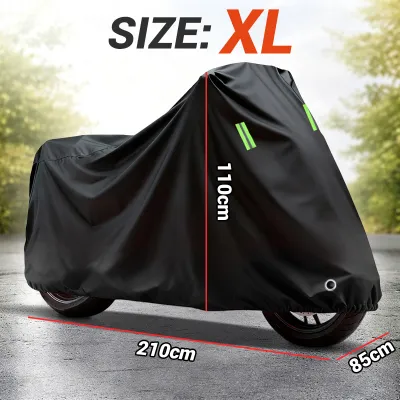
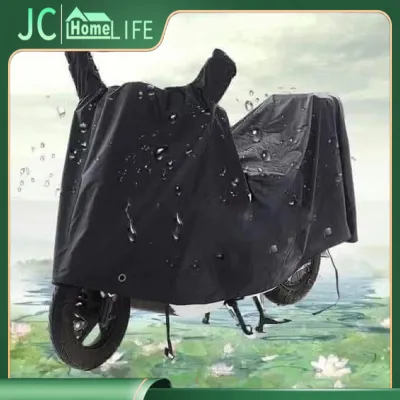
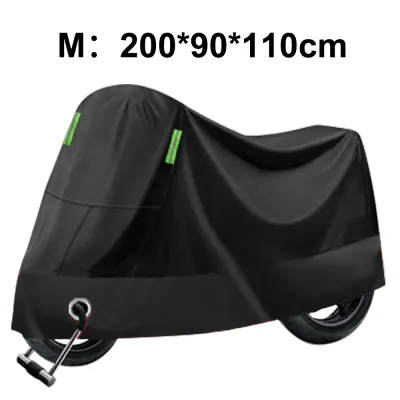
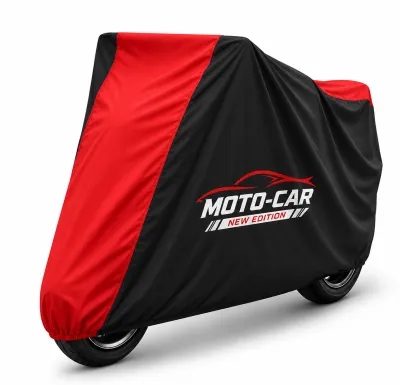
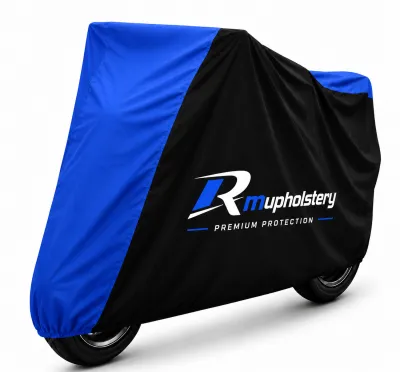
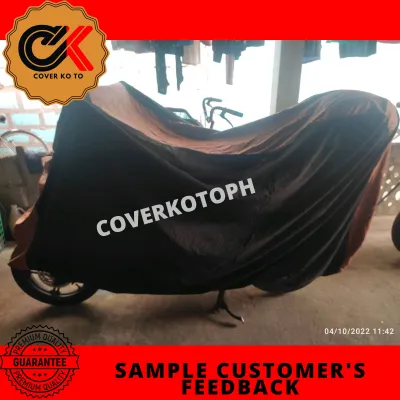
Prices are valid at publication and may change. Please refer to the product page for the latest price.
UV protection is another critical factor for outdoor parking. The tropical sun emits powerful ultraviolet rays that break down fabric fibers over time, making them brittle and prone to tearing. Furthermore, prolonged UV exposure damages your motorcycle’s clear coat, fades plastic fairings, and causes vinyl seats to crack. To prevent this, verify that the cover has a certified UV-resistant coating or a reflective silver inner lining. This coating reflects solar radiation, keeping the temperature under the cover cooler and extending the lifespan of both the fabric and your motorcycle’s exterior components.
While keeping water out is essential, letting moisture escape is equally vital. High humidity levels mean that moisture can easily become trapped under a completely sealed cover, creating a humid greenhouse effect. This trapped condensation accelerates rust on metal parts, corrodes electrical terminals, and encourages mold and mildew growth on your seat and grips. To mitigate this, choose a cover designed with built-in ventilation panels or dual air vents. These vents should be protected by overhanging fabric flaps or cowls that allow hot air and moisture to escape while preventing rain from entering.
Finally, your cover must be able to withstand strong winds and sudden storms. A loose cover can act like a sail, catching the wind and potentially tipping your motorcycle over, or simply blowing away entirely. Look for secure fit systems that include heavy-duty elastic hems at the front and rear to hug the tires tightly. Additionally, adjustable under-bike belly straps equipped with windproof, quick-release buckles are essential to anchor the cover firmly in place. Reinforced grommets or lock holes near the wheels are also highly beneficial, allowing you to pass a chain lock through both the cover and the wheel for added security and wind resistance.
Measuring Your Motorcycle and Aftermarket Accessories
Finding a suitable fit requires precise physical measurements rather than relying on generic size recommendations. A cover that is too small will not provide full coverage, leaving vital components exposed to the elements, while also putting excessive tension on the seams. Conversely, an excessively large cover will sag, collect pools of rainwater, and flap violently in the wind, which can scratch your motorcycle’s paint. To begin, use a flexible tape measure to determine your motorcycle’s actual dimensions from the ground up.

Start by measuring the total length from the outermost edge of the front tire to the furthest point of the rear fender or tire. Next, measure the width at the widest point, which is typically across the handlebars or side mirrors. Finally, measure the height from the ground to the highest point of the motorcycle, usually the top of the mirrors or the instrument cluster. Write these measurements down as your baseline stock dimensions.
If you have customized your motorcycle with aftermarket accessories, you must adjust your measurements accordingly. Accessories like top boxes, side panniers, tall touring windshields, and extended crash guards add significant volume to your bike’s profile. When measuring a bike with a top box installed, measure the length from the front tire all the way to the back of the box, and measure the height from the ground to the top of the box. If your cover does not account for these additions, it will sit too high, leaving the lower engine, chain, and wheels completely exposed to rain and road grime.
When comparing your final measurements to a manufacturer’s size chart, always select a size that offers a slightly loose fit rather than a tight one. A margin of a few centimeters ensures that you can easily slip the cover on and off without snagging it on sharp edges like footpegs, license plates, or exhaust tips. This extra breathing room also reduces stress on the stitched seams and waterproof tape, preserving the cover’s structural integrity over years of daily use.
Cleaning and Inspecting Your Cover for Longevity
Maintaining your motorcycle cover is just as important as choosing the right one. Over time, outdoor parking exposes the cover to dirt, dust, bird droppings, tree sap, and atmospheric pollutants. If left uncleaned, these substances can chemically degrade the fabric and strip away the protective coatings. However, improper cleaning can do more harm than good. Never place a heavy-duty waterproof cover into a washing machine or use a clothes dryer, as the mechanical agitation and heat will destroy the inner polyurethane waterproofing and outer UV treatments.
Instead, follow a gentle hand-washing protocol. Spread the cover out on a clean, flat surface or drape it over your motorcycle. Use cold or lukewarm water, a soft sponge or microfiber cloth, and a mild, label-authorized soap. Gently wipe down the exterior to remove dirt and debris. Avoid using harsh chemical detergents, bleach, or stiff-bristled brushes, which can scratch the fabric and strip the protective layers. For the inner lining, use only a damp cloth to wipe away dust, taking care not to scrub the delicate waterproof membrane.
Before storing the cover or placing it back on your motorcycle, ensure that both the bike and the cover are completely dry. Trapping moisture between a wet cover and a wet motorcycle is a recipe for rapid rust formation, electrical corrosion, and mildew. Hang the cover in a shaded, well-ventilated area to air dry completely. Additionally, observe a critical safety boundary: never drape a cover over a hot engine or exhaust pipe. The extreme heat can instantly melt the synthetic fabric, ruining the cover and leaving a difficult-to-remove residue on your exhaust. Always allow your motorcycle to cool down completely before covering it.
Regularly inspect your cover for signs of wear and tear to ensure it continues to provide adequate protection. Look closely at the inner lining for any signs of peeling, flaking, or cracking in the polyurethane or silver coating. Check the seams for loose threads or lifting waterproof tape, and examine the outer fabric for severe fading or a brittle texture, which indicates advanced UV damage. If you notice these wear indicators, the cover’s protective capabilities are compromised, and it should be replaced to prevent water from damaging your motorcycle.
Pre-Purchase Specification Checklist
To ensure you are investing in a reliable product, use a structured checklist to evaluate specifications and labels before making a purchase. Do not rely on flashy marketing claims on the front of the packaging; instead, turn to the detailed specification label to verify the material composition. Look for high-density fabrics such as 300D or 600D Oxford polyester, which offer excellent tear resistance and durability. Confirm that the label explicitly states the presence of a polyurethane (PU) or polyvinyl chloride (PVC) inner coating, along with verified waterproof and UV-protection ratings.
Next, perform a strict dimension-matching check. Avoid purchasing a cover based solely on generic “Medium,” “Large,” or “Extra-Large” labels, as sizing standards vary significantly between manufacturers. A size “Large” from one brand might fit a small scooter, while another brand’s “Large” is designed for a cruiser. Always cross-reference your physical measurements—including all aftermarket accessories—with the manufacturer’s detailed size chart, ensuring a comfortable margin of error for an optimal fit.
Finally, inspect the hardware and safety features included with the cover. A high-quality outdoor cover should feature adjustable windproof belly straps with durable quick-release buckles to secure it during storms. It should also have reinforced, rust-proof grommets or fabric lock holes at the front and rear wheels to accommodate security locks. For safety when parked on dark streets, verify the inclusion of high-visibility reflective strips on the front, sides, or rear. Lastly, ensure a dedicated storage bag is included, allowing you to pack the dry cover away neatly when it is not in use.
Frequently Asked Questions (FAQ)
Can I use an indoor motorcycle cover for outdoor parking?
No, indoor motorcycle covers are not suitable for outdoor parking. Indoor covers are typically made of lightweight, highly breathable fabrics like cotton or thin polyester, designed solely to protect your bike from dust and minor scratches in a garage. They lack the heavy-duty waterproofing, taped seams, and UV-resistant coatings required to withstand tropical rain and sun. Furthermore, indoor covers rarely feature windproof belly straps or secure buckles, meaning they can easily blow away or tear during a storm, leaving your motorcycle completely exposed to the elements.
How do I prevent condensation from forming under the cover?
Preventing condensation requires a combination of proper cover design and good habits. Choose a cover equipped with built-in, covered air vents that allow warm, humid air to escape while keeping rain out. Always let your motorcycle cool down completely before covering it, as a hot engine will heat the air inside the cover, causing moisture to condense as the temperature drops. Never cover a wet motorcycle; dry it thoroughly with a microfiber towel first. If you must leave your bike covered for extended periods, periodically remove the cover on dry, sunny days to let the vehicle air out.
What should I do if the waterproof coating starts to peel?
If the inner waterproof coating of your cover begins to peel, flake, or crack, its ability to repel water is permanently compromised. Temporary fixes, such as applying aftermarket waterproofing sprays or seam sealers, are generally ineffective on large areas of degraded lining and only offer short-term relief. First, check if the cover is still covered under a manufacturer warranty for material defects. If the warranty has expired, this peeling is a clear indicator that the fabric has reached the end of its lifespan, and you should replace the cover entirely to protect your motorcycle from water damage and rust.

Community discussion
Share your experience or ask a question. Comments are reviewed before publication.