
Daily motorcycle commuting in Metro Manila during the rainy season is a test of both endurance and gear. When the skies open up over major thoroughfares like EDSA, C5, or Commonwealth Avenue, a standard commute can quickly turn into a wet, uncomfortable ordeal. To stay dry and arrive at your destination presentable, choosing the right waterproof pants is essential. The ideal pair must not only block heavy tropical downpours but also handle the intense heat and humidity of stop-and-go urban traffic. For most daily riders, the best choice balances absolute water resistance, ease of use over regular clothing, and adequate ventilation to prevent overheating.
Selecting the right gear requires understanding how different materials and designs perform under local riding conditions. While a simple plastic cover might keep water out for a short ride, it can quickly trap sweat and heat, leaving you just as wet on the inside. Conversely, highly breathable adventure gear might be too bulky or expensive for a quick daily trip to the office. By evaluating key features such as membrane technology, fit, and ease of donning, you can find a practical solution that keeps you comfortable throughout the wettest months of the year.
Key Features to Evaluate for Urban Motorcycle Commuting
When evaluating waterproof pants for daily commuting, the primary technical distinction lies between waterproof membranes and coated fabrics. Coated fabrics, typically made of nylon or polyester treated with polyvinyl chloride (PVC) or polyurethane (PU), offer excellent, cost-effective water resistance. However, these materials are completely non-breathable, creating a greenhouse effect around your legs in hot, humid weather. Waterproof membranes, on the other hand, feature microscopic pores that are small enough to block liquid water droplets but large enough to allow sweat vapor to escape. For daily commuting in a tropical climate, a breathable membrane is highly recommended to prevent excessive sweating during slow-moving traffic.
Products mentioned in this guide
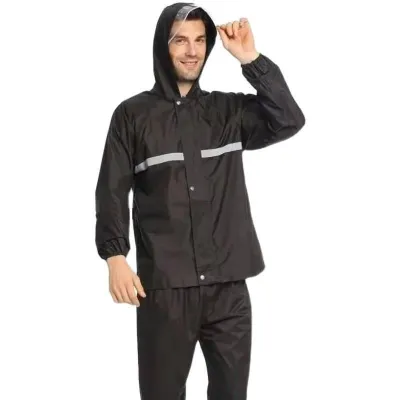
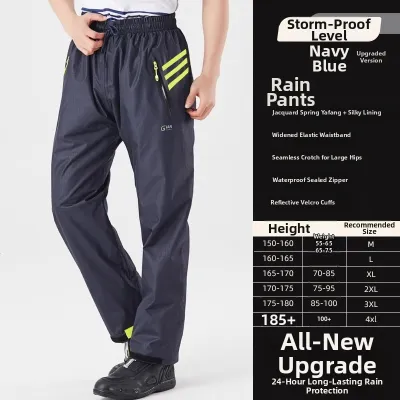
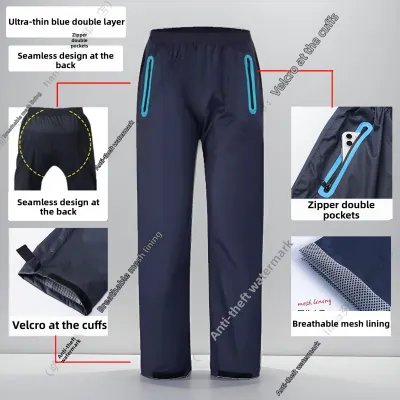
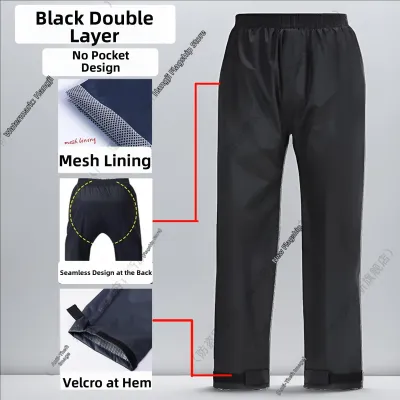
Prices are valid at publication and may change. Please refer to the product page for the latest price.
Regardless of the fabric type, the construction of the seams is the ultimate deciding factor in water resistance. Needle holes from stitching are natural weak points where water will inevitably seep through under the pressure of wind and riding speeds. High-quality waterproof pants feature fully taped or heat-sealed seams on the interior. When shopping for gear, always verify that the manufacturer explicitly states the seams are taped, as water resistance ratings mean very little if the stitching is left exposed to the elements.
Breathability ratings and ventilation options are equally critical for managing heat. Look for pants that incorporate physical zippered vents, which can be opened during dry spells or light drizzles to promote airflow. These vents should feature storm flaps or water-resistant zippers to prevent water entry when closed. A mesh inner lining is also beneficial, as it keeps the waterproof outer shell from sticking to your skin or work trousers, improving overall comfort and air circulation.
Safety should never be compromised for weather protection, especially during low-visibility rainstorms. Rainy commutes often coincide with dark, overcast skies or evening rushes where road markings become difficult to see. Ensure your waterproof pants feature high-visibility elements, such as retroreflective piping or bright fluorescent panels along the sides and lower legs. These elements reflect the headlights of surrounding vehicles, making you significantly more visible to other motorists in heavy downpours.
Finally, the design must allow for quick donning and doffing on the roadside. A sudden tropical shower requires you to pull over and put on your rain gear within minutes. Pants with full-length or three-quarter-length side zippers allow you to slide them on over your boots and work trousers without having to take off your footwear. This convenience is a major advantage for daily commuters who need to transition quickly from riding to working.
Types of Waterproof Pants for Daily Riders
Different riders have different priorities, ranging from maximum protection to compact storage. Understanding the structural designs of the three main types of waterproof pants will help you choose the style that best fits your daily routine, wardrobe requirements, and budget.

Full-Zip Rain Overpants
Full-zip rain overpants are designed specifically to be worn over your regular daily attire, making them highly practical for office workers and commuters who wear uniforms. These pants feature zippers running down the entire length of the outer seams, allowing them to open completely. This design means you can wrap the pants around your legs and zip them up in seconds, eliminating the need to balance on one foot on a wet roadside while trying to shove a muddy boot through a narrow leg opening.
While full-zip overpants offer unmatched convenience and excellent protection against heavy rain, they do come with trade-offs. The additional zippers, storm flaps, and heavy-duty materials make them bulkier to pack away when dry. They also tend to run warmer than single-layer pants because they create an extra pocket of air over your regular trousers. If your commute involves long stretches of slow-moving traffic in high temperatures, look for models with breathable membranes to mitigate this thermal retention.
Waterproof Riding Jeans with Integrated Membranes
For riders who prefer a casual look and want to avoid changing clothes at their destination, waterproof riding jeans are an appealing option. These garments look like standard denim jeans but feature a waterproof and breathable membrane laminated to the interior or placed as a middle layer. They often incorporate abrasion-resistant fibers like Kevlar or Cordura, along with pockets for impact armor at the knees and hips, providing excellent daily protection.
However, riding jeans have distinct limitations in extreme, prolonged downpours. Because the outer layer is made of denim or textile, it will absorb water and become heavy, a phenomenon known as wetting out. Even if the inner membrane keeps your skin dry, the heavy, wet outer fabric can feel cold and take hours to dry once you arrive at your destination. This makes them less suitable for back-to-back commutes during active monsoon periods unless you have a dedicated space to hang and dry heavy garments at work.
Lightweight Packable Rain Trousers
Lightweight packable rain trousers are the most common and budget-friendly option for emergency use. These pants are typically made of thin polyester or nylon with a basic waterproof coating. They compress down to a very small size, easily fitting under a scooter seat, in a small top box, or in a backpack. For budget-conscious commuters, they offer a highly accessible way to stay dry during unexpected afternoon showers.
Despite their convenience, lightweight packable trousers have notable drawbacks for daily riders. They generally lack any form of abrasion resistance or impact protection, meaning they offer zero safety benefits in a slide. The thin material is also prone to tearing if it catches on footpegs, exhaust pipes, or luggage racks. Furthermore, these budget options rarely feature breathable membranes, which can lead to a damp, sweaty ride during warm-weather commutes.
Sizing, Fit, and Layering for the Riding Posture
Selecting the correct size for waterproof riding pants requires looking beyond your standard casual waist measurement. When you sit on a motorcycle, your hips and knees bend, which naturally pulls the pant legs upward. If you buy pants based solely on your standing inseam, the cuffs will ride up above your ankles, exposing your socks and the tops of your boots to incoming rain. To prevent this, look for pants with a slightly longer inseam or those specifically cut for a seated riding posture.
Compatibility with your footwear is another critical factor. The lower cuffs of the pants must be wide enough to fit over your riding boots or casual shoes, yet adjustable enough to be secured tightly. Look for pants featuring wide leg openings with hook-and-loop straps, snap buttons, or elastic drawcords. Securing the cuff tightly around the boot prevents wind from blowing the fabric upward and stops water from splashing up into your footwear from the road.
When choosing overpants, you must also account for the clothing you plan to wear underneath. If you commute in thick denim jeans or structured work trousers, you will need extra room in the thighs and seat of your waterproof pants. A fit that is too tight will restrict your range of motion, making it difficult to swing your leg over the motorcycle, mount or dismount safely, or react quickly in traffic. It can also put excessive stress on the seams and crotch area, leading to premature tears and leaks.
If the pants feature integrated armor pockets, ensure that the knee protectors sit correctly over your kneecaps while you are in the riding position, rather than when you are standing. Many motorcycle-specific pants feature adjustable armor pockets that allow you to raise or lower the protectors to match your leg length. Taking the time to sit on your motorcycle and test the fit before committing to a purchase ensures both comfort and safety on the road.
Maintenance and Care to Preserve Waterproofing
To ensure your waterproof pants continue to perform well through multiple rainy seasons, proper maintenance is essential. Road grime, oil splatters, and engine soot from urban traffic can accumulate on the fabric surface, clogging breathable membranes and breaking down water-repellent coatings. Always consult the manufacturer’s care label before washing your gear, as improper cleaning can permanently damage the waterproof barriers.
When washing waterproof gear, avoid standard household laundry detergents, fabric softeners, and bleach. Standard detergents leave behind hydrophilic (water-attracting) residues that mask the water-repellent properties of the outer fabric, while softeners can delaminate the waterproof backing. Instead, use a specialized technical wash designed specifically for outdoor or motorcycle gear. Wash the pants on a gentle cycle with cool water, and rinse them thoroughly to ensure no soap residue remains.
Over time, the durable water repellent (DWR) treatment on the outer shell of the pants will wear off due to friction and washing. You can recognize this when rainwater stops beading on the surface and instead begins to soak into the outer fabric. To restore this performance, you can reapply a spray-on DWR treatment after washing. Spray the treatment evenly onto the damp outer fabric, paying close attention to high-wear areas like the knees and seat, and allow it to dry according to the product instructions.
Proper drying and storage are critical to preventing mold, mildew, and seam tape degradation, especially in humid tropical climates. Never store wet or damp rain pants inside a cramped under-seat compartment, top box, or backpack, as this creates a breeding ground for bacteria and can cause the seam tape to peel away from the fabric. Instead, hang the pants on a wide hanger in a well-ventilated, shaded indoor area away from direct sunlight and heat sources. Ensure they are completely dry inside and out before folding them for storage.
Frequently Asked Questions (FAQ)
Can I use regular hiking rain pants for motorcycle commuting?
While regular hiking rain pants are waterproof and lightweight, they are not recommended for daily motorcycle commuting. Hiking gear is designed for low-speed walking and lacks the structural reinforcement needed to withstand the high wind pressures and friction experienced on a motorcycle. Standard hiking pants do not offer abrasion resistance or pockets for impact armor, leaving you unprotected in the event of a slide on asphalt. Additionally, the seam placement on hiking pants is not optimized for sitting on a motorcycle saddle, which can lead to rapid wear, seam splitting, and water leakage in the crotch area.
How do I know if the waterproof membrane is still effective?
If you notice dampness on your clothes after a rainy ride, you need to determine whether the membrane is leaking or if you are experiencing condensation from sweat. To check for actual leaks, turn the dry pants inside out and inspect the interior seams for any peeling, cracking, or lifting of the seam tape. You can also perform a localized water test by placing a dry paper towel inside the leg of the pants, securing it directly under a suspected leak area, and spraying the exterior with water from a hose or spray bottle for a few minutes. If the paper towel remains dry, the dampness you felt during your ride was likely sweat condensation, indicating a need for better ventilation rather than a replacement of the gear.

Community discussion
Share your experience or ask a question. Comments are reviewed before publication.