
Navigating the roads during a tropical monsoon requires absolute clarity of vision. When torrential downpours hit, standard water or low-grade cleaning solutions fail to clear the windshield effectively, often leaving behind a dangerous smear of road grime, oil, and organic debris. To maintain safety under these extreme conditions, choosing the right windshield washer fluid is a critical maintenance step for every vehicle owner.
The ideal windshield washer fluid for tropical climates must address two distinct environmental challenges: intense solar heat and sudden, heavy rainfall. It must cut through stubborn road film, resist rapid evaporation on hot glass, and actively repel water to assist your wiper blades during severe storms. Understanding the specific properties of these fluids ensures your washer system remains functional and your view of the road stays unobstructed.
Identifying Essential Fluid Properties for Monsoon and Heat
To withstand the harsh tropical climate, a windshield washer fluid must possess specific chemical and physical characteristics. The first of these is water repellency. High-quality formulations often contain hydrophobic additives that bond temporarily with the glass surface. This causes rainwater to bead up and roll off rapidly under wind pressure, significantly reducing the load on your wiper blades during a sudden cloudburst.
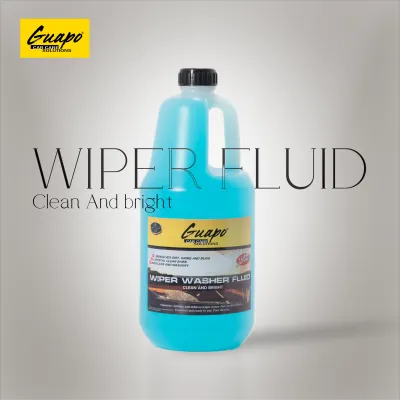
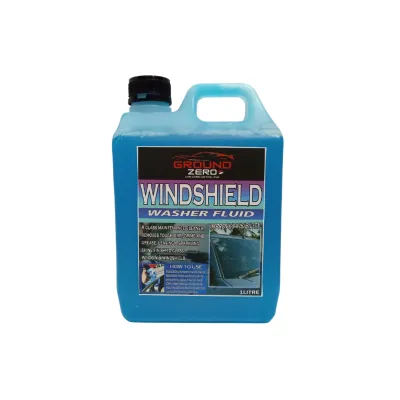
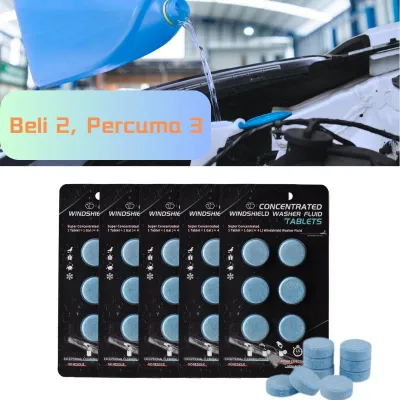
Products mentioned in this guide
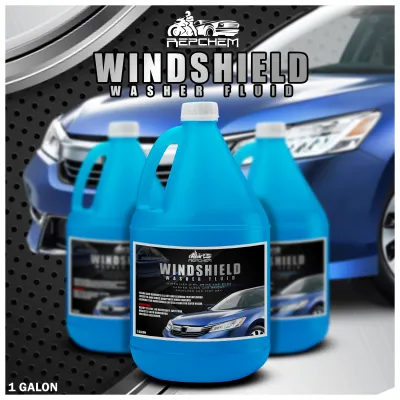
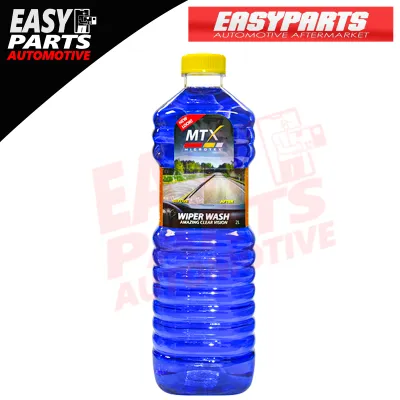
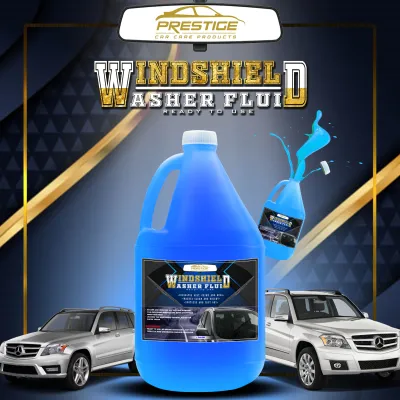
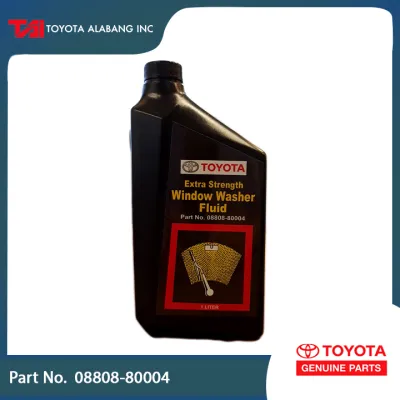
![[1 LITER] Toyota Windshield Washer Fluid - Toyota Auto Parts - TWWF](https://img.lazcdn.com/g/p/fbea552c32776d044e7e4186e55c0aef.jpg_400x400q80.jpg_.webp)
Prices are valid at publication and may change. Please refer to the product page for the latest price.
High humidity and night driving present another hazard: blinding glare from oncoming headlights. A proper monsoon-grade fluid must feature an anti-glare, streak-free formulation. When the fluid is sprayed, it must dissolve oil-based road grime—which is kicked up from wet asphalt—without leaving a hazy film. If a fluid leaves behind even a microscopic residue, the high humidity will trap moisture on that residue, creating a persistent fog that distorts light at night.
The intense tropical sun also demands excellent evaporation resistance. Standard water or poorly formulated fluids dry almost instantly when sprayed onto a hot windshield. This rapid evaporation leaves behind dry surfactants, mineral spots, or smeared dirt directly in your line of sight. A tropical-grade fluid is engineered to remain wet long enough for the wiper blades to complete their sweep, carrying away the suspended dirt before drying cleanly.
Finally, the fluid must provide adequate lubrication. When a windshield is dry and hot, activating the wipers can cause severe friction. This friction leads to wiper chattering, skipping, and accelerated wear of the rubber elements. A fluid with built-in lubricating agents reduces this friction, allowing the blades to glide smoothly across the glass, which protects both the wiper mechanism and the glass surface from micro-scratches.
Reading Labels and Choosing the Right Formulation
When shopping for windshield washer fluid, you will generally encounter two main types: ready-to-use formulas and concentrated solutions. Ready-to-use fluids offer convenience, as they are pre-mixed to the correct chemical balance and can be poured directly into the reservoir. Concentrates, on the other hand, are highly cost-effective but require manual dilution. If you choose a concentrate, you must strictly follow the manufacturer’s specified dilution ratios on the label to ensure the active ingredients remain effective without becoming too harsh for your vehicle’s components.

Reading the ingredient label is crucial for protecting your vehicle’s exterior. Safe formulations utilize mild surfactants and specialized solvents that target road grime, sap, and insect residue. Avoid products that contain aggressive solvents like ammonia or high concentrations of harsh alcohols, as these chemicals can dry out and degrade the rubber of your wiper blades, damage the plastic trim around the cowl, and strip the protective wax or clear coat from your vehicle’s paint.
Before purchasing any fluid, always consult your vehicle owner’s manual. Some manufacturers specify particular fluid requirements to protect the internal components of the washer system. For instance, certain vehicles feature sensitive fluid-level sensors inside the reservoir that can be fouled by silicone-based water repellents, leading to false warning lights on your dashboard. Ensuring compatibility with your specific vehicle model prevents unexpected electronic or mechanical issues.
If you opt for a concentrated washer fluid, the water you use for dilution is just as important as the chemical itself. You must use distilled or deionized water. Tap water contains dissolved minerals such as calcium and magnesium. When exposed to the high temperatures of the engine bay, these minerals precipitate out of the solution, forming hard scale deposits. Over time, this scale will clog the fine spray nozzles, restrict fluid flow, and potentially damage the small electric washer pump.
Maintaining and Refilling the Washer System Safely
Maintaining your windshield washer system is a straightforward process that should be performed before the heavy rains arrive. Start by inspecting the system for any existing blockages. If your spray nozzles are producing a weak stream or are completely blocked, you can gently clear the openings using a fine needle or pin. If the blockage persists, or if you suspect a buildup of old, degraded fluid or algae inside the reservoir, the system should be flushed. To flush the system, drain the remaining fluid, rinse the reservoir with distilled water, and run the pump briefly to clear the lines before refilling with fresh fluid.
When refilling the reservoir, locate the filler cap under the hood, which is typically marked with a windshield wiper symbol. Before opening the cap, wipe away any dirt, leaves, or debris from the surrounding area to prevent contaminants from falling into the tank. Use a clean funnel to pour the fluid to the indicated maximum fill line. Never substitute tap water or household cleaning solutions during this process, as doing so introduces contaminants and risks damaging the system’s internal components.
Take this opportunity to perform a thorough visual inspection of the entire washer system. The intense heat of the engine bay, combined with tropical ambient temperatures, can cause plastic and rubber components to degrade rapidly. Check the fluid reservoir for hairline cracks, and inspect the rubber delivery hoses for brittleness, kinks, or leaks. Ensure all connections between the hoses, pump, and nozzles are secure, as loose fittings can cause fluid to spray inside the engine compartment rather than onto the windshield.
While basic maintenance is simple, it is important to recognize when professional assistance is required. If you activate the washer system and hear no sound from the pump, or if the fluid fails to spray despite a full reservoir and clear nozzles, there may be an electrical failure or a broken pump motor. Do not attempt to disassemble the electrical connectors or modify the wiring yourself. If you encounter electrical issues or a failed pump, consult a qualified automotive technician to diagnose and repair the system safely.
Ensuring Wiper Blade Compatibility and Condition
Even the highest-quality windshield washer fluid cannot perform effectively if your wiper blades are in poor condition. In tropical regions, wiper blades are subjected to extreme environmental stress. Constant exposure to intense ultraviolet (UV) radiation from the sun, combined with high ambient heat, causes the rubber squeegee elements to dry out, stiffen, crack, or tear. Inspect your wiper blades regularly by lifting the wiper arms and running your finger gently along the rubber edge to check for roughness, splits, or loss of flexibility.
The interaction between your washer fluid and wiper blades is a delicate balance. A properly formulated fluid provides the necessary boundary lubrication to protect the rubber from friction damage. When you activate the washers, the fluid must instantly wet the glass to prevent the blades from dragging across a dry, dusty surface. Dry wiping not only accelerates the wear of the rubber elements but can also grind abrasive road dust into the glass, causing permanent scratching.
You must be able to recognize the physical signs that indicate your wiper blades have reached the end of their service life. If the blades leave wide streaks of water, skip or chatter loudly across the glass, or fail to clear the windshield in a single pass, they must be replaced immediately. Relying on worn blades during a heavy monsoon downpour compromises your safety, regardless of how advanced your washer fluid formulation is.
To maximize the performance of both your fluid and your wipers, establish a routine for cleaning the windshield and the blades. Road film, diesel soot, and organic matter like tree sap can accumulate on the rubber squeegee, preventing it from making clean contact with the glass. Periodically wipe down the rubber edges with a clean microfiber cloth dampened with a small amount of washer fluid or mild soapy water. Additionally, clean the glass area where the wipers rest, as dirt tends to collect along the bottom edge of the windshield and can quickly ruin a clean set of blades.
Frequently Asked Questions (FAQ)
Is it safe to use plain water or dish soap as a substitute?
Using plain water or dish soap as a substitute for proper windshield washer fluid is highly discouraged due to the mechanical and chemical risks involved. Plain water lacks the necessary surfactants to dissolve oily road film, meaning it will simply smear grease across your windshield and severely impair your vision. Furthermore, standing water in a warm engine bay provides an ideal breeding ground for bacteria and algae, which can clog the system. Dish soap is equally damaging; it contains harsh degreasers designed for cookware that will strip the protective wax from your vehicle’s paint, dry out the rubber wiper blades and seals, and create excessive foam that can overwhelm and damage the washer pump.
How often should the fluid be checked and refilled during heavy rains?
During the monsoon season, you should check your windshield washer fluid level at least once a week or during every routine under-hood inspection. The frequency of refills depends heavily on your daily driving conditions. If your daily commute involves driving on busy highways where large vehicles constantly kick up dirty road spray, you will use the washer system much more frequently to maintain visibility. Keeping a close eye on the reservoir level ensures you do not run out of fluid unexpectedly during a heavy downpour, which could leave you stranded with an obscured windshield.

Community discussion
Share your experience or ask a question. Comments are reviewed before publication.