
Selecting a reliable Zebra half-face helmet with a dual visor in the Philippines requires balancing affordability with daily riding comfort and certified protection. In a tropical climate where sudden downpours and intense sunlight are common, the dual-visor configuration offers a practical solution for daily commuters. The outer clear shield protects against wind, dust, and rain, while the drop-down inner sun visor shields the eyes from harsh glare without requiring a shield swap. However, navigating the market requires understanding how build quality, mechanism durability, and safety certifications scale across different price points. By focusing on verifiable safety standards and material specifications, riders can find a reliable helmet that fits their budget and keeps them secure on the road.
Key Features to Evaluate in Zebra Dual Visor Half-Face Helmets
When evaluating Zebra dual-visor half-face helmets, the outer shell material is your first line of defense. Most entry-to-mid-range helmets utilize Acrylonitrile Butadiene Styrene (ABS) or advanced polycarbonate. ABS is highly impact-resistant and cost-effective, though it tends to be slightly heavier than polycarbonate. When inspecting a helmet, look for the manufacturer’s material stamp, usually located on the rear or underside of the shell. This label indicates the primary polymer used, helping you verify the structural integrity of the helmet before purchase.
The dual-visor system relies on a mechanical linkage to deploy and retract the inner tinted shield. Common designs include side-mounted sliders and top-mounted toggles. Side sliders are generally easier to operate with gloved hands while riding, but they can be prone to dust accumulation in dusty environments. Top toggles offer a more streamlined profile but may require a firmer grip. Inspecting the smoothness of this mechanism is crucial, as low-quality plastic gears can wear down quickly, causing the inner visor to drop unexpectedly during rides.
Products mentioned in this guide
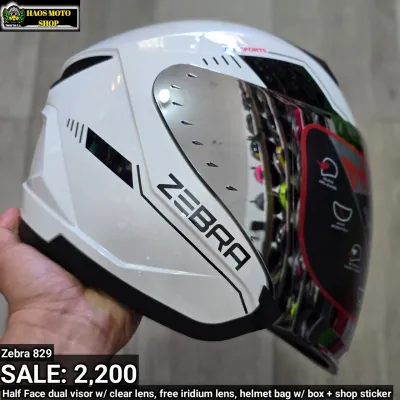
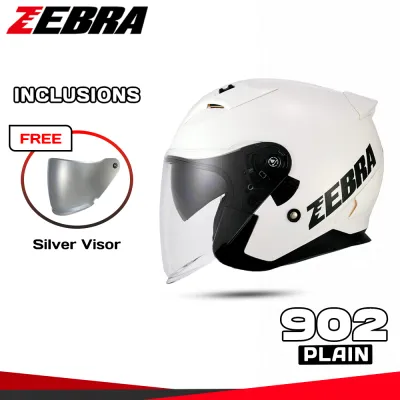
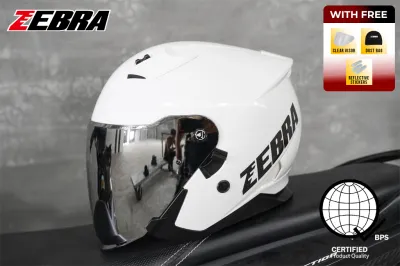
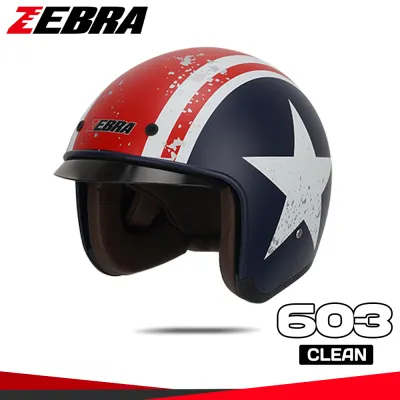
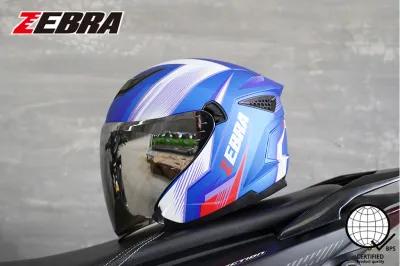
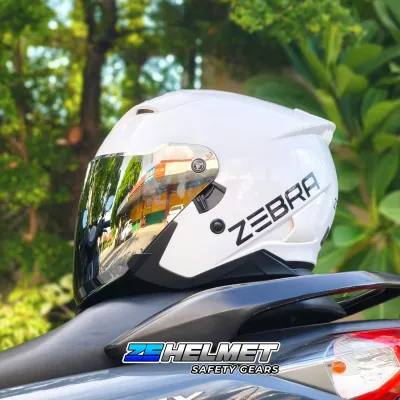
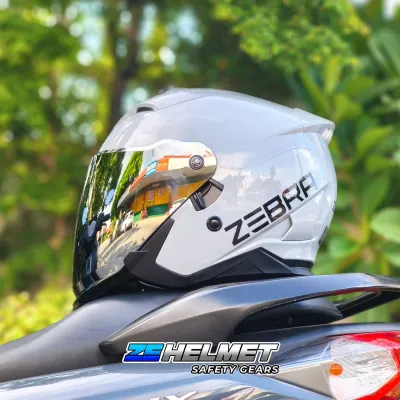
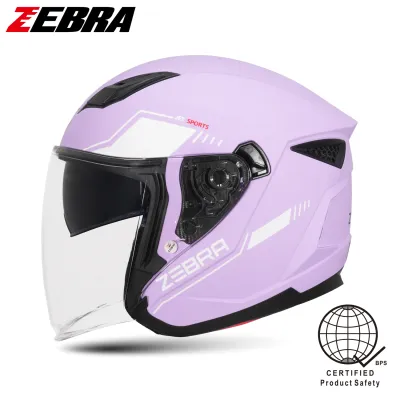
Prices are valid at publication and may change. Please refer to the product page for the latest price.
Riding in high humidity and heat demands efficient ventilation and moisture management. Look for helmets featuring multi-channel EPS (Expanded Polystyrene) liners that direct airflow across the scalp. Removable and washable inner liners are essential for maintaining hygiene, as sweat and oil can degrade the padding over time. High-quality liners use moisture-wicking fabrics that dry quickly, preventing odor buildup and skin irritation during long daily commutes.
Budget Tier Breakdown: What to Expect at Each Price Point
At the entry-level tier, Zebra half-face helmets focus on essential protection and basic dual-visor functionality. These models typically feature a standard ABS shell and a simple, manually operated side slider for the inner visor. While they provide the necessary impact protection for low-speed city riding, the ventilation ports may be basic, and the inner lining might not be fully removable. These helmets are suitable for short commutes or as secondary gear for occasional passengers, offering a cost-effective entry point into dual-visor convenience.

Moving up to the mid-range tier introduces significant improvements in comfort and daily usability. Helmets in this category often feature multi-density EPS liners for enhanced impact absorption and more sophisticated ventilation channels. The inner liners are typically fully removable and washable, crafted from hypoallergenic, moisture-wicking fabrics. Additionally, the visor mechanisms are more robust, featuring tighter seals that prevent rainwater from seeping inside during sudden tropical downpours. This tier represents a balanced choice for daily motorcycle commuters seeking a balance of durability and comfort.
The premium tier of Zebra half-face helmets showcases advanced materials and refined mechanical designs. These models often utilize high-grade polycarbonate shells, which offer high impact resistance at a lighter weight, reducing neck fatigue during long journeys. The visors frequently come with anti-scratch coatings, and the inner sun shield operates on a spring-assisted or highly reinforced toggle system for precise positioning. Other premium features include micrometric quick-release chin straps, optimized aerodynamic profiles to reduce wind noise, and dedicated slots for Bluetooth communication systems, making them suitable for long-distance touring and frequent highway travel.
How to Verify Fit, Safety Labels, and Visor Mechanisms
In the Philippines, all motorcycle helmets must comply with local safety standards. Look for the Import Commodity Clearance (ICC) sticker or the Philippine Standard (PS) mark, which are typically affixed to the rear of the helmet. These stickers feature unique holographic elements and serial numbers that can be verified through official Department of Trade and Industry (DTI) databases. Additionally, check for international safety certifications such as DOT (Department of Transportation) or ECE (Economic Commission for Europe) markings, which indicate the helmet has undergone rigorous impact and penetration testing.
Before finalizing your purchase, physically test the dual-visor mechanism multiple times. Slide or toggle the inner sun shield up and down to ensure it moves smoothly without sticking or catching. The visor should lock securely in both the fully deployed and fully retracted positions. Shake the helmet gently while the inner visor is retracted; any rattling or loose movement suggests a weak mechanism that may fail under the vibrations of daily riding.
A helmet can only protect you effectively if it fits correctly. Put the helmet on and fasten the chin strap securely. The cheek pads should press firmly against your cheeks without causing pain, and the crown pad should rest snugly on the top of your head. Perform the “roll test” by trying to pull the helmet off from the back; if it rolls forward off your head, it is too large. Shake your head side to side; the helmet should move with your skin rather than sliding independently.
Where to Buy and How to Spot Authentic Zebra Helmets
To ensure you are purchasing a genuine Zebra helmet, prioritize authorized physical dealerships, official brand stores, or verified flagship stores on major ecommerce platforms. Buying from authorized sellers guarantees that the helmet meets safety standards and comes with a valid manufacturer warranty. Avoid purchasing from unverified third-party sellers or roadside stalls that cannot provide proof of authenticity.
Counterfeit helmets pose a severe safety risk as they often use substandard plastics that shatter upon impact. Inspect the overall build quality; genuine helmets have clean paint finishes, properly aligned decals, and sturdy stitching on the chin strap. Be wary of prices that are significantly lower than the average market rate, as this is a primary indicator of a counterfeit product. Authentic helmets will also include official packaging, a branded dust bag, and a user manual detailing safety and maintenance instructions.
A reputable dealer will offer a clear return policy and warranty coverage for manufacturing defects, particularly for the dual-visor mechanism. Before buying, ask the seller about their policy regarding mechanical failures or fitment issues. Keep your official receipt and warranty card secure, as these documents are required to claim replacements or repairs if the visor slider or buckle malfunctions within the warranty period.
Frequently Asked Questions (FAQ)
Can I replace just the inner sun visor if it gets scratched?
Yes, the inner sun visor can typically be replaced independently of the outer clear shield. However, availability depends on the specific Zebra model and the stock of authorized spare parts. It is highly recommended to consult your authorized dealer or the official brand store to source the correct replacement visor that matches your helmet’s mounting mechanism. Attempting to install third-party or incompatible visors can damage the internal tracks and compromise the smooth operation of the deployment slider.
How do I clean the dual visor mechanism without damaging it?
To clean the dual visor mechanism, use a soft microfiber cloth dampened with lukewarm water and a mild, non-abrasive soap. Avoid using harsh chemical solvents, aerosol lubricants, or high-pressure water sprays, as these can degrade the plastic gears, wash away factory grease, and damage the delicate tracks. Gently wipe away dust and road grime from the slider tracks, and allow the mechanism to air dry completely before operating it. Regular, gentle cleaning prevents debris from jamming the gears and ensures long-term reliability.
Are half-face helmets with dual visors safe for highway riding?
Half-face helmets provide convenient ventilation and a wide field of view, making them highly suitable for low-to-moderate speed urban commuting. However, they do not offer chin or lower-face protection, which are critical areas of impact in high-speed highway accidents. For highway riding or long-distance touring at higher speeds, a full-face helmet is highly recommended to ensure comprehensive facial and jaw protection. Always check local traffic regulations and choose your helmet style based on the speed and conditions of your typical riding routes.

Community discussion
Share your experience or ask a question. Comments are reviewed before publication.