
Selecting the right waterproof motorcycle shoes requires a clear understanding of your riding environment, as a shoe that excels in stop-and-go city traffic may fail during a multi-day highway journey. For daily commuters, the priority lies in balancing wet-weather protection with breathability, flexibility, and casual styling that fits an office or school environment. Conversely, long-distance touring demands maximum structural support, high-coverage waterproofing, and heavy-duty impact armor to withstand hours of sustained highway speeds and unpredictable weather. By identifying where and how you ride, you can choose footwear that keeps your feet dry without compromising on safety or comfort.
Defining Your Ride: Commuting vs. Touring Demands
Urban commuting and long-distance touring place vastly different physical demands on your riding gear. In city environments, riders frequently stop at intersections, navigate tight lanes, and constantly put their feet down on wet, oily asphalt. This stop-and-go pattern requires highly flexible footwear that offers immediate grip and does not cause fatigue during short, repetitive movements. The speeds are generally lower, meaning wind-driven rain has less force to penetrate seams, but the exposure to road spray and puddles remains constant.
In contrast, long-distance touring involves sustained highway speeds where wind pressure actively forces rainwater against your gear. A minor leak that goes unnoticed during a twenty-minute commute can completely soak your foot over a three-hour highway stretch. Furthermore, touring routes often cross diverse terrains and elevations, exposing you to sudden temperature drops and prolonged downpours.
Products mentioned in this guide
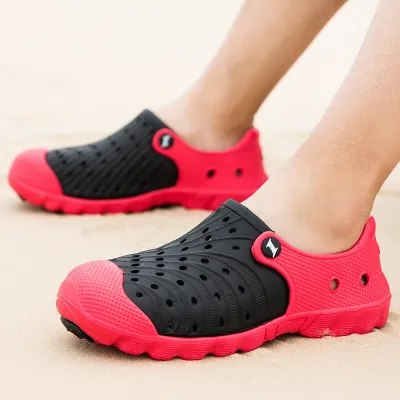
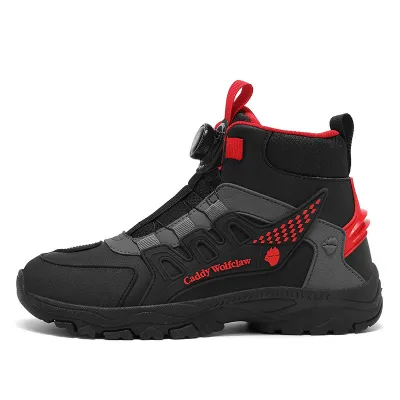
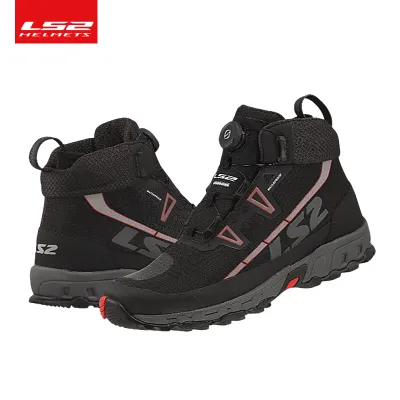
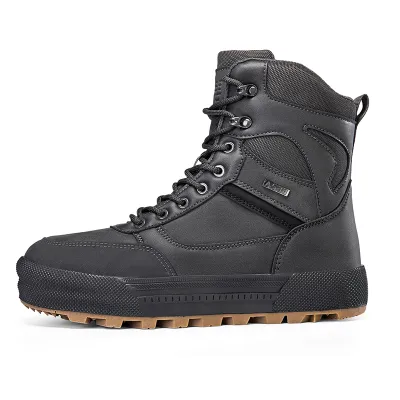
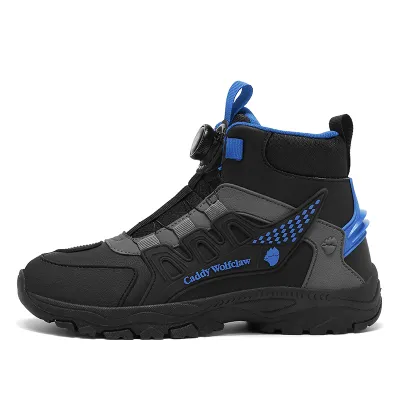
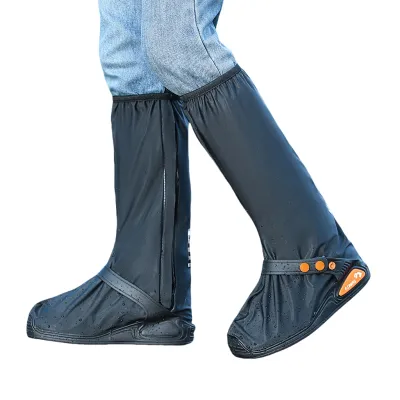
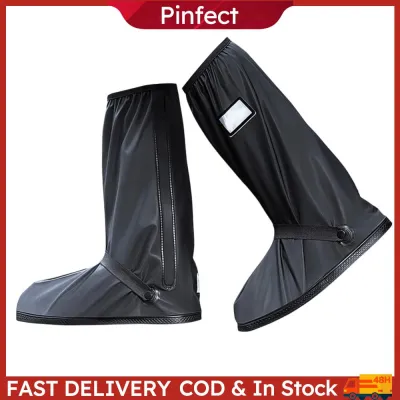
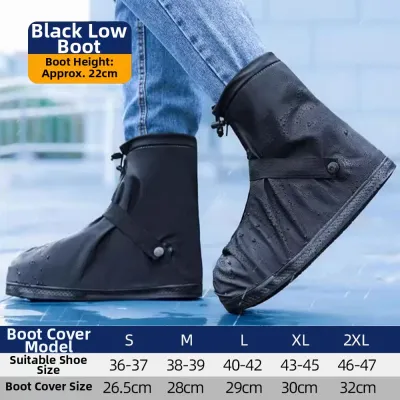
Prices are valid at publication and may change. Please refer to the product page for the latest price.
In the tropical climate of the Philippines, these environmental challenges are amplified. The wet season brings sudden, torrential downpours that can turn streets into temporary streams within minutes, while the intense humidity makes heat management a constant struggle. Whether you are navigating the congested streets of Metro Manila or riding the scenic, winding roads of the Cordillera region, your footwear must handle both external wetness and internal perspiration.
Regardless of your primary riding scenario, certain safety baselines remain non-negotiable. Every motorcycle shoe or boot must feature dedicated ankle protection, reinforced toe boxes, heel cups, and a crush-resistant sole. Waterproofing should never come at the expense of structural integrity, as a wet foot is a temporary discomfort, but an unprotected foot in a slide or impact can result in severe, life-altering injuries.
Top Feature Priorities for Daily Commuting
For the daily commuter, convenience and off-bike usability are just as important as weather protection. Commuters need footwear that transitions seamlessly from the bike to the workplace, classroom, or social settings without requiring a change of shoes. Look for casual, sneaker-style riding shoes that feature quick-entry designs, such as side zippers, speed-lacing systems, or micro-adjustable dials. These features allow you to slip the shoes on and off rapidly, saving time during busy morning routines.

In a tropical climate, breathability is a critical factor for urban riding. Stop-and-go traffic limits airflow, causing heat to build up rapidly inside sealed footwear. To prevent your feet from becoming damp with sweat—which can be just as uncomfortable as rainwater—prioritize commuting shoes equipped with breathable, moisture-wicking waterproof membranes. These specialized liners allow microscopic sweat vapor to escape while blocking larger liquid water droplets from entering.
The sole of a commuting shoe must offer a careful balance of stiffness and flexibility. While the sole must remain rigid enough to resist lateral crushing forces, it should have enough longitudinal flex to allow for natural walking. Look for high-traction rubber outsoles with deep tread patterns that provide a secure grip on wet pavement, painted road markings, and slick office floors. Additionally, ensure the shoe features a durable, integrated shift pad on the toe to prevent the gear shifter from wearing down the outer material over time.
Essential Features for Long-Distance Touring
When embarking on long-distance journeys, the priorities shift heavily toward maximum protection, durability, and absolute weather resistance. Touring boots should ideally feature a full-height or mid-calf design. This extended coverage is essential for preventing water from running down your riding pants and entering the top of the boot. It also provides crucial protection for your shins and calves against flying road debris, engine heat, and impact forces.
Long hours on the footpegs can cause significant arch fatigue and foot strain if your footwear is too soft. Touring boots utilize highly rigid, shank-reinforced soles that distribute your weight evenly across the peg, reducing muscle strain over hundreds of kilometers. This stiffness is paired with robust, heavy-duty armor, including dual-density ankle cups, reinforced thermoplastic polyurethane (TPU) heel counters, and sturdy toe caps designed to withstand high-velocity impacts.
Sustained exposure to heavy rain at highway speeds requires advanced waterproofing systems. Premium touring boots often feature high-performance laminated membranes where the waterproof barrier is bonded directly to the outer shell, preventing the boot from absorbing water and becoming heavy. These boots also incorporate specialized thermal and moisture-management linings that help regulate temperature, keeping your feet warm during high-altitude mountain climbs and dry during humid lowland stretches.
Finding a Middle Ground: Dual-Purpose Compromises
If your riding routine consists of a mix of daily city travel and weekend highway trips, choosing a single pair of footwear requires careful compromise. Mid-height touring shoes or adventure-lite boots serve as an excellent bridge between these two worlds. These hybrid options offer more ankle support and weather protection than a casual riding sneaker, yet they remain lighter and more flexible than a full-calf touring boot.
When opting for a dual-purpose shoe, you must carefully weigh the trade-off between walkability and safety. A mid-height shoe with a moderately stiff sole will allow you to walk short distances comfortably, such as exploring a roadside destination or running quick errands, but it will not offer the same level of shin protection or peg support as a dedicated touring boot. Assess your typical mileage split to decide which direction to lean.
Another key consideration is breathability versus heavy-duty waterproofing. High-level waterproof membranes designed for extreme touring tend to run warmer in slow-moving city traffic. If you choose a highly protective, fully waterproof boot for daily commuting, you may need to pair it with technical, moisture-wicking socks to manage sweat accumulation during hot afternoon rides.
How to Verify Waterproofing and Ensure a Safe Fit
To ensure your chosen footwear performs reliably in wet conditions, you must verify the manufacturer’s specifications rather than relying on visual styling. Look for product labels that explicitly state the use of certified waterproof membranes and sealed seam construction. High-quality waterproof gear often carries independent safety certifications, such as the European EN 13634 standard, which rates footwear for abrasion resistance, impact cut, and transverse rigidity.
When trying on new riding shoes, always wear the exact thickness of socks you plan to use on your rides. For commuting, this might be standard cotton or thin synthetic socks, while touring may require thicker, moisture-wicking technical socks. Put on both shoes, fasten them completely, and sit in a riding position to ensure there are no pressure points along your instep, ankles, or shins. Your toes should have enough room to wiggle, but your heel must remain securely locked in place without lifting when you walk.
It is vital to distinguish between water-resistant and fully waterproof footwear. Water-resistant shoes often rely on a temporary durable water repellent (DWR) coating applied to the outer fabric, which can quickly saturate and leak during a heavy tropical downpour. Fully waterproof shoes, however, utilize an internal bootie membrane and sealed seams that create an impenetrable barrier against liquid water. Always check the product documentation to confirm the level of protection before making your purchase.
Frequently Asked Questions (FAQ)
Can I use regular waterproof hiking boots for motorcycle riding?
While waterproof hiking boots offer excellent grip and weather protection for walking, they are not suitable substitutes for dedicated motorcycle footwear. Hiking boots lack the specific structural reinforcements required for riding, such as lateral ankle armor to prevent twisting, crush-resistant soles to protect against the weight of a fallen motorcycle, and dedicated shift pads to prevent wear. Using non-motorcycle footwear significantly increases your risk of severe foot and ankle injuries in the event of an accident.
How do I maintain the waterproofing of my riding shoes over time?
To preserve the waterproof integrity of your riding shoes, you must clean them regularly to remove road grime, salt, and oils that can degrade the outer materials and clog breathable membranes. Wipe down the exterior with a damp cloth and mild soap, avoiding harsh detergents that can damage the fabric or leather. Always refer to the manufacturer’s care label before applying any aftermarket re-waterproofing sprays or conditioners, ensuring the product is fully compatible with your shoe’s specific membrane and outer material.

Community discussion
Share your experience or ask a question. Comments are reviewed before publication.