
Riding a motorcycle in the Philippines requires balancing personal style with legal safety mandates. For riders of classic scooters, cafe racers, and vintage cruisers, finding a classic helmet that complements their machine while strictly adhering to local safety laws is a primary concern. The challenge lies in navigating the vast market of retro-style headgear to identify options that provide genuine impact protection, meet local certification requirements, and fit within a specific budget.
Choosing the right helmet is not merely about matching a vintage paint job or selecting a sleek open-face silhouette. In the event of an accident on unpredictable local roads, the structural integrity of your headgear is your primary line of defense. By understanding how local safety standards apply to retro designs and knowing what features to expect at different price points, you can make an informed, safety-first purchase that keeps you both stylish and legally compliant.
Why PSB and ICC Certification Is Non-Negotiable
In the Philippines, road safety regulations mandate that all motorcycle riders wear protective helmets certified by the Department of Trade and Industry (DTI). This certification is physically represented by either the Philippine Standard (PS) mark or the Import Commodity Clearance (ICC) sticker. While some riders colloquially refer to these as PSB/ICC marks, the legal requirement centers on the official PS and ICC indicators issued by the Bureau of Philippine Standards (BPS).
Products mentioned in this guide
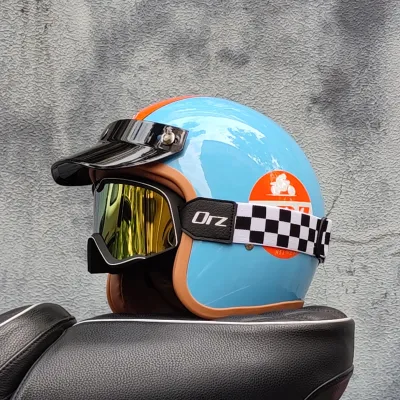
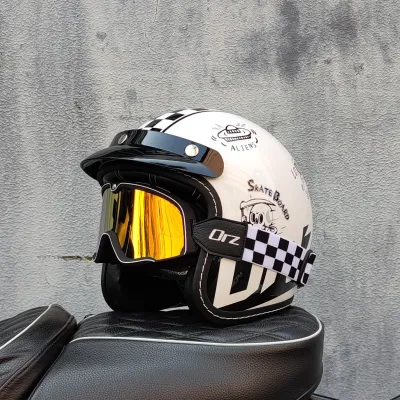
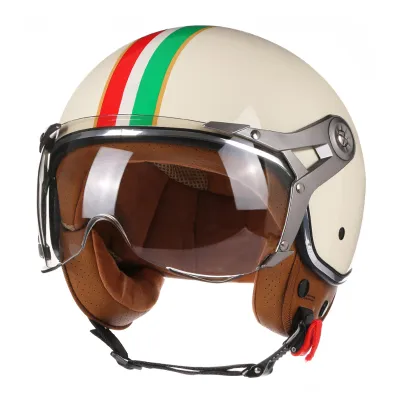
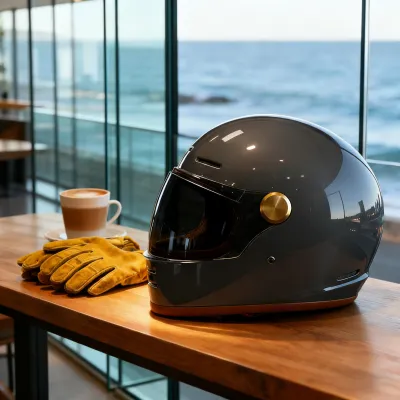
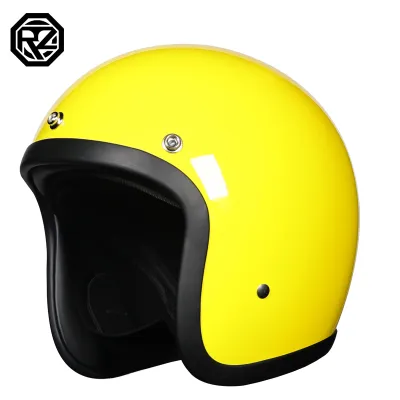
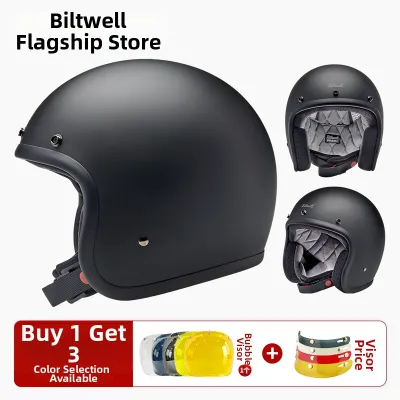
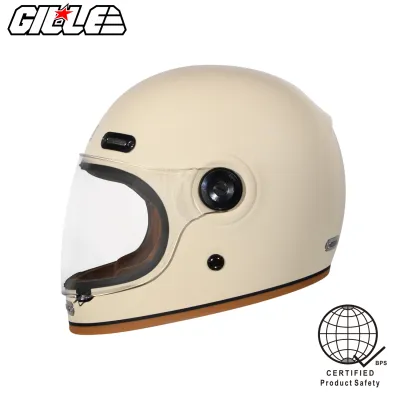
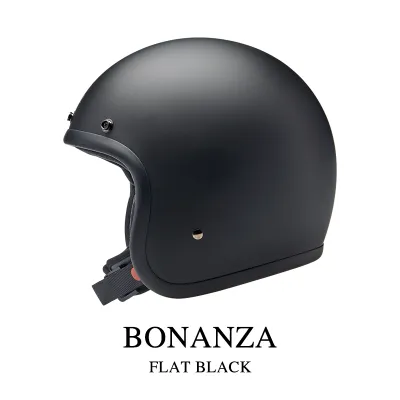
Prices are valid at publication and may change. Please refer to the product page for the latest price.
A common point of confusion among riders is the relationship between local stickers and prestigious international safety ratings. Helmets manufactured abroad often carry certifications such as the United States Department of Transportation (DOT) rating, the Economic Commission for Europe (ECE) standard, or SNELL certification. While these international marks indicate that a helmet has undergone rigorous scientific testing, they do not exempt a rider from local laws. Under Philippine Republic Act No. 10054 (the Motorcycle Helmet Act), any helmet used on public roads must bear the physical PS or ICC sticker to be considered legally compliant.
These vital certification stickers are typically affixed to the rear or lower side of the helmet’s outer shell. They feature specific security elements, including unique serial numbers and holographic patterns, designed to prevent duplication. Riding with a helmet that lacks these stickers—or using uncertified “novelty” and “costume” helmets that mimic classic styles without internal protective liners—exposes you to significant legal penalties, including steep fines and license confiscation during roadside inspections.
Beyond the legal consequences, the physical risk of wearing an uncertified classic helmet is severe. Novelty helmets often feature thin plastic shells and lack the essential Expanded Polystyrene (EPS) foam liner required to absorb and disperse impact energy. In a collision, these aesthetic-only shells can crack instantly, offering virtually zero protection to the skull and brain. Ensuring your retro helmet carries a genuine PS or ICC mark is the only way to verify that the product has undergone local batch testing or type approval to handle real-world impacts.
What to Expect at Different Budget Tiers for Classic Helmets
The market for classic helmets is diverse, ranging from highly affordable commuter options to high-end collector pieces. Understanding what features, materials, and manufacturing standards exist at different price levels allows you to set realistic expectations and avoid overpaying or compromising on safety.

Entry-Level: Basic Compliance and Essential Protection
Helmets in the entry-level tier—typically priced under ₱3,000—prioritize essential safety compliance and affordability over premium materials. These helmets are designed to meet the baseline requirements of the PS or ICC certification, ensuring that budget-conscious riders do not have to resort to illegal, uncertified novelty gear.
The outer shells in this price range are almost exclusively constructed from Acrylonitrile Butadiene Styrene (ABS) thermoplastic. While ABS is highly durable and capable of dispersing impact forces, it requires a thicker profile to achieve the same strength as advanced composites, often resulting in a slightly heavier and bulkier helmet. The interior liners are usually made of standard polyester fabrics that provide basic comfort but may lack advanced moisture-wicking properties.
At this entry-level tier, riders should expect practical compromises. The visor mechanisms are often basic, utilizing simple friction pivots rather than smooth, multi-position detents. Ventilation is typically minimal, as retro designs in this category often omit complex internal air channels to keep manufacturing costs low. Additionally, the outer shell profile may appear somewhat larger or rounder, which can sometimes create a slight “mushroom head” appearance rather than a perfectly streamlined vintage silhouette. Strap retention systems at this level are usually basic plastic quick-release or entry-grade micrometric buckles.
Mid-Range: Upgraded Comfort and Refined Styling
Stepping up to the mid-range tier—generally spanning from ₱3,000 to ₱8,000—reveals a significant improvement in both material quality and aesthetic refinement. This tier represents the sweet spot for daily commuters and weekend enthusiasts who want authentic retro styling without a premium price tag.
One of the most notable upgrades in mid-range classic helmets is the implementation of multi-density EPS liners. These liners feature varying layers of foam density tailored to absorb both low-speed and high-speed impacts more efficiently. The interior comfort liners also receive a major upgrade, typically featuring removable, washable, and hypoallergenic fabrics with moisture-wicking properties that help manage perspiration in the hot, humid Philippine climate.
Aesthetics and daily usability are highly refined at this level. Manufacturers pay closer attention to historical accuracy, offering slimmer shell profiles, chrome or rubber trim accents, and high-quality paint finishes. Visors are frequently treated with anti-scratch and UV-resistant coatings, and some models include integrated drop-down sun shields. The strap retention systems often upgrade to metal micrometric buckles or secure Double D-rings. The balance of upgraded daily comfort, improved aerodynamics, and authentic vintage proportions makes this tier highly popular.
Premium: Advanced Materials and Authentic Retro Details
The premium tier, which generally starts above ₱8,000 and can extend significantly higher, caters to dedicated enthusiasts, collectors, and riders who demand the absolute best in materials, weight reduction, and craftsmanship.
The defining characteristic of premium classic helmets is the use of advanced composite materials for the outer shell. Instead of heavy thermoplastics, these helmets utilize fiberglass, carbon fiber, or proprietary organic fiber composites. These materials are exceptionally strong yet remarkably lightweight, which drastically reduces neck fatigue during long rides along scenic routes like the Marilaque Highway.
The interior of a premium classic helmet is characterized by luxurious materials and meticulous craftsmanship. You will often find genuine leather or plush suede trims, hand-stitched detailing, and highly breathable, anti-bacterial fabrics. The paintwork on these models is often applied by hand, featuring intricate retro graphics, metal-flake finishes, or authentic distressed details that mimic decades of wear while maintaining modern structural integrity.
Furthermore, premium manufacturers excel at hiding modern safety and convenience technologies within a classic package. They design low-profile shells that sit close to the rider’s head, avoiding any bulky appearance while still incorporating advanced multi-directional impact protection systems or discreetly integrated communication system pockets. Retention systems almost exclusively feature high-grade stainless steel Double D-rings for maximum security.
Key Features to Evaluate When Choosing a Classic Helmet
When comparing options within your chosen budget tier, focusing on specific design elements will help you select a helmet that performs well in daily riding scenarios.
- Shell Shape and Profile: Classic helmets are highly sought after for their compact, vintage look, but a helmet that is poorly proportioned can result in an unflattering "mushroom head" appearance. To avoid this, look for brands that offer multiple shell sizes across their helmet model range. When a manufacturer uses a single outer shell size for all fitments (from Small to Extra Large) and simply varies the interior padding thickness, smaller sizes end up with an excessively large outer profile. Checking the physical dimensions and silhouette before purchasing ensures a balanced look.
- Visor and Shield Options: The style of eye protection you choose significantly affects your riding comfort. Traditional bubble shields offer an authentic 1970s aesthetic and provide excellent peripheral vision, though they can increase wind resistance and noise at higher speeds. Flat visors offer a more streamlined look and better aerodynamic stability. If you prefer an open-face helmet paired with riding goggles or sunglasses, ensure the helmet features a secure goggle strap holder on the rear of the shell to prevent your eyewear from slipping off during a ride.
- Interior and Fit: Always refer to the helmet manufacturer's specific sizing chart and safety documentation before making a purchase. A helmet must fit correctly to provide its rated protection; an improperly sized helmet may slide off or fail to absorb impact forces during an accident. When trying on a classic helmet, pay close attention to the tightness of the cheek pads and the pressure on your crown. Classic helmets often utilize different internal head shapes—such as round-oval or intermediate-oval—compared to modern sport helmets. The helmet should feel snug without creating painful pressure points, especially around your forehead and temples.
- Ventilation: Managing your expectations regarding airflow is crucial when buying a retro-style helmet. Classic designs prioritize clean, unbroken exterior lines, which means they rarely feature the large, adjustable intake and exhaust vents found on modern touring helmets. Instead, classic full-face models may rely on small, fixed chin vents and subtle brow ports. If you ride frequently in heavy city traffic under the intense Philippine sun, look for models that feature removable liners to make washing away sweat easier, or opt for a well-ventilated open-face design.
How to Verify Authenticity and Avoid Counterfeit Helmets
The popularity of the classic aesthetic has unfortunately led to a rise in counterfeit helmets sold on online marketplaces. Protecting yourself from these dangerous imitations requires vigilance and systematic verification.
Start by physically inspecting the PS or ICC sticker. Genuine stickers are made of high-quality, tamper-evident materials that tear or destroy themselves if someone attempts to peel them off. Inspect the print quality closely; counterfeit stickers often display blurry text, misaligned borders, or faded colors. You can also verify the authenticity of an ICC sticker by cross-referencing its unique serial number with the official database or verification channels provided by the Department of Trade and Industry (DTI) when available.
Another reliable indicator of a counterfeit helmet is its physical weight. Because proper safety helmets contain dense, impact-absorbing EPS foam liners and robust outer shells, they possess a distinct heft. Counterfeit helmets are often suspiciously light because manufacturers omit the thick EPS liner entirely, replacing it with cheap, soft packaging foam or leaving the interior hollow behind the fabric. If a full-face classic helmet feels as light as a toy, it is highly likely to be a dangerous fake.
To guarantee authenticity, always purchase your gear from authorized brand distributors, official flagship stores on e-commerce platforms, or established, reputable local motorcycle accessory shops. Be highly skeptical of listings from unverified third-party sellers offering premium classic brands at prices that seem too good to be true.
Additionally, read the product descriptions carefully. Avoid any listings that contain warnings such as “for novelty use only,” “not a safety device,” or “not for highway use.” These disclaimers are used by manufacturers of non-compliant costume gear to protect themselves from legal liability, explicitly confirming that the product will not protect your head in a crash.
Maintenance and Care for Retro-Style Helmets
Proper maintenance preserves both the protective capabilities and the distinct aesthetic of your classic helmet. Because retro helmets often feature specialized materials, they require specific care routines.
When cleaning specialized interior linings that contain leather or suede accents, avoid submerging the entire liner in water. Excess moisture can cause genuine leather to dry out, crack, or develop mold in high humidity. Instead, use a damp microfiber cloth with a mild, pH-neutral soap to gently wipe down the fabric sections. For leather trim, apply a small amount of dedicated leather conditioner periodically to keep the material supple and prevent deterioration from sweat and body oils.
Caring for the exterior requires similar caution. Classic paint finishes, especially matte or metal-flake designs, can be easily scratched by abrasive cleaners. Use a soft microfiber cloth and warm water to soften and remove road grime or insects. If your helmet features chrome trim along the edges, dry it thoroughly after riding in the rain to prevent tarnishing or corrosion. For bubble shields and visors, use only manufacturer-approved helmet cleaners; never use household glass cleaners containing ammonia, as they can chemically degrade the polycarbonate plastic, leading to cloudiness and micro-cracks.
Always verify that any cleaner, polish, or leather conditioner you use is explicitly authorized by its manufacturer label for use on helmet materials. A generic material name on a cleaning product does not guarantee it is safe for specialized helmet paint, delicate visor plastics, or internal EPS foam liners. Always consult the care label and instruction manual provided by your helmet’s manufacturer before applying any cleaning agents, waxes, or polishes. If the care instructions conflict with general advice, the manufacturer’s specific guidelines must always take precedence to ensure you do not inadvertently degrade the shell’s structural integrity or weaken the internal adhesives.
Frequently Asked Questions (FAQ)
Can I use a DOT-certified classic helmet without a PSB/ICC sticker in the Philippines?
No, you cannot legally use a helmet on Philippine public roads solely based on a foreign safety certification like DOT or ECE. While these international ratings indicate high safety standards, the Land Transportation Office (LTO) and local traffic enforcers strictly require the physical presence of a genuine PS or ICC sticker issued by the Bureau of Philippine Standards (BPS). Riding without this local certification mark can result in traffic citations and fines, so you must ensure any imported classic helmet you purchase has undergone the official local clearance process and bears the correct sticker.
Are open-face classic helmets as safe as full-face options?
No, open-face classic helmets do not offer the same level of comprehensive protection as full-face models. While both styles must pass the same baseline impact tests on the crown and sides to receive PS or ICC certification, open-face designs lack a chin bar. In a motorcycle accident, a significant percentage of primary impacts occur in the chin and facial area. Therefore, while an open-face helmet is legally compliant and protects the upper skull, a full-face classic helmet provides vastly superior protection for your jaw, teeth, and face.
How do I prevent my bubble shield from fogging up in humid weather?
To prevent your bubble shield from fogging during heavy rains or high-humidity conditions in the Philippines, you can apply a specialized anti-fog spray formulated specifically for motorcycle visors. Always check your visor manufacturer’s instructions before applying any chemical treatment, as some visors have sensitive coatings that can be damaged by incorrect formulas. Alternatively, you can look for bubble shields designed to accept Pinlock anti-fog inserts, or slightly crack the bottom of the visor when stopped to promote airflow and equalize the internal and external temperatures.

Community discussion
Share your experience or ask a question. Comments are reviewed before publication.