
Quick Answer: How to Choose the Right Super Degreaser for Your Car
Finding the single “best” super degreaser for car washing in the Philippines depends entirely on the specific cleaning task you need to perform. True super degreasers are highly concentrated, aggressive chemical cleaners designed to break down heavy organic oils, road grime, and engine grease. Because of their high potency, these products are generally too harsh for regular painted body washes and can easily damage your vehicle’s clear coat if applied incorrectly.
For general maintenance washes and removing light road film, a mild citrus-based formula or a highly diluted all-purpose cleaner is the safest choice to preserve your paint’s protective layers. Conversely, heavy-duty alkaline formulas should be reserved strictly for engine bays, undercarriages, and bare metal components where grease accumulation is severe. Always match the chemical formulation of the brand to the specific surface you are cleaning, and never apply a heavy-duty degreaser to painted panels without verifying the manufacturer’s dilution instructions.
Core Comparison Dimensions: Balancing Cleaning Power and Paint Safety
When comparing different brands on the shelves of local automotive shops or online marketplaces, you must balance raw cleaning power against the safety of your vehicle’s delicate surfaces. Selecting a product based solely on how quickly it cuts through grease can lead to costly paint damage, oxidized trim, or ruined wheels.
Products mentioned in this guide
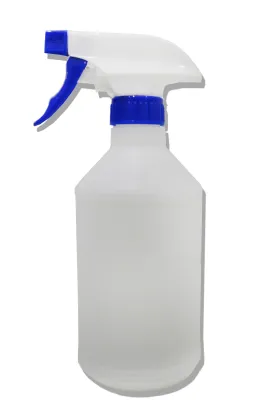
Prices are valid at publication and may change. Please refer to the product page for the latest price.

Cleaning Power vs. Paint Safety
The primary trade-off in automotive degreasers lies between alkalinity and surface safety. Most heavy-duty degreasers are formulated with a high pH, making them highly alkaline. While alkaline chemicals are exceptionally efficient at dissolving grease, oil, and organic matter, they can be highly corrosive to clear coats, plastics, and aluminum. A high-quality automotive brand must offer enough chemical activity to emulsify grease without crossing the threshold into surface degradation. For regular car washing, you should look for brands that explicitly state their compatibility with clear-coated paints or choose formulas that can be safely diluted to a mild, paint-safe pH level.
Dilution Ratios and Cost-Effectiveness
Evaluating the cost of a super degreaser requires looking beyond the upfront retail price of the bottle. Many professional-grade brands are sold as super-concentrated liquids that require significant dilution before use, whereas consumer-grade products are often sold pre-diluted in ready-to-use spray bottles.
To determine the true cost-effectiveness, calculate the cost per diluted liter in Philippine Pesos (₱). For example, if a 1-liter bottle of concentrated degreaser costs ₱1,200 and recommends a 1:10 dilution ratio for general wheel cleaning, it will yield 11 liters of usable solution, costing approximately ₱109 per liter. In contrast, a ready-to-use spray bottle priced at ₱350 for 500 milliliters yields a cost of ₱700 per liter. Concentrated formulas not only save money over time but also allow you to adjust the strength of the chemical to suit different parts of the vehicle.
Surface Compatibility
Modern vehicles are constructed from a complex mix of materials, including clear-coated sheet metal, textured plastics, synthetic rubber weatherstripping, chrome-plated trim, and anodized or polished aluminum wheels. A chemical that is perfectly safe for a cast-iron engine block can easily stain, dull, or etch these sensitive exterior materials.
Before purchasing any brand, verify its surface compatibility by reading the product packaging or the manufacturer’s technical data sheets. Look for products that explicitly state they are safe for clear coats, rubber, and plastics. If a product label only mentions suitability for engines, heavy machinery, or concrete floors, it should never be allowed to come into contact with your car’s exterior paint or delicate trim pieces.
Evaluating Degreaser Formulations Available in the Philippines
To make an informed decision when browsing local automotive supply stores or e-commerce platforms, it is helpful to categorize degreasers by their active chemical formulations. Understanding these categories allows you to predict how a product will perform and how safely it will interact with your vehicle.
Citrus-Based / d-Limonene Degreasers
Citrus-based degreasers utilize d-limonene, a natural solvent extracted from the peels of citrus fruits, as their primary active ingredient. These formulas are highly popular among DIY detailers due to their pleasant scent and moderate cutting power.
- Pros: They are exceptionally effective at dissolving organic contaminants such as road tar, tree sap, bug splatter, and light grease. When properly diluted, citrus degreasers are generally much safer for clear coats and plastic trim than harsh petroleum-based solvents.
- Cons: Despite their organic origins, citrus degreasers are still powerful solvents. If they are used completely undiluted or allowed to dry on the surface, they can strip away protective waxes, degrade paint sealants, and leave dull patches on sensitive plastics.
Heavy-Duty Alkaline Degreasers
Alkaline degreasers rely on strong chemical bases, such as sodium hydroxide, potassium hydroxide, or sodium metasilicate, to break down stubborn grease through a process called saponification, which converts fats and oils into water-soluble soaps.
- Pros: These formulas offer unmatched cleaning power. They are the premier choice for detailing heavily soiled engine bays, cleaning greasy suspension components, and removing thick, baked-on brake dust from factory-painted wheels.
- Cons: Alkaline cleaners carry the highest risk of damage. They can quickly etch bare or polished aluminum, dry out rubber hoses, turn black plastic trim a chalky white, and cause chemical burns on bare skin. They must be handled with extreme care and diluted precisely according to the manufacturer's instructions.
Water-Based / Emulsifying Degreasers
Water-based emulsifying degreasers use advanced surfactant technology to lower the surface tension of water, allowing it to penetrate, surround, and suspend oil molecules so they can be easily rinsed away.
- Pros: These products are highly versatile, often biodegradable, and generally much safer for a wider variety of automotive surfaces. They are less prone to causing immediate chemical etching compared to strong alkaline formulas and are easier to rinse clean without leaving behind a greasy residue.
- Cons: Because they lack aggressive chemical solvents or high alkalinity, water-based emulsifiers may require more physical agitation with detailing brushes or microfiber wash mitts to completely lift heavy, baked-on grease.
Verifying Brand Suitability on the Label
Rather than relying on unverified online claims or generic marketing promises, you should always verify a brand’s chemical properties directly from its documentation. Look for the product’s pH level on the label or in its online Safety Data Sheet (SDS). A pH between 7 and 9 is generally safe for mild exterior cleaning, while a pH of 11 or higher indicates a highly alkaline formula that must be restricted to heavy-duty tasks and diluted heavily. Always check for explicit statements on the packaging, such as “safe for clear coats” or “non-corrosive to metals,” to ensure the brand meets your specific detailing safety standards.
Safe Application: Protecting Your Vehicle in a Tropical Climate
Using a super degreaser in the Philippines requires special precautions due to the country’s tropical climate. High ambient temperatures, intense sunlight, and high humidity significantly accelerate chemical reactions, which drastically reduces your working time and increases the risk of accidental damage.
The Importance of Dilution
Never use a concentrated super degreaser at full strength on your vehicle’s exterior paint. Always consult the product label for the manufacturer’s recommended dilution ratios for different cleaning tasks. Use a clean, dedicated plastic spray bottle and a precise measuring cup to mix the chemical with clean water. If you are unsure of the surface’s sensitivity or the chemical’s strength, start with a highly diluted mixture (such as 1 part degreaser to 10 or 20 parts water) and only increase the concentration if the grime remains unaffected.
Temperature and Dwell Time
In a tropical climate, automotive panels can easily reach temperatures exceeding 50°C when exposed to the sun. Applying a chemical degreaser to a hot panel will cause the water carrier to evaporate almost instantly, leaving behind a highly concentrated chemical residue that can permanently etch the clear coat or stain plastic trim.
Always work in a fully shaded area, preferably during the cooler morning or late afternoon hours. Ensure that the vehicle’s panels are cool to the touch before applying any cleaning chemicals. Never allow a degreaser to dry on the surface; keep the dwell time short—typically between 1 to 3 minutes, depending on the manufacturer’s instructions—and mist the surface lightly with water if you notice it beginning to dry.
Agitation and Rinsing
While chemical degreasers do most of the heavy lifting, some mechanical agitation is usually necessary to break the bond of stubborn road grime. Use soft-bristled detailing brushes for intricate areas like wheel lug nuts, grille mesh, and engine bay crevices. For lower body panels, use a dedicated microfiber wash mitt that is kept separate from the mitt used on the upper portions of the car to avoid cross-contamination with abrasive road grit.
Once the grime is loosened, rinse the area thoroughly with a high-pressure washer or a strong stream of clean water. It is vital to flush all traces of the chemical out of body seams, panel gaps, and crevices where trapped degreaser could continue to react with metals or plastics over time.
Personal Protective Equipment (PPE) and Safety
Because concentrated degreasers are formulated to break down organic fats, they will easily strip the natural oils from your skin, leading to severe dryness, irritation, or chemical burns. Always wear chemical-resistant nitrile gloves and protective safety goggles when measuring, diluting, and spraying degreasers. Work in a well-ventilated outdoor space to avoid inhaling chemical mists or strong solvent vapors.
Before applying any chemical to your vehicle, check the product’s label and your vehicle manufacturer’s care instructions. If the instructions conflict, if the material of the treated surface is unidentified, or if the specific use case is not covered on the product packaging, stop immediately and consult the manufacturer or a qualified automotive detailing professional.
Decision Framework: Which Degreaser Type Fits Your Washing Routine?
To choose the right product and avoid damaging your car, use this structured framework to match your detailing goals with the appropriate chemical formulation:
- Choose a Citrus-Based / All-Purpose Degreaser if: Your primary goal is to clean moderate road grime, muddy wheel wells, greasy tire sidewalls, and lower rocker panels during your regular wash routine. These formulas provide excellent cleaning power for organic soils while remaining relatively safe for surrounding clear coats and plastics when properly diluted.
- Choose a Heavy-Duty Alkaline Degreaser if: You are performing deep maintenance on an engine bay, cleaning a heavily soiled bare-metal undercarriage, or removing thick, baked-on brake dust from factory-painted alloy wheels. You must be prepared to wear full protective gear, dilute the product precisely, and carefully avoid contact with delicate body paint, rubber seals, and aftermarket polished aluminum parts.
- Choose a pH-Neutral or Mild Emulsifier if: You are performing a routine maintenance wash on a vehicle that is already protected by a wax, polymer sealant, or ceramic coating, and your only goal is to lift light road film without stripping away your existing paint protection.
- Verify Compatibility First: Before applying any brand of super degreaser to your entire vehicle, always check the product label to ensure it explicitly states safety for clear coats, plastics, and rubber. Test the diluted solution on a small, hidden area of the vehicle first to observe how the material reacts before proceeding with the full application.
Frequently Asked Questions (FAQ)
Can I use a super degreaser instead of regular car shampoo?
No, you should not use a super degreaser as a direct replacement for regular car shampoo. Car shampoos are specifically engineered with high lubricity to allow wash mitts to glide safely over the paint, trapping and lifting abrasive dirt particles without scratching or swirling the clear coat. They also feature a neutral pH to preserve existing waxes and sealants. Super degreasers lack this essential lubricity and are designed to strip away oils and waxes. Using them for a general wash increases the risk of scratching your paint, drying out rubber weatherstripping, and leaving the clear coat completely unprotected against UV damage and environmental contaminants.
Will a super degreaser remove my car's wax or ceramic coating?
Yes, strong alkaline or solvent-based super degreasers will quickly strip away traditional carnauba waxes and synthetic polymer sealants. Professional detailers often use this stripping ability to clean the paint thoroughly during the preparation phase before applying new protection. While high-quality ceramic coatings are much more chemically resistant, repeated exposure to highly concentrated, aggressive degreasers can still degrade the coating’s hydrophobic properties and shorten its overall lifespan. If your vehicle has a protective coating, always use a mild, pH-neutral wash or a degreaser specifically labeled as safe for ceramic-coated surfaces.
How often should I use a degreaser on my car?
There is no rigid schedule for using a degreaser; instead, apply it conditionally based on your driving environment and the specific area of the vehicle. For daily-driven cars in the Philippines that frequently encounter muddy provincial roads, waterlogged streets during the monsoon season, or heavy urban soot, you may need to use a diluted citrus degreaser on the lower body panels and wheel wells every few weeks. For cars driven primarily in clean city environments, reserve degreasing for quarterly deep cleans, engine bay detailing, or as a surface preparation step before applying a fresh layer of wax or sealant.

Community discussion
Share your experience or ask a question. Comments are reviewed before publication.