
Choosing the right spark plug for your Toyota Wigo depends on your driving habits, maintenance budget, and how often you want to visit the service shop. While the Wigo is a highly efficient hatchback designed for practical daily commuting, its small-displacement engine relies heavily on a healthy ignition system to maintain fuel economy and smooth performance. Upgrading or replacing your spark plugs involves choosing between three primary materials: copper, platinum, and iridium. Each material offers a distinct balance of electrical conductivity, durability, and upfront cost.
To make the best decision, you must weigh the initial purchase price against the long-term service life of each plug type. Copper plugs offer excellent conductivity at a lower price point but require frequent replacements. Platinum serves as a durable middle-ground option, while iridium represents the premium choice, offering maximum longevity and consistent ignition under demanding tropical driving conditions. Understanding how these materials interact with your Wigo’s engine is the key to keeping your hatchback running efficiently on local roads.
Understanding Your Toyota Wigo's Spark Plug Requirements
Before comparing electrode materials, you must establish the baseline specifications required by your Toyota Wigo’s engine. The Wigo has been equipped with different engine variants over its generations, such as the 1.0-liter three-cylinder engine. Because of these variations, you should never assume a spark plug is compatible simply because the box mentions a general engine size. Your first step must always be to consult your owner’s manual or locate the under-hood emissions and specification placard to identify the exact original equipment manufacturer (OEM) part number, thread size, thread reach, hex size, and recommended spark plug gap.
Products mentioned in this guide
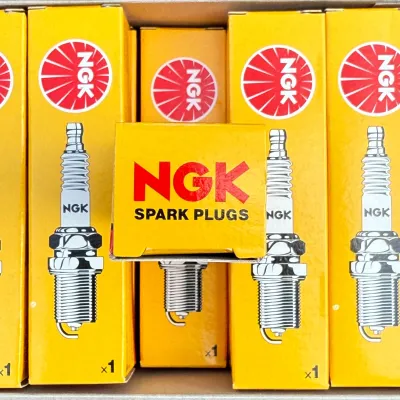
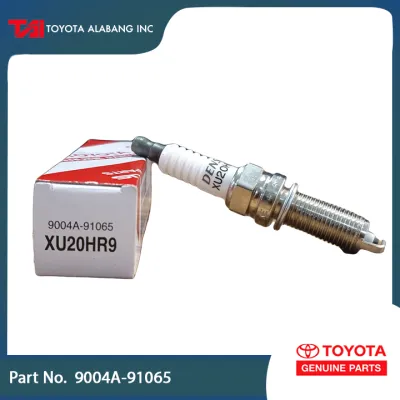
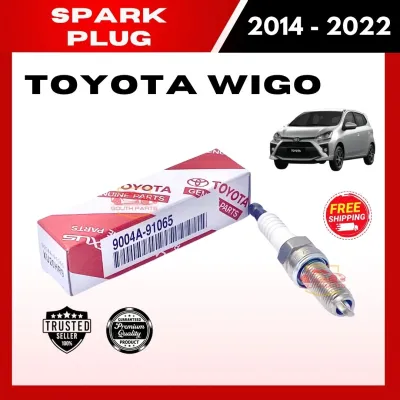
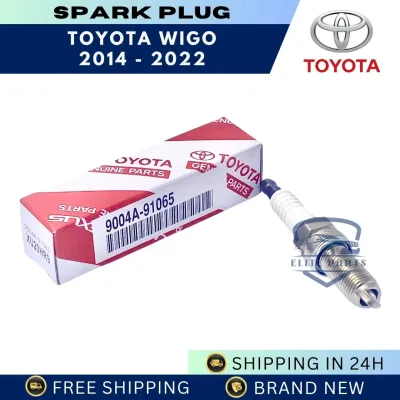
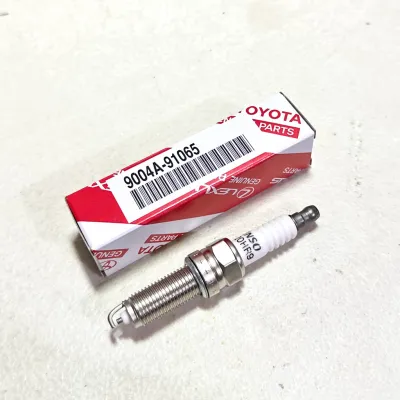
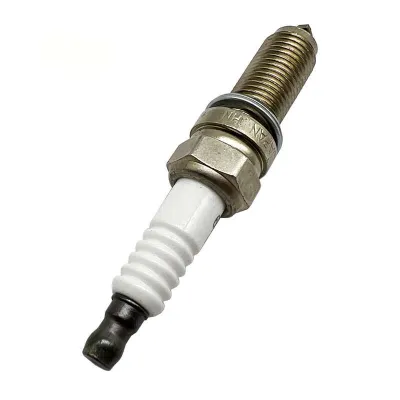
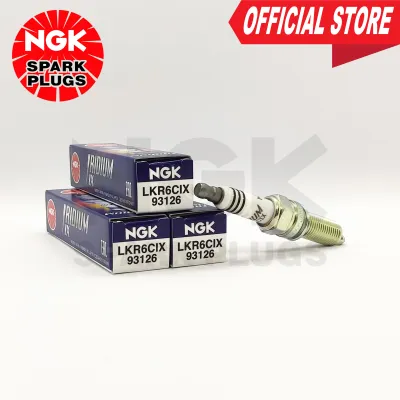
Prices are valid at publication and may change. Please refer to the product page for the latest price.
While upgrading to a more durable material like platinum or iridium is a common practice, the physical dimensions of the plug must remain identical to the factory specifications. A spark plug that is too long can physically strike the piston, causing catastrophic and expensive engine damage. Conversely, a plug that is too short will position the spark too far up in the combustion chamber, leading to incomplete combustion, misfires, and a severe loss of power. Additionally, the heat range—which dictates how quickly the plug transfers heat from the combustion chamber to the cylinder head—must match the manufacturer’s specification to prevent pre-ignition or carbon fouling.
If you have purchased your Wigo secondhand, if the owner’s manual is missing, or if the engine has undergone aftermarket modifications, verifying these specifications becomes even more critical. In such cases, you should consult a qualified mechanic or visit an authorized dealership to retrieve the correct part specifications. Do not rely on unverified online forums or generic compatibility charts on ecommerce platforms, as even minor discrepancies in model years or engine codes can lead to purchasing the wrong ignition components.
Comparing Copper, Platinum, and Iridium Spark Plugs
The primary difference between copper, platinum, and iridium spark plugs lies in the metal used to construct the center electrode. This material directly influences the plug’s melting point, resistance to electrical erosion, and overall wear rate over time. While many drivers believe that upgrading to a premium material will instantly boost horsepower, the primary benefit of premium metals is actually longevity and spark consistency rather than a fundamental increase in engine power.

A spark plug must withstand extreme temperatures and high-voltage electrical arcs thousands of times per minute. As the electrode wears down, the gap between the center and ground electrodes gradually widens, requiring more voltage from the ignition coils to produce a spark. Choosing the right material allows you to manage how quickly this wear occurs, directly affecting your vehicle’s maintenance schedule and long-term operating costs.
Copper Spark Plugs
Copper spark plugs are often referred to as standard plugs, featuring a solid copper core encased in a nickel-alloy outer coating. Copper is an exceptional conductor of electricity and heat, allowing the plug to deliver a strong, clean spark while running relatively cool. This high conductivity makes copper plugs highly efficient in standard engine designs that do not subject the ignition system to extreme thermal stress.
However, the nickel alloy used on the tip of a copper plug is a relatively soft metal compared to precious metals. Under the constant heat and electrical pressure of daily driving, the nickel electrode erodes much faster than platinum or iridium. This rapid wear rate means the electrode gap widens quickly, requiring you to replace copper plugs at much shorter intervals to prevent engine misfires and rough idling.
The primary advantage of copper spark plugs is their low upfront cost, with prices in Philippine Pesos (₱) being significantly lower per plug than precious metal alternatives. If you strictly adhere to a frequent preventive maintenance schedule and do not mind the labor involved in regular replacements, copper plugs remain a highly functional and cost-effective choice for keeping your Wigo running smoothly.
Platinum Spark Plugs
Platinum spark plugs represent a significant step up in durability by incorporating a small platinum disc welded to the tip of the center electrode. Because platinum is much harder than the nickel alloy found on standard copper plugs, it is highly resistant to spark erosion and chemical wear. This hardness allows the plug to maintain its factory-set gap for a much longer period, ensuring consistent combustion over many thousands of kilometers.
For Toyota Wigo owners, platinum plugs offer a practical middle ground that balances upfront cost with extended service intervals. They are particularly well-suited for drivers who want to avoid the hassle of frequent spark plug changes but are not ready to invest in premium iridium options. The extended lifespan of platinum plugs means you spend less time at the auto shop and less money on routine maintenance labor.
When shopping for platinum plugs, you may also encounter double-platinum variants, which feature platinum on both the center electrode and the ground electrode. These are designed specifically for waste-spark ignition systems where the spark jumps in both directions. Always verify your Wigo’s specific ignition design in the owner’s manual to determine if a single-platinum or double-platinum plug is required for proper operation.
Iridium Spark Plugs
Iridium spark plugs are the premium option for modern vehicles, utilizing an extremely hard precious metal with an exceptionally high melting point. Because iridium is roughly six times harder than platinum, manufacturers can design these plugs with an ultra-fine wire center electrode. This extremely thin tip concentrates the electrical spark, requiring significantly less voltage from your Wigo’s ignition coils to jump the gap and ignite the air-fuel mixture.
The reduced voltage requirement of iridium plugs translates to more reliable starting, smoother idling, and highly efficient combustion, even under challenging engine loads. Furthermore, because iridium resists wear better than any other spark plug material, these plugs offer the longest standard service intervals available. While the initial purchase price in Philippine Pesos (₱) is higher, the long-term savings on labor and the peace of mind of a highly durable ignition system make them a popular choice.
Before installing premium iridium plugs, it is highly recommended to ensure that your Wigo’s ignition coils and spark plug wires are in good working condition. Because iridium plugs are designed to last through major service milestones, pairing them with worn or failing ignition coils can prevent you from experiencing the full benefits of their longevity and consistent performance.
Evaluating Value and Replacement Intervals for Your Driving Habits
To determine which spark plug type offers the best value for your Toyota Wigo, you must evaluate your typical driving habits alongside the local driving environment. Driving in the Philippines presents unique challenges, including intense tropical heat, high humidity, and severe stop-and-go traffic in major metropolitan areas. These conditions subject your engine to prolonged idling and high operating temperatures, which can accelerate spark plug wear and carbon accumulation.
When calculating the true cost of your spark plugs, look beyond the initial purchase price and consider the cost per kilometer, which includes both the parts and the mechanic’s labor fees. For example, while copper plugs are highly affordable upfront, the cumulative cost of frequent replacements and repeated labor charges can quickly surpass the one-time cost of a premium plug. Conversely, if you plan to sell the vehicle soon or drive very few kilometers annually, a standard copper plug might be the most practical financial choice.
You can use a simple decision framework to guide your purchase:
- Choose Copper if you are on a strict budget, prefer doing your own basic maintenance, and do not mind replacing the plugs at frequent intervals.
- Choose Platinum if you want a reliable, set-and-forget option that offers a balanced lifespan and moderate pricing without requiring frequent trips to the mechanic.
- Choose Iridium if you want to maximize the time between service visits, reduce wear on your ignition coils, and ensure the most consistent engine performance under harsh city driving conditions.
How to Verify Compatibility and Make Your Final Choice
Before purchasing any spark plugs for your Toyota Wigo, you must perform a thorough compatibility check to ensure the safety and reliability of your engine. Start by verifying the physical dimensions of the replacement plug against your OEM specifications. This includes checking the thread diameter, thread pitch, reach (the length of the threaded portion), and the hex size required for your spark plug socket. Even a minor mismatch in thread pitch can strip the threads in your engine’s aluminum cylinder head, resulting in a highly expensive repair.
Next, verify that the heat range of the replacement plug matches the manufacturer’s recommendation exactly. Spark plug manufacturers use numbering systems to indicate heat ranges, but these scales are not standardized across different brands; a higher number might mean a colder plug in one brand and a hotter plug in another. Never arbitrarily switch to a hotter or colder plug unless your engine has been professionally modified and tuned for specific performance requirements, as an incorrect heat range can cause severe engine knocking or rapid carbon buildup.
Finally, establish a strict safety stop condition before proceeding with installation. If the product packaging does not clearly list the specifications, if the part number cannot be cross-referenced with your Wigo’s manual, or if your vehicle is currently experiencing unresolved engine misfires or check engine lights, do not install the new plugs. Stop immediately and consult a qualified automotive professional to diagnose any underlying ignition or fuel system issues before introducing new components.
Frequently Asked Questions (FAQ)
How can I tell if my Toyota Wigo's spark plugs need replacing?
You can identify worn spark plugs by paying attention to several common engine symptoms. If your Wigo experiences a rough or vibrating idle, difficulty starting in the morning, sluggish acceleration when merging into traffic, or a sudden, unexplained drop in fuel efficiency, the spark plugs may be worn out. You should also check your vehicle’s odometer against the maintenance schedule in your owner’s manual to see if you are due for a replacement. For a definitive check, a mechanic can perform a visual inspection of the plugs; heavy carbon deposits, oil fouling, or a visibly worn and rounded electrode tip are clear indicators that it is time to install a new set.
Is it safe to switch from copper to iridium spark plugs?
Yes, it is entirely safe to upgrade from copper to iridium spark plugs, provided that the replacement plugs match the exact physical dimensions and heat range specified by Toyota for your Wigo’s engine. Upgrading to iridium can improve ignition reliability and significantly extend the time between spark plug replacements. However, you must avoid changing the electrode gap or selecting a different heat range without professional guidance, as doing so can lead to engine knocking or incomplete combustion. Always double-check the spark plug manufacturer’s application guide to ensure the specific iridium part number is officially compatible with your Wigo’s model year and engine code.

Community discussion
Share your experience or ask a question. Comments are reviewed before publication.