
Choosing the right spark plug for your Honda Click 125i comes down to balancing upfront cost, maintenance frequency, and your daily riding conditions. While standard copper, platinum, and iridium spark plugs all serve the same fundamental purpose—igniting the air-fuel mixture in your engine—they differ significantly in their physical durability, thermal properties, and long-term value. In the tropical climate of the Philippines, where daily commutes often involve navigating dense, stop-and-go traffic under intense heat, selecting a spark plug that matches your riding habits is essential for maintaining smooth engine performance and reliable starting.
Material Differences: Copper, Platinum, and Iridium Explained
To make an informed decision, it is important to understand how the physical properties of these three electrode materials affect their behavior inside your scooter’s engine. The spark plug’s center electrode is subjected to extreme electrical voltage and combustion temperatures, meaning the wear rate of the material directly dictates how long the plug can function effectively before the gap widens and causes misfires.
Copper spark plugs, often referred to as standard plugs, feature a solid copper core with a nickel-alloy tip. Copper is an exceptional conductor of electricity and heat, allowing it to run relatively cool while delivering a strong, consistent spark. However, nickel is a softer metal compared to precious metals, meaning the electrode wears down at a faster rate under the constant electrical arcing of daily operation. Consequently, standard copper plugs require more frequent physical inspections and shorter replacement intervals to ensure the electrode gap remains within the manufacturer’s specified limits.
Products mentioned in this guide
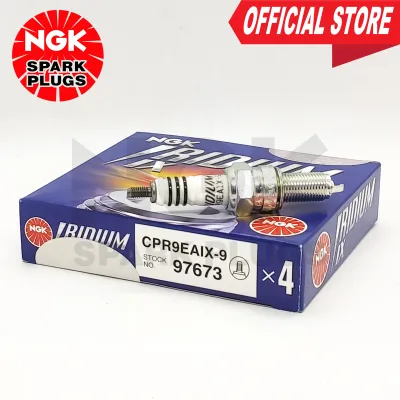
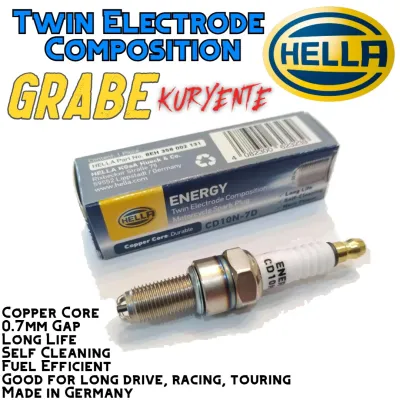
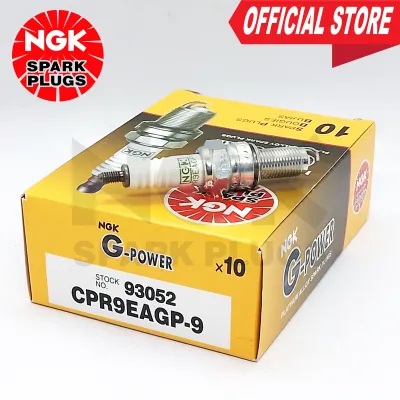
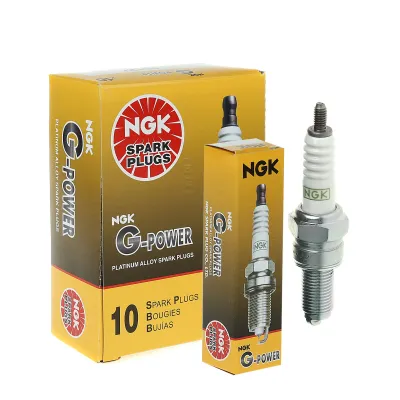
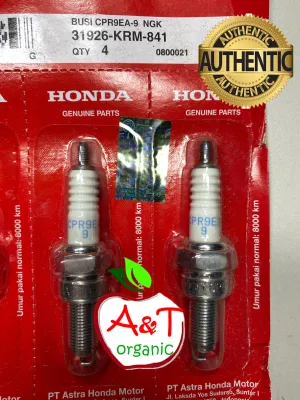
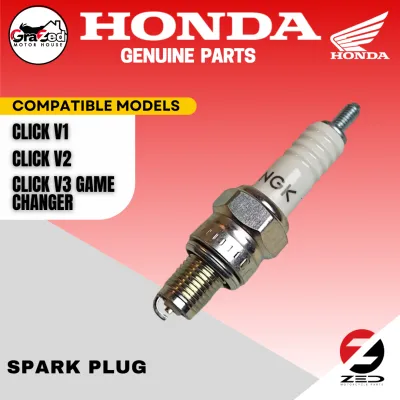
![Honda Genuine Spark Plug NGK CPR8EA-9 for Various Models [SEE DESCRIPTION]](https://img.lazcdn.com/g/p/453d10a98a46419ee6fa3ff672f88835.jpg_400x400q80.jpg_.webp)
Prices are valid at publication and may change. Please refer to the product page for the latest price.
Platinum spark plugs represent a step up in durability. These plugs feature a small platinum disc welded to the tip of the center electrode. Because platinum is significantly harder than nickel alloy and has a higher melting point, it resists electrical and chemical wear much better. This resilience allows the spark plug to maintain its original electrode gap for a longer duration under normal operating conditions, resulting in a longer service interval compared to standard copper. For riders who prefer a “set-and-forget” approach to routine maintenance, platinum offers a practical middle ground.
Iridium spark plugs utilize one of the hardest and most heat-resistant precious metals available. The extreme strength of iridium allows manufacturers to design a center electrode with a much finer tip than is possible with copper or platinum. This fine-wire design concentrates the electrical spark, requiring less voltage to jump the gap and ensuring highly reliable ignition even under demanding conditions. While iridium’s high melting point and exceptional durability offer the longest potential service life, any actual performance or efficiency gains depend heavily on your engine’s tuning and original equipment manufacturer (OEM) design. Rather than assuming a universal mileage limit, always consult the product packaging and your vehicle’s documentation for specific lifespan guidelines.
Critical Compatibility Checks Beyond the Material
While selecting the electrode material is a matter of personal preference and budget, matching the physical and electrical specifications of your Honda Click 125i is non-negotiable. Installing a spark plug with incorrect dimensions or heat ratings can lead to severe, costly engine damage.

Thread size and reach are the most critical physical dimensions to verify before purchasing. The spark plug must thread perfectly into the cylinder head and extend exactly the correct distance into the combustion chamber. If the thread reach is too short, the spark will be recessed, leading to poor combustion and carbon buildup on the exposed cylinder threads. If the reach is too long, the plug can physically collide with the piston or valves, causing catastrophic engine damage. Always cross-reference the exact part number with your scooter’s manual to ensure the thread diameter and length are correct.
The heat range of a spark plug determines its ability to transfer heat away from the combustion chamber to the cylinder head. Spark plugs are classified as “hot” or “cold” based on their thermal dissipation rates. If you install a plug that is too hot for your Honda Click 125i, it will retain excess heat, potentially causing pre-ignition, knocking, and melted electrodes. Conversely, a plug that is too cold will dissipate heat too quickly, failing to reach the self-cleaning temperature required to burn off carbon deposits, which leads to premature fouling and hard starting.
Electrode gap is another vital specification that directly influences ignition reliability. The gap is the precise distance between the center and ground electrodes. If the gap is too narrow, the spark may be too weak to ignite the fuel mixture efficiently; if it is too wide, the ignition coil may struggle to produce enough voltage to bridge the gap, causing misfires. You can find the required gap specification in your owner’s manual or on the information sticker located under the seat of your scooter. Always verify whether your new spark plug comes pre-gapped from the factory or requires manual adjustment with a feeler gauge.
Lastly, you must ensure the spark plug is a resistor-type model, typically designated by the letter “R” in the manufacturer’s part number. Modern scooters like the Honda Click 125i rely on sensitive electronic fuel injection (EFI) systems, sensors, and digital dashboards. A resistor plug contains an internal ceramic resistor that suppresses electromagnetic interference (EMI) generated by the spark. Using a non-resistor plug can disrupt these electronic components, leading to erratic engine behavior, sensor errors, or dashboard malfunctions.
How to Choose the Right Spark Plug for Your Riding Style
Selecting the right spark plug is not about finding a universal “best” option, but rather matching the material’s characteristics to your budget in ₱, maintenance habits, and daily riding environment.
You should choose a standard copper spark plug if you prioritize the lowest upfront cost in ₱ and do not mind performing regular maintenance. If you use your Honda Click 125i for light, standard commuting and strictly adhere to short-interval inspection schedules, copper is a highly cost-effective choice. Because copper plugs are inexpensive, replacing them frequently is a budget-friendly way to keep your ignition system fresh, provided you are willing to dedicate the time to check and swap them regularly.
A platinum spark plug is the ideal choice if you want a balanced, middle-ground option. If you want to reduce the frequency of opening up your scooter’s maintenance panels to check the spark plug, but are hesitant to pay the premium price of iridium, platinum offers excellent value. It provides a noticeable step up in longevity over copper, allowing you to ride with confidence for longer periods between inspections without a significant upfront investment.
You should choose an iridium spark plug if you prioritize long-term maintenance reduction and demand maximum reliability under harsh riding conditions. In the Philippines, daily riding often involves navigating heavy, stop-and-go traffic in intense tropical heat, which subjects the engine to prolonged idling and high thermal stress. Iridium’s high melting point and fine-wire electrode ensure consistent ignition performance even when the engine is running hot in congested city streets. While the initial cost in ₱ is higher, the extended service intervals mean you will replace the plug far less often, making it a highly practical choice for long-distance riders, daily delivery couriers, or anyone who wants to minimize maintenance hassle.
However, keep in mind that neither material will fit your needs if the correct heat range, thread size, or resistor specifications are unavailable. You must always prioritize matching the exact engine specifications of your Honda Click 125i over choosing a premium electrode material.
Safe Purchasing, Verification, and Installation Boundaries
To protect your scooter’s engine and ensure reliable performance, you must follow safe purchasing practices and understand the boundaries of DIY installation.
When purchasing a new spark plug, always buy from authorized dealers, official brand stores, or highly rated, verified sellers on reputable e-commerce platforms. Counterfeit spark plugs are a common issue in the automotive market. These fake plugs are often made with inferior materials that can break apart inside the combustion chamber, leading to catastrophic cylinder and piston damage. If a deal seems too good to be true, or if the packaging lacks official security labels, it is best to avoid it.
Before installing any spark plug, perform a thorough visual inspection. Check the ceramic insulator for any hairline cracks or chips that may have occurred during shipping or handling. A cracked insulator can allow electrical current to leak to the engine block, causing weak sparks or complete misfires. Additionally, inspect the electrode tip and ground strap to ensure they are clean, straight, and free of manufacturing defects.
During installation, you must respect the physical limits of the cylinder head. The cylinder head of the Honda Click 125i is made of aluminum, which is a relatively soft metal that can easily be stripped or cross-threaded. Always thread the new spark plug in by hand for the first few turns to ensure it is aligning correctly. If you feel any resistance, stop immediately, back the plug out, and try again. If you have access to a torque wrench, tighten the plug strictly to the manufacturer’s torque specifications. If you do not have the proper tools or do not feel confident in your ability to install the plug safely, stop and consult a qualified professional mechanic at a local service center.
Once the installation is complete, perform a post-installation check. Start your scooter and let it idle for a few minutes. Listen closely for any signs of rough idling, hesitation, or misfires, and check your digital dashboard for any warning lights. If the engine runs smoothly and responds cleanly to throttle inputs, your installation was successful. If you notice any unusual behavior, turn off the engine immediately and seek professional diagnostic assistance.
Frequently Asked Questions (FAQ)
Can I mix different spark plug brands or materials in my Honda Click 125i?
The Honda Click 125i is powered by a single-cylinder engine, which means it only uses one spark plug at a time. Therefore, mixing different brands or materials simultaneously is physically impossible. When it is time to replace your spark plug, you can choose to switch from one material to another (such as upgrading from copper to iridium), provided the new plug matches the exact physical dimensions, heat range, and resistor specifications required by the manufacturer.
How do I know if my current spark plug needs replacing?
You can identify a worn spark plug through several observable symptoms during your daily rides. Common signs include difficulty starting the engine, a rough or unstable idle, sluggish acceleration, or a noticeable drop in fuel efficiency. During routine maintenance, you can also physically inspect the plug; heavy carbon buildup, a rounded or worn-down center electrode, or a white, blistered insulator tip all indicate that the spark plug has reached the end of its useful life and needs to be replaced.
Does upgrading to an iridium spark plug increase my scooter's top speed?
Upgrading to an iridium spark plug will not increase your scooter’s top speed or engine displacement. The primary benefits of iridium are its exceptional durability, resistance to wear, and consistent ignition reliability under harsh conditions. Any perceived improvement in performance or throttle response after installing an iridium plug is typically because you replaced a worn-out, degraded spark plug with a fresh one, thereby restoring your engine to its optimal factory operating condition.

Community discussion
Share your experience or ask a question. Comments are reviewed before publication.