
Choosing the right spark plug for your Honda Supremo depends on balancing your upfront budget, how often you want to perform maintenance, and your typical riding conditions. While copper plugs offer excellent electrical conductivity at the lowest initial price, platinum and iridium alternatives provide significantly longer service lives and greater resistance to wear under high-heat conditions. For a daily commuter navigating heavy traffic and tropical heat, selecting the correct material ensures reliable ignition, consistent fuel efficiency, and smooth engine performance. Ultimately, there is no single universal winner; the best choice is the one that aligns with your maintenance habits and matches the exact technical specifications required by your motorcycle’s engine.
Understanding Spark Plug Material Differences
To make an informed decision, you must first understand how the core materials of a spark plug affect its operation. The spark plug’s primary job is to channel electrical energy from the ignition system across a small gap, creating a spark that ignites the air-fuel mixture inside the combustion chamber. The metal used to construct the center electrode determines how efficiently this spark is delivered and how well the plug resists the extreme heat and pressure of daily combustion.
Copper spark plugs are often referred to as standard or traditional plugs. In these designs, the core is made of solid copper, which is an exceptional conductor of electricity and heat. However, copper is a relatively soft metal with a low melting point compared to precious metals. To prevent the electrode from wearing down too quickly, copper plugs require a larger diameter electrode. This larger surface area requires more voltage to jump the gap over time as the metal gradually erodes under the stress of continuous electrical arcing.
Products mentioned in this guide
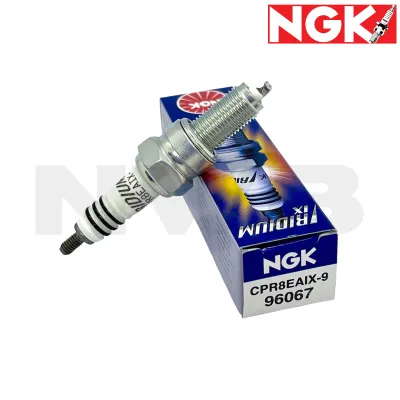
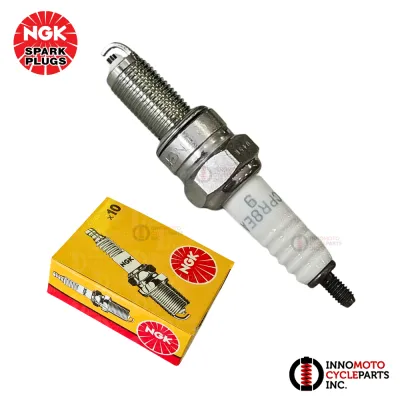
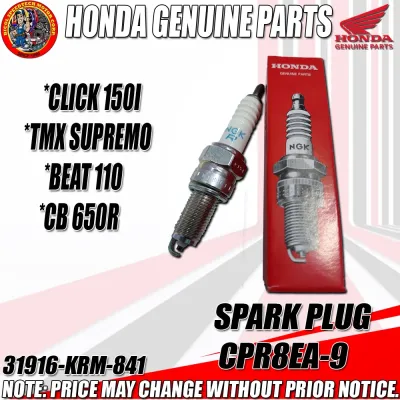
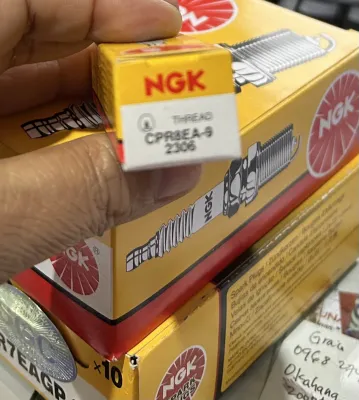
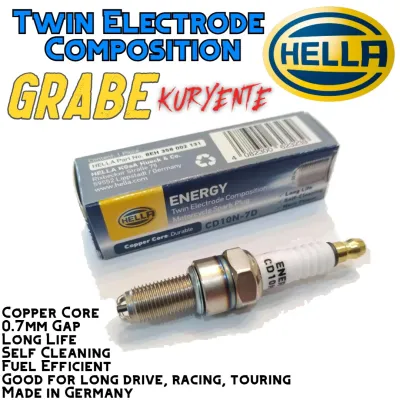
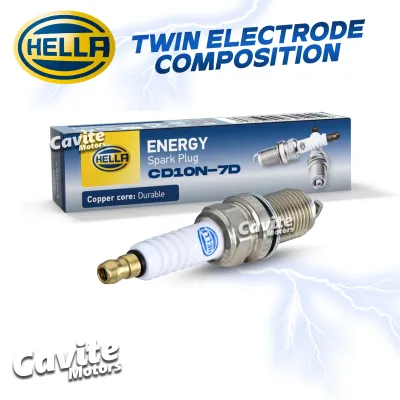
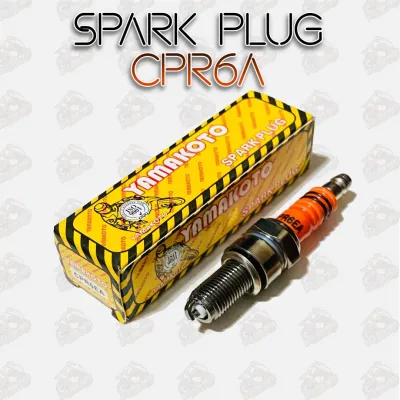
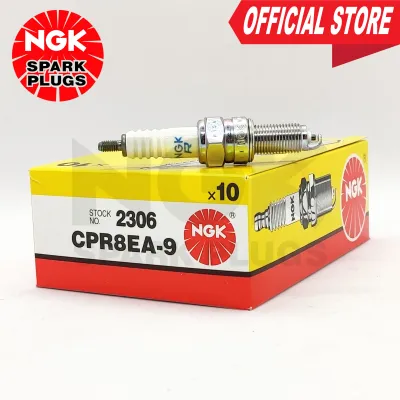
Prices are valid at publication and may change. Please refer to the product page for the latest price.
Platinum and iridium are precious metals characterized by their extreme hardness and high melting points. Because these materials are highly resistant to spark erosion and chemical corrosion, manufacturers can design them with much finer center electrodes. A thin electrode concentrates the electrical charge, allowing a spark to jump the gap with less voltage from the ignition coil. This design difference is particularly beneficial during cold starts or when the electrical system is under load.
Regardless of the material you choose, the heat range of the spark plug is a critical specification that must never be altered. The heat range refers to the plug’s ability to dissipate heat from its firing tip into the engine’s cooling system. A plug that runs too hot can cause pre-ignition, leading to severe engine damage, while a plug that runs too cold will accumulate carbon deposits, causing misfires. You must always verify that the replacement plug’s heat range matches the exact specifications designated for the Honda Supremo engine.
When shopping for a replacement, always inspect the product packaging and manufacturer labels to verify the material properties and electrode configurations. Do not assume that a premium material automatically translates to a higher heat tolerance or a different thread size. Every spark plug manufacturer uses a specific coding system on their packaging to denote these dimensions, and verifying these codes is the only way to ensure a safe and compatible fit.
Copper vs. Platinum vs. Iridium: A Practical Comparison
When comparing these three spark plug types for your Honda Supremo, you must evaluate how their physical properties translate to real-world ownership costs and maintenance routines in the Philippines. The local climate, characterized by high ambient temperatures and high humidity, places additional thermal stress on air-cooled motorcycle engines. Consequently, the durability of your spark plug directly impacts how often you will need to remove the spark plug cap for inspection or replacement.

The service life of a spark plug is directly tied to the hardness of its electrode material. Copper plugs wear down the fastest because the soft metal gradually erodes with every spark, widening the gap and requiring more voltage to fire. Platinum offers a significant step up in durability, resisting wear much better than copper. Iridium, being one of the hardest metals used in automotive applications, offers the highest resistance to spark wear and chemical degradation. To determine the exact service intervals for a specific plug, always check the manufacturer’s label on the product box, as actual longevity varies by brand and riding conditions.
Upfront cost is another major factor for Filipino riders. Copper spark plugs are highly affordable, making them an attractive option for budget-conscious owners who do not mind performing regular maintenance. Platinum plugs occupy a middle ground, costing more than copper but offering a noticeable extension in service life. Iridium plugs represent a premium investment, with a price tag that can be several times higher than copper. However, when you calculate the cost-per-kilometer over the lifespan of the plug, the reduced replacement frequency of iridium can offset its higher initial cost.
Maintenance frequency is closely linked to your choice of material. Because copper plugs wear faster, they require more frequent gap checks and adjustments to maintain optimal engine performance. If you choose copper, you must be prepared to inspect the electrode gap regularly using a feeler gauge. Platinum and iridium plugs, on the other hand, maintain their factory-set gap for much longer, significantly reducing the amount of time you spend performing routine ignition maintenance.
To help you visualize these differences, the table below outlines the practical trade-offs between the three spark plug materials.
| Material | Relative Cost (₱) | Maintenance Frequency | Best-Use Conditions |
|---|---|---|---|
| Copper | Low | High (Regular gap checks required) | Budget-friendly, short commutes, frequent DIY maintenance |
| Platinum | Moderate | Medium (Occasional inspections) | Daily commuting, balanced budget, moderate service life |
| Iridium | High | Low (Longest interval between checks) | Long-distance riding, heavy daily use, minimal maintenance downtime |
Note: Always check the manufacturer label on the specific product packaging to verify the exact mileage ratings and recommended service intervals for your chosen spark plug.
Matching the Spark Plug to Your Riding Habits and Budget
Selecting the right spark plug is not about finding the most expensive option; it is about matching the plug’s characteristics to your daily riding habits, maintenance preferences, and budget. The Honda Supremo is a reliable workhorse often used for daily commuting, business deliveries, or personal transport, meaning your choice should reflect how you actually use the motorcycle.
You should choose a copper spark plug if your primary goal is to minimize upfront expenses and you enjoy performing your own motorcycle maintenance. If you use your motorcycle mainly for short, low-stress trips around town where the engine does not run for extended periods, copper plugs are highly effective. Because they are inexpensive, replacing them at regular intervals during your routine oil changes is a simple and cost-effective way to keep your ignition system fresh.
A platinum spark plug is the ideal choice if you want a practical middle ground. If you use your Honda Supremo for daily commuting to work or school and want to avoid the hassle of frequent spark plug adjustments without spending a premium, platinum offers excellent value. It provides a stable spark and reliable starting performance over a longer period than copper, making it a “set-and-forget” option for the average rider.
You should consider upgrading to an iridium spark plug if you use your motorcycle for demanding tasks, such as long-distance travel, heavy cargo hauling, or commercial delivery services. Iridium is highly recommended if you want to minimize maintenance downtime and ensure the most reliable ignition performance under harsh, high-temperature conditions. However, before purchasing an iridium plug, you must verify that your engine’s ignition system is fully compatible with premium precious metal plugs.
It is important to note that no spark plug material can solve or bypass underlying mechanical issues. If your engine is burning oil, running excessively rich, or suffering from severe carbon buildup, even the most expensive iridium plug will rapidly degrade and fail. In such cases, you must diagnose and repair the mechanical issue before investing in a premium spark plug.
Finally, if you are considering upgrading from the original equipment manufacturer (OEM) standard plug, always verify that the new plug matches the physical dimensions of the original. An upgrade in material should never mean a compromise in thread size, reach, or heat range. Consult the product specifications carefully to ensure the premium plug is designed as a direct replacement for your specific motorcycle model.
Verifying Compatibility and Safe Installation Boundaries
Before purchasing any spark plug, you must verify its physical and thermal compatibility with your specific Honda Supremo model year. Installing a plug with the wrong specifications can lead to catastrophic engine damage, including piston collision or severe overheating. The most reliable way to find the correct specifications is to consult your official owner’s manual, which lists the exact OEM part number, thread size, thread reach, and heat range.
The physical dimensions of the spark plug are non-negotiable. The thread reach—the length of the threaded portion of the plug—must match the engine cylinder head perfectly. If the reach is too long, the plug will protrude too far into the combustion chamber, where it can be struck by the piston or valves. If the reach is too short, the spark will not be positioned correctly, leading to poor combustion and potential thread damage in the cylinder head. Similarly, using an incorrect heat range can cause the plug to run too hot, leading to destructive pre-ignition, or too cold, resulting in rapid carbon fouling.
Before installing a new spark plug, take a moment to perform a visual inspection of the old plug you are removing. The condition of the firing tip serves as an excellent diagnostic tool for your engine’s health. A healthy engine will typically produce a light tan or gray deposit on the spark plug tip. If the old plug is covered in heavy black soot (carbon fouling), your engine may be running too rich. If it is coated in wet black oil (oil fouling), oil may be leaking past your piston rings or valve guides. If the electrodes are melted or blistered, the engine is running too hot, which could indicate an incorrect heat range or a lean fuel mixture.
When installing the new spark plug, you must observe strict safety boundaries to prevent damage to the delicate aluminum threads of the cylinder head. Always begin threading the spark plug by hand to ensure it is properly aligned. If you encounter any resistance or binding, stop immediately, back the plug out, and check for cross-threading. Never force a spark plug into the cylinder head with a wrench.
Additionally, ensure the electrode gap is set correctly according to the manufacturer’s specifications before installation, using a dedicated gapping tool if necessary. If you encounter a seized spark plug during removal, do not apply excessive force, as this can strip the threads or snap the plug body. If you are unsure about the correct torque specifications, lack the proper tools, or encounter conflicting specification data, stop the process immediately and consult a qualified professional mechanic to complete the installation safely.
Frequently Asked Questions (FAQ)
Can I mix different spark plug brands or materials in my motorcycle?
No, you should never mix different spark plug brands, heat ranges, or electrode materials in your motorcycle’s engine. Because the Honda Supremo is a single-cylinder motorcycle, it only uses one spark plug, making mixing impossible on a single machine. However, if you own multiple motorcycles or are maintaining a fleet, always ensure that each individual engine uses a single, consistent spark plug specification. Mixing specifications or using a plug that does not match the manufacturer’s requirements can lead to unbalanced combustion, erratic idling, and potential engine damage.
How do I know if my current spark plug needs replacing?
You can identify a worn or failing spark plug through both physical inspection and observable riding symptoms. During a visual check, look for rounded or heavily eroded electrodes, a widened gap, thick carbon deposits, or wet oil fouling on the firing tip. On the road, a failing spark plug will manifest as hard starting (especially in the morning), frequent engine misfires, a rough or unstable idle, sluggish acceleration, and a noticeable drop in fuel efficiency. If you experience any of these symptoms, inspect your spark plug immediately and replace it if it shows signs of wear.

Community discussion
Share your experience or ask a question. Comments are reviewed before publication.