
Operating a diesel-powered vehicle in the Philippines presents a unique set of mechanical challenges. Whether navigating the congested, slow-moving traffic of metropolitan areas or hauling heavy loads up steep mountain passes, your engine is subjected to relentless thermal stress. To keep these high-compression powerplants running reliably, the choice of diesel coolant is critical. For diesel engines operating in a tropical climate, the most important coolant properties are a high pressurized boiling point, exceptional thermal conductivity, and robust chemical protection against cavitation and corrosion. Selecting a fluid with these specific characteristics ensures that the engine can transfer heat efficiently even when ambient temperatures soar, preventing catastrophic component failures and maintaining long-term durability.
Why Tropical Heat Demands More from Diesel Coolants
Diesel engines are inherently designed to operate under immense pressure. Unlike gasoline engines, which use spark plugs to ignite a fuel-air mixture, diesels rely on high compression ratios to generate the heat necessary for auto-ignition. This process results in significantly higher combustion pressures and localized temperatures within the cylinder heads and engine block. Consequently, a diesel engine generates a massive thermal load that must be continuously managed by the cooling system to prevent metal warping, head gasket failure, and oil degradation.
In the Philippines, this internal thermal load is compounded by external environmental factors. The tropical climate features high ambient temperatures—often exceeding 35 degrees Celsius—and high relative humidity. A vehicle’s radiator relies on the temperature difference between the hot coolant flowing through its tubes and the cooler ambient air passing through its fins. When the surrounding air is hot and humid, this temperature differential shrinks, drastically reducing the radiator’s heat dissipation efficiency. During heavy traffic jams where airflow across the radiator is minimal, the cooling system must rely entirely on electric or clutch-driven fans, pushing the system to its operational limits.
Products mentioned in this guide

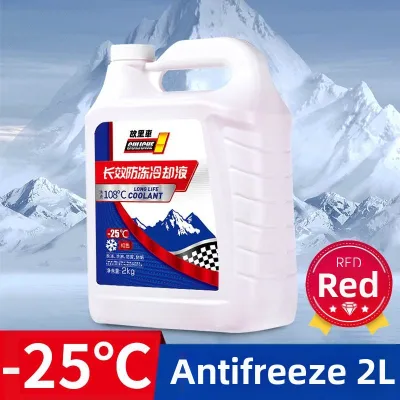
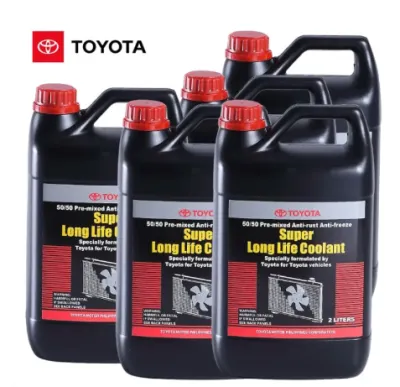
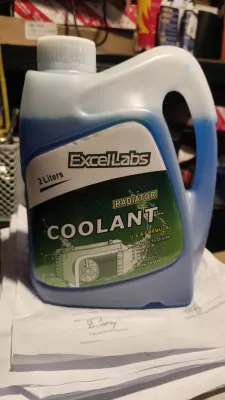
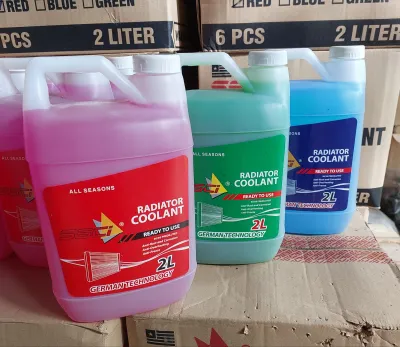
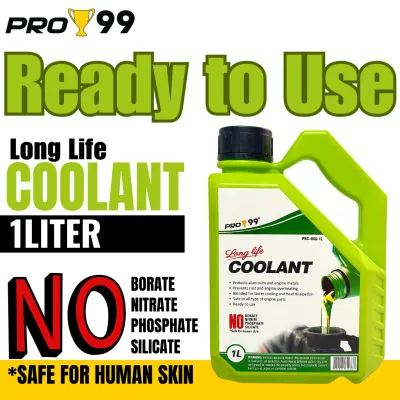

Prices are valid at publication and may change. Please refer to the product page for the latest price.
This continuous, high-heat operation accelerates the chemical degradation of the coolant itself. High operating temperatures speed up the depletion of protective additives and corrosion inhibitors. If the fluid’s properties are not specifically formulated to withstand this dual stress of high internal combustion heat and intense ambient temperatures, the coolant can break down rapidly. This leads to localized boiling, vapor pockets, acid formation, and eventual boil-over, leaving vital engine components completely unprotected.
Boiling Point and Heat Transfer: Optimizing Diesel Coolant for Tropical Heat
To prevent the engine from overheating during prolonged idling under the tropical sun, a high boiling point is non-negotiable. If a coolant reaches its boiling point inside the engine block, it transforms into steam. Steam is an extremely poor conductor of heat compared to liquid fluid; this transition creates vapor pockets that trap heat inside the cylinder head, leading to rapid localized warping and cracked castings. To raise the boiling point, modern cooling systems are pressurized. However, the physical properties of the diesel coolant itself must provide an adequate thermal margin.

The boiling point of the cooling fluid is directly determined by its chemical composition and water-to-glycol ratio. Ethylene glycol or propylene glycol is mixed with water to raise the boiling point and lower the freezing point. While freezing protection is irrelevant in the Philippines, the boiling protection remains vital. A standard 50/50 mixture of glycol and water under a typical 15 psi radiator pressure cap raises the boiling point to approximately 129 degrees Celsius. However, readers must check the product label for the recommended mix ratio optimized for tropical climates rather than cold-weather formulas.
While glycol raises the boiling point, water is actually the primary medium responsible for heat transfer. Water has a significantly higher specific heat capacity than glycol, meaning it can absorb and transport heat much more effectively. If the concentration of glycol is too high—such as running a 70/30 or pure glycol mix—the fluid’s heat transfer efficiency drops dramatically. The coolant acts as an insulator rather than a conductor, causing the engine to run hotter. Conversely, running pure water lacks the necessary boiling point elevation and corrosion inhibitors, leading to rapid boiling and system damage.
When selecting a diesel coolant, always read the product label to verify the specific boiling point at the recommended dilution ratio. Ensure that this boiling point is compatible with your vehicle’s radiator pressure cap rating. A higher-pressure cap raises the boiling point further, but the entire system—including hoses, gaskets, and the radiator core—must be rated for that pressure. Always consult the vehicle manufacturer’s specifications to determine the correct pressure cap and coolant mixture ratio for your specific model.
Corrosion and Cavitation Protection for Diesel Engines
Beyond managing thermal loads, a diesel coolant must defend against a highly destructive physical phenomenon known as cylinder liner cavitation. Because of the high compression ratios and intense combustion forces in diesel engines, the cylinder walls vibrate violently. As the liner wall flexes inward, it creates a temporary low-pressure zone in the surrounding coolant, causing microscopic vapor bubbles to form. When the liner wall flexes back outward, the pressure spikes instantly, causing these bubbles to implode violently against the metal surface.
These micro-implosions generate localized pressures of up to 100,000 psi, which physically blast away microscopic particles of cast iron or aluminum. Over time, this repetitive pitting can drill a hole straight through the cylinder liner, allowing coolant to enter the combustion chamber or mix with the engine oil. This process, known as cavitation erosion, is unique to diesel engines and is severely exacerbated by high operating temperatures.
To combat cavitation, heavy-duty diesel coolants are formulated with specialized chemical inhibitors. Conventional heavy-duty coolants rely on Supplemental Coolant Additives (SCAs), such as nitrites or molybdates, which form a thin, sacrificial protective film on the wet sleeve liners to absorb the impact of the imploding bubbles. However, these SCAs deplete over time and require regular testing and replenishment. In contrast, modern Organic Acid Technology (OAT) and Hybrid Organic Acid Technology (HOAT) extended-life coolants use carboxylate-based inhibitors that offer long-term protection without the need for manual SCA replenishment.
Sustained high heat in tropical climates accelerates the chemical depletion of these protective inhibitors. If the inhibitors are exhausted, the engine’s internal components—including aluminum cylinder heads, cast iron blocks, copper-soldered radiator joints, and water pump impellers—become highly vulnerable to rapid corrosion and cavitation. When purchasing a diesel coolant, look for explicit compliance with heavy-duty diesel manufacturer specifications (such as ASTM D6210 or specific OEM approvals) listed on the bottle. Avoid relying on generic “universal” or passenger-car coolant claims, as they often lack the robust anti-cavitation chemistry required to protect diesel cylinder liners.
Checking and Maintaining Coolant in High-Temperature Conditions
Maintaining your diesel engine’s cooling system in a high-temperature environment requires regular, proactive maintenance. The first step is a safe visual inspection. With the engine completely cold, check the coolant level in the expansion tank. Inspect the color and clarity of the fluid. The coolant should be bright, translucent, and free of debris. If the fluid appears muddy, brown, or has a distinct rusty color, it indicates that the corrosion inhibitors have depleted and internal rust is forming. If you observe a milky, creamy layer or oily sheen on top of the coolant, this is a sign of oil contamination, which typically points to a failed head gasket or oil cooler.
Testing the chemical health of the coolant is just as important as checking its level. While many drivers assume that testing is only necessary in freezing climates, measuring the concentration and inhibitor strength is vital in tropical regions to ensure boiling and corrosion protection are maintained. A refractometer is the most accurate tool for measuring the glycol-to-water ratio, as it measures the refractive index of the liquid. Alternatively, specialized coolant test strips can be used to check the pH level and the concentration of anti-cavitation additives like nitrites.
Safety must always be your top priority when performing any cooling system maintenance. Never attempt to open a hot radiator cap or overflow tank cap. Under operating conditions, the coolant is superheated and pressurized; opening the cap releases this pressure instantly, causing boiling fluid and steam to spray out violently, which can result in severe, life-altering burns. Always wait until the engine has cooled completely to the touch before opening any part of the system. Additionally, refer to your vehicle owner’s manual to verify the exact coolant type required, the correct dilution instructions, and the recommended flush-and-fill intervals.
There are several scenarios where DIY maintenance is insufficient, and you must consult a qualified professional mechanic. If your vehicle’s temperature gauge spikes into the red zone, if you notice a persistent sweet smell coming from the exhaust (which suggests coolant is leaking into the combustion chamber), or if you find yourself constantly topping up the fluid without any visible external leaks, seek professional diagnostic assistance immediately. Ignoring these warning signs can lead to severe engine warping, cracked cylinder heads, and catastrophic engine failure.
Frequently Asked Questions (FAQ)
Can I use regular automotive coolant in a diesel engine?
No, standard light-duty passenger car coolants are not formulated to protect against the severe cylinder liner cavitation that occurs in diesel engines. They typically lack the necessary concentration of nitrites or specific organic acids required to form a protective barrier on wet sleeve liners. Using regular automotive coolant in a diesel engine can result in rapid liner pitting, leading to internal coolant leaks and catastrophic engine failure. Always select a fluid that explicitly meets heavy-duty diesel specifications such as ASTM D6210.
Should I use a higher concentration of antifreeze for better boiling protection?
No, increasing the concentration of antifreeze (glycol) beyond the manufacturer’s recommended ratio—typically a 50/50 mix—is counterproductive and can lead to overheating. While glycol raises the boiling point of the mixture, it has a significantly lower heat transfer capacity than water. Exceeding a 60/40 glycol-to-water ratio reduces the fluid’s ability to absorb and dissipate heat, causing the engine to run hotter in the Philippines’ intense tropical climate. Always follow the specific dilution instructions on the product label for optimal thermal performance.

Community discussion
Share your experience or ask a question. Comments are reviewed before publication.