
The numbers printed on a bottle of diesel engine oil, such as 5W-30 or 15W-40, represent its viscosity grade. This standardized rating system indicates how easily the oil flows at both cold startup temperatures and high operating temperatures. Selecting the correct viscosity grade is critical for your vehicle because using the wrong oil can lead to poor lubrication during cold starts, accelerated engine wear under heavy loads, or reduced fuel efficiency.
Understanding the Viscosity Grade Format
Viscosity is a fluid’s physical resistance to flow. In practical terms, it describes how thick or thin an oil behaves under specific conditions. A highly viscous oil is thick and flows slowly, like honey, while a low-viscosity oil is thin and flows rapidly, like water. Inside a diesel engine, the oil must remain thin enough to flow quickly to moving parts during startup, yet thick enough to maintain a protective barrier when the engine reaches its full operating temperature.
Modern diesel engine oils use a multi-grade format, typically written as a combination of numbers and letters like XW-XX. This format indicates that the oil is formulated with special additives to perform reliably across a wide range of temperatures. Unlike single-grade oils of the past, which had to be changed as seasons transitioned, multi-grade oils adapt to protect the engine during both cold morning starts and intense highway driving.
Products mentioned in this guide
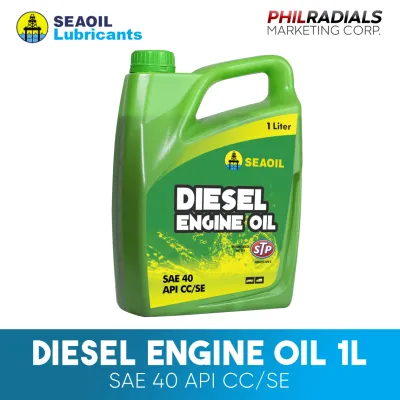
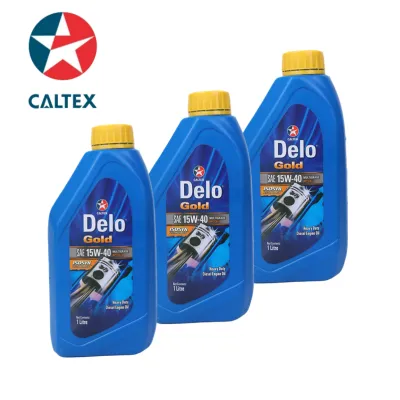
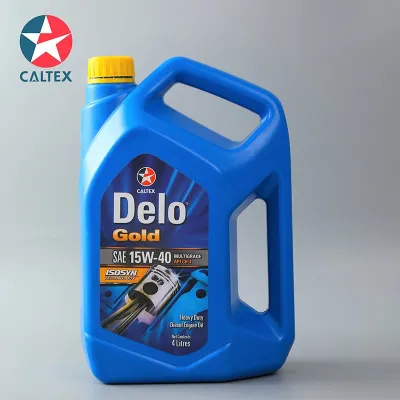
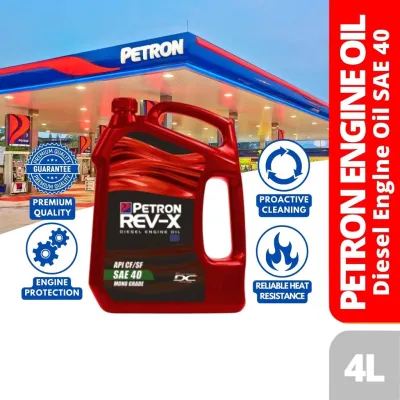
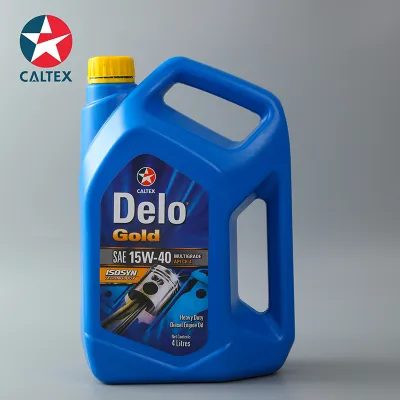
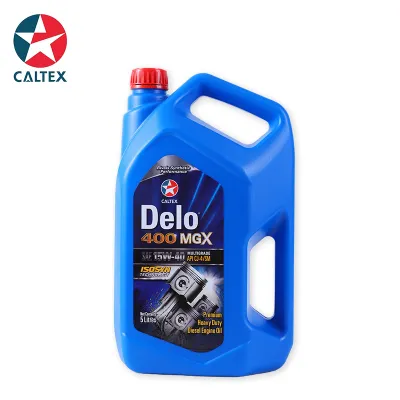

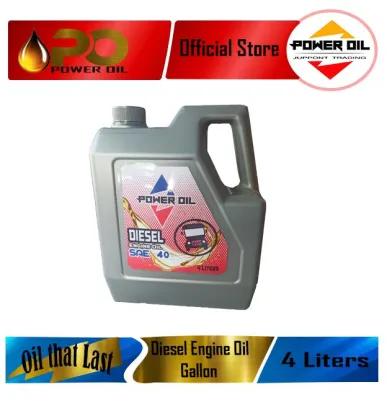
Prices are valid at publication and may change. Please refer to the product page for the latest price.
It is important to understand that these numbers are standardized performance classifications established by the Society of Automotive Engineers (SAE). They do not represent exact physical measurements of fluid thickness or specific volume. Instead, they are ratings derived from standardized laboratory tests that simulate how the oil behaves under extreme cold and extreme heat.
What the "W" Number Means for Cold Starts
The letter “W” in a viscosity grade stands for Winter, not weight. The number preceding the “W” indicates the oil’s flow characteristics at low temperatures. A lower first number, such as 0W or 5W, means the oil remains highly fluid in cold conditions, allowing it to circulate rapidly through the engine block immediately after you turn the key.

When an engine sits idle, especially overnight, the oil drains down into the oil pan. Upon startup, the oil pump must quickly push the oil back up to the cylinder head, camshafts, and turbocharger bearings. If the oil is too thick because of a high cold-temperature rating like 15W or 20W, it takes longer to reach these critical components, resulting in metal-on-metal contact and premature wear.
Even in tropical climates like the Philippines, where freezing temperatures are virtually non-existent, the cold-start rating remains highly relevant. A cold start refers to starting an engine that has cooled down to ambient temperature, which is significantly lower than its normal operating temperature of around 90°C to 100°C. Always consult your vehicle owner’s manual to verify the minimum recommended cold-cranking viscosity to ensure your oil pump can distribute the fluid efficiently from the moment of ignition.
What the Second Number Means for Operating Temperatures
The second number in the viscosity grade, such as 30, 40, or 50, represents the oil’s resistance to flow at normal engine operating temperatures. This characteristic is typically evaluated in laboratory tests at 100°C, which closely mirrors the internal heat of an active engine. A higher second number indicates that the oil maintains a thicker, more robust protective film under intense heat.
Diesel engines generally operate under higher pressures and generate more internal stress than gasoline engines. Heavy-duty diesel engines, especially those used for towing heavy loads, hauling cargo, or operating for extended periods in stop-and-go traffic, require a sufficiently thick oil film to prevent metal components from grinding together. For these demanding applications, a higher viscosity rating like 40 or 50 is often specified to maintain oil pressure and protect vital bearings.
However, you should never assume that a higher operating viscosity is universally better for your engine. Modern diesel engines are engineered with incredibly tight internal clearances between moving parts. If you use an oil that is too thick, the oil pump will struggle to force it through these narrow passages, leading to localized starvation, increased friction, higher operating temperatures, and reduced fuel economy. The oil must precisely match the clearances specified by the vehicle manufacturer.
How to Select the Correct Viscosity for Your Diesel Vehicle
Choosing the right diesel engine oil requires a systematic approach rather than guesswork. Your absolute baseline must always be the vehicle manufacturer’s recommended viscosity grades, which are clearly detailed in your owner’s manual. Manufacturers spend years testing engines to determine which oil flow characteristics provide the optimal balance of wear protection, oil pressure, and fuel efficiency.
Once you have identified the manufacturer’s approved viscosity range, you can factor in your specific driving conditions if the manual provides conditional options. For instance, if you frequently drive in high ambient temperatures, navigate congested urban traffic, or regularly tow heavy trailers, the manufacturer may recommend a slightly higher hot-viscosity rating within their approved list. In the tropical climate of the Philippines, ensuring your oil can handle sustained ambient heat without thinning out excessively is a key consideration.
Crucially, viscosity is only one part of the selection process. Viscosity alone does not guarantee that an oil can handle the unique challenges of a diesel engine, such as high soot loading and acidic combustion byproducts. You must also verify that the oil meets the required industry performance specifications, such as the American Petroleum Institute (API) CK-4 or FA-4 standards, or specific European Automobile Manufacturers’ Association (ACEA) sequences. Always check the product label to ensure these specifications align with your vehicle’s requirements before purchasing.
Frequently Asked Questions (FAQ)
Can I mix different viscosity grades of diesel engine oil?
In an absolute emergency, such as when your oil level is dangerously low and you risk running the engine dry, mixing different viscosity grades is acceptable to prevent catastrophic engine failure. However, doing so alters the overall flow characteristics and additive balance of the oil in an unpredictable manner. The resulting mixture will not perform exactly like either of the original grades, potentially reducing protection. You should schedule an oil change to drain the mixed fluid and refill the system with a single, manufacturer-recommended viscosity grade as soon as possible.
Does diesel engine oil need to be thicker than gasoline engine oil?
Not necessarily. While older or heavy-duty commercial diesel engines commonly rely on thicker oils like 15W-40 to handle high loads, many modern light-duty diesel passenger vehicles are designed to use much lower viscosities, such as 5W-30 or even 0W-20. These modern engines feature highly precise clearances and advanced emissions systems that require thinner oils to maximize fuel efficiency and reduce emissions. Always rely on the engine manufacturer’s specific recommendation in your owner’s manual rather than assuming diesel engines always require thicker oil.

Community discussion
Share your experience or ask a question. Comments are reviewed before publication.