
Choosing the right fully synthetic engine oil is one of the most critical decisions you can make to ensure the longevity and efficiency of your vehicle’s engine. When comparing Delo 5W-30 fully synthetic oil against major competitors like Shell, Castrol, and Motul, there is no single “best” oil that fits every single vehicle. The ideal choice depends entirely on your vehicle manufacturer’s original equipment manufacturer (OEM) specifications, your typical driving conditions, and your maintenance budget. Each of these brands formulates its lubricants with distinct additive packages designed to address specific engine demands, meaning the right oil for a heavy-duty diesel utility vehicle may differ significantly from the one suited for a high-performance gasoline sedan.
Understanding the “5W-30” viscosity rating is essential before making a purchase. The “5W” indicates the oil’s flow characteristics at low temperatures, with the “W” standing for winter. Even in tropical climates like the Philippines, where freezing temperatures are non-existent, a lower winter rating remains highly beneficial. During initial start-up after a vehicle has sat overnight, the engine is relatively cool, and a 5W oil flows quickly to lubricate critical moving parts, reducing initial wear. The “30” represents the oil’s kinematic viscosity at operating temperature (100 degrees Celsius). This rating ensures the oil maintains a sufficiently thick protective film under the intense heat of daily driving, preventing metal-on-metal contact without creating excessive drag that could hurt fuel economy.
Fully synthetic oils represent the pinnacle of modern lubricant technology, differing fundamentally from conventional mineral oils and synthetic blends. While conventional oils are refined directly from crude oil, fully synthetic oils are engineered from highly purified base stocks through advanced chemical synthesis. This process removes impurities and creates uniform molecular structures. Consequently, fully synthetic oils offer superior thermal stability, better resistance to oxidation, and a longer service life. They resist breaking down under extreme heat and prevent the formation of harmful sludge and varnish deposits, keeping the engine clean and efficient over extended drain intervals.
Products mentioned in this guide
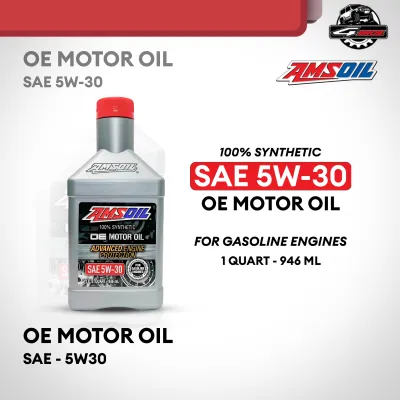
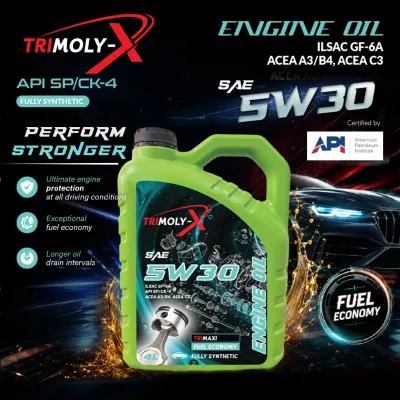
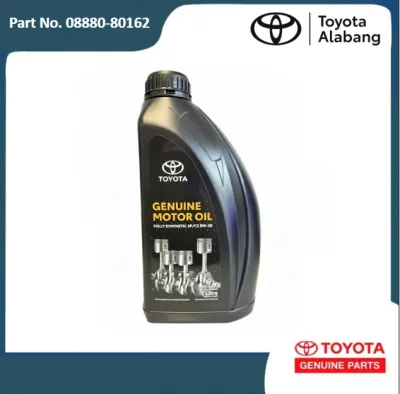
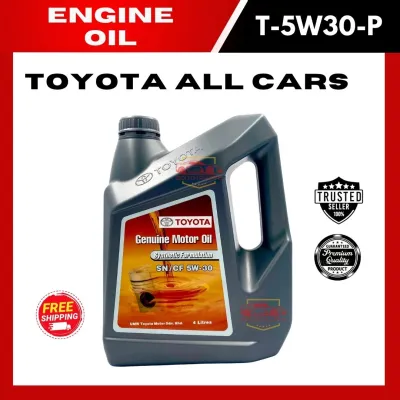
Prices are valid at publication and may change. Please refer to the product page for the latest price.
Before selecting any brand, your first step must always be to consult your vehicle’s owner’s manual. Manufacturers specify the exact viscosity grade required for your engine, along with critical performance standards set by international bodies such as the American Petroleum Institute (API) or the International Lubricant Standardization and Approval Committee (ILSAC). Using an oil that does not meet these specific standards can compromise engine protection, void your vehicle’s warranty, or even lead to catastrophic engine failure.
Brand Positioning: Delo vs Shell, Castrol, and Motul
To make an informed decision, it is helpful to understand the engineering philosophies and market positioning of each brand’s 5W-30 synthetic lineup.
Delo, manufactured by Chevron, carries a legendary heritage rooted in heavy-duty commercial applications. Traditionally trusted by operators of massive diesel fleets, transport trucks, and industrial machinery, Delo has successfully translated this heavy-duty expertise into passenger vehicle formulations. Its 5W-30 fully synthetic oils are engineered with a strong focus on wear protection, soot dispersancy, and maintaining viscosity stability under extreme loads. This makes Delo an appealing crossover option for owners of modern light-commercial vehicles, pickup trucks, and sports utility vehicles (SUVs) that demand robust protection during heavy hauling or long-distance driving.
Shell approaches lubricant design with a heavy emphasis on chemical purity and engine cleanliness. A key differentiator in Shell’s premium synthetic lineup is its proprietary gas-to-liquid (GTL) base oil technology, often marketed under its PurePlus technology suite. Instead of refining crude oil, Shell synthesizes base oil from natural gas, resulting in a crystal-clear base fluid that is virtually free of the impurities found in crude. This highly stable base oil is paired with active cleansing agents designed to prevent dirt particles from clumping together and forming sludge, keeping the engine closer to factory cleanliness.
Castrol positions its synthetic oils around specialized protection during critical driving phases, such as engine start-up and stop-and-go traffic. The brand utilizes technologies like fluid titanium or magnetic molecules (often found in its Magnatec and Edge product lines) to address the physical stresses of modern driving. The core concept behind these formulations is to create an active protective layer that clings to vital engine components even when the engine is turned off. This ensures that when you start your vehicle, a protective barrier is already in place, reducing the wear that typically occurs before the oil has fully circulated.
Motul occupies a premium, enthusiast-focused position in the automotive market, deeply rooted in its rich motorsport heritage. Known for supplying high-performance lubricants to racing teams worldwide, Motul incorporates advanced ester-based formulations into its top-tier synthetic oils. Esters are highly polar molecules that naturally cling to metal surfaces, providing exceptional film strength and thermal stability under extreme operating temperatures and high revolutions per minute (RPM). While generally positioned at a higher price point, Motul is favored by automotive enthusiasts and owners of high-performance or modified vehicles who prioritize maximum thermal resistance and shear stability.
How to Choose the Right 5W-30 Oil for Your Vehicle
Selecting the right 5W-30 fully synthetic oil requires matching these brand characteristics to your specific vehicle type, driving habits, and operating environment.

You should consider Delo if your vehicle is a diesel-powered pickup truck, SUV, or light-commercial vehicle that frequently carries heavy loads or operates in demanding conditions. Delo’s robust additive package is highly effective at managing soot and preventing wear under high-torque scenarios. It is also an excellent choice if you prioritize long-term engine durability and want an oil designed to withstand the harsh operating environments typical of commercial transport.
Shell is highly suitable if your primary vehicle is a standard gasoline-powered sedan, hatchback, or crossover used for daily commuting. If your goal is to maintain engine cleanliness, prevent sludge buildup, and ensure reliable everyday performance with an oil that is widely available at fuel stations and retail shops, Shell’s GTL-based formulations offer an excellent balance of modern technology and practical utility.
Castrol is a strong candidate if your daily route involves navigating dense urban traffic, such as the congested streets of major metropolitan areas. The frequent idling and constant stop-and-go cycles of city driving place unique thermal and mechanical stresses on an engine. Castrol’s focus on start-stop protection and active surface adhesion helps mitigate the wear associated with these repetitive cycles, making it ideal for urban commuters.
Motul is the go-to option if you drive a high-performance sports car, a turbocharged vehicle, or if you occasionally participate in track days. The exceptional thermal stability of Motul’s ester-based synthetic formulations ensures that the oil film will not rupture even under extreme heat and high-load conditions. It is also highly regarded by owners of premium European vehicles who want a top-tier lubricant that matches the demanding engineering standards of high-output engines.
Regardless of these general recommendations, you must verify the specific OEM approvals required by your vehicle before purchasing. Many modern engines require specialized oil certifications, such as General Motors’ dexos specification, Volkswagen’s VW 504.00/507.00, or BMW’s Longlife-04 (LL-04). These specifications dictate precise chemical limits, such as sulfated ash, phosphorus, and sulfur (SAPS) levels, to protect sensitive exhaust aftertreatment systems like diesel particulate filters (DPFs) or gasoline catalytic converters. Always check the product label of the specific 5W-30 oil bottle to ensure it explicitly lists the exact OEM approval code required by your vehicle manufacturer.
Price and Value Considerations
Evaluating the cost-effectiveness of these fully synthetic oils involves looking beyond the initial purchase price of a single bottle. In the local market, retail prices can vary significantly between mainstream and premium options. Mainstream fully synthetic oils from brands like Shell and Castrol generally sit in a highly competitive mid-tier price range, making them accessible for regular maintenance. Delo’s synthetic options also offer competitive value, especially considering their heavy-duty durability. Motul, owing to its premium ester formulations and enthusiast positioning, typically commands a higher price point per liter, representing a premium investment.
When purchasing engine oil, it is critical to buy only from authorized dealers, official brand stores, or highly reputable automotive service centers. The local market has seen instances of counterfeit lubricants packaged in recycled bottles. These fake oils lack the necessary additive packages and can cause severe, expensive engine damage. Saving a few hundred pesos on a suspiciously cheap bottle of oil from an unverified online seller is not worth the risk of a compromised engine.
To calculate the true cost of your oil change, you must factor in the cost of a high-quality oil filter and the recommended drain interval. Fully synthetic oils are designed to last significantly longer than mineral oils, often allowing for extended drain intervals of up to 10,000 kilometers or more, depending on manufacturer guidelines and driving conditions. However, running an oil for an extended period requires a premium filter capable of trapping contaminants for the entire duration. By dividing the total cost of the oil, the filter, and the labor by the number of kilometers driven between changes, you can determine the actual cost per kilometer, which often reveals that premium synthetic oils offer superior long-term value compared to cheaper, short-lived alternatives.
Frequently Asked Questions (FAQ)
Can I mix Delo 5W-30 with Shell or Castrol synthetic oils?
While mixing different brands of fully synthetic oils of the same 5W-30 viscosity is highly unlikely to cause immediate engine failure or chemical reactions, it is generally not recommended. Each brand utilizes a unique, proprietary blend of additives designed to work synergistically. Mixing brands dilutes these specific additive packages, potentially reducing the overall effectiveness of the oil’s wear protection, detergent properties, or shear stability. If you need to top up your oil in an emergency and your preferred brand is unavailable, adding a different high-quality synthetic oil is acceptable to maintain the correct oil level. However, it is best to perform a complete oil and filter change as soon as possible to restore the uniform protection of a single formulation.
Is Delo 5W-30 suitable for gasoline engines?
Yes, many Delo 5W-30 fully synthetic formulations are suitable for gasoline engines, but you must verify the specific product label. While Delo is widely recognized for its heavy-duty diesel heritage, Chevron formulates several of its synthetic products to meet dual-purpose specifications. To confirm compatibility, look at the API service symbol on the bottle. If the oil carries a gasoline rating such as API SP, SN, or SM, it is fully approved for use in gasoline engines. However, always cross-reference these ratings with your vehicle’s owner’s manual to ensure the oil meets the exact performance standards and emissions system requirements specified by your manufacturer.

Community discussion
Share your experience or ask a question. Comments are reviewed before publication.