
Choosing the right diesel engine oil is one of the most critical maintenance decisions you can make to protect your vehicle’s engine from premature wear, especially when navigating demanding tropical climates, heavy traffic, and high-humidity environments. While Delo Gold, Shell, Castrol, and Motul are all highly respected names in the automotive industry, declaring one brand as the absolute best is technically inaccurate. The ideal motor oil is not determined by brand prestige or marketing promises, but by how precisely its chemical formulation matches your vehicle manufacturer’s original equipment manufacturer (OEM) specifications.
Defining the Baseline: What Your Diesel Engine Actually Needs
Before comparing specific product lines, you must consult your vehicle’s owner’s manual to establish your engine’s baseline requirements. Modern diesel engines, ranging from light-duty pickup trucks and sports utility vehicles (SUVs) to heavy-duty commercial trucks, are engineered with precise tolerances, emission control systems, and operating temperatures. These design factors dictate the exact oil specifications required to prevent internal friction, manage soot, and avoid damaging sensitive exhaust aftertreatment devices like diesel particulate filters (DPFs).
Your manual will specify three critical parameters: the viscosity grade (such as 15W-40 or 5W-30), the industry performance standard (such as API CK-4, CI-4, or ACEA E-series), and any proprietary OEM approvals (such as Mercedes-Benz MB-Approval 228.3 or Volvo VDS-4). Viscosity determines how easily the oil flows at different temperatures, while performance standards indicate the oil’s ability to handle soot, resist oxidation, and protect against wear. Prioritizing these technical specifications over brand loyalty is the single most effective way to ensure long-term engine health and preserve your vehicle’s warranty.
Products mentioned in this guide
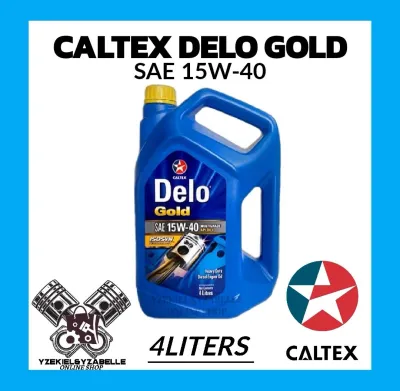
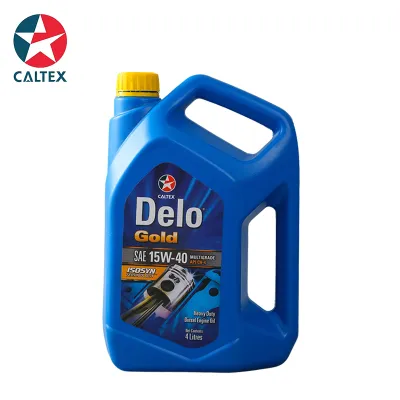
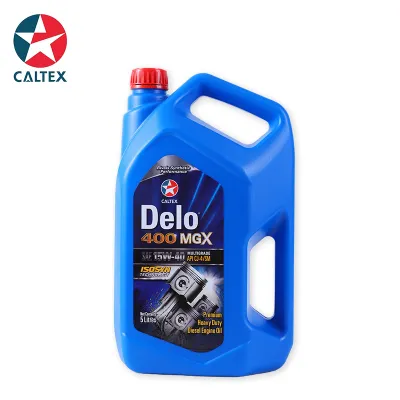
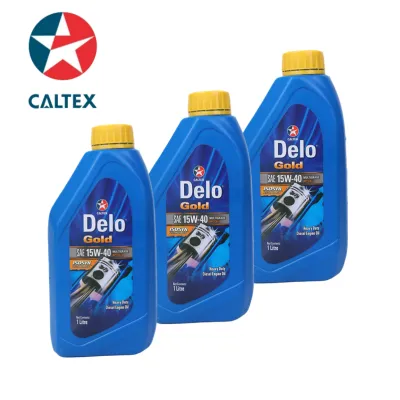
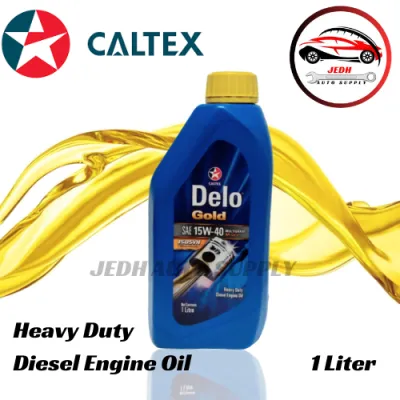
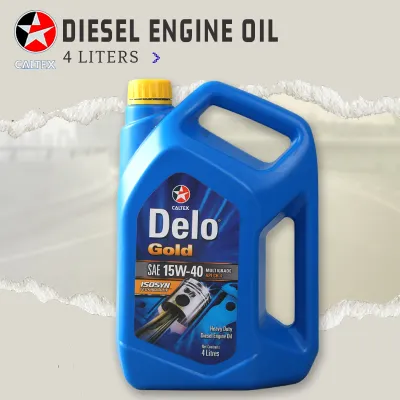
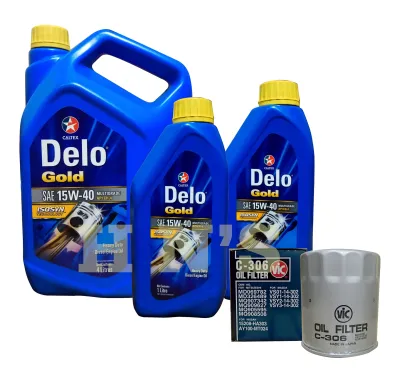
Prices are valid at publication and may change. Please refer to the product page for the latest price.
Comparing Delo Gold, Shell, Castrol, and Motul Across Key Dimensions
To make an informed decision, you must look beyond the front label of the oil bottle and evaluate the technical data sheets (TDS) and back-label certifications of each brand. These documents provide objective, standardized metrics regarding how the oil performs under thermal stress, its resistance to shear, and its chemical composition. Because oil manufacturers update their formulations periodically to meet evolving environmental regulations, you should always verify the exact specifications printed on the specific bottle you intend to purchase.

API, ACEA, and OEM Specifications
The performance standard printed on the bottle is your primary guide to compatibility. Delo Gold is traditionally formulated to meet robust heavy-duty diesel standards, frequently carrying API CH-4, CI-4, or CI-4 Plus certifications, which are highly effective at managing the high soot levels typical of older or hard-working utility engines. In comparison, Shell (through its Rimula and Helix lines), Castrol (via CRB and Magnatec Diesel), and Motul (with its Tekma and 8100 series) offer a highly diverse range of certifications, including the latest API CK-4 standards and stringent European ACEA sequences like ACEA C3 or E9.
If your diesel vehicle is equipped with modern emission control systems, such as a DPF or Selective Catalytic Reduction (SCR), using an oil with the incorrect ash content can permanently clog or damage these expensive components. For instance, a modern Euro 4, 5, or 6 compliant diesel engine typically requires a low-SAPS (Sulfated Ash, Phosphorus, and Sulfur) oil, which is more commonly found in specialized fully synthetic lines from Motul, Castrol, or Shell rather than entry-level mineral formulations. Always check the product label for specific OEM approvals to ensure the oil’s additive package is fully compatible with your engine’s metallurgy and seals.
Viscosity Grades and Base Oil Formulations
Viscosity selection must align with both your engine’s design and your local operating environment. In tropical regions characterized by high ambient temperatures and prolonged idling in heavy traffic, a heavier viscosity grade like 15W-40 has historically been the standard for maintaining a thick, protective oil film. However, modern common-rail direct injection (CRDI) diesel engines are increasingly designed for lighter viscosities, such as 5W-30 or 10W-30, to improve fuel efficiency and ensure rapid oil circulation during cold starts.
The base oil formulation—whether conventional mineral oil, semi-synthetic (often labeled as synthetic technology), or fully synthetic—directly impacts how the oil behaves under extreme heat. Mineral-based oils, which are common in standard Delo Gold and entry-level lines from Shell Rimula and Castrol CRB, offer reliable, cost-effective protection for standard drain intervals under normal operating conditions. Semi-synthetic and fully synthetic formulations, frequently offered across all four brands, utilize highly refined base stocks that provide superior thermal stability, slower oxidation rates, and better resistance to viscosity breakdown under the intense heat of stop-and-go city driving.
Targeted Use Cases and Product Lines
Each of these four brands has developed a distinct market positioning that influences which product line is best suited for your driving habits. Delo Gold is widely recognized for its heavy-duty commercial heritage, making it an excellent match for utility vehicles, delivery vans, older diesel SUVs, and fleet operations that demand robust soot dispersancy and wear protection under heavy loads. Its formulation focuses heavily on maintaining engine cleanliness and preventing ring sticking in demanding, high-load scenarios.
Conversely, Shell, Castrol, and Motul offer highly segmented product lines that cater to a broader spectrum of passenger vehicles and high-performance applications. Shell Helix Ultra Diesel and Castrol Magnatec Diesel are engineered specifically for modern passenger cars and light SUVs, focusing on rapid lubrication upon startup and reducing wear during urban commuting. Motul, known for its high-performance synthetic technology, offers specialized lines like the Motul 8100 series, which are highly favored by enthusiasts seeking maximum thermal protection for modified engines or vehicles operating under extreme performance demands.
Evaluating Value and Maintenance Intervals
Calculating the true cost of engine maintenance requires looking beyond the initial retail price of a single gallon or liter of oil. A lower-priced mineral oil may seem economical upfront, but if its additive package degrades quickly under tropical heat, it will require more frequent oil changes, increasing your long-term maintenance costs. Conversely, a premium fully synthetic oil represents a higher initial investment but can safely support longer drain intervals, provided your vehicle manufacturer permits extended service.
To evaluate the actual cost of ownership, you can apply a simple cost-per-kilometer formula using local retail prices:
Cost per Kilometer = (Total Oil Cost in ₱ + Oil Filter Cost in ₱ + Labor Cost in ₱) / Recommended Drain Interval in Kilometers
When using this formula, you must never exceed the maximum drain interval recommended in your vehicle’s owner’s manual, regardless of how advanced the oil’s marketing claims are. Operating in severe conditions—which includes short trips, prolonged idling in traffic, dusty roads, and high humidity—typically requires halving the standard drain interval specified for normal driving. If you wish to safely extend your drain intervals, the only reliable method is to perform periodic professional oil analysis to monitor the oil’s remaining useful life, active additive levels, and contaminant buildup.
Decision Framework: Which Brand Fits Your Vehicle?
To finalize your choice, evaluate your vehicle’s age, technology level, and typical driving conditions against the strengths of each brand’s specific formulations.
Choose Delo Gold if you operate a heavy-duty utility vehicle, an older diesel SUV, or a commercial fleet vehicle that requires a robust, high-soot-handling mineral or semi-synthetic oil. This line is highly effective for engines that undergo heavy loading, long idling periods, or operate in dusty environments where frequent, cost-effective oil changes are necessary to keep the engine clean.
Choose Shell, Castrol, or Motul if you drive a modern passenger diesel vehicle, a late-model CRDI SUV, or a vehicle equipped with advanced emission control systems like a DPF. These brands offer a wider selection of low-SAPS, fully synthetic oils that meet stringent European OEM specifications and provide superior thermal stability for stop-and-go city driving. Motul is particularly suitable if you require high-performance synthetic formulations for demanding driving profiles, while Shell and Castrol provide excellent, widely available mid-tier and premium options for daily passenger vehicles.
Verify first if your vehicle is still under its manufacturer’s warranty, as using an oil that lacks the exact OEM approval code printed in your manual can void your coverage. Additionally, if your engine has high mileage or known oil consumption issues, consult a qualified mechanic to determine if a slightly higher viscosity grade or a specialized high-mileage formulation is appropriate before switching brands. Ultimately, prioritizing the technical specifications, viscosity requirements, and service classifications detailed in your owner’s manual will always yield better engine protection than relying on brand reputation alone.

Community discussion
Share your experience or ask a question. Comments are reviewed before publication.