
No single engine oil brand is universally best for every car, SUV, or motorcycle on Philippine roads. Choosing between Delo, Shell, Castrol, and Motul depends on matching your vehicle manufacturer’s precise specifications, your daily driving environment, and your maintenance budget. Each of these brands carries a distinct engineering heritage and market focus. Delo, produced by Chevron, is widely recognized for its heavy-duty diesel heritage, which has been adapted into robust formulations for passenger cars, light trucks, and utility vehicles. Shell focuses heavily on active cleansing technology, gas-to-liquid base oils, and fuel efficiency. Castrol is known for its focus on sludge protection, fluid strength, and engine cleanliness, while Motul is highly regarded for its high-performance synthetic formulations and motorsport-derived technology. To make the right choice, you must first look past the brand logo and focus on the technical specifications required by your vehicle’s manufacturer.
Critical Specifications to Compare on the Label
The Society of Automotive Engineers (SAE) viscosity grade, such as 0W-20, 5W-30, or 15W-40, is the most critical specification on any engine oil bottle. This rating determines how easily the oil flows at low temperatures and how well it protects your engine at high operating temperatures. The number preceding the “W” (which stands for winter) indicates the oil’s flow characteristics in cold conditions, while the second number indicates its viscosity at normal engine operating temperatures. Using a viscosity grade other than what your vehicle manufacturer recommends can lead to inadequate lubrication, increased wear on internal components, or reduced fuel efficiency. Always verify the correct viscosity grade in your owner’s manual before purchasing any oil from Delo, Shell, Castrol, or Motul.
Beyond viscosity, you must check the performance standards established by organizations like the American Petroleum Institute (API) or the European Automobile Manufacturers’ Association (ACEA). For gasoline engines, look for the latest API service categories, such as API SP, which offers enhanced protection against low-speed pre-ignition and timing chain wear. Diesel engines require different categories, such as API CK-4 or FA-4, which are designed to handle higher soot levels and operating pressures. Ensure the oil you select meets or exceeds the minimum performance standard specified for your vehicle to prevent premature engine wear and maintain emissions compliance.
Products mentioned in this guide
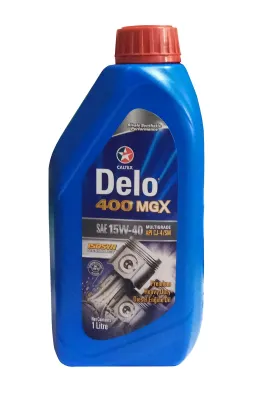
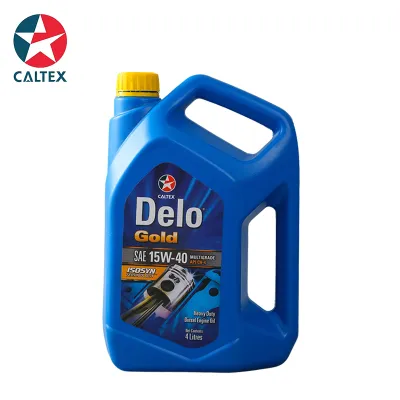
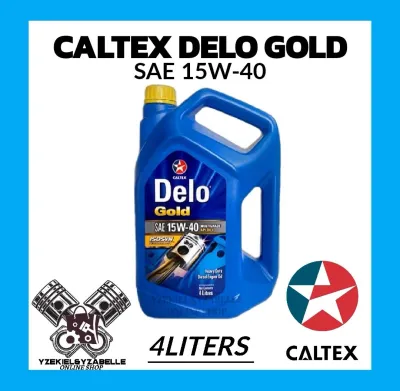
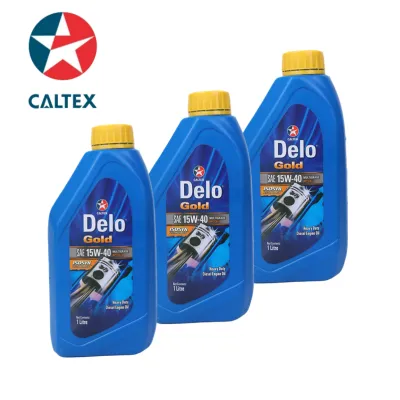
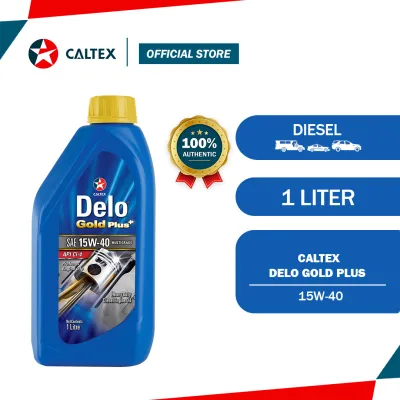
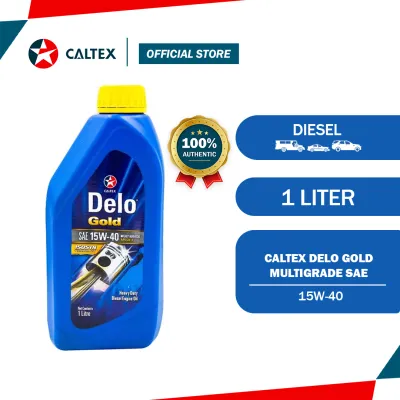
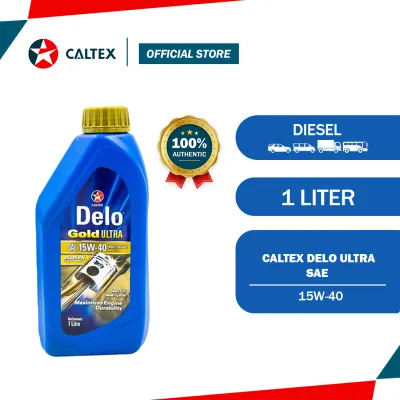
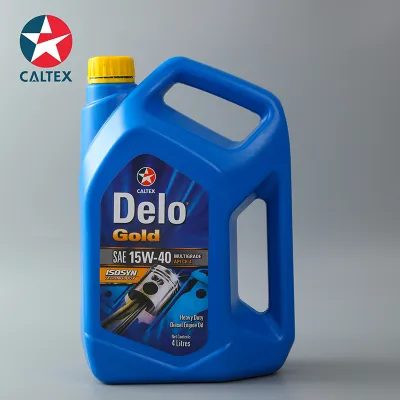
Prices are valid at publication and may change. Please refer to the product page for the latest price.
Engine oils are categorized by their base oil type: conventional, synthetic blend (semi-synthetic), or full synthetic. Conventional oils are suitable for older, simpler engines with shorter drain intervals but offer less resistance to heat and oxidation. Synthetic blends offer a balance of protection and affordability for everyday driving, combining conventional and synthetic base stocks. Full synthetic oils provide the highest level of thermal stability, oxidation resistance, and engine protection, making them ideal for modern turbocharged engines or vehicles subjected to severe driving conditions.
Many modern vehicle manufacturers require engine oils to meet specific original equipment manufacturer (OEM) standards. These approvals, such as those from Toyota, Honda, Ford, or European manufacturers like BMW and Mercedes-Benz, are typically listed on the back label of the bottle. If your vehicle is under warranty or if your owner’s manual explicitly mandates a specific OEM approval code, you must verify that the specific oil bottle displays that exact code before pouring it into your engine. Using an oil without the required OEM approval can potentially void your vehicle’s warranty.
Matching the Oil to Your Daily Driving Conditions
Navigating the congested streets of major Philippine cities exposes your engine to prolonged idling, frequent short trips, and low-speed driving. These conditions prevent the engine from reaching its optimal operating temperature for extended periods, which can accelerate the formation of harmful engine sludge, varnish, and carbon deposits. For heavy city commuting, look for formulations from Shell or Castrol that emphasize active cleansing agents and sludge prevention to keep internal components clean and prevent oil passages from clogging.

The tropical climate of the Philippines, combined with highway driving or carrying heavy passenger and cargo loads, subjects engine oil to extreme thermal stress. Under high temperatures, oil can thin out excessively, reducing its ability to maintain a protective barrier between moving metal parts. Delo’s heavy-duty heritage makes its formulations highly resilient under high-load and high-temperature conditions, while Motul’s advanced synthetic options are engineered to maintain viscosity stability under extreme heat, protecting critical components like turbochargers and pistons.
If your vehicle has accumulated significant mileage, the internal engine seals and gaskets may become dry, brittle, and prone to minor leaks or oil consumption. In such cases, switching to a high-mileage formulation can be beneficial. These specialized oils contain seal conditioners that help swell and restore flexibility to aging seals, reducing oil leaks and minimizing oil consumption. Most major brands, including Castrol and Shell, offer dedicated high-mileage options that also feature extra anti-wear additives to protect worn engine parts.
Modern vehicles often specify low-viscosity oils, such as 0W-20 or 5W-30, to reduce internal engine drag and improve fuel economy. If your vehicle manufacturer permits these lower viscosity grades, choosing a fuel-saving formulation can help optimize your kilometers per liter. However, you must never use a low-viscosity oil in an engine designed for thicker oil, as this can cause severe engine wear due to insufficient oil film thickness. Always verify that the fuel-saving oil meets the exact specifications of your engine.
Evaluating Price, Availability, and Value
When comparing Delo, Shell, Castrol, and Motul, you will find distinct pricing tiers in the local market. Conventional oils are the most budget-friendly upfront, often starting around ₱300 to ₱500 per liter, but they require more frequent oil changes. Full synthetic oils generally range from ₱600 to over ₱1,200 per liter depending on the brand and formulation, with Motul often occupying the premium tier. While full synthetics cost more initially, their ability to safely support longer drain intervals can offset the higher upfront price by reducing the frequency of oil changes, filter replacements, and labor costs over time.
The availability of these brands varies across the Philippines. Shell and Delo (Chevron) benefit from extensive networks of branded service stations and authorized retail shops nationwide, making them highly accessible even in provincial areas. Castrol and Motul are widely distributed through independent auto supply stores, specialized motorcycle shops, and official online flagship stores on major ecommerce platforms. To protect your engine from catastrophic damage caused by counterfeit oils, always purchase your oil from authorized distributors, official brand stores, or highly reputable automotive shops.
When calculating the total cost of an oil change, consider the value of bundled services. Many authorized service centers and quick-lubes offer packages that include the engine oil, a compatible oil filter, labor, and a basic vehicle inspection. Comparing the total cost of these bundled packages against the price of buying standalone bottles and paying for separate labor can help you find the most cost-effective and convenient option for your maintenance routine. Additionally, professional installation ensures that the oil filter is torqued correctly and the old oil is disposed of in an environmentally responsible manner.
Final Verification and Decision Framework
To ensure you select the correct engine oil for your vehicle, follow this structured decision framework. First, consult your vehicle’s owner’s manual to identify the exact viscosity grade, API or ACEA performance standards, and any specific OEM approvals required. Second, assess your engine’s current condition, taking into account its mileage, any history of oil consumption, or minor leaks, to determine if a specialized high-mileage formulation is appropriate.
Next, compare the compliant options available from Delo, Shell, Castrol, and Motul that meet your vehicle’s exact technical specifications. Evaluate these options based on local retail prices in ₱, your driving habits, and the convenience of purchasing from a verified, authorized seller. Finally, if your vehicle is still under active manufacturer warranty, if you notice unusual engine noises, or if the specifications in your manual are unclear, stop and consult a qualified mechanic or your authorized dealership before proceeding with the oil change.
Frequently Asked Questions (FAQ)
Can I mix Delo with Shell, Castrol, or Motul engine oils?
While mixing different brands of engine oil will not typically cause immediate, catastrophic engine failure if they share the same viscosity and performance ratings, it is strongly discouraged. Each brand uses a unique, proprietary blend of chemical additives designed to work together for wear protection, cleaning, and thermal stability. Mixing different brands can disrupt this chemical balance, potentially reducing the overall effectiveness of the oil, compromising its cleaning efficiency, or accelerating sludge formation. For optimal engine protection, perform a complete oil and filter change when switching from one brand to another.
How can I tell if the engine oil I bought is authentic?
To verify the authenticity of your engine oil, examine the physical bottle closely before purchase. Genuine bottles feature intact safety seals, clean and aligned labels, holographic security stickers, and clearly printed batch numbers or production dates on the plastic. Many manufacturers provide QR codes or serial numbers on the packaging that you can verify through their official websites or customer service channels. To minimize the risk of purchasing counterfeit products, avoid buying from unverified sellers offering prices that are significantly lower than the standard market rate in ₱, and purchase exclusively from authorized service centers or official brand stores.

Community discussion
Share your experience or ask a question. Comments are reviewed before publication.