
A clicking or rattling sound coming from your motorcycle or scooter’s clutch area at around 1200 RPM is a clear signal that something within the transmission assembly requires attention. In most cases, this low-RPM noise points to clutch spring fatigue, excessive clearance between internal components, or degraded engine oil that can no longer damp normal mechanical movements. While a click at idle or during initial acceleration does not always demand an immediate, costly replacement, ignoring it can lead to uneven clutch wear, slipping, or eventual transmission damage. Determining whether you need to replace the clutch springs or simply perform routine maintenance depends on a systematic inspection of the assembly against your vehicle’s official service specifications.
Identifying the Clicking Sound at Low RPM
Before purchasing replacement parts, you must confirm that the clicking noise actually originates from the clutch assembly. A motorcycle engine produces various mechanical sounds, and it is easy to mistake a loose cam chain, a worn valve train, or a minor exhaust leak for a transmission issue. Cam chain rattle typically produces a more continuous, metallic slapping sound that fluctuates directly with engine speed across the entire RPM range. Valve ticking is usually a lighter, rapid tapping sound coming from the top cylinder head, which remains constant regardless of whether the clutch is engaged or disengaged.
To isolate the noise to the clutch side, start your motorcycle and let it idle until it reaches normal operating temperature. Observe the sound at around 1200 RPM, which is a common idle or near-idle speed for many underbone motorcycles and automatic scooters. Pull the clutch lever in completely if you are riding a manual motorcycle, or gently apply the rear brake on a scooter to see if the noise changes. If the clicking sound diminishes or disappears when the clutch lever is pulled, or if it changes pitch during initial acceleration from a standstill, the source is almost certainly within the clutch housing.
Products mentioned in this guide
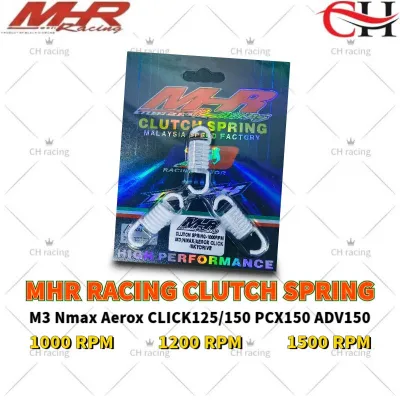

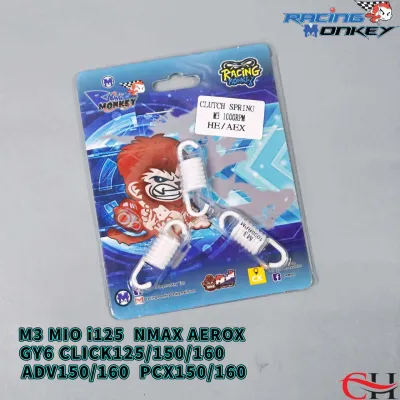

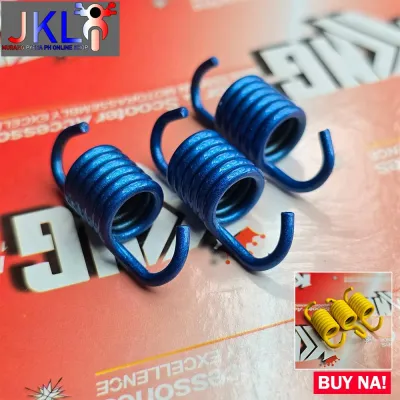
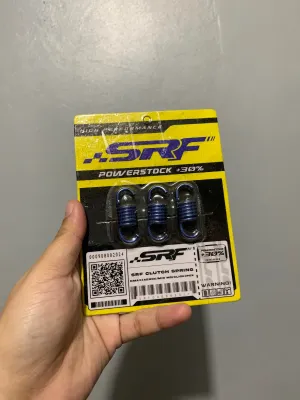
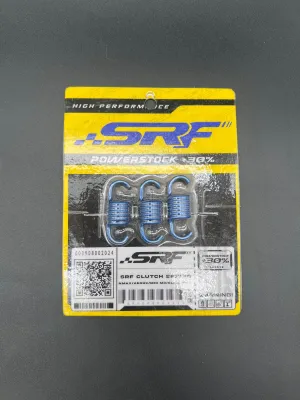

Prices are valid at publication and may change. Please refer to the product page for the latest price.
You can perform a basic auditory check using a mechanic’s stethoscope or a long screwdriver held against your ear and placed on different areas of the engine casing. Place the tip of the tool on the clutch cover on the right side of the engine, taking care to avoid moving parts. If the clicking vibration feels pronounced and localized to this specific cover, you have successfully isolated the issue to the transmission side. In the humid, tropical climate of the Philippines, stop-and-go traffic can cause engine temperatures to rise rapidly, which thins out the engine oil and makes these localized mechanical noises much more audible than they would be during a cold start.
Common Causes of Clutch Spring Clicking
Once you have isolated the noise to the clutch housing, understanding the mechanical interactions at 1200 RPM helps explain why the clicking occurs. At this low engine speed, the centrifugal force in automatic scooters or the rotational pressure in manual clutches is just beginning to transition the assembly from a disengaged to an engaged state. If the clutch springs have suffered from fatigue or uneven tension, they cannot apply uniform pressure across the pressure plate. This imbalance allows the pressure plate to vibrate or rattle against the clutch hub, creating a distinct clicking sound as the components repeatedly make contact.

Another common cause is excessive clearance within the clutch pack itself. Over time, the friction plates and steel plates wear down, reducing their overall thickness and increasing the physical gap between the plates and the clutch basket. At low RPMs like 1200 RPM, the engine’s power pulses are more pronounced and less smooth than at higher speeds. These rotational pulses cause the loosened friction plates to shift back and forth within the slots of the clutch basket, resulting in a metallic clicking or chattering noise that often disappears once the engine speeds up and centrifugal force locks the assembly tight.
Inadequate lubrication or degraded engine oil also plays a critical role in clutch noise. Engine oil acts as a hydraulic dampener between the moving metal parts of a wet clutch system. If the oil has broken down due to high operating temperatures, or if the oil level is low, this dampening effect is lost. Without a sufficient oil film to cushion the contact points, even minor clearances between the clutch springs, bolts, and plates will produce a sharp, audible click. This is particularly common in urban areas where frequent idling in heavy traffic accelerates oil degradation.
Diagnostic Checklist: Should You Replace the Clutch Spring?
To help you decide whether your clutch spring requires immediate replacement or if the issue lies elsewhere, use the following diagnostic checklist. This table maps common observable symptoms to their likely causes and outlines the recommended course of action.
| Observable Symptom | Likely Cause | Recommended Action |
|---|---|---|
| Clicking noise at 1200 RPM that disappears when clutch lever is pulled | Weak or fatigued clutch springs; minor pressure plate play | Inspect spring free length; replace springs if below service limit. |
| Clicking accompanied by clutch slippage during acceleration | Worn friction plates or severely fatigued clutch springs | Measure friction plate thickness and spring length; replace worn parts. |
| Heavy rattling at idle and visible grooves on the clutch basket fingers | Worn clutch basket slots causing plates to catch and click | Replace or professionally dress the clutch basket; replace plates. |
| Clicking sound only when the engine is hot, accompanied by stiff shifting | Degraded or incorrect viscosity engine oil | Perform an oil change using the manufacturer-specified oil grade. |
To make an accurate decision, you must measure the clutch springs using a vernier caliper. Consult your motorcycle’s service manual to find the exact “spring free length” specification and the minimum service limit. If any of the springs measure below the service limit, or if there is a variance of more than a fraction of a millimeter between the springs, they must be replaced as a set to ensure even pressure distribution.
Additionally, look for deeper signs of wear when you disassemble the clutch. Inspect the fingers of the clutch basket where the tabs of the friction plates slide. If you notice deep grooves or ridges worn into these aluminum fingers, the plates will catch on them instead of sliding smoothly. This catching prevents proper engagement, causes a clicking sound as the plates snap into place, and cannot be fixed by simply replacing the springs. In such cases, the clutch basket itself must be replaced or carefully smoothed down by a qualified technician.
Safe Inspection and Replacement Guidelines
Working on your motorcycle’s clutch assembly involves critical safety boundaries and precise mechanical steps. Because the clutch is directly linked to your vehicle’s power delivery, improper assembly can lead to sudden rear-wheel lockup or a complete loss of drive, posing severe safety risks on the road. Always consult the specific service manual for your vehicle’s make, model, and year to verify torque specifications, spring limits, and assembly sequences before starting any work.
Before beginning the inspection, prepare a clean, well-lit workspace. Secure your motorcycle on its center stand or a paddock stand on a level surface to prevent it from tipping over. Drain the engine oil completely into a suitable container, and inspect the drained oil for metallic debris or large friction material particles, which indicate severe internal wear. Organize all removed bolts, washers, and plates in the exact order they were removed; using a cardboard template to hold the clutch cover bolts in their respective positions is an excellent way to ensure they go back into their correct holes.
When loosening the clutch spring bolts, always work in a crisscross pattern, turning each bolt a few threads at a time. This prevents the spring tension from warping the pressure plate or snapping the delicate aluminum posts on the clutch hub. If you encounter stubborn fasteners or if your specific model requires a specialized clutch holding tool or spring compressor, do not attempt to force the components with makeshift tools. Stop your DIY efforts immediately and consult a qualified mechanic to avoid cracking the engine casings or damaging the transmission shaft, which can result in expensive repairs.
Preventive Maintenance for Clutch Longevity
Preventing premature clutch spring fatigue and plate wear starts with consistent maintenance habits. Always adhere to your motorcycle manufacturer’s scheduled engine oil changes, and ensure you use the correct oil viscosity and friction-modifier rating. For motorcycles with wet clutches, look for oils certified with the JASO MA or JASO MA2 standard, which are specifically formulated to provide the necessary friction for wet clutch plates. Avoid using passenger car motor oils, as they often contain friction modifiers that can cause wet clutches to slip, overheat, and fail prematurely.
Regularly check and adjust your clutch lever free play according to the specifications in your owner’s manual. Typically, there should be about 10 to 15 millimeters of free play at the tip of the clutch lever before you feel tension. If there is no free play, the clutch cable remains under tension, keeping the clutch partially disengaged. This constant partial engagement causes the friction plates to slip continuously, generating extreme heat that quickly fatigues the clutch springs and warps the steel plates.
Finally, adjust your riding habits to minimize unnecessary stress on the clutch assembly. Avoid prolonged slipping of the clutch or “riding” the clutch lever while navigating heavy traffic or climbing steep inclines. In hot, tropical climates, the heat generated by a slipping clutch cannot dissipate quickly, leading to rapid thermal degradation of both the springs and the friction material. Allowing the clutch to engage fully and cleanly as soon as practical keeps operating temperatures low and extends the service life of your entire transmission system.
Frequently Asked Questions (FAQ)
Can I replace only the clutch springs without changing the friction plates?
Yes, you can replace only the clutch springs if your friction plates and steel plates are still in good condition. To determine this, you must measure the thickness of each friction plate using a micrometer or vernier caliper and compare the readings to the service limits specified in your vehicle’s manual. Additionally, inspect the plates visually for any signs of glazing, dark burn marks, or warping on a flat surface like a sheet of glass. If the plates show no physical damage and are well within their thickness limits, installing a new set of clutch springs alone is a viable and cost-effective way to restore proper tension and eliminate low-RPM clicking.
Will a clicking clutch spring damage my engine if ignored?
Ignoring a clicking clutch spring can lead to more severe mechanical issues over time. If the noise is caused by a weak spring or excessive play, the uneven pressure on the clutch pack will cause the friction plates to slip under load. This slippage generates intense heat, which can warp the steel plates, glaze the friction material, and degrade your engine oil much faster. In extreme cases, a fatigued spring can break entirely, sending loose metal fragments into the engine oil pan where they can clog the oil pump screen or damage transmission gears. Promptly inspecting and resolving the clicking sound ensures safe power delivery and prevents costly secondary damage to your engine.

Community discussion
Share your experience or ask a question. Comments are reviewed before publication.