
A persistent rattling sound from your motorcycle can turn an otherwise smooth ride into an annoying and stressful experience. When you hear a metallic buzzing or clanking noise coming from the rear of your bike, the culprit is very often a worn-out muffler rubber cover. This small but critical rubber component acts as a vibration dampener, isolating the heavy, vibrating exhaust pipe from the rigid motorcycle frame. If this rubber sleeve or bushing has degraded, replacing it is a highly effective and affordable way to restore peace and quiet to your daily commute.
However, before rushing to purchase a replacement, it is essential to confirm whether the rubber cover is indeed the source of the noise. Exhaust systems are subjected to extreme operating conditions, including intense engine heat, road debris, and constant physical movement. In tropical regions like the Philippines, these factors are compounded by high humidity, heavy seasonal rains, and rough road surfaces filled with potholes and speed humps. These harsh environmental elements accelerate the aging process of rubber parts, causing them to dry out, crack, and lose their dampening properties much faster than they would in milder climates.
To avoid spending money on unnecessary parts, a systematic diagnostic approach is required. By understanding how to isolate the noise, inspect the mounting hardware, and recognize other potential exhaust issues, you can make an informed decision about whether a new muffler rubber cover is the correct solution for your motorcycle.
Products mentioned in this guide
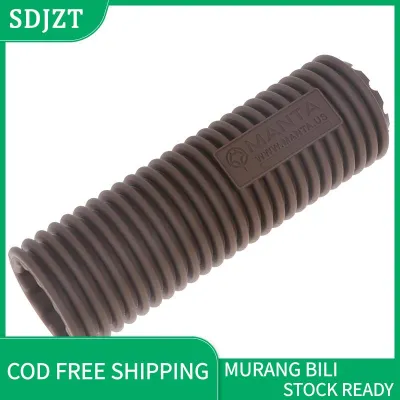
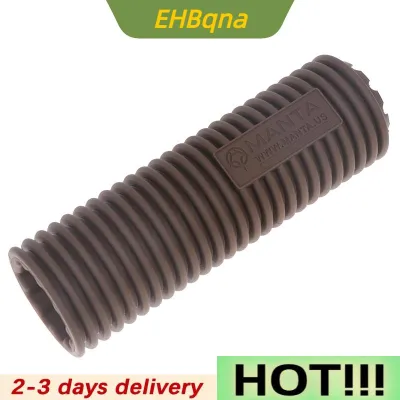
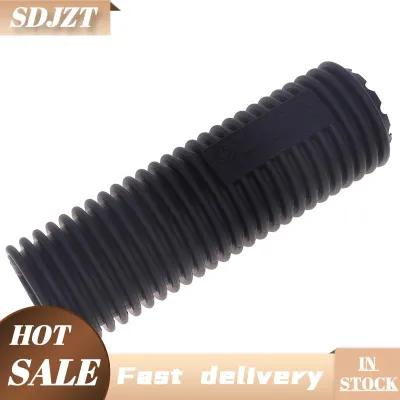
Prices are valid at publication and may change. Please refer to the product page for the latest price.
Identifying the Source of the Exhaust Rattle
Locating the exact origin of a motorcycle rattle requires careful observation because vibrations travel easily through the metal frame, making noises seem like they are coming from one area when they actually originate elsewhere. The first step is to differentiate between engine-induced resonance and physical looseness in the exhaust assembly. Engine resonance typically occurs at specific engine speeds, while physical looseness often produces a continuous metallic clanking when riding over uneven pavement.
To begin your diagnosis, park the motorcycle on a level surface using the center stand and allow the engine to cool down completely. Once the exhaust system is cold to the touch, grasp the tailpipe firmly while wearing protective work gloves and gently shake the exhaust system from side to side and up and down. If you feel significant play or hear a metallic clicking sound near the mounting brackets, the mounting system is loose. Pay close attention to the connection points where the exhaust hanger meets the frame, as this is where the rubber cover is positioned.
Another helpful diagnostic step is to observe when the noise occurs during operation. If the rattling is highly noticeable while the bike is idling at a stoplight but disappears when you accelerate, the issue is likely related to vibration isolation. Conversely, if the noise only happens when hitting bumps or carrying a passenger, the exhaust pipe may be physically contacting the swingarm, passenger footrest, or frame due to a collapsed or missing rubber mount. Noting these specific conditions will help you narrow down the fault before you begin removing any hardware.
Finally, inspect all visible mounting bolts, nuts, and hangers along the entire length of the exhaust pipe. Sometimes, a rattle is simply the result of a loose bolt that has backed out due to engine vibrations. If all the fasteners are tight but the exhaust assembly still has noticeable play within the mounting bracket, the rubber dampening material inside the bracket has likely worn away or compressed, indicating that the rubber cover needs attention.
Inspecting the Muffler Rubber Cover and Mounts
Once you have isolated the play to the mounting bracket, a detailed physical inspection of the muffler rubber cover is necessary to determine if it has reached the end of its service life. This component is designed to absorb high-frequency vibrations and allow for slight thermal expansion of the exhaust metal. Over time, the combination of extreme exhaust heat and environmental exposure causes the rubber to lose its elasticity, a process often referred to as dry rot.

Begin with a visual inspection of the rubber cover. Look closely for deep cracks, tearing, crumbling edges, or complete separation of the rubber from the metal spacer sleeve or mounting bracket. In hot and humid tropical climates, rubber components frequently harden and shrink. When the rubber shrinks, it leaves a physical gap between the mounting bolt and the bracket eyelet, allowing the metal components to strike each other and create a sharp, metallic rattling sound.
Next, perform a physical flexibility test. Gently press on the rubber with your fingers or a small tool to check its condition. Healthy mounting rubber should feel firm yet slightly pliable, absorbing pressure and returning to its original shape. If the rubber feels as hard as plastic, or if it is so soft and mushy that it offers no resistance, it can no longer isolate vibrations effectively and must be replaced.
Safety must be your top priority during this inspection process. Never attempt to touch, shake, or inspect any part of the exhaust system while the engine is running or immediately after a ride. Exhaust pipes reach temperatures that can cause severe burns instantly. Always wait at least one hour after riding, and verify that the metal is cold to the touch before proceeding. If the mounting bracket is located in a hard-to-reach area behind body panels or near hot engine components, consult your vehicle owner’s manual or seek professional assistance rather than risking injury or damage to the motorcycle.
Other Common Causes of Exhaust Rattling
While a worn muffler rubber cover is a frequent culprit, it is not the only component that can cause a rattling noise in a motorcycle exhaust system. Replacing the rubber cover will not resolve the issue if the noise is originating from an internal failure or a different loose component. Understanding these alternative causes will prevent you from misdiagnosing the problem and spending money on the wrong parts.
One common source of internal noise is a damaged or detached baffle inside the muffler. The baffles are metal plates or tubes welded inside the silencer body to direct exhaust flow and reduce noise. Over time, moisture from combustion and external humidity can cause these internal welds to rust and break. When a baffle breaks loose, it rattles violently inside the muffler shell as exhaust gases pass through, creating a loud, metallic shaking sound that cannot be cured by external rubber mounts.
Another potential cause is an exhaust gas leak combined with physical vibration at the cylinder head connection. If the exhaust header gasket is worn, or if the manifold nuts have loosened, exhaust gases will escape with a sharp, ticking sound that can easily be mistaken for a mechanical rattle. This issue is often accompanied by a loss of engine performance, backfiring during deceleration, or visible black soot deposits around the exhaust port of the engine cylinder.
Additionally, external heat shields and decorative trim panels are highly susceptible to rattling. Many motorcycles feature metal or plastic guards bolted directly to the exhaust pipe to protect the rider’s legs from burns. These shields are secured with small screws and heat-resistant washers. If these screws loosen, or if the small rubber dampening washers beneath them disintegrate, the heat shield will vibrate loudly against the hot exhaust pipe, creating a high-pitched buzzing sound that is especially noticeable at specific engine RPMs.
Deciding Whether to Replace the Muffler Rubber Cover
Deciding whether to replace the muffler rubber cover depends entirely on the results of your physical inspection and diagnostic tests. If you have confirmed that the exhaust mounting bolts are tight, the internal baffles are intact, the heat shields are secure, and the rubber cover itself is visibly cracked, hardened, or loose, then replacing the rubber cover is the correct and highly cost-effective solution. Spending a few hundred pesos ₱ on a new rubber mount can prevent much more expensive damage down the road.
When sourcing a replacement part, it is critical to verify the exact make, model, and year of your motorcycle. Exhaust mounting brackets vary widely between different motorcycle models, and using an incorrect part can lead to poor fitment and premature failure. Whenever possible, refer to the Original Equipment Manufacturer (OEM) specifications or part numbers. OEM rubber covers are specifically formulated to withstand the precise heat levels and weight distribution of your motorcycle’s stock exhaust system.
Avoid the temptation to use poorly made universal rubber mounts or improvised materials like cut-up pieces of old tires or garden hoses. While these temporary fixes might seem appealing, non-automotive rubber compounds cannot withstand the extreme operating temperatures of an exhaust pipe. They will quickly melt, emit toxic fumes, or degrade within a few days of riding, potentially creating a safety hazard or making the rattle worse.
If you replace the rubber cover and find that the rattling noise persists, or if you discover that the metal mounting brackets on the motorcycle frame are cracked or bent, you should stop riding and consult a professional repair shop. Frame damage or cracked weld joints require specialized welding equipment and professional expertise to repair safely. Continuing to ride with a damaged frame mount can lead to catastrophic exhaust failure while in motion.
Safe Removal and Installation Guidelines
Replacing a muffler rubber cover is a straightforward task that can be completed with basic hand tools, provided you follow proper safety protocols and installation sequences. Before starting, gather the necessary tools, which typically include a socket set, combination wrenches, and a penetrating lubricant if the existing bolts are rusted or seized from exposure to road grime and rain.
Begin by ensuring the motorcycle is stable on its center stand on a flat surface. Spray a small amount of penetrating lubricant onto the mounting bolts and allow it to sit for a few minutes to ease removal. Carefully support the weight of the muffler from underneath using a jack or a block of wood; this prevents the heavy exhaust pipe from sagging and putting damaging stress on the exhaust header joint at the engine cylinder head when the mounting bolt is removed.
Slowly loosen and remove the mounting bolt, taking care not to lose any metal spacer sleeves, washers, or backing plates. Slide the worn rubber cover out of the bracket eyelet. Before installing the new part, use a wire brush or a clean rag to remove any dirt, rust, or old rubber residue from the inside of the mounting bracket. A clean surface ensures the new rubber cover sits flush and distributes pressure evenly.
To install the new muffler rubber cover, gently press it into the bracket eyelet. If the fit is very tight, apply a tiny amount of soapy water to the outer edge of the rubber to help it slide into place. Never use petroleum-based grease, oil, or WD-40 as a lubricant, as these chemicals will rapidly break down and destroy the rubber compound. Reinsert the metal spacer sleeve into the center of the rubber cover, align the muffler with the frame mount, and hand-start the mounting bolt to prevent cross-threading.
Refer to your motorcycle’s service manual for the correct torque specifications for the mounting bolt. Tighten the bolt securely using a torque wrench; over-tightening can crush the rubber cover and ruin its dampening ability, while under-tightening can cause the bolt to vibrate loose while riding. Once fully tightened, remove the support from under the muffler and give the exhaust a gentle shake to confirm it is secure and has just a small amount of firm, rubber-dampened play.
Finally, conduct a safety test in a well-ventilated outdoor area. Start the engine and let it idle, observing the exhaust system for any unusual movement, smoke, or noise. Gently rev the engine to check for resonance vibrations. If everything looks and sounds stable, take a short test ride on a quiet, paved road to confirm that the rattling noise has been completely resolved and that the exhaust remains securely mounted.
Frequently Asked Questions (FAQ)
Can I use a generic rubber mount instead of an OEM muffler rubber cover?
While generic rubber mounts are widely available on online marketplaces and at local spare parts shops, they are generally not recommended unless they are explicitly certified to match your motorcycle’s specifications. Generic mounts often differ significantly in rubber density, physical dimensions, and heat resistance. A mount that is too soft will allow the heavy exhaust system to sag and bounce excessively, putting stress on the header pipe, while a mount that is too hard will fail to absorb vibrations, transferring them directly to the motorcycle frame and causing rider discomfort.
Furthermore, standard industrial rubber is not formulated to withstand the extreme thermal cycles of a motorcycle exhaust system. Using a non-heat-resistant generic mount can result in the rubber melting, cracking, or failing entirely within a short period. To ensure long-term durability and safety, always verify the compatibility, dimensions, and temperature ratings of the part, or stick to OEM replacements designed specifically for your vehicle model.
Is it safe to ride with a rattling exhaust until I can get it fixed?
Riding with a minor exhaust rattle for a short distance to a repair shop or your home is generally manageable, but ignoring the issue long-term poses significant safety and mechanical risks. The constant, uncontrolled vibration of a loose exhaust system puts immense physical stress on the exhaust header studs and cylinder head threads. Over time, this vibration can cause the header bolts to shear off inside the engine block, leading to a highly complex and expensive repair.
In extreme cases, a completely degraded or missing muffler rubber cover can allow the mounting bolt to back out entirely, causing the muffler to detach from the frame while you are riding. A detached exhaust pipe can swing into the rear wheel, lock up the tire, cause a serious accident, or fall onto the hot road surface, creating a severe hazard for other motorists. It is always best to diagnose and resolve any exhaust rattling issues promptly before embarking on long rides.

Community discussion
Share your experience or ask a question. Comments are reviewed before publication.