
Selecting the correct brake fluid is one of the most critical maintenance decisions you can make for your vehicle’s safety and performance. While both DOT3 and DOT4 brake fluids are widely available in standard 1-liter containers, they possess distinct chemical properties, boiling points, and moisture absorption rates that dictate how they behave under pressure. Using the wrong fluid can compromise your braking efficiency, lead to premature component wear, or even cause complete brake failure during heavy use.
To determine which type is right for your vehicle, you must first consult your manufacturer’s specifications, as modern braking systems are engineered around the precise viscosity and thermal limits of a specific fluid class. While some vehicles allow for conditional upgrades, others strictly require a single designated type to maintain proper function of advanced safety systems like Anti-lock Braking Systems (ABS) and Electronic Stability Control (ESC).
Understanding the Core Differences Between DOT3 and DOT4
The primary distinction between DOT3 and DOT4 brake fluids lies in their chemical composition and their corresponding boiling points. Both are glycol-ether-based fluids, but DOT4 contains borate ester additives that enhance its ability to withstand higher temperatures. This chemical modification directly impacts how the fluid handles the extreme heat generated by friction between your brake pads and rotors.
Products mentioned in this guide
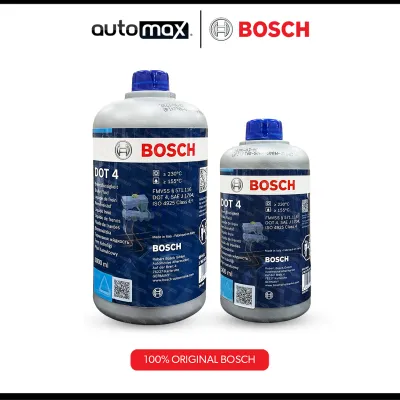
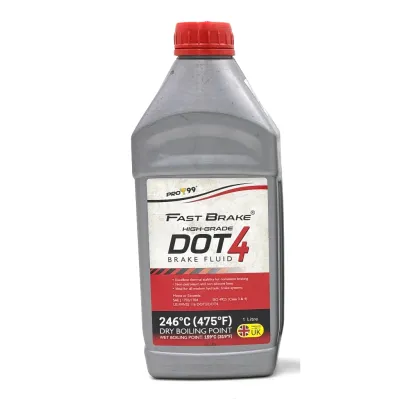
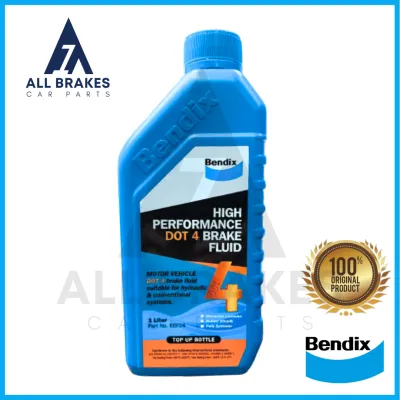
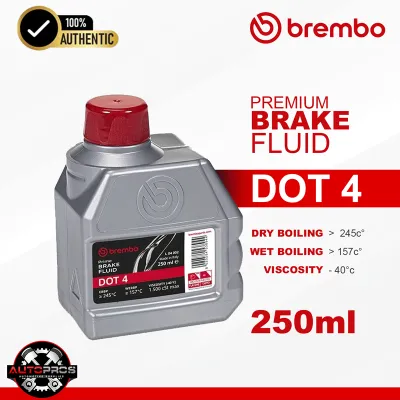
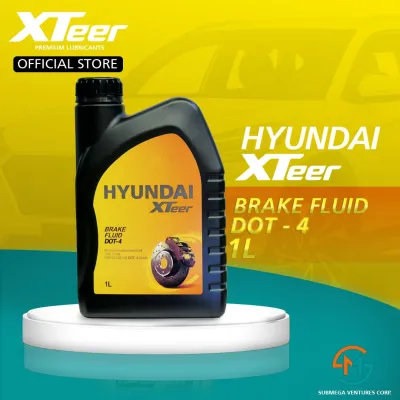
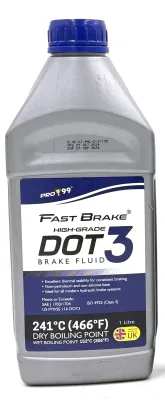
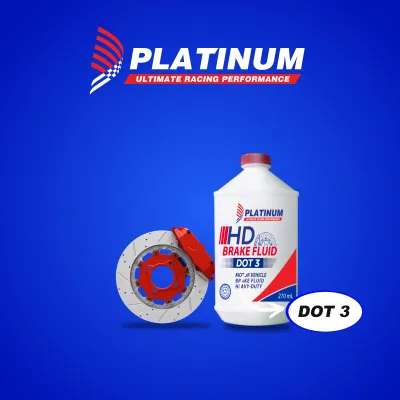
Prices are valid at publication and may change. Please refer to the product page for the latest price.
Every brake fluid has two rated boiling points: dry and wet. The dry boiling point refers to the temperature at which fresh, uncontaminated fluid from a newly opened bottle will boil. The wet boiling point represents the temperature at which the fluid will boil after it has absorbed a specific percentage of water from the surrounding environment. Because DOT4 contains borate esters, it generally exhibits higher dry and wet boiling points than DOT3, making it more resilient under severe operating conditions.
Both fluids are highly hygroscopic, meaning they naturally attract and absorb moisture from the atmosphere over time. This moisture absorption occurs continuously through microscopic pores in the rubber brake hoses, seals, and the reservoir cap. As water content increases, the boiling point of the fluid drops significantly. If the fluid reaches its boiling point during heavy braking, it vaporizes, creating highly compressible gas bubbles in the brake lines. This condition, known as vapor lock, results in a spongy brake pedal and a dangerous loss of stopping power.
While their shared glycol-ether base means DOT3 and DOT4 are chemically compatible and will not react destructively if mixed in an emergency, they are not universally interchangeable. The higher viscosity of DOT3 at lower temperatures and the faster moisture absorption rate of DOT4 mean that each fluid behaves differently within a system’s designed tolerances.
How to Verify Compatibility for Your Specific Vehicle
Before purchasing a 1-liter bottle of brake fluid, verify the exact requirements of your vehicle’s braking system. Locate this specification on the brake fluid reservoir cap in the engine bay, where manufacturers emboss designations like “DOT3 Only” or “DOT4 Only”. If the cap is unreadable, consult your owner’s manual under the maintenance or specifications section.

Downgrading from a manufacturer-specified DOT4 fluid to DOT3 is highly dangerous. Because DOT3 has lower boiling points, it may boil under driving conditions your system was designed to handle, leading to sudden brake fade. Conversely, upgrading from DOT3 to DOT4 is often acceptable, but not always beneficial. Some older systems use rubber seals optimized specifically for DOT3, and introducing DOT4 could accelerate seal wear in specific legacy designs.
Modern vehicles with ABS or ESC often have specific fluid requirements. These systems rely on rapid pressure adjustments controlled by a hydraulic modulator. If fluid viscosity is too high, the ABS may not respond as quickly as intended. Some manufacturers specify low-viscosity variants of DOT4 (such as DOT4 Class 6) for these systems. Always check for these specialized manufacturer warnings before purchasing.
Because the braking system is critical for safety, any maintenance involving fluid replacement or bleeding carries inherent risks. If you are unfamiliar with handling brake fluid, preventing air intrusion, or disposing of toxic waste, have the service performed by a qualified professional mechanic. Always follow original vehicle instructions precisely. Additionally, brake fluid is highly corrosive to painted surfaces; avoid spills on your vehicle’s bodywork.
Evaluating Driving Conditions and Maintenance Habits
Your typical driving environment and maintenance habits play a significant role in determining which brake fluid is most suitable, assuming your vehicle permits either type. High-heat scenarios demand a fluid with a higher wet boiling point to ensure consistent stopping power. If you frequently tow heavy loads, drive in mountainous regions with steep descents, or operate a heavily loaded utility vehicle, the superior thermal resistance of DOT4 is highly advantageous.
For standard daily commuting on flat terrain, a high-quality DOT3 fluid is often perfectly adequate and cost-effective. DOT3 fluid typically absorbs moisture at a slower rate than standard DOT4, which can make it more stable over a longer period in vehicles that do not experience extreme braking temperatures. However, all glycol-based fluids require periodic replacement to protect internal components from corrosion.
In tropical climates characterized by high relative humidity and ambient temperatures, such as the Philippines, moisture absorption is accelerated. Constant exposure to humid air means brake fluid will reach its wet boiling point threshold faster than in dry climates. Consequently, vehicle owners in humid environments must adhere strictly to recommended fluid flush intervals—typically every two years or 40,000 kilometers—regardless of whether they use DOT3 or DOT4. Regular testing with a dedicated brake fluid moisture pen can help monitor the fluid’s condition.
Buying Guide: Selecting the Right 1-Liter Brake Fluid
When shopping for brake fluid, purchasing a 1-liter container is generally the most practical choice for a complete system service. A standard passenger car or compact SUV typically requires between 800 milliliters and 1 liter of fluid to fully flush the old, contaminated fluid out of the lines and fill the reservoir to the correct level. Buying a 1-liter bottle ensures you have sufficient volume to complete the job without being left with a large amount of excess fluid that will go to waste.
Brake fluid begins to degrade and absorb moisture from the air the moment the factory seal is broken. Therefore, never purchase or use a bottle of brake fluid that has a compromised foil seal. When buying from an online marketplace or a local auto parts store, inspect the packaging closely. Check the manufacturing date printed on the bottle; brake fluid has a limited shelf life even when sealed, and it is best to purchase stock that is less than two years old to ensure maximum performance.
Always verify the certification marks on the product label to ensure the fluid meets international safety standards. Look for designations such as FMVSS 116, SAE J1703 for DOT3, or SAE J1704 for DOT4. These certifications guarantee that the fluid has undergone rigorous testing for boiling points, viscosity, chemical stability, and compatibility with standard braking system elastomers. Avoid products that lack clear certification labels or those from unrecognized brands.
Step-by-Step Decision Framework: DOT3 or DOT4?
To simplify your purchasing decision, follow this structured framework to select the correct 1-liter brake fluid for your vehicle:
- Identify the Manufacturer's Specification: Look at your brake reservoir cap or owner's manual. If it explicitly states "DOT3 Only," purchase a high-quality DOT3 fluid. If it states "DOT4 Only" or "DOT4 Class 6," you must purchase the corresponding DOT4 fluid.
- Assess Your Driving Environment: If your manual states that both DOT3 and DOT4 are acceptable, evaluate your driving habits. Choose DOT4 if you frequently drive in hilly terrain, carry heavy cargo, or engage in spirited driving. Choose DOT3 if your driving consists of normal daily commuting and you prefer a fluid that maintains its properties longer under standard conditions.
- Check for Advanced Safety Systems: If your vehicle features modern ABS or stability control and permits DOT4, verify if a low-viscosity DOT4 variant is recommended to ensure optimal system response times.
- Inspect the Product Before Purchase: Ensure the 1-liter bottle is completely sealed, shows no signs of leaking, displays valid FMVSS or SAE certifications, and has a recent manufacturing date. If you are ever in doubt about compatibility or the bleeding process, consult a certified professional to handle the service.
Frequently Asked Questions (FAQ)
Can I mix DOT3 and DOT4 brake fluid in the same system?
While DOT3 and DOT4 brake fluids are both glycol-ether-based and will physically mix without causing a destructive chemical reaction, doing so is not recommended. Mixing the two fluids alters the overall boiling point of the mixture, typically reducing it closer to the lower threshold of the DOT3 fluid. Additionally, mixing can affect the viscosity and performance characteristics of the system. If you need to switch from one fluid type to another, or if your fluid has become contaminated, the safest course of action is to perform a complete system flush rather than topping up one fluid with the other.
How long can I store an opened 1-liter bottle of brake fluid?
An opened bottle of brake fluid should not be stored for long-term use. Once the factory seal is broken, the fluid immediately begins absorbing moisture from the air inside the bottle and any ambient humidity that enters when the cap is off. Even if you tightly reseal the cap, the trapped air contains moisture that will degrade the fluid’s dry boiling point over time. It is highly recommended to use the fluid immediately upon opening and discard any leftover portion within a few weeks. Never use leftover fluid that has been sitting on a shelf for months to top up your braking system.
Does the color of the brake fluid indicate its DOT rating?
No, the color of brake fluid does not indicate its DOT rating or specification. Fresh glycol-based brake fluids (both DOT3 and DOT4) are typically clear, light amber, or pale yellow. Some manufacturers may add specific dyes, but there is no standardized color-coding system that distinguishes DOT3 from DOT4. As brake fluid ages and absorbs moisture and metallic contaminants from the braking system, it turns dark brown or black, indicating that it is overdue for a flush. Always rely on the printed specifications and certifications on the product label rather than the color of the liquid.

Community discussion
Share your experience or ask a question. Comments are reviewed before publication.