
Direct Answer: Choosing Between DOT3 and DOT4 for Bulk Orders
Selecting the correct brake fluid for wholesale purchasing or fleet maintenance depends entirely on the Original Equipment Manufacturer (OEM) specifications of the target vehicles or the specific demands of your local resale market. There is no universal winner between DOT3 and DOT4. Each fluid is formulated to meet distinct thermal and chemical standards, and choosing the wrong one can compromise vehicle safety.
Downgrading from a higher DOT rating to a lower one is a critical safety risk that must be avoided. If a vehicle manufacturer specifies DOT4, refilling the system with DOT3 can lead to premature fluid boiling, brake fade, and potential braking system failure. Consequently, wholesale buyers and fleet managers must thoroughly verify the exact fluid requirements in the vehicle owner manuals or service guides before committing to a large-volume purchase.
How to Verify DOT3 and DOT4 Specifications on Product Labels
When purchasing brake fluid wholesale, relying on generic product titles or marketing claims is a major risk. Buyers must inspect the physical product labels and technical data sheets to verify that the fluid meets the precise operating parameters required for their applications.
Products mentioned in this guide
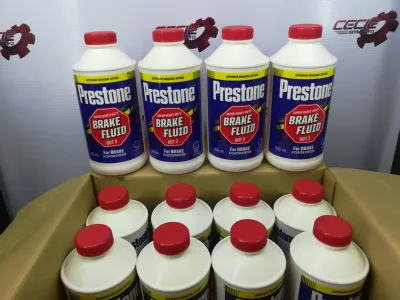
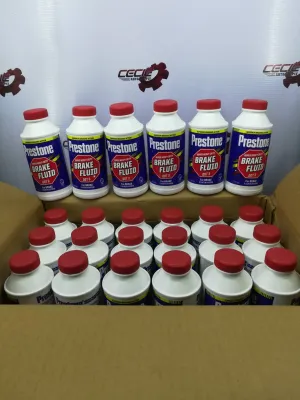
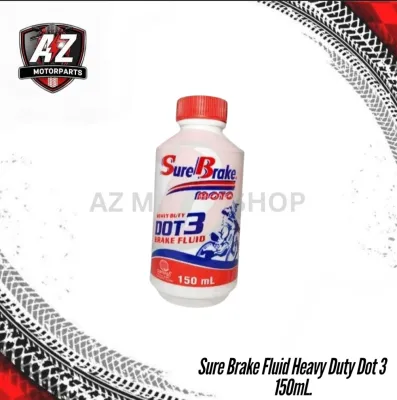
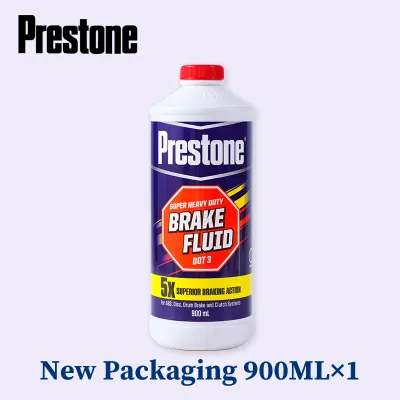
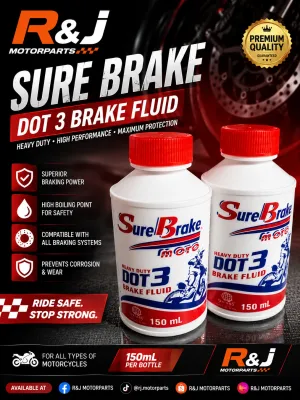
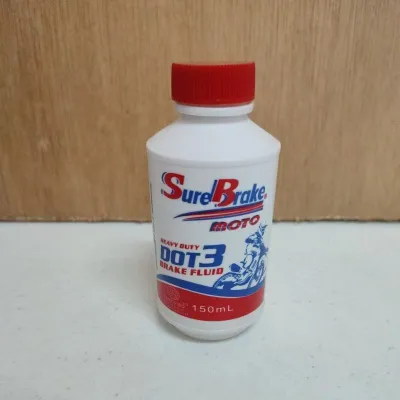
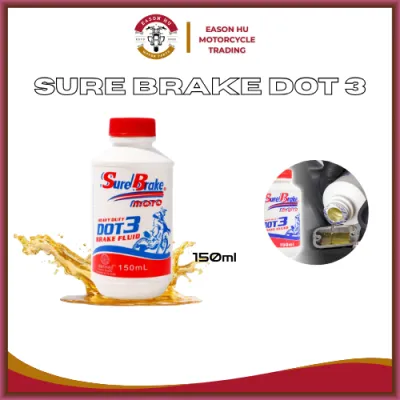
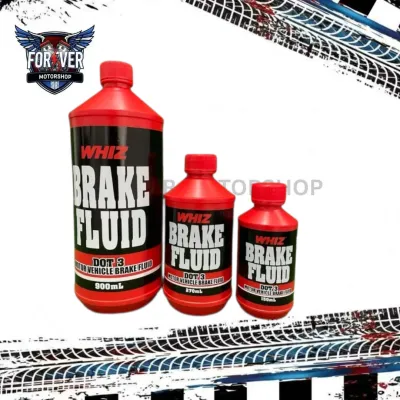
Prices are valid at publication and may change. Please refer to the product page for the latest price.

First, instruct your procurement team to check the manufacturer-stated dry and wet boiling points printed on the product labels. The dry boiling point refers to the temperature at which the fluid boils when fresh and uncontaminated by water. The wet boiling point represents the boiling limit after the fluid has absorbed a specific percentage of moisture from the atmosphere. In tropical climates with high relative humidity, the wet boiling point is the more critical metric for long-term safety, as moisture absorption occurs naturally over time.
Second, verify the presence of official compliance marks on the packaging. Safe and legal distribution requires compliance with recognized international standards, such as the Federal Motor Vehicle Safety Standard (FMVSS) 116, SAE J1703 for DOT3, or SAE J1704 for DOT4. These certifications guarantee that the fluid has undergone standardized testing for viscosity, chemical stability, and compatibility with braking system components.
Finally, check the manufacturer’s stated hygroscopic properties and recommended service intervals. Glycol-ether-based fluids naturally attract water, but different formulations manage this moisture absorption at varying rates. Understanding these properties helps fleet operators establish realistic preventive maintenance schedules and anticipate how often the fluid must be flushed to prevent internal corrosion of calipers, master cylinders, and steel brake lines.
Aligning Your Bulk Purchase With Fleet and Resale Needs
To optimize your wholesale investment, you must align your inventory with the actual mechanical requirements of your fleet or the purchasing patterns of your target retail customers. A mismatch here can lead to dead stock or, worse, severe liability issues.
Start by conducting a comprehensive audit of your existing fleet’s vehicle roster. Document the make, model, year, and factory-fill brake fluid specification for every asset. If your fleet consists of a diverse mix of light commercial vehicles, older utility trucks, and modern passenger cars, you will likely find a split in requirements. Grouping these vehicles by their specified fluid type allows you to calculate the exact volume ratio needed, preventing over-ordering of one type while running short on the other.
For businesses purchasing for resale, assess local market demand by identifying the most common vehicle models operating in your region. Older, standard passenger vehicles often utilize DOT3, while newer models, heavy-duty trucks, and European imports typically require DOT4. Stocking both options in proportion to local vehicle demographics ensures you can satisfy diverse customer needs without carrying excess inventory that risks expiring on the shelf.
Failing to stock the correct specification poses severe mechanical and liability risks, particularly for modern vehicles equipped with advanced braking systems like Anti-lock Braking Systems (ABS) and Electronic Stability Control (ESC). These systems rely on rapid, precise pressure modulations controlled by micro-valves. The viscosity and thermal performance of the brake fluid must match the OEM design parameters exactly. Using an incorrect fluid can cause sluggish valve response, seal swelling, or internal system damage, which compromises the vehicle’s automated safety interventions.
Safe Storage and Inventory Management for Bulk Brake Fluid
Brake fluid is highly sensitive to environmental conditions, making proper storage and inventory management essential for preserving the quality of bulk purchases. Poor storage practices can ruin an entire wholesale shipment before the fluid ever reaches a vehicle’s master cylinder.
The absolute priority in brake fluid storage is keeping all containers tightly sealed until the exact moment of use. Glycol-ether-based fluids are highly hygroscopic, meaning they actively draw moisture out of the surrounding air. In humid tropical environments, even a brief exposure to open air can introduce water vapor into the container. This contamination rapidly lowers the fluid’s boiling point and promotes internal rust within the vehicle’s braking system. Always store bulk containers in a dry, temperature-controlled environment away from direct sunlight and moisture.
Additionally, establish a strict first-in, first-out (FIFO) inventory rotation system. Upon delivery, inspect all packaging for seal integrity, leaks, or physical damage, and clearly record the manufacturer’s batch numbers and expiration dates. Utilizing older stock first ensures that no container sits in storage past its recommended shelf life. If a container’s seal is compromised during transit or storage, that fluid should be set aside and verified before use.
Finally, fleet operators and workshop managers must adhere to local environmental regulations for the safe disposal of expired, opened, or contaminated brake fluid. Brake fluid is a hazardous chemical that must never be poured down municipal drains, spilled onto soil, or mixed with engine oil for recycling. Work with licensed hazardous waste disposal services to ensure compliant and environmentally safe handling of all waste fluids.
Decision Framework: Finalizing Your Wholesale Brake Fluid Order
Before finalizing your wholesale brake fluid order, use this condition-based framework to guide your purchasing decision:
- Choose DOT3 if: Your target fleet or resale market consists primarily of older, standard passenger vehicles with braking systems that explicitly specify DOT3 in their owner's manuals. This fluid is suitable for light-duty, everyday driving conditions where extreme thermal stress is uncommon.
- Choose DOT4 if: The vehicles in your fleet or customer base require higher thermal stability due to heavier payloads, frequent stop-and-go city driving, or towing operations, provided the OEM manual explicitly permits or requires a DOT4 specification.
- Verify compatibility constraints first: Check if the vehicle manufacturer explicitly forbids substituting DOT4 for DOT3 in specific older models, or if the braking system requires a complete, professional flush before transitioning between fluid types. Never mix different fluid types without verifying compatibility.
- Consider alternative fluids if: Your fleet includes specialized machinery, heavy industrial equipment, or specific European models that require DOT 5.1 or mineral-based fluids (such as LHM). These fluids are chemically distinct and are not interchangeable with glycol-ether-based DOT3 or DOT4 fluids.
By systematically evaluating your fleet specifications, verifying product labels, and implementing strict storage protocols, you can protect your wholesale investment and ensure the long-term safety and reliability of your vehicles.
Frequently Asked Questions (FAQ)
Can DOT3 and DOT4 brake fluids be mixed in a fleet vehicle?
Mixing DOT3 and DOT4 brake fluids is highly discouraged and should be avoided in fleet maintenance. While both are glycol-ether-based and technically compatible, mixing them alters the overall chemical composition and lowers the wet and dry boiling points of the mixture compared to pure DOT4. This compromise in thermal performance can lead to unexpected brake fade under heavy operating conditions. If a vehicle’s specification is being changed, or if contamination is suspected, the safest course of action is to perform a complete system flush and refill the system with fresh fluid according to the OEM guidelines.
Does buying brake fluid in bulk reduce its shelf life?
Buying brake fluid in bulk does not inherently reduce its shelf life, provided the fluid remains in its original, factory-sealed containers. The shelf life of brake fluid is determined by the integrity of the container’s seal rather than the total volume purchased. A factory-sealed metal or high-density plastic container prevents moisture from entering, preserving the fluid’s dry boiling point for years under proper storage conditions. However, once a bulk container is opened, the fluid inside begins to absorb atmospheric moisture immediately. For this reason, fleet operators should purchase bulk fluid in container sizes that match their typical consumption rates to minimize the time an opened container sits in storage.

Community discussion
Share your experience or ask a question. Comments are reviewed before publication.