
Choosing between Duhan riding shoes for daily city commuting and long-distance touring comes down to a fundamental balance between walking flexibility and highway-speed protection. For riders navigating congested urban streets, a lightweight, breathable shoe with a flexible sole allows for comfortable walking and quick stops. Conversely, long-distance touring across provinces requires a rigid, highly protective boot that can withstand hours of wind, sudden downpours, and potential high-speed impacts.
Evaluating the Duhan lineup requires looking closely at the structural differences between these two riding styles. While both categories aim to keep your feet secure, their design priorities diverge significantly. By understanding how materials, armor placement, and sole construction affect your ride, you can select the pair that matches your primary riding environment.
Core Differences Between Commuting and Touring Riding Shoes
The primary distinction between commuting and touring footwear lies in the trade-off between off-bike mobility and high-speed structural integrity. Commuting shoes are designed for short, low-speed trips where you frequently transition from riding to walking. They feature flexible soles, lower shaft heights, and lighter materials that mimic the comfort of standard sneakers. This flexibility makes them highly practical for running errands or walking around an office, but it limits their ability to resist crushing forces in a severe accident.
Products mentioned in this guide
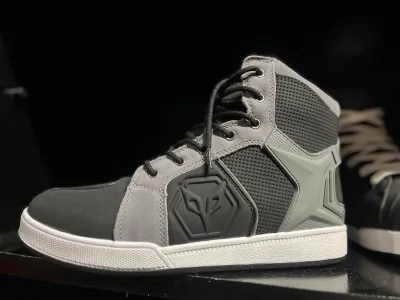
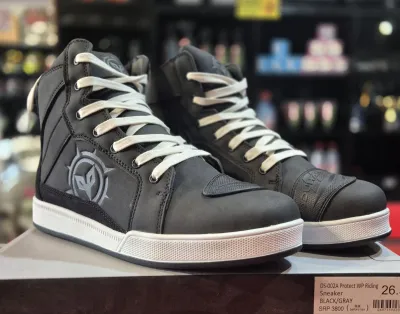
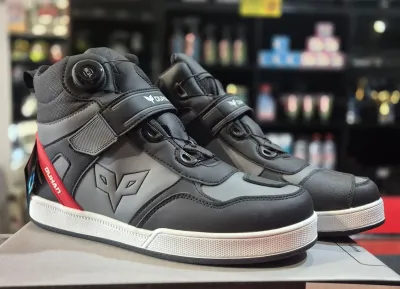
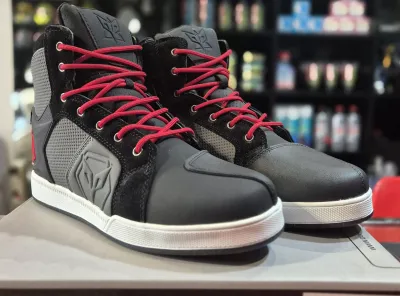
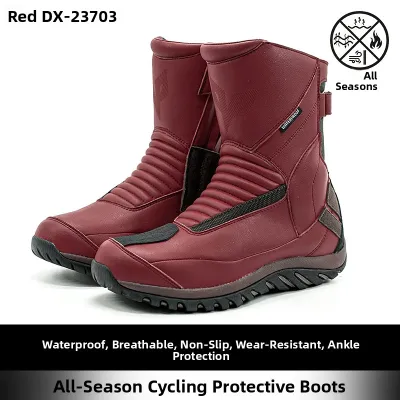
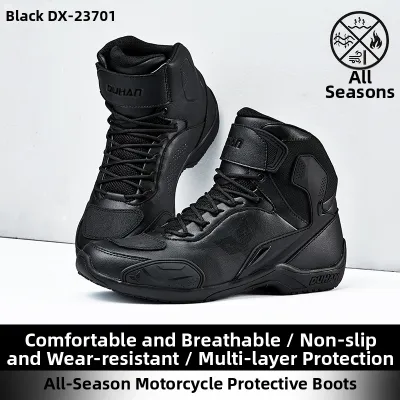
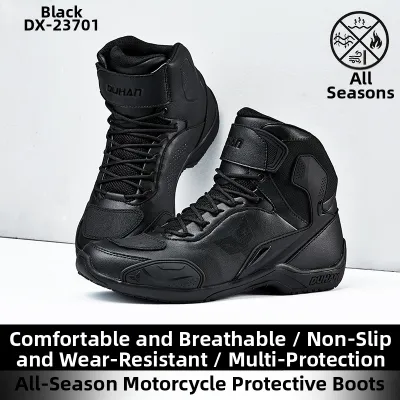
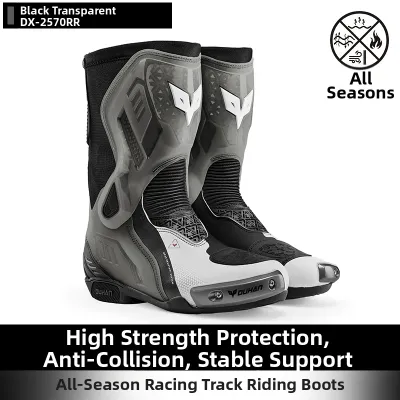
Prices are valid at publication and may change. Please refer to the product page for the latest price.
Touring boots, on the other hand, prioritize maximum protection and support over walking comfort. They typically feature a taller shaft that covers the ankle and lower shin, constructed from thick leather or heavy-duty synthetic materials. The soles are reinforced with internal shanks to prevent twisting and bending, which is crucial for protecting the delicate bones of the foot during a slide or impact. While this rigidity is excellent on the motorcycle, it makes walking long distances stiff and tiring.
Climate management also differs dramatically between the two styles, especially in tropical environments. Urban commuting in high humidity and stop-and-go traffic demands maximum ventilation to prevent sweat buildup. Commuting shoes often incorporate mesh panels or perforated fabrics to promote airflow at low speeds. Touring boots must handle a wider variety of weather conditions, requiring a balance of ventilation and water resistance to keep your feet dry during sudden highway downpours.
Key Features to Evaluate for City Commuting
When selecting a riding shoe for daily city commuting, convenience and casual integration are key factors. Look for closure systems that allow for quick entry and exit. Traditional laces are common, but they must be secured properly to prevent them from tangling in your motorcycle’s chain or footpegs. Many urban riding shoes feature lace covers, velcro ankle straps, or quick-lace dial systems that keep the closures tidy and secure during short trips.

Casual aesthetics allow you to wear your riding shoes in social or professional settings without looking out of place. Many modern urban designs resemble high-top sneakers or casual work boots, blending seamlessly with jeans or casual trousers. This eliminates the need to carry an extra pair of shoes to work or school, making your daily routine much simpler.
Despite their casual appearance, proper commuting shoes must still offer essential urban protection. Verify that the shoes feature reinforced toe boxes and heel cups to protect against minor impacts. A dedicated gear shift pad on the toe is also essential; this extra layer of rubber or leather prevents the gear lever from wearing through the shoe fabric while ensuring consistent shifting feel.
Essential Requirements for Long-Distance Touring
For riders planning extended hours on the highway, structural support is non-negotiable for reducing foot fatigue. Stiff soles with integrated shank plates distribute your weight evenly across the footpegs, preventing the arches of your feet from cramping after hours in the saddle. Look for boots that offer robust arch support and cushioned insoles designed for prolonged standing on the pegs.
Advanced impact protection is another hallmark of a quality touring boot. Because highway speeds involve much higher kinetic energy, touring footwear must feature reinforced shin plates, heavy-duty malleolus (ankle bone) protectors, and rigid heel counters. These components are designed to absorb and disperse impact energy, reducing the risk of fractures and severe abrasions.
Weather defense is critical when touring through changing climates and sudden tropical storms. Check the manufacturer specifications for integrated waterproof membranes that block external water while allowing moisture vapor to escape. Additionally, look for gusseted zippers and storm flaps that prevent water from seeping through the entry points of the boot during heavy rain.
How to Verify Fit, Safety, and Compatibility
Before purchasing any riding footwear, it is essential to verify its safety credentials by checking the product labels. Look for official CE certification markings, typically found on a tag stitched inside the tongue or shaft of the shoe. The standard CE label (such as EN 13634) indicates that the footwear has undergone standardized testing for abrasion resistance, impact cut resistance, and transverse rigidity.
Sizing and fit require careful attention, as motorcycle footwear should fit snugly without pinching. Refer to the manufacturer’s specific size chart, keeping in mind that European sizing is commonly used for riding gear. Ensure there is enough room in the toe box to wiggle your toes, but your heel should not slip or lift excessively when walking. If you plan to ride in cooler mountain regions, test the fit while wearing the thicker socks you intend to use on those trips.
Finally, verify compatibility with your motorcycle’s controls. Put on the shoes and sit on your bike to simulate your natural riding posture. Check that the toe of the shoe fits easily under the gear shift lever and that you can operate the rear brake pedal without restriction. If you are transitioning from thin sneakers to bulky touring boots, you may need to adjust the height of your motorcycle’s shift lever to accommodate the thicker toe box.
Decision Framework: Matching the Shoe to Your Ride
To make your final decision, evaluate your actual riding habits and choose the footwear category that aligns with your primary scenario. If your weekly riding consists of short trips under thirty minutes, frequent stops in heavy city traffic, and significant walking at your destination, a commuting-focused riding shoe is the most practical choice. It offers the necessary low-speed protection while keeping you comfortable throughout the day.
If your passion lies in weekend getaways, long highway stretches, and touring across provinces, prioritize a dedicated touring boot. The enhanced structural protection, weatherproofing, and footpeg support are essential for safety and comfort over long distances. Do not compromise on highway safety for the sake of walking convenience.
If your riding profile is split evenly between the two, or if you need a single shoe that can handle both tasks, look for mid-height crossover options. These hybrid designs attempt to balance a moderately stiff sole with breathable materials and basic ankle armor. However, if your budget allows, owning one dedicated pair for commuting and another for touring remains the safest and most comfortable approach.
Frequently Asked Questions (FAQ)
Can I use touring riding shoes for daily city commuting?
While you can physically wear touring boots for city commuting, they are generally impractical for daily urban use. The stiff soles and heavy construction make walking uncomfortable and can cause foot fatigue during a normal workday. Additionally, the lack of ventilation in waterproof touring boots can lead to excessive sweating and discomfort in hot, stop-and-go city traffic. Frequent walking in stiff touring boots also accelerates wear on the soles and can damage internal waterproof membranes over time.
How should I clean and maintain my Duhan riding shoes?
To maintain the performance and longevity of your riding shoes, always refer to the manufacturer’s care label for specific instructions. Generally, you should wipe down the exterior with a damp cloth and mild soap to remove road grime, dirt, and salt. Avoid using harsh chemical detergents or solvents, as these can degrade waterproof coatings and weaken the adhesives holding the sole together. Always allow your shoes to air-dry naturally in a well-ventilated space away from direct sunlight or heat sources, which can warp the materials and dry out leather components.

Community discussion
Share your experience or ask a question. Comments are reviewed before publication.